If you’ve ever found yourself asking, "Why is my electric golf cart clicking but not moving?", you’re not alone. Many golf enthusiasts experience this frustrating issue. According to John Smith, a leading expert in electric vehicles, "A clicking sound often indicates a problem with the cart’s electrical system." Understanding the potential causes is essential for effective troubleshooting.
Electric golf carts rely on a complex electrical system. Battery issues, faulty controllers, or aging components might cause a clicking noise while preventing movement. Regular maintenance is crucial. It keeps the golf cart in optimal condition and reduces the risk of unexpected failures.
Whenever you hear that ominous clicking sound, it’s important to remain calm. This clicking could signal a loose wire or a deeper mechanical failure. Sometimes it’s tempting to ignore these signs, but doing so can lead to costly repairs down the line. Understanding why your electric golf cart is having troubles can save both time and money in the long run.
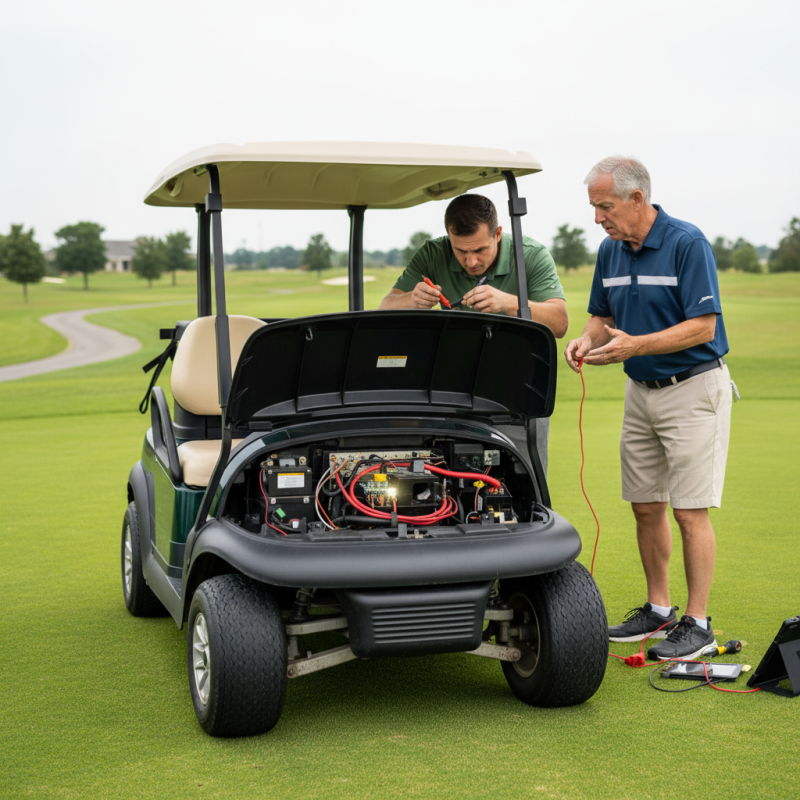
Electric golf carts are popular for their convenience on the course. However, it's frustrating when they make
clicking sounds but fail to move. Understanding the common causes of these noises can save time and money.
One frequent issue is a
weak battery. If the battery isn’t fully charged, it may not provide enough power to operate the cart. This can lead to a clicking noise when trying to accelerate.
Another cause could be a faulty solenoid. If this component is damaged, it can create a clicking sound while preventing the cart from moving. Inspecting these parts is crucial for a smooth golfing experience.
Worn-out or loose connections might also contribute to clicking sounds. Over time, connections can deteriorate, creating resistance. This may disrupt power flow, preventing the cart from moving.
Maintenance is key. Regularly checking battery health and connections can prevent these issues. Not addressing them could lead to further problems down the road.
Electric golf carts serve as a convenient mode of transport on golf courses. Understanding how their movement mechanism works can clarify common issues like clicking sounds without forward motion. Electric carts rely on a series of components, including batteries, controllers, and electric motors. When one part malfunctions, it can disrupt the cart's operation.
Batteries provide power to the motor. A voltage drop can cause clicking sounds. Controllers manage the power that flows to the motor, ensuring it gets the right amount needed to move. Inspecting these components can help identify the source of the issue. It's worth noting that regular maintenance can prevent many common problems and ensure optimal performance.
Tips: Regularly check the battery levels and clean the terminals. A dirty connection can affect performance. Additionally, ensure the cart's wiring is intact. Look for frayed wires or loose connections. Each of these can contribute to unexpected clicking sounds. Remember that neglecting minor issues can lead to significant repairs later. Always document noted issues to track patterns.
This chart illustrates the percentage of common issues faced by electric golf carts, highlighting battery issues as the most frequent problem. Understanding these issues can help users address performance problems effectively.
If your 2026 electric golf cart is clicking but not moving, a few issues could be at play. This situation may stem from battery problems, wiring issues, or a malfunctioning controller. Start by checking the battery connections. Ensure they are tight and free of corrosion. Loose or corroded connections may lead to insufficient power.
Another common culprit is the solenoid. If it clicks but fails to engage, it may be faulty. You can test the solenoid with a multimeter to check for continuity. If there are no readings, replacement might be necessary.
When troubleshooting, always inspect wiring for any visible damage. Frayed wires or poor connections can disrupt power flow. Pay close attention to the motor and its connections as well.
**Tips:**
If you notice any lights flickering on the dashboard, that indicates a power issue. Isolate the problem by checking each component step by step. A systematic approach will save time.
Always consider professional help when feeling overwhelmed. Sometimes, you may overlook simple fixes. Asking for assistance can provide fresh insights. Remember, thoroughness leads to reliable solutions.
| Issue | Description | Troubleshooting Steps | Potential Solutions |
|---|---|---|---|
| Battery Failure | Cart makes clicking noise but doesn't move. | Check battery voltage and connections. | Replace or charge the battery. |
| Solenoid Issue | Clicking sound indicates solenoid is malfunctioning. | Test the solenoid with a multimeter. | Replace the solenoid if faulty. |
| Controller Failure | Cart will not move even with a functioning battery. | Inspect connections and test the controller. | Replace the controller if necessary. |
| Brake Issue | Brake is stuck and prevents movement. | Inspect the brake system for damage. | Lubricate or replace brake components. |
| Loose Wiring | Intermittent movement or clicking only. | Check all wiring connections. | Secure loose wires or connectors. |
Electric golf carts are convenient, but issues can arise. A common problem is a clicking noise without movement. This often signals underlying maintenance issues. Regular checks are vital to keep your cart in top shape.
Start with the battery. Loose connections can cause clicking sounds. Inspect terminals for signs of corrosion. Tighten any loose wires. Battery health is also crucial; weak batteries often lead to performance troubles. Replace aging batteries to ensure reliable operation.
Don’t forget the motor and drivetrain. Dirt and debris can accumulate, affecting functionality. Regular cleaning can help. Check for worn-out parts as well. These can lead to unexpected failures. A proactive approach to maintenance can prevent frustrating problems and keep your cart running smoothly.
Electric golf carts can encounter various issues, and a clicking sound without movement is a common problem. Often, this indicates a malfunction in the cart’s electrical system. The sound may suggest that the motor is trying to engage but is failing to do so. If your cart shows these symptoms, evaluating the battery and connections is essential. A weak or dead battery can cause the cart to click and not move.
Sometimes, DIY solutions may not help. In these cases, seeking professional assistance is advisable. Technicians can quickly diagnose issues that may not be apparent to the average owner. They possess the tools and expertise to address problems with the controller or other crucial components. Relying on professionals can save time and potentially prevent further damage to the cart.
Ignoring such issues can lead to more significant problems. For example, if the connections are loose or corroded, this can cause further electrical failures. It can also affect the performance of the cart. Waiting too long could result in costly repairs. Therefore, if the cart clicks but does not move, consider consulting an expert. Taking action early can lead to effective solutions.
: A weak battery is a frequent cause of clicking sounds. If not fully charged, it may lack power.
A faulty solenoid might be the issue. This part may create a click while preventing movement.
Yes, worn-out or loose connections can create resistance. This disrupts power flow, causing clicking sounds.
Regularly checking battery health is crucial. It can help prevent clicking sounds and other issues.
If DIY fixes don’t help, consult a technician. They can diagnose electrical issues not visible to owners.
Ignoring the sounds can lead to more significant problems later. It could result in costly repairs, delaying action is risky.
If you are wondering, "Why is my electric golf cart clicking but not moving?", it's essential to understand a few common causes behind this issue. Electric golf carts typically produce a clicking sound when there is an electrical issue, such as a faulty solenoid, battery problems, or issues with the motor. Understanding the mechanism of how these carts move can help pinpoint the source of the problem.
To troubleshoot the non-movement issues, follow a systematic approach: check the batteries for charge and connections, inspect the solenoid, and listen for any unusual sounds from the motor. Regular maintenance plays a crucial role in preventing clicking and movement problems, such as ensuring battery terminals are clean and connections are secure. If these steps do not resolve the issue, it may be time to seek professional help to avoid further complications.

Tulip Cart