10 Best Tips for Maintaining Golf Cart Batteries in Winter?

Time:2026-04-13 Author:Liam
0%

As golf enthusiasts embrace the winter months, understanding how to maintain golf cart batteries in winter becomes crucial. A report from the Golf Cart Battery Association indicates that improperly maintained batteries can lose up to 40% of their capacity during colder seasons. This is a significant concern for anyone relying on cart performance for both leisure and transportation.

Winterizing golf cart batteries involves numerous specific strategies. For instance, maintaining proper charge levels and temperature is vital. Experts suggest storing batteries in a controlled environment, ideally above 32°F. Regular checks and maintenance not only extend battery life but also ensure reliable performance when the season changes.

Despite the knowledge available, many golfers overlook essential maintenance routines. This can lead to frustrations when carts fail to perform. Neglecting battery care can result in costly replacements and an inconvenient start to the golfing season. Thus, invest time in learning how to maintain golf cart batteries in winter, and you'll safeguard your investment for years to come.
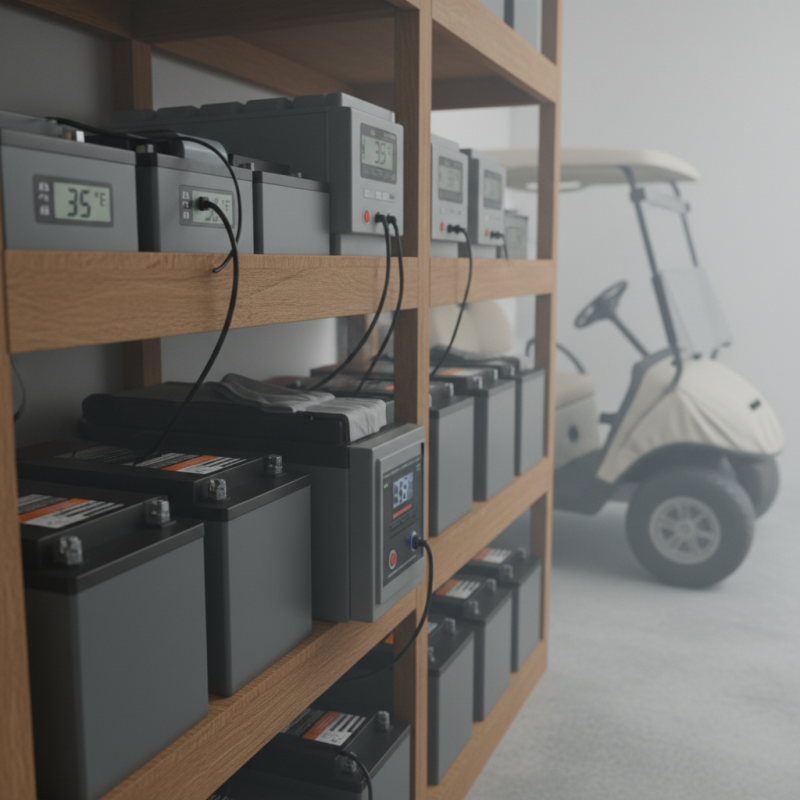
10 Best Tips for Maintaining Golf Cart Batteries in Winter?

Best Practices for Keeping Golf Cart Batteries Charged Over Winter

Maintaining golf cart batteries during winter requires attention and care. Lead-acid batteries need a full charge before cold months. According to the Battery Council International, a fully charged battery is less likely to freeze. Cold temperatures can reduce battery capacity significantly. Environments below 32°F can cause lead-acid batteries to lose up to 30% of their efficiency.

Regular maintenance is essential. Check water levels to ensure proper operation. Distilled water should be used, and levels should be above the plates. This helps prevent sulfation, a common issue in winter months. Many users overlook this step. A small oversight can lead to decreased battery life. Additionally, the connections should be clean and corrosion-free. This step is often ignored, yet it can drastically impact performance.

Charging schedules matter too. Batteries should be recharged every month in winter if not in use. This is often neglected by golf cart owners. Leaving batteries unattended can lead to deep discharge, which shortens lifespan. Reports indicate that batteries left uncharged for extended periods can fail prematurely. Taking these steps can extend battery life and improve performance.

Understanding Battery Chemistry: How Temperature Affects Performance

Temperature plays a crucial role in battery performance, especially during winter. Cold weather can significantly reduce the efficiency of golf cart batteries. Research indicates that for every 10 degrees Fahrenheit drop in temperature, battery efficiency can decrease by up to 20%. This decline impacts the range and power available for golf carts, affecting overall performance on the course.

Understanding battery chemistry is essential. Lead-acid batteries, commonly used in golf carts, are particularly vulnerable to low temperatures. These batteries can suffer from increased internal resistance, making it harder to deliver power when needed. A study by the Battery University emphasizes that charging batteries at low temperatures can lead to sulfation, a process that damages battery plates over time. Regular monitoring of electrolyte levels and proper charging routines can help mitigate this risk.

Moreover, improper maintenance during winter months can lead to deeper issues. Many users do not consider that leaving batteries in a discharged state during cold weather can cause irreversible damage. Data shows that batteries left at lower states of charge are at greater risk of freezing, which can lead to catastrophic failure. Addressing these factors appropriately can extend battery life and enhance performance during winter.

10 Best Tips for Maintaining Golf Cart Batteries in Winter

Tip Number Maintenance Tip Reason Frequency
1 Check Fluid Levels Ensures optimal functioning of batteries Monthly
2 Clean Terminals Prevents corrosion and ensures good connectivity Every few weeks
3 Use a Battery Maintainer Keeps battery charged without overcharging As needed
4 Store in a Dry Place Reduces risk of damage from moisture Always
5 Charge Before Use Ensures battery has enough power Before each use
6 Avoid Deep Discharge Extends battery lifespan Every use
7 Inspect for Damage Identifies potential issues early Monthly
8 Monitor Temperature Prevents performance issues in extreme cold As needed
9 Keep Batteries Warm Improves performance and charge retention During winter
10 Regularly Test Battery Voltage Ensures batteries are functioning efficiently Monthly

Recommended Voltage Levels for Winter Storage of Golf Cart Batteries

When storing golf cart batteries in winter, maintaining correct voltage levels is crucial. Typically, a voltage range of 12.4 to 12.6 volts is recommended for lead-acid batteries during cold weather. This range helps prevent damage from freezing temperatures. It's essential to regularly check the voltage using a multimeter. A voltage drop indicates that the batteries may need charging before storage.

To prolong battery life, ensure they are fully charged before winter storage. Discharged batteries can freeze and sustain severe damage. Additionally, clean the terminals and check for corrosion. Any buildup can hinder performance when spring arrives.

Another tip is to store batteries in a climate-controlled environment. Extreme cold can shorten their lifespan. If that’s not possible, using insulated battery covers can help. Remember to inspect and top off battery water before storing. Regular maintenance is key to reliability when you bring your golf cart out in the spring.

Maintenance Schedule: Timing and Frequency for Winter Care

Winter brings unique challenges for golf cart battery maintenance. A proper maintenance schedule is essential for ensuring long battery life. Start by checking the battery charge level at least once a month. A fully charged battery prevents freezing temperatures from causing damage. Consider charging the battery every few weeks if usage is low.

Regular watering is another key aspect. In winter, batteries can lose water through evaporation, even in cooler weather. Check water levels and add distilled water as needed. Avoid overfilling, as it can lead to spills and corrosion. Cleaning the battery terminals is also important. Use a mixture of baking soda and water to remove corrosion and ensure good connections.

Inspecting connections every month is crucial, too. Loose or corroded terminals can lead to performance issues. While winter is a good time to check the battery's physical condition, many cart owners overlook this. Taking a proactive approach can save time and costs later. Establish a routine that includes these checks, and you’ll keep your golf cart battery healthy all winter long.

Signs of Battery Wear and How to Assess Battery Health Before Winter

As winter approaches, monitoring battery health is crucial. Look for signs of wear like corrosion on terminals. Physical damage or swelling can indicate deeper issues. A multimeter can check voltage and assess performance. If the reading is low, it's time for maintenance.

Proper care can significantly extend battery life. Regularly clean terminals to prevent corrosion. Keeping batteries charged is essential, even in winter. A fully charged battery is less prone to freezing. Additionally, use a smart charger for optimal performance.

Pay attention to the water level in your batteries. Low water can lead to irreversible damage. Before winter, ensure they are topped off. Don't forget to perform periodic load testing. This can reveal hidden problems that may surface in colder conditions. Addressing these issues early can save you from a mid-winter failure.

FAQS

: How does temperature affect battery performance?

: Cold weather reduces battery efficiency by up to 20% for every 10 degrees Fahrenheit drop.

What type of batteries are vulnerable to low temperatures?

Lead-acid batteries are particularly affected by cold weather, leading to increased internal resistance.

What happens if I charge a battery at low temperatures?

Charging at low temperatures can cause sulfation, damaging the battery plates over time.

Why is battery maintenance important in winter?

Improper maintenance can lead to irreversible damage, especially if batteries are left discharged.

What voltage level should batteries be at for winter storage?

A voltage range of 12.4 to 12.6 volts is ideal to prevent freezing damage.

How often should I check my battery during winter?

Check the battery charge level at least once a month to avoid damage from freezing.

What should I do if my battery shows a voltage drop?

A voltage drop means the battery may need charging before storage.

How can I prolong my battery life during winter?

Ensure batteries are fully charged, clean terminals, and water levels should be checked regularly.

What’s a good routine for maintaining batteries in winter?

Inspect connections monthly, clean terminals, and check water levels to maintain battery health.

What can happen if I neglect my battery during winter?

Neglecting maintenance can lead to costly damage and reduced performance when spring arrives.

Conclusion

Maintaining golf cart batteries during winter is crucial to ensure optimal performance when warmer weather returns. Understanding battery chemistry is essential, as lower temperatures can significantly affect battery performance. To properly maintain golf cart batteries in winter, it is important to keep them charged at the recommended voltage levels and adhere to a regular maintenance schedule, including checking water levels and cleaning terminals.

Additionally, recognizing signs of battery wear and assessing battery health before winter storage can prevent future issues. By following these best practices, golf cart owners can ensure their batteries remain in good condition throughout the colder months and are ready for use when spring arrives. Proper maintenance not only extends the lifespan of the batteries but also enhances overall cart performance.

Liam

Liam

Liam is a dedicated marketing professional with a profound expertise in the industry, where he excels at highlighting the unique advantages of our core products. With a keen understanding of market trends and consumer needs, Liam frequently updates our company’s professional blog, providing......