The transition from lead-acid to lithium batteries in golf carts is a pressing topic. The rise of lithium technology has brought significant operational advantages. According to a 2022 report by the Battery University, lithium batteries are typically lighter and offer longer life cycles than their lead-acid counterparts. Golfers and fleet operators are becoming increasingly aware of this shift. The question arises: how to convert a golf cart from lead-acid to lithium?
Traditionally, lead-acid batteries have dominated the market. However, their limitations are evident. They require more maintenance, have shorter lifespans, and can lose capacity with deep discharges. The National Golf Foundation highlights that a significant number of modern golf carts now utilize lithium batteries for their efficiency. Lithium options can offer over 2000 charging cycles, compared to just 500 for lead-acid. This longevity makes them a more sustainable choice for golf cart users.
Converting to lithium is not without challenges. Owners need to assess the compatibility of their cart, consider potential modifications, and ensure appropriate charging systems. Many users share experiences about the nuances of the conversion process. It is essential to approach this change with careful consideration and clear guidance. Understanding how to convert a golf cart from lead-acid to lithium is crucial for maximizing performance and reliability in today's evolving landscape.
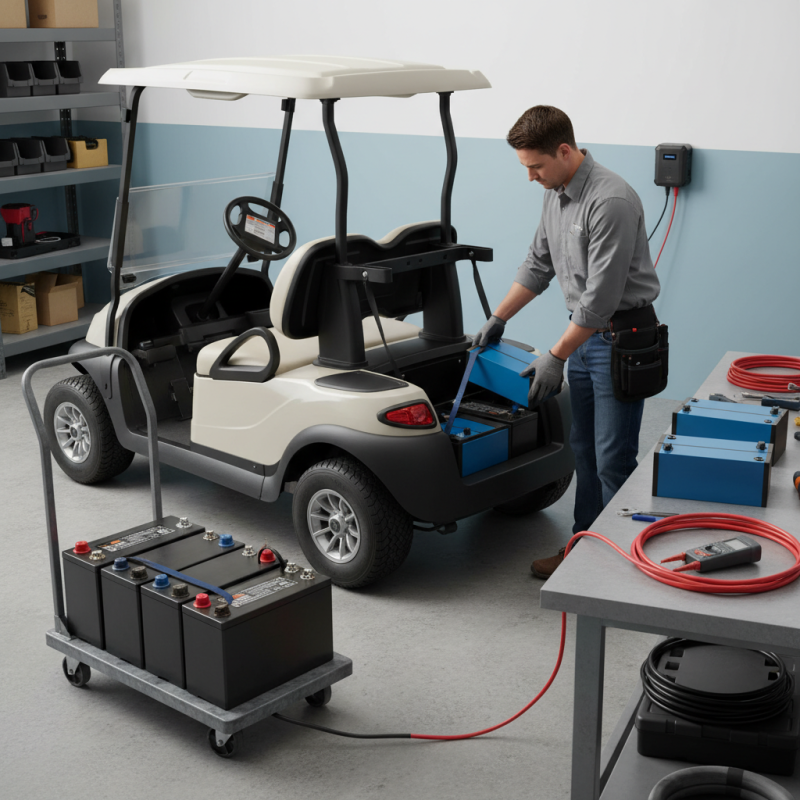
Lithium batteries are revolutionizing the golf cart industry. These batteries offer significant advantages over traditional lead-acid options. They are lighter, which enhances performance and efficiency. Many users report longer ranges, making them ideal for extended rounds on the course. Their compact design allows for more space within the cart, freeing up room for extras like storage or upgrades.
In terms of lifespan, lithium batteries outshine their lead-acid counterparts. While lead-acid batteries may last a few years, lithium batteries can endure up to a decade. This means fewer replacements, saving money in the long run. They also charge quickly, often completing a full charge in a matter of hours. However, the initial investment can be higher, prompting some users to hesitate. It’s essential to weigh the long-term benefits against immediate costs.
Environmentally, lithium batteries are cleaner. They contain no harmful chemicals found in lead-acid batteries. This choice appeals to eco-conscious golfers. Transitioning from lead-acid to lithium is worth considering, despite some challenges. Adapting your cart for compatibility can require effort. Research and professional guidance can make this conversion smoother. Many enthusiasts find the benefits ultimately justify the initial bumps in the road.
When considering converting your golf cart from lead acid to lithium batteries, compatibility is essential.
Lithium batteries are lighter, provide more range, and require less maintenance. However, not all golf carts are suitable for this upgrade.
To determine compatibility, assess your cart's voltage. Most lithium batteries come in 12V, 24V, or 48V. A mismatch can cause performance issues. Check the battery compartment size too.
Lithium batteries often have different dimensions compared to lead acid models.
Think about your charging system. A lead acid charger will not support lithium batteries. Consider upgrading to a smart charger designed for lithium technology.
Tips: Always consult a professional if you're unsure about compatibility. Research industry reports that highlight the growing trend towards lithium batteries, as they show an increasing number of golf cart owners making this switch.
Also, note that while lithium batteries can save you money in the long run, the initial investment is higher.
It's crucial to weigh these factors when deciding.
Switching from lead-acid to lithium batteries can enhance your golf cart's performance significantly. For a safe removal, it is crucial to follow a carefully structured process. Begin by ensuring the golf cart is completely powered off. Disconnect the negative terminal first to avoid accidental short circuits. Many users report feeling overwhelmed during this stage, which can lead to mistakes. Taking your time here is vital.
Next, address the lead-acid batteries. These batteries are heavy, often weighing up to 60 pounds each. When removing them, use personal protective equipment like gloves and goggles. Studies indicate that improper handling can result in injury or acid spills. After safely extracting the batteries, inspect the battery compartments for corrosion or damage. This step, while often overlooked, is essential for maintaining the longevity of your new lithium batteries.
When ready to install lithium batteries, ensure they fit properly in the compartment. Many users discover discrepancies in dimensions, leading to potential issues. Lithium batteries not only weigh less but also offer higher energy efficiency. Reports suggest that lithium batteries can provide up to three times the lifespan of lead-acid options. Re-evaluating your setup can lead to significant performance improvements.
When installing lithium batteries in your golf cart, safety is paramount. Start by gathering essential tools: a multimeter, wrenches, safety goggles, and gloves. Ensure your workspace is clean and well-lit. Proper ventilation is key. Lithium batteries can release gases, so avoid enclosed spaces.
Next, disconnect the old lead-acid batteries carefully. This step can be tricky; understand the wiring. Label each wire for easy reconnection later. Always use insulated tools to prevent short circuits. Conduct a thorough check of your golf cart's electrical system before proceeding with installation.
After securing the lithium batteries, double-check all connections. It’s easy to overlook something small, which can lead to bigger problems. Test the battery system in a safe environment. Be aware of potential overheating, especially during the first charge. Mistakes can happen, so stay vigilant. If unsure, seek guidance from experienced individuals. This project can enhance your golf cart’s performance, but attention to detail is crucial.
| Component | Specifications | Tools Required | Safety Precautions |
|---|---|---|---|
| Lithium Battery Pack | 48V, 100Ah | Socket Wrench Set | Wear safety gloves and goggles |
| Battery Management System (BMS) | 20A current rating | Multimeter | Ensure proper ventilation |
| Charger | 48V Lithium Charger | Screwdriver Set | Keep away from water |
| Mounting Bracket | Custom fit for battery | Drill | Do not overload circuits |
| Wiring Harness | 12 AWG wire | Wire Strippers | Check for exposed wires |
Maintaining your lithium battery setup in a golf cart requires attention to detail. Lithium batteries are lighter and more efficient than lead-acid alternatives. They can offer a longer range, often up to 50% more than traditional batteries. However, regular testing is essential to ensure optimal performance.
Check the voltage levels consistently. A high-quality lithium battery operates between 3.2 to 3.3 volts per cell. Deviation from this range can indicate potential issues. According to industry reports, improper charging techniques can lead to significant battery wear. Keep your charger settings compatible with lithium systems to avoid damage.
Battery management systems (BMS) are crucial. They monitor temperature and balance charging across cells. If your BMS malfunctions, it can lead to uneven cell depletion. Some users have reported issues with battery longevity due to environmental factors, like high temperatures.
Be proactive in examining your setup and address any abnormalities quickly. Regularly checking connections and cleaning terminals can prevent performance drops.
: Lithium batteries are lighter, offer longer ranges, and have a compact design for better cart space.
Lithium batteries can last up to a decade, while lead-acid batteries usually last a few years.
The initial investment for lithium batteries can be higher, making some users cautious.
Lithium batteries can complete a full charge in a matter of hours, making them convenient.
Regularly check voltage levels and ensure they stay between 3.2 to 3.3 volts per cell.
A BMS monitors temperature and balances charging across cells to prevent uneven depletion.
High temperatures and improper charging techniques can wear down lithium batteries significantly.
Regularly check connections, clean terminals, and address any abnormalities in your setup.
Yes, lithium batteries do not contain harmful chemicals found in lead-acid options, making them cleaner.
Adapting your cart for compatibility can require effort, but research can ease this process.
Converting your golf cart from lead-acid to lithium batteries can significantly enhance its performance and longevity. Understanding the benefits of lithium batteries, such as longer lifespan, lighter weight, and faster charging times, is crucial before starting the conversion process. Assessing whether your golf cart is compatible with lithium technology is the next step, ensuring a smooth transition.
The process involves safely removing the existing lead-acid batteries and installing the new lithium ones, which requires specific tools and adherence to safety precautions. Following a step-by-step guide can help in managing the installation effectively. Finally, testing and maintaining your golf cart after the conversion ensures that you maximize the advantages of lithium technology. By understanding "how to convert a golf cart from lead-acid to lithium," you can enjoy a more efficient and eco-friendly golf cart experience.

Tulip Cart