As winter approaches, golf cart owners face the challenge of maintaining their batteries. The cold weather can significantly impact battery performance and lifespan. According to a report by the Battery Council International, battery efficiency can drop by up to 30% in cold temperatures. This highlights the importance of knowing how to maintain golf cart batteries in winter.
Expert David Smith, a renowned battery specialist, emphasizes, "Proper winter care can extend the life of your golf cart batteries." Simple measures, like fully charging the batteries before storage and keeping them insulated, can make a substantial difference. Many owners neglect these aspects, leading to premature battery failure.
Monitoring electrolyte levels and maintaining appropriate temperatures are also crucial. Golf cart batteries need adequate care to ensure they perform well next season. Ignoring these factors can result in inconvenient breakdowns and costly replacements. Winter doesn't have to be a burden for golf cart enthusiasts; proper battery maintenance can keep their carts running smoothly.
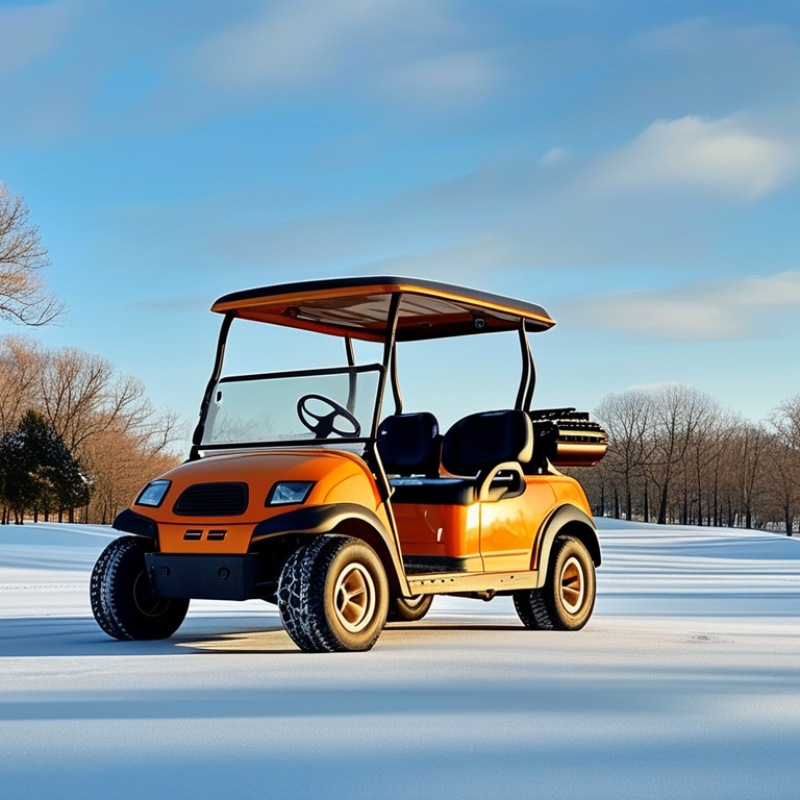
Maintaining your golf cart batteries during winter is crucial for their longevity and performance. Cold temperatures can significantly impact battery efficiency. Lithium and lead-acid batteries react differently to low temperatures. Keeping them charged helps prevent freezing. An uncharged battery can freeze and potentially burst. This risk is higher in extreme cold.
Regular checks are essential. Look for corrosion on battery terminals. Clean any buildup with a mixture of baking soda and water. Always ensure your batteries are well-filled with distilled water, especially lead-acid types. Low water levels can lead to premature battery failure. Over time, neglect can lead to irreversible damage.
Checking battery voltage is also beneficial. Use a voltmeter to monitor performance. Ideally, batteries should maintain a range of 12.4 to 12.6 volts. If they drop below this range, it’s time to take action. Not everyone knows this key detail, but it’s crucial for battery health. Winter can be tough, but a little effort can keep your batteries in top shape.
The ideal temperature for golf cart battery storage is crucial. Golf cart batteries perform best when kept in a temperature range of 32°F to 80°F (0°C to 27°C). Extreme cold can damage the battery's internal components. When temperatures drop, the battery's ability to hold a charge diminishes.
During winter, consider using insulated battery covers. This extra layer can help maintain the battery's temperature. If you keep the cart in a garage, ensure it's heated or well-insulated. Avoid placing batteries near drafty windows or doors. Cold drafts can create temperature fluctuations and lead to performance issues.
Regular maintenance is vital, too. Check electrolyte levels in lead-acid batteries. You want to ensure they are filled properly to prevent freezing. Also, clean any corrosion on terminals to enhance connectivity. An unexamined battery will likely suffer from slow discharges. Keep these factors in mind for a healthier battery this winter.
Winter can be tough on golf cart batteries. To keep them healthy, proper charging is essential. During the colder months, temperatures drop, slowing down chemical reactions inside the battery. This can lead to a loss of charge capacity and even battery damage. Make sure to check the battery voltage regularly. If it falls below a certain level, it may not hold a charge properly.
When charging, avoid overcharging the batteries. This means stopping the charge once they are full. Overcharging can cause heat, which damages the internal components. A smart charger can help manage this. If you can't use a smart charger, monitor the charge manually. Charge your batteries fully before storing your cart for the winter. A full charge helps prevent sulfation, a common issue in lead-acid batteries.
Avoid leaving the cart in freezing temperatures. If possible, store it in a climate-controlled area. If not, add insulation around the batteries to protect them. Neglecting these steps could lead to premature battery failure. Be aware that each battery type has its own requirements, so do your research. Each winter is a learning experience, so adjust your practices accordingly.
During the winter months, regular maintenance checks for your golf cart batteries are crucial. Cold temperatures can diminish battery performance. Inspect battery terminals for corrosion. Clean them with a wire brush if necessary. These simple actions can extend battery life significantly.
Next, monitor the fluid levels within each battery cell. Low levels may lead to damage. Adding distilled water helps maintain balance. However, do not overfill. Also, check for any signs of physical wear. Look for cracks in the casing. Small issues can escalate quickly if left unattended.
Additionally, consider charging your batteries more frequently in winter. Regular charging can prevent sulfation. This condition can hinder battery function. If your golf cart will not be in use for a while, ensure it remains on a charger. This will keep the batteries healthy. Keeping a log of checks can also be beneficial. It provides a clear history of maintenance efforts. Attention to these details will pay off when spring arrives.
This bar chart illustrates the health percentage of golf cart batteries throughout the winter months. It highlights the importance of regular maintenance and inspections, showing how battery health can fluctuate due to temperature changes and usage patterns.
During winter, golf cart batteries face unique challenges. Cold temperatures can reduce battery capacity significantly. According to a study by the Battery Council International, a lead-acid battery can lose up to 40% of its capacity at freezing temperatures. This can lead to performance issues. If your battery is struggling to hold a charge, it’s crucial to identify signs of failure.
Common indicators include a slow cranking sound when starting your cart or the battery refusing to hold a charge. If the battery temperature rises during charging or if you notice corrosion around the terminals, these could be signs of deeper issues. Regular check-ups can help you avoid these problems. The National Golf Cart Association suggests testing battery voltage every month during winter months.
When you notice these signs, consider seeking professional help. Ignoring potential battery failure can lead to more extensive repairs. A damaged battery may leak acid or even overheat, creating safety hazards. Annual maintenance checks by certified professionals can help identify problems early. Their expertise can save you money in the long run and ensure your batteries perform optimally even in winter conditions.
: The ideal temperature range is between 32°F and 80°F (0°C to 27°C).
Extreme cold can damage internal components and reduce the battery's ability to hold a charge.
Use insulated battery covers and avoid drafty areas for better temperature maintenance.
Regular checks are important to prevent freezing and maintain proper function.
Overcharging generates heat, potentially causing damage to the battery's internal components.
Cold temperatures can reduce performance; routine checks can help avoid significant issues.
Ensure batteries are fully charged before storage and charge them regularly.
Check for terminal corrosion, fluid levels, and any signs of physical wear like cracks.
Monitor performance regularly, clean terminals, and keep a maintenance log for tracking checks.
Yes, if possible, to avoid exposure to freezing temperatures that can harm the batteries.
Maintaining golf cart batteries during the winter months is crucial for their longevity and performance. How to maintain golf cart batteries in winter requires understanding the ideal temperature conditions for battery storage, as extreme cold can significantly affect battery efficiency. It is essential to charge the batteries properly, avoiding overcharging and ensuring they are fully charged before storage. Regular maintenance checks and inspections help identify any potential issues early on.
Additionally, being aware of the signs of battery failure is vital; symptoms like reduced performance or difficulty holding a charge indicate it may be time to seek professional help. By following these steps and focusing on proper care, you can ensure your golf cart batteries remain healthy throughout the winter, preparing them for the season ahead.

Tulip Cart