When navigating hilly terrains, golf cart owners often wonder, "Why does my golf cart lose power uphill?" This common issue frustrates many enthusiasts. According to Jim Thompson, a renowned expert in electric vehicles and golf carts, "Uphill struggles are often caused by battery fatigue and insufficient torque." His insights shed light on the reasons behind power loss.
It’s crucial to understand that your golf cart's performance can wane due to various factors. A worn-out battery can dramatically diminish power output. Moreover, the weight of occupants and cargo can push the cart beyond its limits. If not addressed, these challenges may lead to disappointing experiences on the course.
In addition, the terrain itself plays a significant role. Steeper inclines require greater energy, and if your cart isn’t equipped for those demands, you’ll face power issues. Understanding these elements can help you maintain optimal performance. For every uphill journey, consider how these factors impact your ride and reflect on potential solutions.
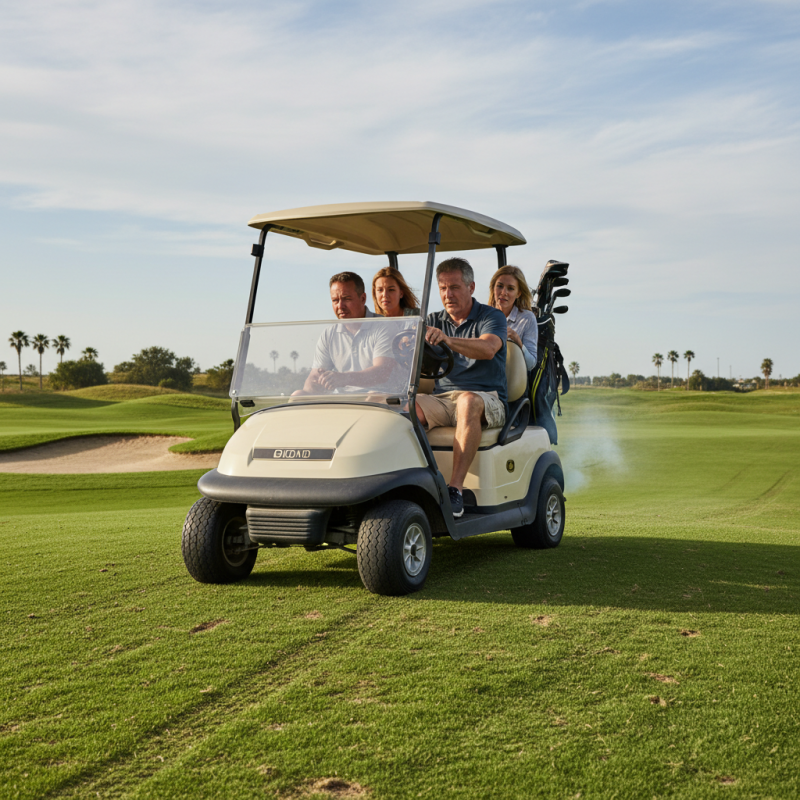
When driving a golf cart uphill, losing power can be frustrating. Several factors contribute to this common issue, mainly involving the battery and motor systems. A worn-out battery struggles to deliver the required voltage. If the battery cells are damaged, they can’t hold a charge. Regular maintenance checks can help identify these problems early.
Another crucial aspect is the motor's performance. A motor that is overheated may lose efficiency. This often happens when tackling steep inclines. Additionally, dirty or worn-out connections can create resistance in the electrical system. This can further diminish power, especially during uphill climbs. Regularly cleaning and inspecting connections is essential.
Finally, consider the weight load of the golf cart. Overloading can strain the motor and battery, leading to a noticeable power drop. Adjusting the cargo can significantly improve performance. Evaluating your golf cart regularly helps maintain its functionality. Each adjustment you make towards these issues can prevent future power loss when you need it most.
Golf carts provide a fun and efficient way to traverse hilly landscapes. However, many experience power loss when going uphill. One critical factor contributing to this issue is battery health and maintenance. Batteries significantly affect a cart's performance. According to the Electric Drive Transportation Association, about 30% of battery failures can be traced back to poor maintenance.
Regular inspection is essential. Check the battery's water levels, terminals, and connections. A corroded terminal can inhibit current flow. If the fluid levels are low, it leads to overheating and reduced power. Additionally, ensuring that the battery is fully charged before a trip is vital. A fully charged lead-acid battery operates at around 6 volts per cell. Undercharging can lead to a power deficit.
Consider the age of the battery too. A typical Golf cart battery lasts around 4-6 years. If yours is nearing the end of its lifespan, it may struggle uphill. Regular tests can determine battery capacity. If inconsistent power is felt, it might be wise to replace aging batteries. Staying proactive with battery maintenance can prevent frustrating power loss during those uphill climbs. Always remember, an ounce of prevention is worth a pound of cure.
| Reason | Description | Impact on Performance | Recommended Action |
|---|---|---|---|
| Weak Battery | Battery may be old or not charged adequately. | Reduced power output, especially under load. | Test/replace battery if necessary. |
| Corroded Connections | Corrosion can hinder electric flow. | Loss of power and battery inefficiency. | Clean connectors and terminals regularly. |
| Insufficient Tire Pressure | Under-inflated tires increase rolling resistance. | Higher power consumption and slower speeds. | Check and maintain proper tire pressure. |
| Motor Problems | Wear and tear can reduce motor efficiency. | Less power available for uphill travel. | Inspect and service motor components as needed. |
| Weight Load Issues | Exceeding weight limits can strain the cart. | Increased power requirement for uphill movement. | Reduce weight or choose a cart with higher capacity. |
When tackling hills, golf carts often struggle with power loss. One major factor is a malfunctioning motor. If the motor is not functioning optimally, it can't provide the necessary torque. This can happen due to worn-out brushes or a faulty winding. Regular maintenance can help identify issues before they escalate.
Another crucial aspect is the controller. This component regulates power delivery from the battery to the motor. If it malfunctions, the power sent to the motor can diminish significantly. Overheating or exposure to moisture can also lead to problems. Keeping the controller clean and dry is essential for reliable performance.
Lastly, check the connections. Loose or corroded wires can disrupt power flow, especially when climbing. Small issues may seem insignificant, but they can lead to significant power loss. Regular inspections and timely repairs can help enhance your cart's uphill performance.
The weight load of a golf cart plays a significant role in its power, especially when climbing hills. Research indicates that each added passenger or cargo can increase the cart’s overall weight. For example, a typical golf cart weighs around 1,000 pounds. Adding just one adult can elevate this to 1,400 pounds. This extra weight can drastically reduce power output when climbing.
When electromagnetic and mechanical forces meet the added load, energy efficiency drops. A study shows that a golf cart can lose up to 30% of its power when fully loaded. This occurs due to the strain on the electric motor and battery. The battery's voltage drops under heavy loads, leading to a sluggish performance. While carts may handle flat terrains well, the situation shifts dramatically uphill.
It’s essential to monitor weight distribution too. Uneven loading can cause dragging, which further diminishes power. Riders often overlook how weight shifts during travel. This imbalance can lead to overheating components, resulting in even more power loss. Understanding these aspects can help users better manage their carts and their performance on inclines.
Golf carts face unique challenges when navigating uphill terrains. The incline places additional strain on the vehicle's motor and battery. A study shows that uphill slopes can decrease golf cart efficiency by as much as 30%. This power deficiency is often exacerbated by poor battery health and inadequate weight distribution.
When tackling steep hills, battery capacity plays a crucial role. A fully charged battery typically provides sufficient power. However, as the charge level drops, performance diminishes. Research indicates that maintaining battery health is essential for optimal uphill performance. Regular checks can reveal potential issues affecting power delivery.
**Tip: Limit the weight in your golf cart.** Extra weight increases the power required for climbing. Removing unnecessary items can enhance performance. Additionally, consider investing in a higher quality battery suited for hilly terrains. The right battery can make a significant difference.
Environmental factors also come into play. Loose gravel or wet grass can hinder traction, affecting your climb. A study highlights that terrain with poor grip can further reduce your uphill capabilities. Thus, keep an eye on the surface conditions to improve your cart’s power.
: Power loss is mainly due to battery health, motor malfunctions, and terrain challenges.
Battery maintenance is crucial. Poor maintenance accounts for 30% of battery failures.
Inspect water levels, terminals, and connections regularly to ensure optimal performance.
A battery typically lasts 4-6 years. Inconsistent power might indicate it's time for a replacement.
The motor provides torque. If faulty, it can't deliver the necessary power for uphill climbs.
Moisture can damage the controller. Wet terrain can reduce traction and increase power demands.
Perform regular inspections and repairs. Evaluate battery health and motor condition.
Yes, extra weight increases power demands. Limiting unnecessary items can improve performance.
A fully charged battery performs well. As the charge decreases, so does power.
Regular maintenance, keeping connections clean, and ensuring proper battery health are key.
Golf carts are essential for many outdoor activities, but many users face the frustrating question, "Why does my golf cart lose power uphill?" Several common factors can contribute to this issue. Firstly, battery health and maintenance play a crucial role; old or poorly maintained batteries may struggle to supply adequate power when navigating inclines. Additionally, problems with the motor or controller can lead to reduced performance, making it difficult for the cart to effectively climb steep slopes.
Furthermore, the weight load of passengers and equipment can significantly impact a golf cart's power capability. Overloading the cart can cause strain on the motor, leading to power loss. Lastly, the terrain and the steepness of the slope can present challenges that exceed the cart's designed capabilities, further exacerbating the problem. Understanding these factors can help cart owners troubleshoot power loss issues effectively.

Tulip Cart