If you’ve ever wondered, "Why is my golf cart jerky when accelerating?" you’re not alone. Many golf cart enthusiasts face this issue. According to expert mechanic James Parker, “A jerky acceleration can often be traced back to simple maintenance problems.” Understanding the causes can save time and money.
Common reasons include worn-out batteries, faulty controllers, or even issues with the acceleration pedal. Observing how your golf cart responds when you press the pedal can provide clues. For instance, does it hesitate before moving? Are there any unusual sounds? These details matter.
Regular maintenance is key. Skipping routine checks can lead to bigger issues later. When your cart jerks, it’s a sign that something needs attention. Ignoring it might worsen the problem. Keeping an eye on your cart’s performance ensures a smooth ride on the course. Understanding these factors will help you enjoy your rounds without unexpected jolts.
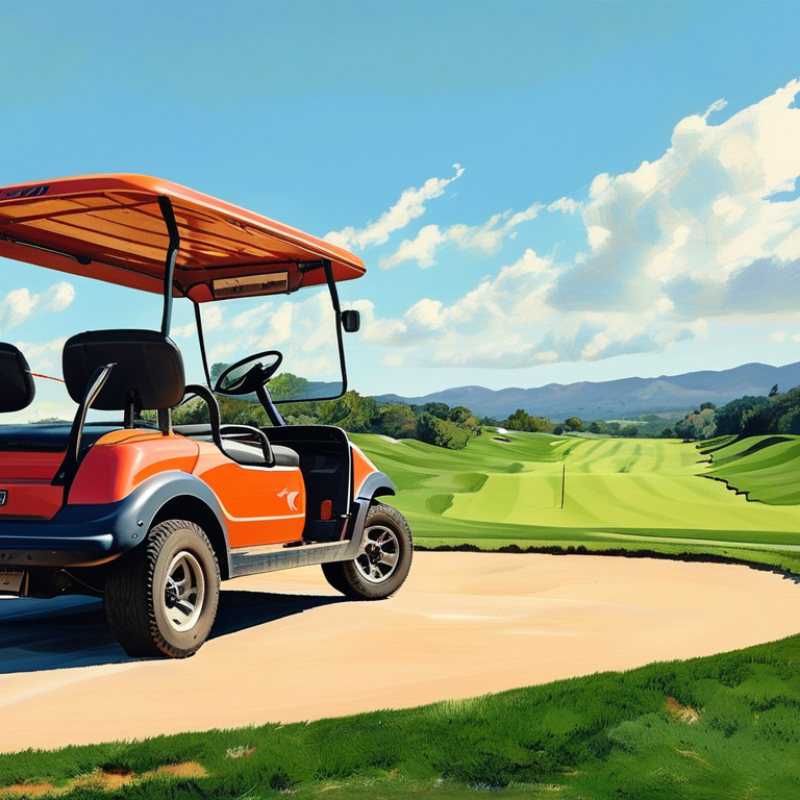
Golf carts can be a fun and efficient way to get around, but when they jerk during acceleration, it’s a major annoyance. One common reason is a malfunctioning throttle. If the throttle sensor is failing, it may send inconsistent signals to the engine. This can cause abrupt starts and stops. Regularly checking the throttle mechanism can prevent this issue.
Another potential cause is worn-out drive belts. If the belts are frayed or loose, they can't transmit power smoothly. This leads to jerky movements when increasing speed. Inspecting the drive belts frequently can help catch any signs of wear before they cause problems.
Lastly, battery issues can play a role in this jerky behavior. If the battery is weak or not charging properly, it may struggle to provide enough power during acceleration. This inconsistency can manifest as jerking. Keeping the battery connections clean and ensuring the battery is in good condition are key steps to take. Addressing these common causes can improve the performance of your golf cart significantly.
The golf cart motor plays a crucial role in ensuring smooth acceleration. A poorly functioning motor can lead to jerky movements. According to a report from the Electric Vehicle Association, around 70% of golf cart performance issues stem from motor problems. Regular maintenance can help prevent these issues.
When the motor experiences wear and tear, it affects torque delivery. This inconsistency may cause the cart to jerk when accelerating. Studies show that maintaining optimal motor speed is essential for steady operation. If a cart's motor speed fluctuates, it can lead to uncomfortable rides.
Understanding the motor's electrical connections is equally important. Loose or damaged wiring can disrupt power flow. This disruption often results in unexpected jolts during acceleration. A comprehensive analysis of motor health reveals that even minor electrical faults can cause significant performance declines. Regular checks can mitigate risks and enhance the driving experience.
Battery condition plays a crucial role in the performance of golf carts. A well-maintained battery enhances acceleration, providing a smooth and responsive ride. According to industry reports, over 30% of golf cart issues stem from battery-related problems. Poor battery health can lead to jerky movements during acceleration, significantly affecting user experience.
When a battery is not functioning optimally, it can struggle to deliver consistent power. This inconsistency creates uneven acceleration, causing the cart to jerk rather than move fluidly. Regular check-ups and maintenance are essential. Many users overlook the importance of battery terminals and connections. Corroded terminals can impede power flow, worsening performance.
An astonishing 25% of golf cart owners do not conduct routine battery checks. This neglect can result in premature battery failure. Recognizing the signs of battery fatigue is vital. Weak acceleration and sudden stops indicate a need for immediate attention. Understanding battery health not only improves performance but also prolongs the life of the golf cart. Regular maintenance will lead to a better golfing experience and safer rides on the course.
Tire pressure plays a crucial role in golf cart performance, especially during acceleration. According to the Tire Industry Association, the ideal tire pressure for most golf carts typically ranges from 12 to 14 psi. Maintaining this pressure ensures optimal contact with the ground, which is vital for stability. Insufficient pressure causes tires to flex excessively, leading to a jerky feel when you accelerate. The cart may struggle to maintain traction, resulting in inconsistent speed and performance.
Research indicates that improper tire pressure can decrease fuel efficiency by up to 20%. This reduction in efficiency directly affects acceleration stability, making the cart feel unresponsive. In addition, under-inflated tires can generate excess heat, which may damage the tires over time. Regularly checking and adjusting tire pressure is essential. Many golfers overlook this routine task, but it has significant implications for overall driving experience, safety, and longevity of the cart.
Conversely, over-inflated tires also pose a problem. They can create a harsh ride and increase the risk of blowouts. A pressure level above 14 psi may lead to decreased traction, especially on uneven surfaces. This situation increases the chances of losing control during rapid acceleration. Therefore, keeping tire pressure within the recommended range is crucial for a smooth ride and effective performance. Simple maintenance can prevent many issues related to acceleration jerks.
This chart demonstrates the top 10 reasons why a golf cart may jerk when accelerating, rated by their impact level on a scale of 1 to 10. Low tire pressure and worn out tires show the highest impact, highlighting the importance of maintaining appropriate tire conditions for smooth acceleration.
When dealing with a golf cart that jerks during acceleration, regular maintenance becomes crucial. One common issue is the condition of the batteries. Ensure they are fully charged and free of corrosion. Dirty connections can lead to power loss. Check the cables and terminals for any signs of wear or dirt. Clean them as needed to avoid jolting during operation.
Another area to focus on is the drive system. Inspect the belts and pulleys for wear. A frayed belt can cause instability while driving. If you notice any irregularities, replace the components promptly. Lubrication is important, too. Regularly oil moving parts to reduce friction and improve performance. Neglected joints may lead to unexpected jerks, reflecting carelessness in maintenance.
Lastly, examine the tires regularly. Proper inflation is vital. Under-inflated tires lead to poor traction and a bumpy ride. Uneven wear can signify misalignment or balancing issues. Consider rotating the tires based on the usage to ensure even wear. A consistent maintenance routine will keep your golf cart’s performance smooth and reliable.
: Jerky movements often result from motor problems and poor battery health.
A malfunctioning motor can cause inconsistent torque delivery, leading to jerky acceleration.
Good battery condition enhances acceleration and is vital for smooth operation during rides.
Regular checks are crucial for battery health. Neglecting this can lead to performance issues.
Yes, dirty or corroded connections can disrupt power flow and cause jerky movements.
You should check belts and pulleys for wear and lubricate moving parts to ensure smooth operation.
Regularly check tire inflation and rotate them to prevent uneven wear and maintain traction.
Regular maintenance can prevent performance declines and ensure a smooth, enjoyable ride.
Weak acceleration, sudden stops, and difficulty in maintaining speed indicate battery fatigue.
Yes, many owners overlook routine checks, risking premature wear and unexpected jerking.
If you're wondering, "Why is my golf cart jerky when accelerating?", it’s important to understand the common causes behind this issue. Factors such as a faulty motor, poor battery condition, and improper tire pressure can contribute to jerky acceleration. The golf cart motor plays a crucial role in ensuring smooth operation; any malfunction here can directly affect performance. Additionally, a weak or failing battery may not provide the necessary power for a steady acceleration.
Moreover, maintaining the proper tire pressure is essential as it ensures stability during acceleration. Regular maintenance checks can significantly reduce the likelihood of jerking, making your golf cart rides more enjoyable and consistent. By addressing these factors, you can enhance your golf cart's overall performance and enjoy a smoother driving experience.

Tulip Cart