Top 10 Tips on How to Choose the Right Golf Cart Enclosure

Time:2026-09-26 Author:Sienna
0%

A golf cart enclosure can make a cool, windy ride more comfortable, but the wrong fit may flap, block visibility, or frustrate passengers. How to choose the right golf cart enclosure depends on your cart model, local weather, and how you use the vehicle. A course regular may value quick entry and clear side panels. Someone storing a cart outdoors may care more about weather-resistant fabric and secure closures. Fit matters.

Start by checking the enclosure’s compatibility with your cart’s make, model, roof, and windshield. Measure carefully if the manufacturer recommends it; “universal” does not always mean truly universal. Look at the material, seams, windows, zippers, and attachment points. These details face repeated wind, rain, dust, and handling. Clear panels should give you a useful view without excessive glare, while doors or roll-up sections should be manageable from the seat.

Think about installation, too. A cover that takes too long to put on may stay in storage when the weather changes. Check cleaning instructions, replacement-part availability, and the warranty terms before buying. Small details count. A product description cannot tell you how every enclosure will perform on your route, and fit can vary even between similar carts. That is worth remembering. Compare the maker’s fit guide with your actual cart, then read recent owner feedback for practical issues such as loose straps or awkward access. The best choice is not necessarily the most expensive; it is the one that fits securely, suits your conditions, and remains usable after the novelty wears off.
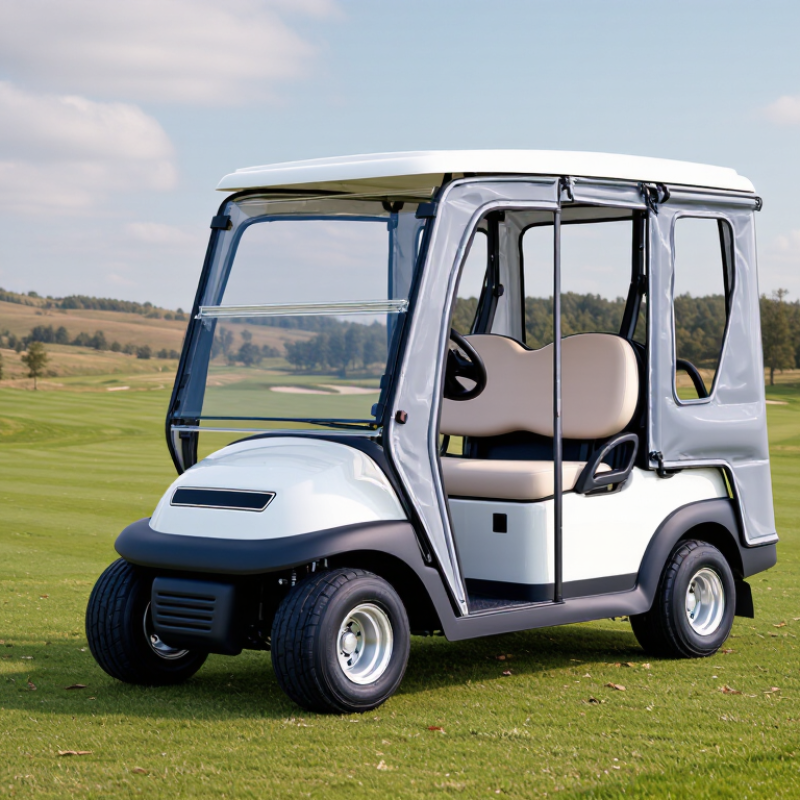
Top 10 Tips on How to Choose the Right Golf Cart Enclosure

Identify Your Golf Cart Model and Measure Its Dimensions

Before choosing an enclosure, identify your golf cart’s exact model, year, and seating layout. Similar-looking carts can have different roof lengths, windshield shapes, and rear-seat supports. Check the model plate or owner’s manual if available. Don’t rely on color or body style. Small differences matter.

Measure the cart itself, not a photo or an estimated size. Park it on level ground, then record its overall length and width. Measure from the windshield to the rear edge of the roof, and note the roof height from the ground. Include any rear seat, cargo box, or other attachment. Use a tape measure and write every number down. Keep units consistent. Inches are often easiest.

Also note whether the windshield folds and whether mirrors extend beyond the body. Those details can affect how an enclosure sits and fastens. Compare your measurements with the enclosure’s fit information, and check which cart configuration it covers. I wouldn’t trust one quick measurement; a roof lip is easy to miss. A rear-facing seat can change the fit, too. If a number seems uncertain, measure again before choosing a size rather than assuming it will be close enough.

Top 10 Tips on How to Choose the Right Golf Cart Enclosure

Tip 1: Identify Your Golf Cart Model and Measure Its Dimensions

These approximate reference measurements are in inches. Cart dimensions vary by model and configuration, so measure your cart’s overall length, width, and canopy height before choosing an enclosure. Check the enclosure’s fit specifications against those measurements.

Match Enclosure Coverage to Your Climate and Driving Needs

Choose enclosure coverage by matching your usual routes to local weather, not by choosing the largest option. NOAA’s 1991–2020 U.S. Climate Normals report provides monthly temperature and precipitation averages for individual stations. Check the station nearest your course or property, then compare wet and cold months with your driving calendar. That local detail matters. A partial enclosure may suit short, fair-weather trips, while frequent wind-driven rain calls for broader side and front coverage. On a chilly morning, gaps near the ankles can make even a sheltered ride uncomfortable.

Sun protection needs separate attention. The U.S. Environmental Protection Agency’s UV Index scale rates 6–7 as high and 8 or above as very high. Clear enclosure panels should not be assumed to block harmful UV; check documented UV ratings, and use shade or sun-protective clothing when needed. Full coverage can help keep rain and wind off passengers, but it may reduce airflow or fog up during damp weather. Check visibility through panels from the driver’s seat, especially around turns. A small test drive can reveal awkward glare or flapping edges. It is easy to overbuy coverage, too. Consider how often you actually drive in bad weather, and whether panels can be opened or removed when conditions change.

Compare Materials, Visibility, and Weather Protection

Choosing a golf cart enclosure means balancing material, visibility, and the weather you actually face. Vinyl-coated fabric is often easy to wipe clean and blocks wind well, but it can feel warm on mild days. Canvas may breathe better, though its protection depends on the coating and construction. Clear panels preserve the view, especially at intersections or on narrow paths. But plastic can scratch or fog. Visibility matters.

Tip: Compare panel thickness, seams, and attachment points, not just the fabric label. Sit in the cart and look through each window from the driver’s seat. Check it twice. Make sure the front panel does not create distracting glare, and confirm that doors open without catching on the frame. A small viewing gap can matter more than a stylish shape.

For frequent rain, look for overlapping seams, secure lower edges, and panels that close snugly around the cart. In colder, windy conditions, full coverage helps, but ventilation still matters to reduce trapped moisture and fogging. One easy detail to miss is how the enclosure stores when removed; bulky panels can crease if folded carelessly. Match protection to your routine, and inspect zippers and fasteners before the first wet outing.

Evaluate Fit, Installation, and Everyday Accessibility

Fit starts with the cart, not the product label.
Measure the roof edge, windshield, support bars, mirrors, and seat back. Compare those measurements with the enclosure’s stated fit range. The National Golf Foundation’s 2024 participation report counted 26.6 million U.S. on-course golfers in 2023. That large user base includes many cart setups, so check your exact model and configuration rather than relying on a general size description.

Tip: Test the fit before your first long ride. Check that panels reach the lower body without dragging, and that fasteners attach to solid points. Leave enough clearance for the windshield to fold, if applicable. A snug fit matters, but overly tight fabric can strain seams. Small detail. Take photos of attachment points before installation; they can help when reinstalling the enclosure later.

Tip: Practice getting in and out with the doors zipped. Can you reach the pull tabs from the seat? Do panels block mirrors or make it awkward to step down? Check access with gloves on, too. A five-minute trial in the driveway may reveal a problem that feels obvious only after a rainy round. Fit and access can still be a compromise. Decide which matters most for your regular routes and weather.

Review Safety, Maintenance, and Overall Value

A golf cart enclosure should protect occupants without hiding hazards. Check that clear panels preserve a wide view at intersections, and that doors open easily from inside. The U.S. Consumer Product Safety Commission’s 2017–2021 NEISS-based report estimated 156,040 emergency-department-treated golf-cart injuries. That figure covers many injury types; it does not show that enclosures prevent crashes. Still, it makes visibility, secure attachment, and easy exit sensible checks. Small details matter. Sit in the cart and test them before buying.

Maintenance affects safety and value over time. Look for reinforced seams, sturdy fasteners, and panels that can be replaced individually. After wet use, wipe the material and let it dry fully; trapped moisture can cloud windows or encourage mildew. Inspect attachment points for looseness, especially after bumpy routes. I would not assume a tight fit means a safe fit; ask how the enclosure behaves in wind and whether it interferes with mirrors, lights, or controls. Compare the purchase price with replacement-panel costs, storage needs, and stated warranty coverage. A cheaper enclosure may cost more if its windows scratch quickly or its zippers fail midseason. Conversely, paying extra is not automatically better. Check the details.

Top 10 Tips on How to Choose the Right Golf Cart Enclosure - Review Safety, Maintenance, and Overall Value

# Tip What to Check Safety Consideration Maintenance and Value
1 Confirm cart compatibility Match the enclosure to the cart’s make, model, roof design, seating configuration, and any windshield or rear-seat accessories. Measure the cart if fit details are unclear. A poor fit can obstruct controls or the driver’s view and may come loose while the cart is moving. A correctly fitted enclosure is less likely to rub, sag, or need replacement due to fit problems.
2 Prioritize clear visibility Look for clear panels that provide a useful forward and side view, with seams and fasteners positioned outside the main sightline where possible. Check visibility in daylight and low light. Clean, unobstructed panels help the driver see people, vehicles, and obstacles. Panels that are easy to clean and replace individually can be more economical than replacing the whole enclosure.
3 Check ventilation and access Review how doors, windows, and vents open, and whether occupants can enter and exit without awkward movement. Ventilation can help reduce heat and condensation. Doors and openings should not interfere with steering, pedals, or safe entry and exit. Simple openings and sturdy closures are generally easier to inspect and maintain.
4 Choose materials for your climate Compare fabric and panel construction, water resistance, UV protection information, and the care instructions for the materials. A weather enclosure can reduce exposure to wind and rain, but it is not a substitute for appropriate clothing or safe driving conditions. Choose materials suited to the expected sun, rain, and temperature. Follow care instructions to limit premature fading, cracking, or mildew.
5 Inspect attachment points Check the number and placement of straps, snaps, zippers, or other fasteners, and confirm they are designed for the cart’s frame and roof. Secure attachment helps prevent loose panels from distracting the driver or catching on nearby objects. Fasteners that can be checked and replaced individually may extend the enclosure’s useful life.
6 Make installation manageable Review the installation instructions, required tools, and whether the enclosure is intended for seasonal removal or frequent use. Install it according to the instructions and make sure it does not block lights, mirrors, controls, or the driver’s view. An installation process suited to your routine makes it easier to remove, clean, or store the enclosure properly.
7 Check cleaning and storage needs Look for clear cleaning instructions, recommended cleaning products, and guidance for drying and folding the enclosure. Clean panels help preserve visibility. Letting a wet enclosure dry before storage can help discourage mildew. Consider whether you have a dry storage space and whether the enclosure can be stored without sharply creasing its panels.
8 Verify seat-belt and restraint access If the cart has seat belts or other restraints, confirm the enclosure allows them to be used as intended and does not cover or trap their hardware. An enclosure is not a seat belt, rollover structure, or crash-protection system. Follow the cart’s manual and applicable safety rules. Checking restraint access before purchase can avoid costly modifications or an unsuitable fit.
9 Compare repair options and warranty terms Read what the warranty covers, how long coverage lasts, and whether replacement panels, zippers, or fasteners are available. A warranty does not replace regular inspection. Check for torn seams, loose attachments, and clouded or damaged panels before use. Compare the total cost of purchase, care, and likely repairs—not just the initial price.
10 Assess overall value for your use Consider how often you drive in poor weather, who uses the cart, how quickly the enclosure can be opened, and where it will be stored. Drive at a safe speed for the conditions and stop if visibility, traction, or wind makes travel unsafe. The best value is a suitable, maintainable enclosure that meets your actual needs—not necessarily the least expensive option.

FAQS

How should I choose enclosure coverage?

Compare your usual driving months with local temperature and rainfall patterns. Nearby weather can differ.

When is partial coverage enough?

It may suit short trips in mild weather. Think about how often you actually drive in rain or wind.

What does fuller coverage help with?

It can reduce wind and rain reaching passengers. But it may limit airflow or fog in damp weather.

Do clear panels provide sun protection?

Not necessarily. Check documented UV ratings, and consider shade or sun-protective clothing on bright days.

What should I measure before buying?

Measure the roof edge, windshield, support bars, mirrors, and seat back. Compare them with the stated fit range.

How can I check installation and access?

Test the enclosure before a long ride. Try the zippers with gloves on, and make sure panels do not block mirrors.

How do I avoid fit problems?

Check that panels reach the lower body without dragging. Fasten them to solid points, but avoid pulling fabric too tight.

Is a short test drive useful?

Yes. Look for glare, flapping edges, and poor visibility around turns. Small details matter. Even careful testing may miss something.

Conclusion

Choosing the right golf cart enclosure starts with identifying your cart’s make, model, and dimensions so the enclosure fits securely without obstructing controls or movement. Consider the climate and how you use the cart: a full enclosure may suit frequent travel in rain, wind, or cold, while a lighter option may be more practical in mild conditions. Compare materials for durability, visibility, ventilation, and weather protection, paying attention to clear panels and sturdy construction.

When deciding How to choose the right golf cart enclosure, also assess how easily it installs and whether doors, windows, and access points work well for everyday use. A good fit should allow comfortable entry and exit while staying in place during trips. Finally, review care requirements, safety considerations, and overall value. Balancing reliable protection, convenient access, and long-term upkeep will help you choose an enclosure that matches both your cart and your routine.

Sienna

Sienna

Sienna is a skilled marketing professional with a deep expertise in our company’s core products and services. With a passion for innovation and detail, she plays a pivotal role in crafting insightful blog posts that not only highlight the unique features of our offerings but also provide valuable......