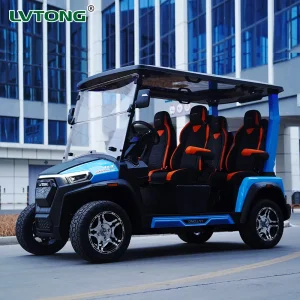
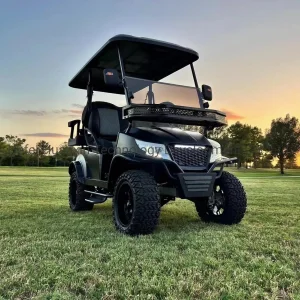
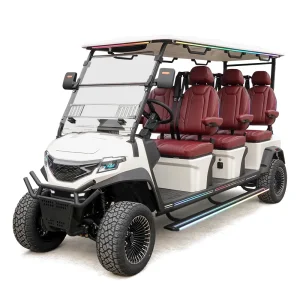
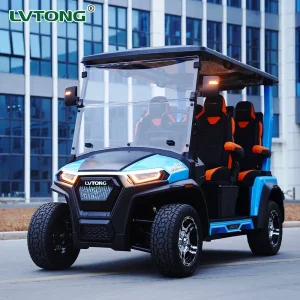
As East Africa undergoes structured transitions toward sustainable infrastructure, low-speed electric vehicles (LSVs) have emerged as highly efficient transport alternatives. In Eritrea, a country characterized by distinct ecological and altitude variations—ranging from the temperate mountain plateau of Asmara (~2,325 meters above sea level) to the intense, humid seaside conditions of Massawa—adapting vehicle specifications is essential.
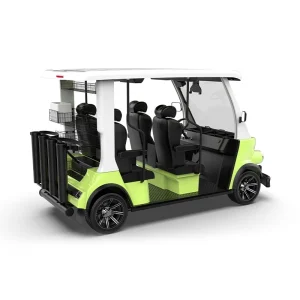
Standard electric vehicles designed for domestic turf courses often fail under local conditions due to atmospheric thermal throttling, high dust levels, and ocean-induced salinization. By utilizing custom lithium iron phosphate (LiFePO4) chemistries, enhanced active liquid cooling systems, and specialized chassis protection, Yangzhou Tulip Cart Co., Ltd. delivers heavy-duty 4-seater and multi-passenger vehicles tailored to perform reliably across all regions of Eritrea.
Our solutions directly support the key transport corridors in Eritrea:
We are a premier global manufacturer of low-speed new energy vehicles. Through continuous research and development, we specialize in high-torque drivetrains, high-voltage battery modules, and customized body configurations.
All production models adhere to international standards, including ISO9001 and National CCC safety certifications, ensuring durable performance under demanding conditions.
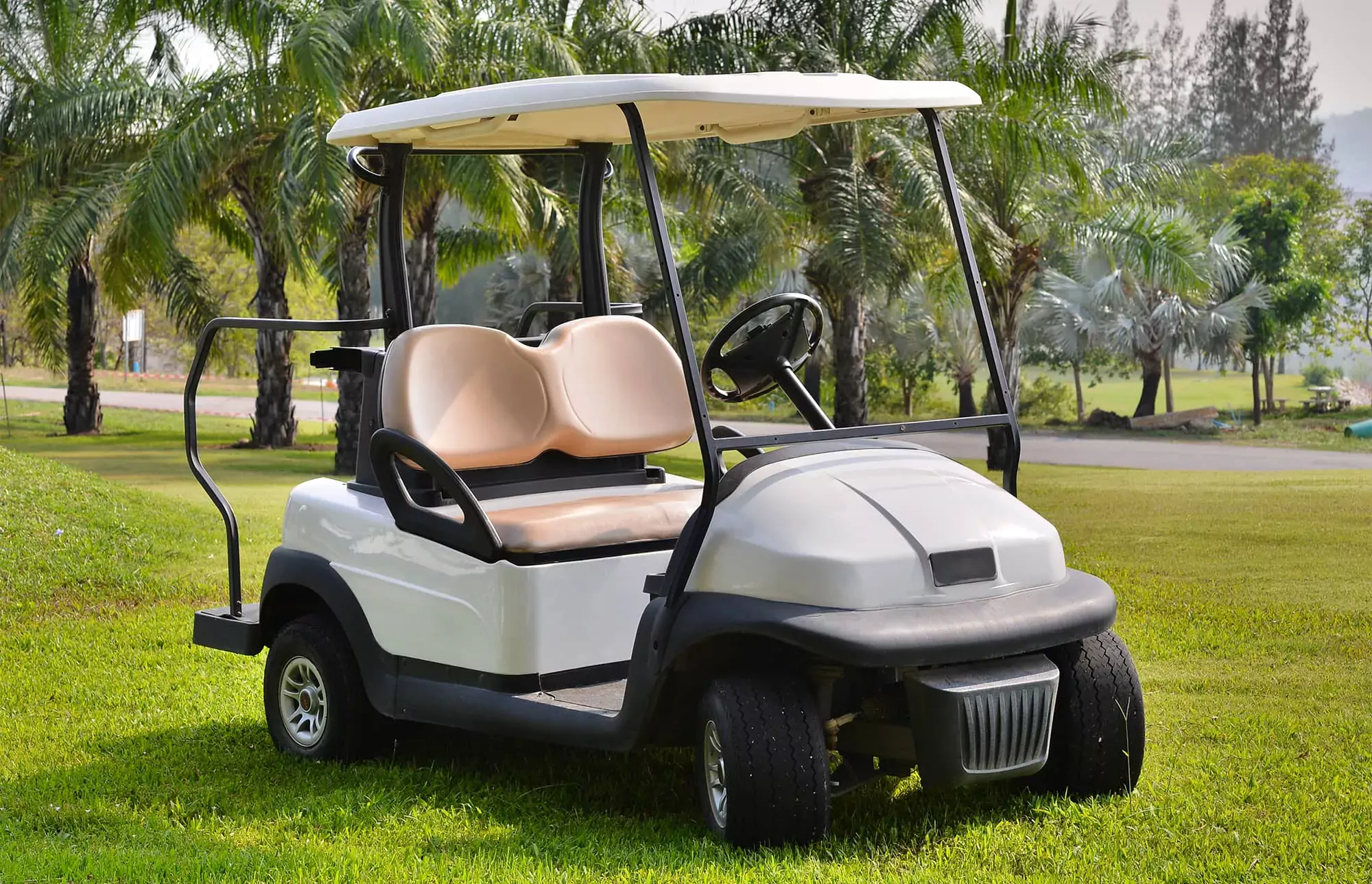
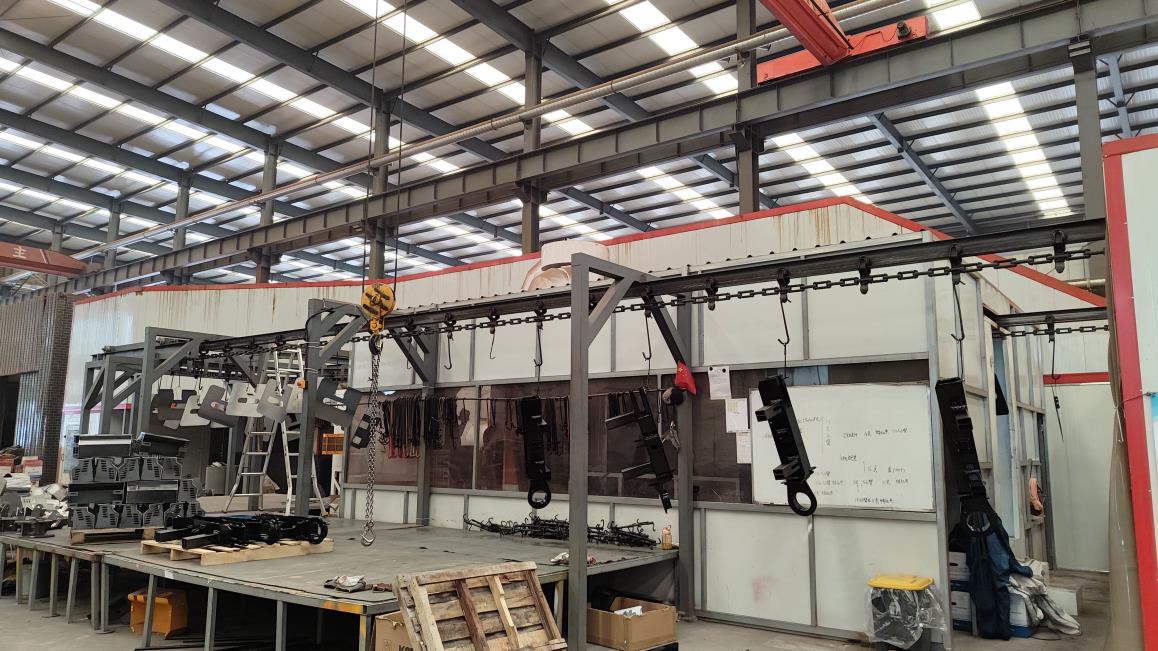
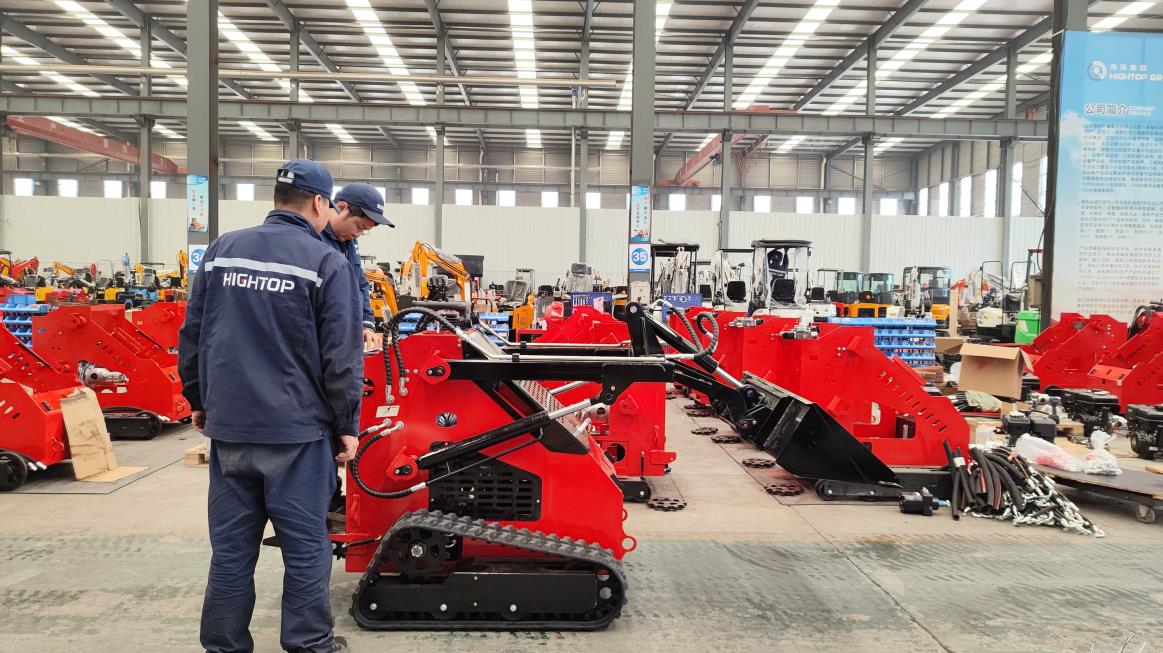
Every vehicle undergoes a standardized, high-precision assembly and testing cycle. Our automated processes ensure structural integrity, rust protection, and electrical safety before dispatch.
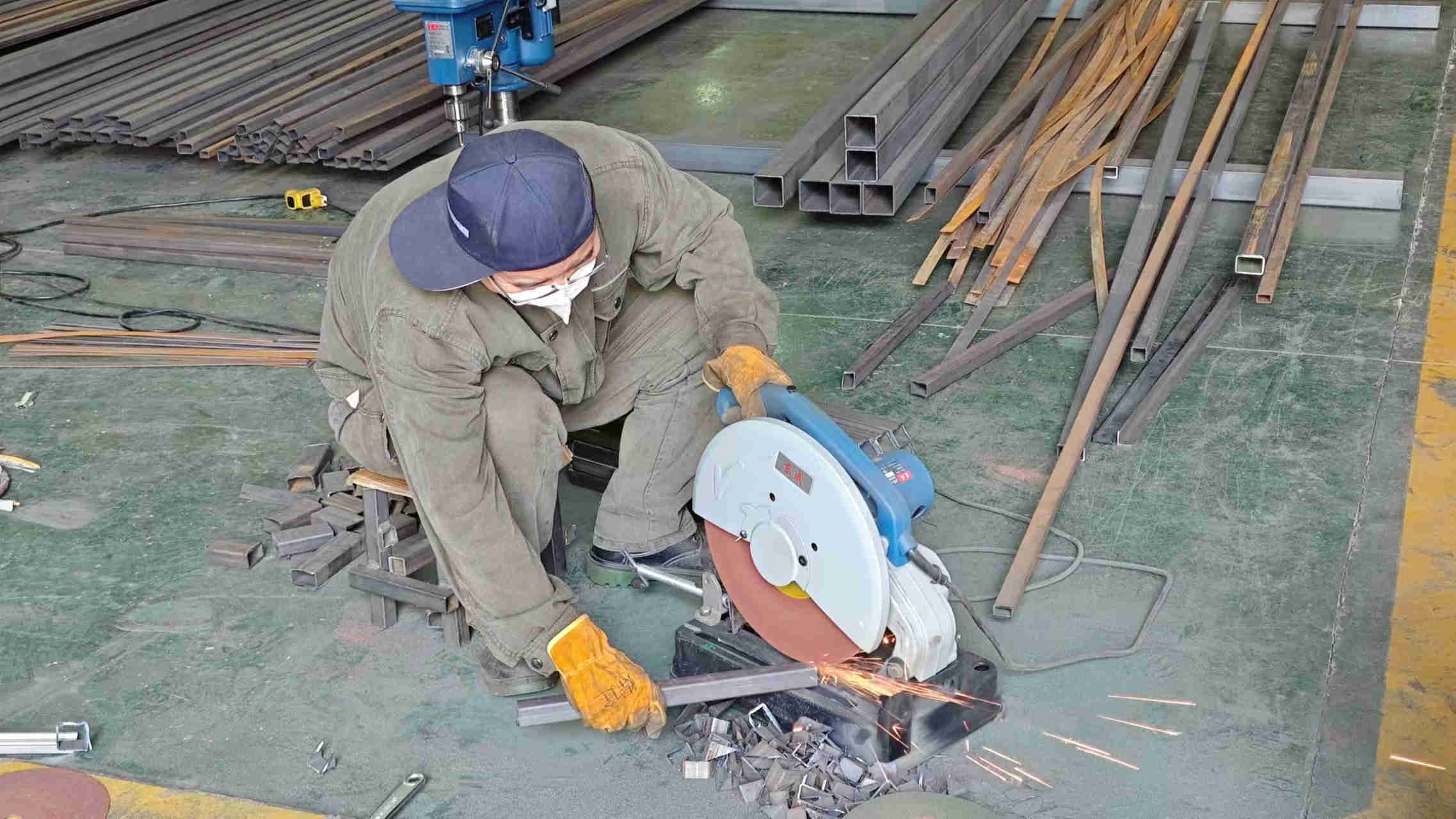
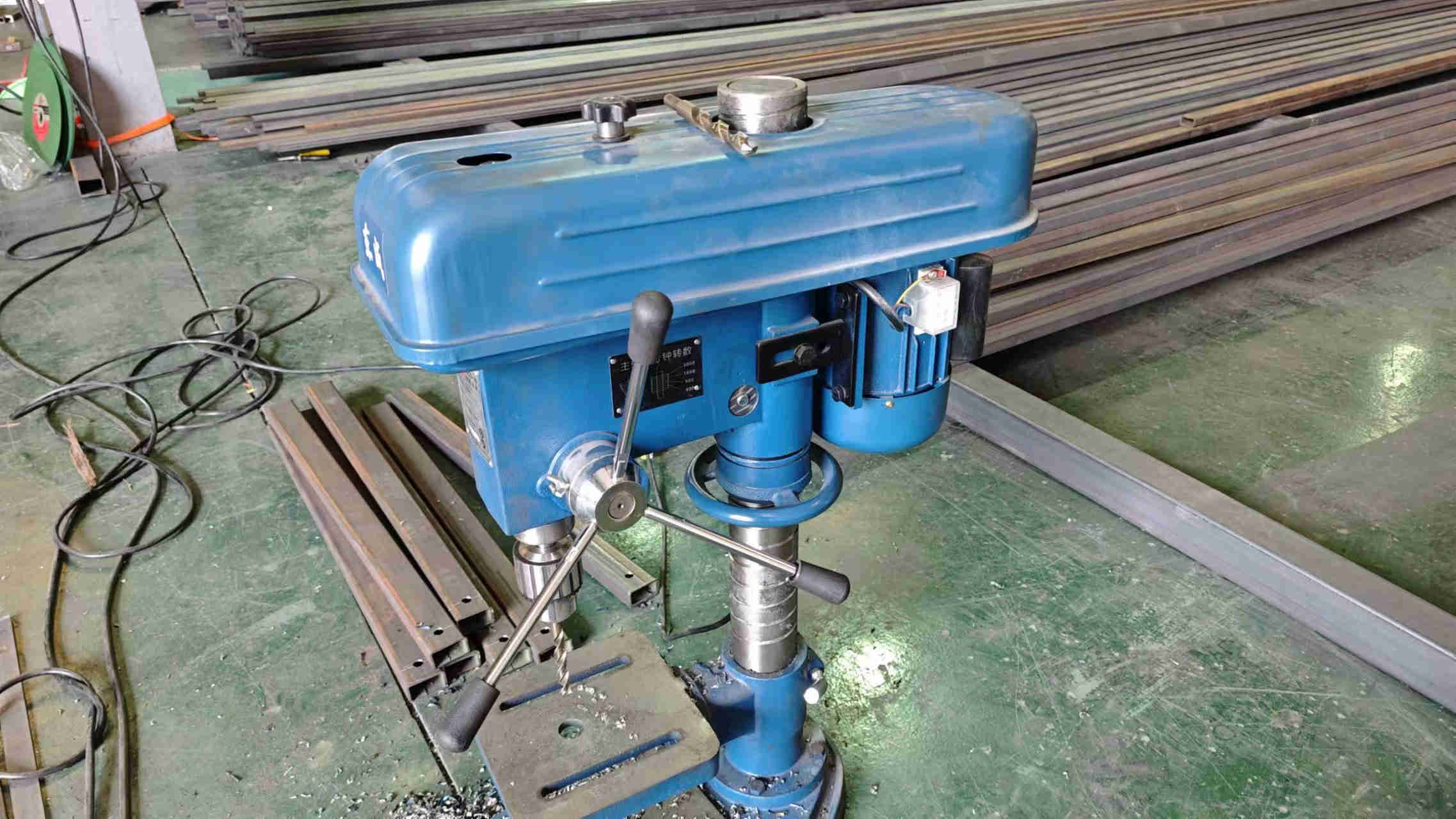
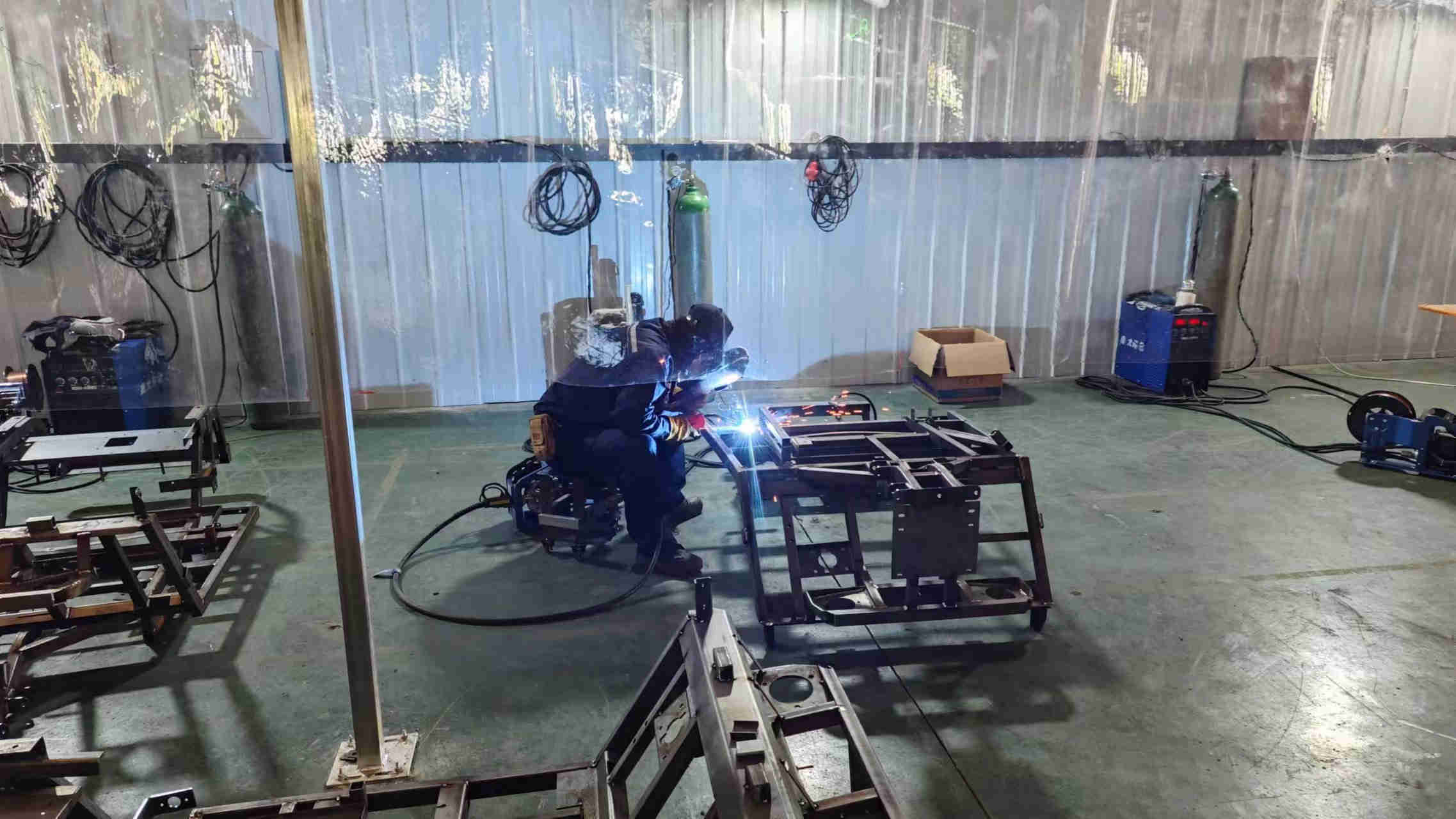
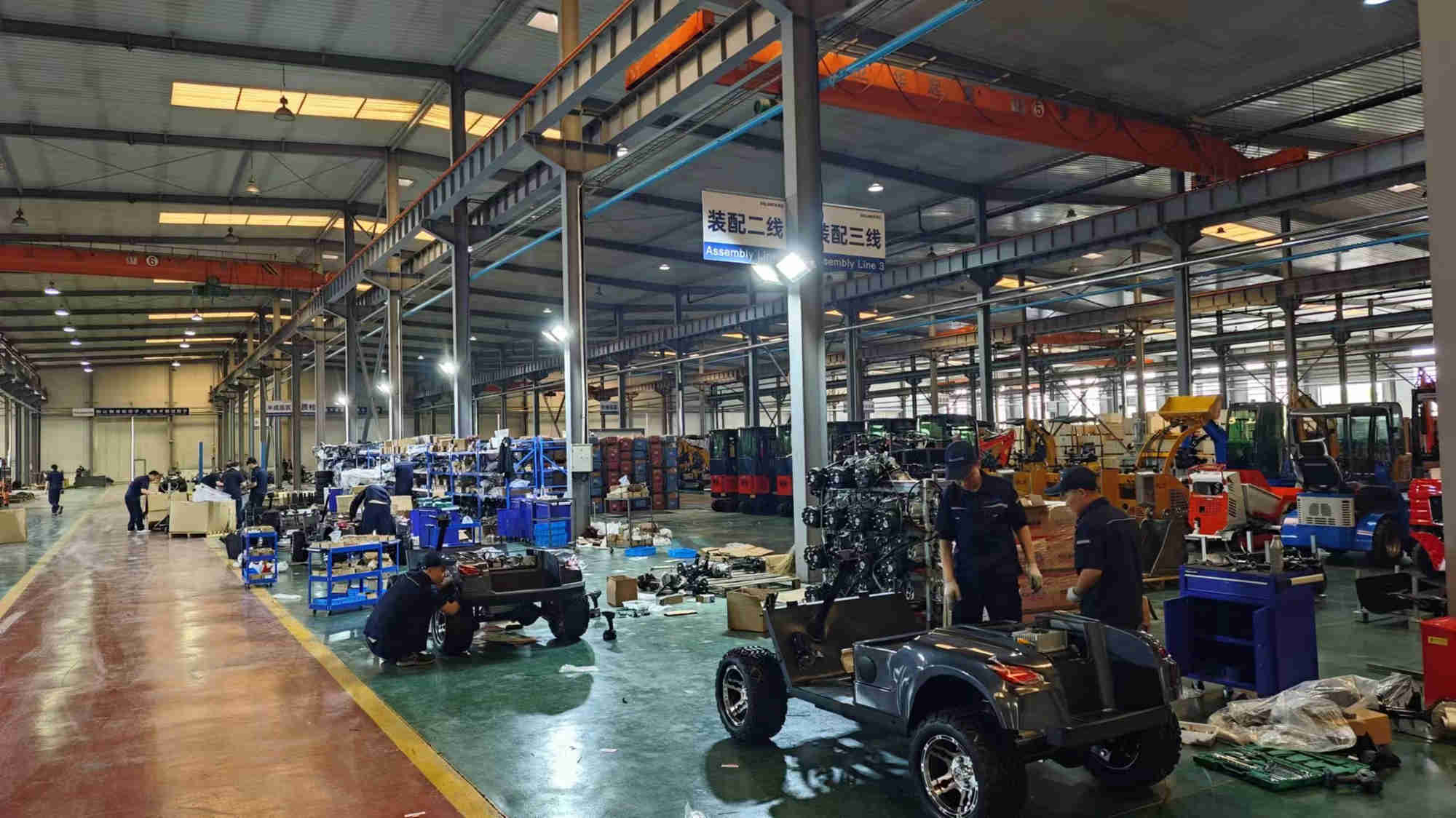
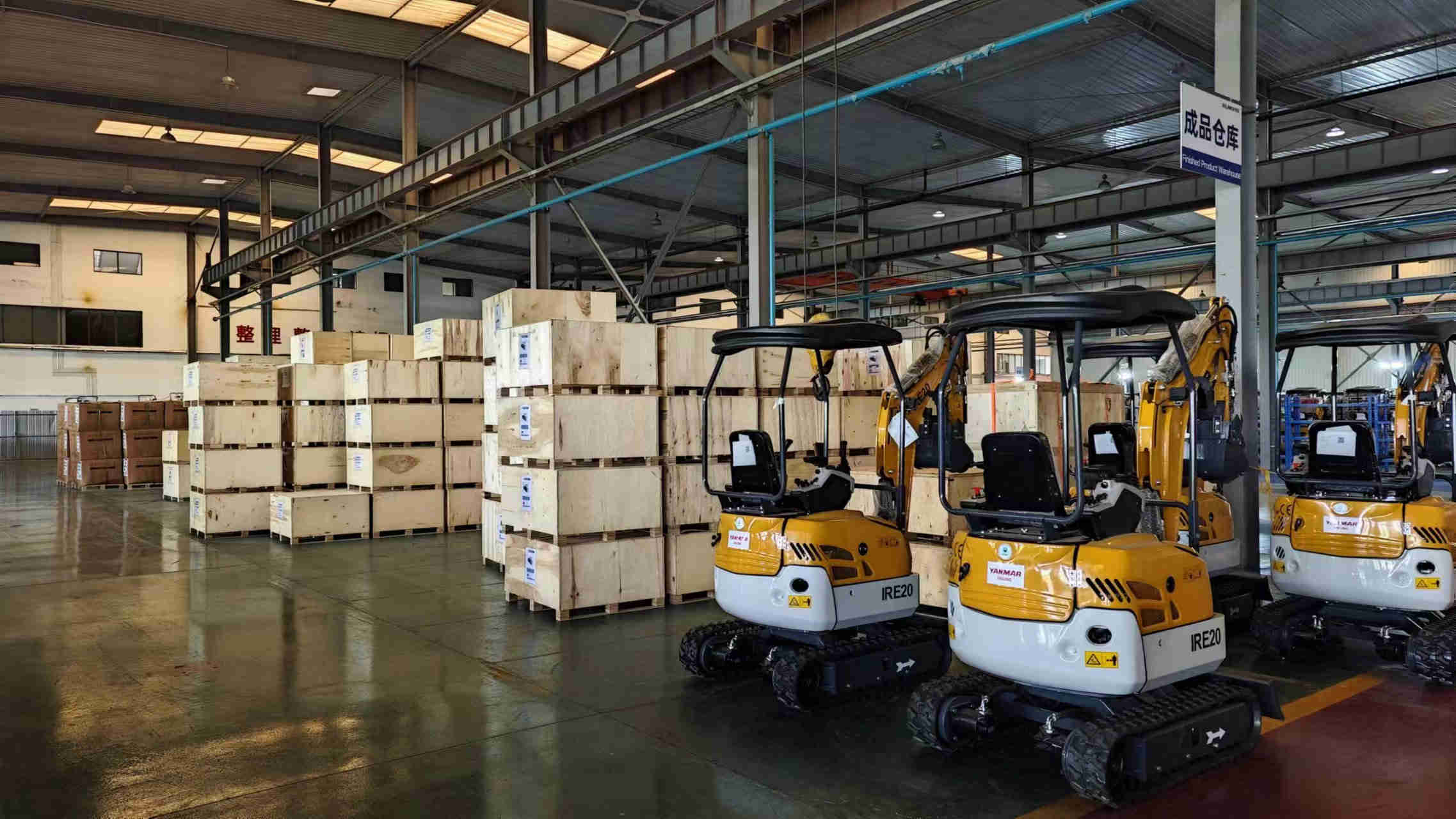
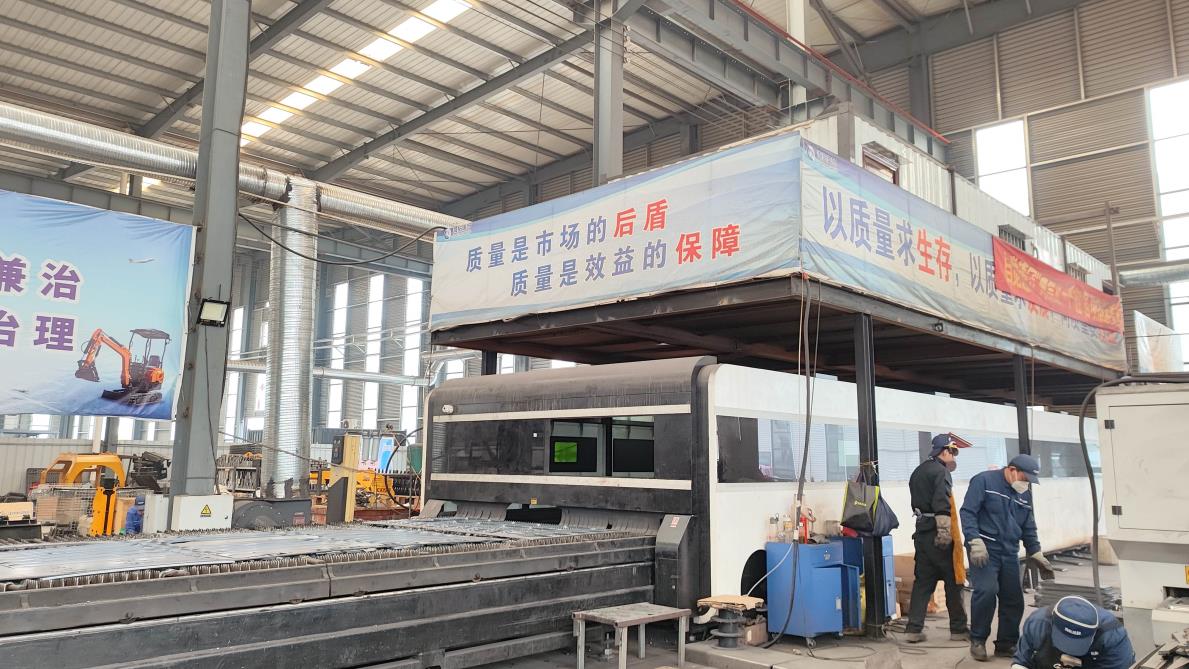
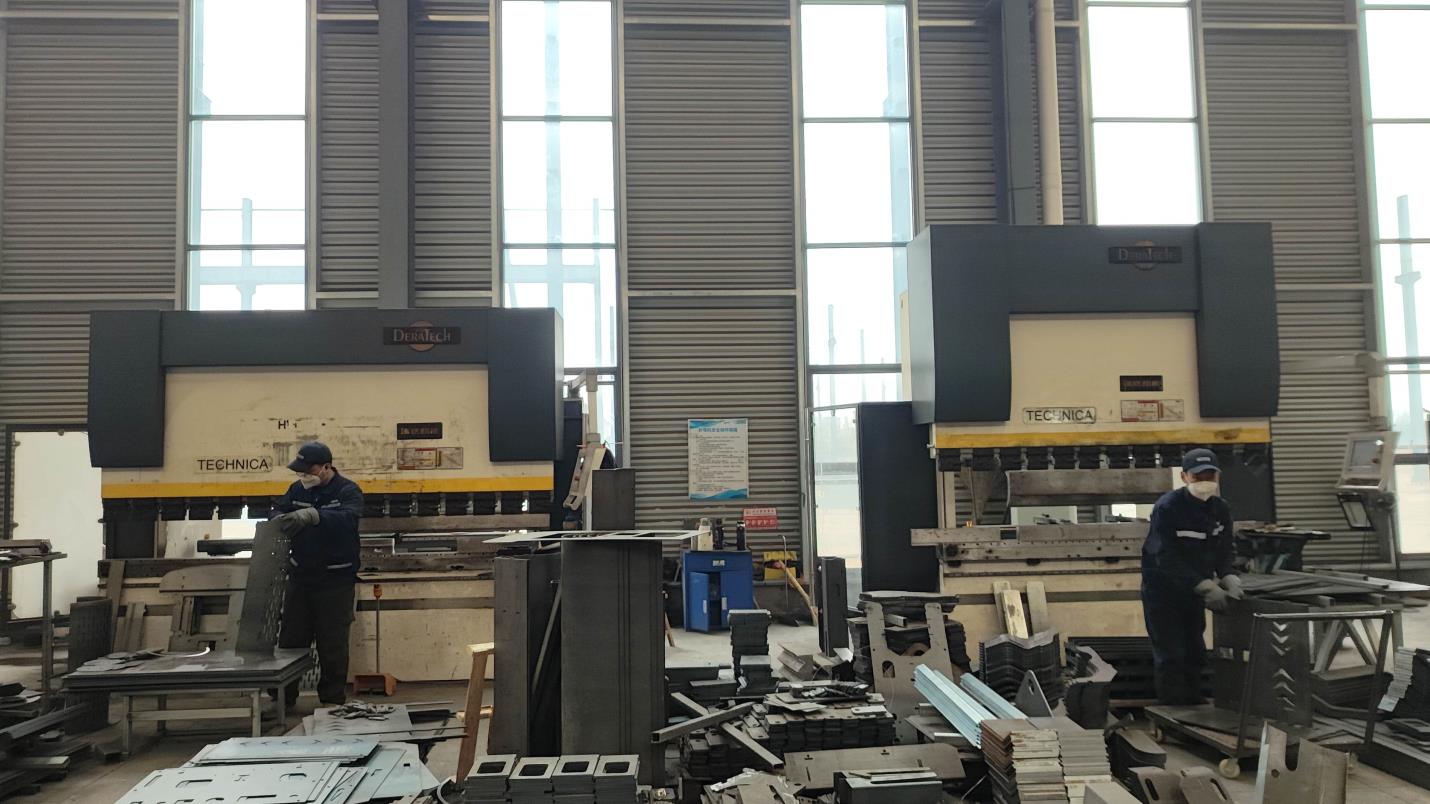
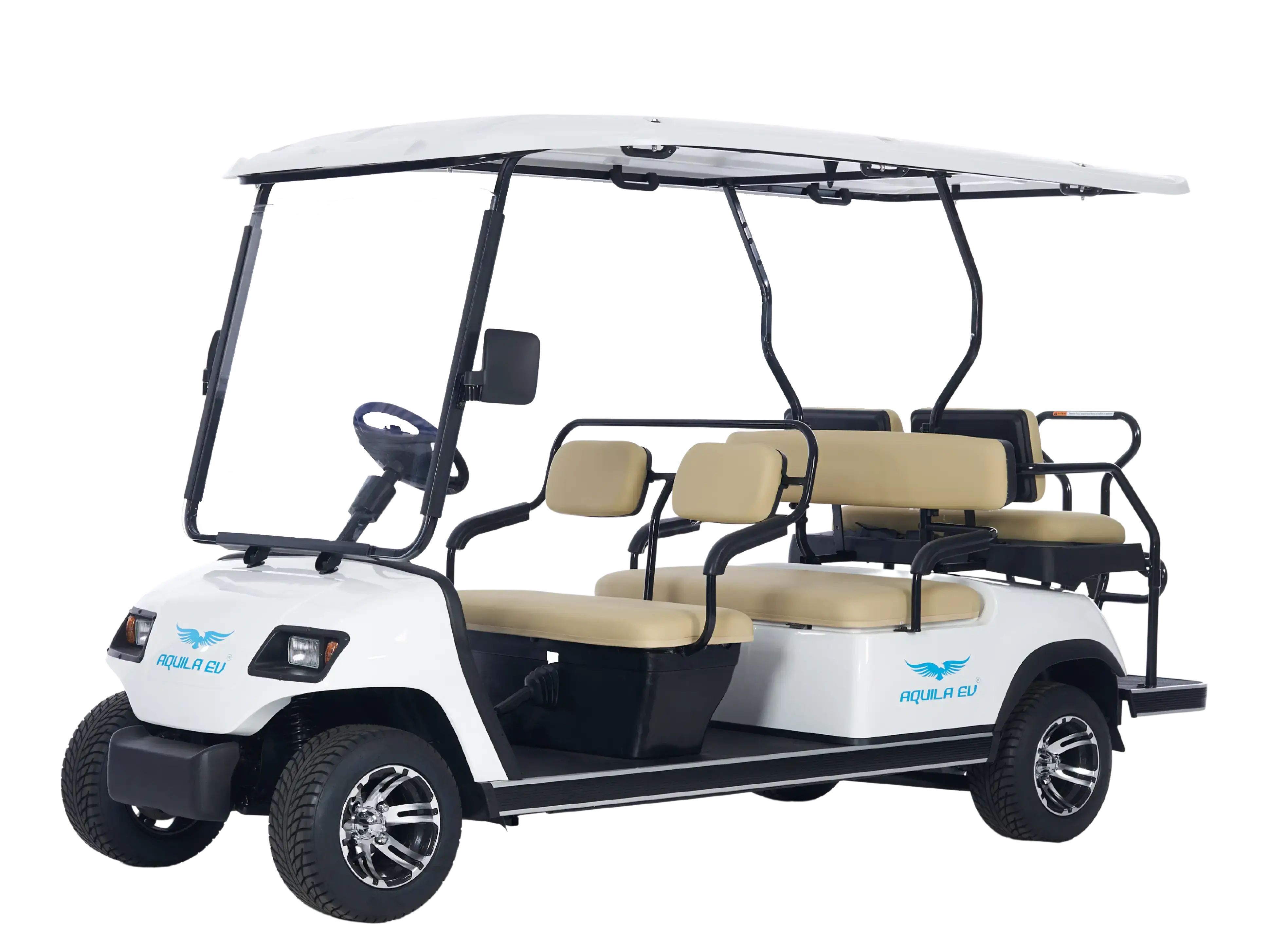
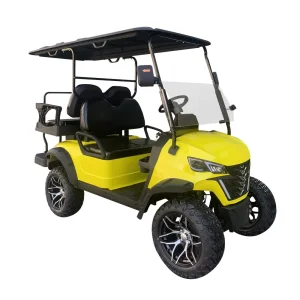
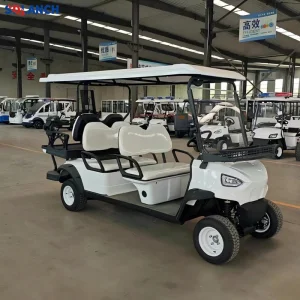
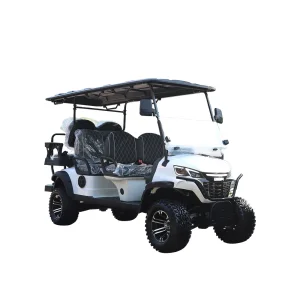
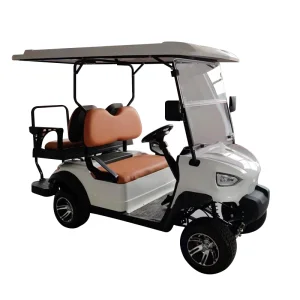
Vehicles operating in Asmara require robust gradeability to navigate its hilly historic zones. Unlike low-power 3.7kW motors that overheat on sustained inclines, our 4-seater units are equipped with 72V high-traction 7.5kW AC brushless motors paired with smart controllers. This system minimizes voltage drop and manages thermal performance during prolonged hill climbing.
Massawa's coastal areas experience high humidity and salinity, which can accelerate the corrosion of standard steel frames. Our coastal package utilizes hot-dip galvanized chassis structural members treated with an electrophoresis anti-rust system. Stainless steel fasteners, marine-grade wiring harnesses, and sealed electronics help prevent premature corrosion.
To support operations in off-grid tourist camps and remote areas, we offer integrated solar roof panels. Using high-efficiency monocrystalline solar cells, these panels continuously trickle-charge the main LFP battery pack. This system extends daily range by 15-20% and reduces reliance on the regional electrical grid.
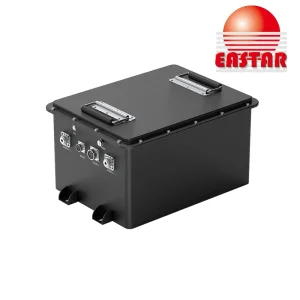
Temperatures in the southern coastal lowlands can exceed 45°C. Traditional lead-acid batteries can suffer from thermal runaway and shortened lifecycles under these conditions. Our LiFePO4 battery modules feature an integrated BMS that monitors cell temperatures, manages balancing, and provides thermal cut-offs to protect the system.
Importing equipment to East Africa requires careful logistics planning. We manage the supply chain from our production facility to the Port of Massawa (MSW), ensuring transit safety and regulatory compliance.
To optimize shipping costs, we offer both SKD (Semi-Knocked Down) and CKD (Completely Knocked Down) packaging configurations. A single 40ft HQ container can accommodate up to 12 SKD-packed 4-seater carts, significantly lowering ocean freight costs per unit compared to fully assembled vehicles.
We supply complete documentation packages to facilitate import clearance, including ISO 9001 compliance certificates, CE certificates, detailed pack lists, bills of lading, and certificate of origin documents to assist with local tariff classifications.
Enables remote monitoring of battery status, vehicle localization, and geofencing capabilities for large resorts and mining campuses in Eritrea.
Transitioning to higher energy density solid electrolytes to eliminate thermal hazards in high-temperature environments.
Converts kinetic energy back into battery charge during descents, extending brake pad life on hilly terrains.
Using lightweight, high-impact composite plastics that are fully recyclable and resist UV degradation.
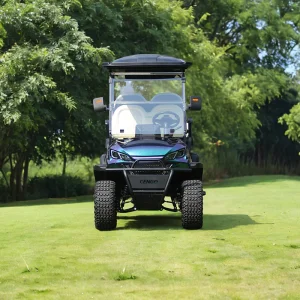
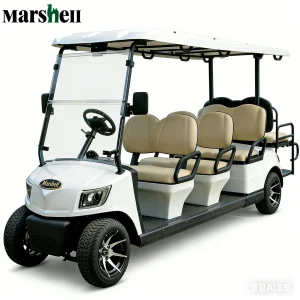
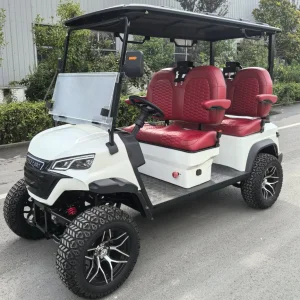
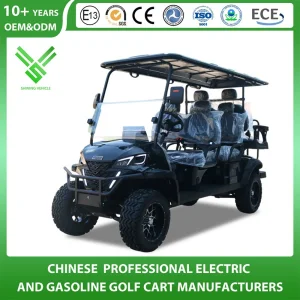
Eritrea's coastal areas (e.g., Massawa, Assab) experience ambient temperatures that can exceed 40°C. Standard lead-acid batteries often experience electrolyte evaporation, sulfation, and thermal runaway under these conditions, reducing their lifespan to less than 18 months.
Our LiFePO4 battery modules operate reliably at higher temperatures (up to 60°C) without degrade-induced hazards. They offer over 3,500 charging cycles at 80% Depth of Discharge (DoD), integrated BMS protection, and require zero water maintenance, resulting in a lower total cost of ownership (TCO) for local operators.
For coastal applications in Eritrea, we apply a marine-protection package. The chassis frame is fabricated from high-strength structural carbon steel and undergoes hot-dip galvanization, followed by an electrodeposition coating process (electrophoresis) to seal the metal against moisture.
We also utilize stainless steel (SUS304) fasteners in critical load-bearing locations, seal the wire harnesses in protective conduit tubing, and apply conformal coatings to the main motor controller and wiring terminals to prevent salt-mist damage.
Asmara sits at approximately 2,325 meters elevation and features steep streets. Standard 48V low-power drivetrains can experience voltage drop and motor overheating on these inclines.
Our highland-optimized models are built with 72V or 76.8V high-voltage platforms and high-torque 7.5kW AC induction motors. This configuration delivers consistent torque at low speeds without overheating. These vehicles also feature regenerative braking systems that recharge the battery and reduce brake wear during downhill travel.
Average ocean freight transit time from Shanghai/Ningbo ports to Massawa Port (MSW) ranges from 30 to 45 days, depending on carrier routing and transshipment hubs.
We offer two packaging configurations: SKD (Semi-Knocked Down) and CKD (Completely Knocked Down). SKD uses heavy-duty steel crates that pack the main body frame, rear axel, and canopy securely, allowing for quick assembly upon delivery. CKD maximizes container utilization, enabling up to 18 units in a single 40ft HQ container to reduce shipping costs.
With every volume container purchase, we supply a "Critical Spares Kit" that includes high-wear components such as control contractors, brake shoes, suspension bushings, charging plugs, and tire assemblies.
We also provide English-language service manuals and schematics. In the event of a complex component failure, our technical support engineers can conduct diagnostics and troubleshooting sessions via video conference.
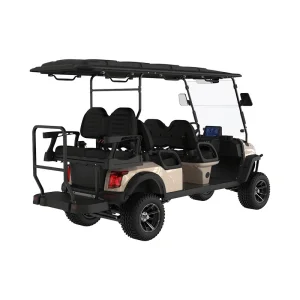
Whether you require a custom fleet for a Red Sea eco-resort, low-speed delivery vehicles for industrial campuses, or specialized utility carts for steep urban environments, our engineering team can customize a solution to meet your needs.
Send Inquiry Now Tulip Cart