Specially adapted passenger transport models engineered to withstand harsh coastal weather and high-humidity environments across Kiribati.
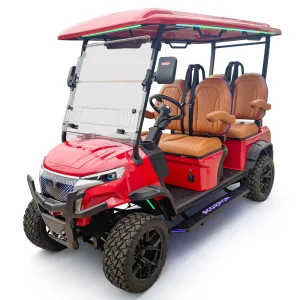
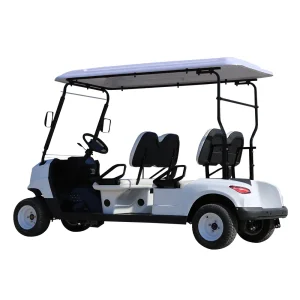
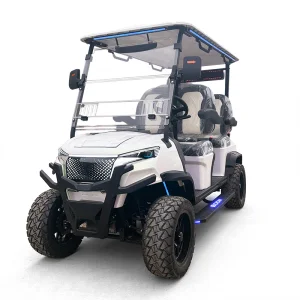
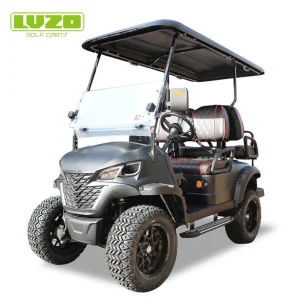
Kiribati, comprising 32 atolls and one raised coral island spanning vast distances across the central Pacific Ocean, possesses one of the world's most distinct, vulnerable, and demanding transport ecosystems. Key population centers like South Tarawa require low-speed passenger transport infrastructure that does not strain fragile local freshwater lenses or relies extensively on highly expensive imported diesel and petroleum products. Over the past decade, the shifting trajectory of zero-emission mobility initiatives has positioned electric low-speed vehicles (LSVs) and premium golf carts as structural solutions for residential transit, administrative compounds, remote clinical response, and premium atoll hospitality.
Developing luxury electric golf buggies capable of enduring Kiribati's harsh conditions demands highly robust materials. The base chassis must rely on marine-grade 6061-T6 aluminum alloys or hot-dip galvanized steel frames treated with electrophoretic paint (EDP). Standard paint will blister and peel when exposed to oceanic spray. Our design optimizes component durability through IP67 sealed electronic control units (ECU), fully encapsulated brushless AC motors, and dust-resistant electrical harness connection systems. This limits seawater ingress, which is the leading cause of premature vehicle failure in coastal installations.
Because fuel logistics are costly and complex for islands like Christmas Island (Kiritimati) and outer atolls, solar-charged fleet systems represent the most sustainable model. High-density Lithium Iron Phosphate (LiFePO4) battery systems outperform traditional lead-acid chemistries under tropical ambient temperatures (often exceeding 35°C). Lithium batteries run significantly cooler, charge more efficiently under solar-inverter systems, and provide up to 10 years of operational lifecycle. This reduces maintenance costs and waste management challenges for Kiribati's atolls, where lead-acid battery recycling facilities are non-existent.
An ISO9001 and CCC certified international manufacturer, specializing in high-performance electric vehicles and marine-engineered low-speed transportation systems.
Yangzhou Tulip Cart Co., Ltd. is a leading provider of golf carts and accessories, specializing in the design, production, and sales of electric vehicles, low-speed new energy vehicles, and specialized utility vehicles. With a strong focus on quality and innovation, we are committed to providing reliable, eco-friendly, and high-performance transportation solutions for a wide range of industries globally. Our manufacturing systems are fully certified by ISO9001, National CCC, and international standards, ensuring that we consistently meet the highest safety, reliability, and environmental requirements.
As a company driven by technological advancements, we aim to deliver products that enhance both the functionality and the aesthetic appeal of every ride. With years of export experience to remote tropical territories and Pacific archipelagos, we are proud to be a trusted supply-chain partner for golf courses, high-end resorts, private eco-estates, and civic services.
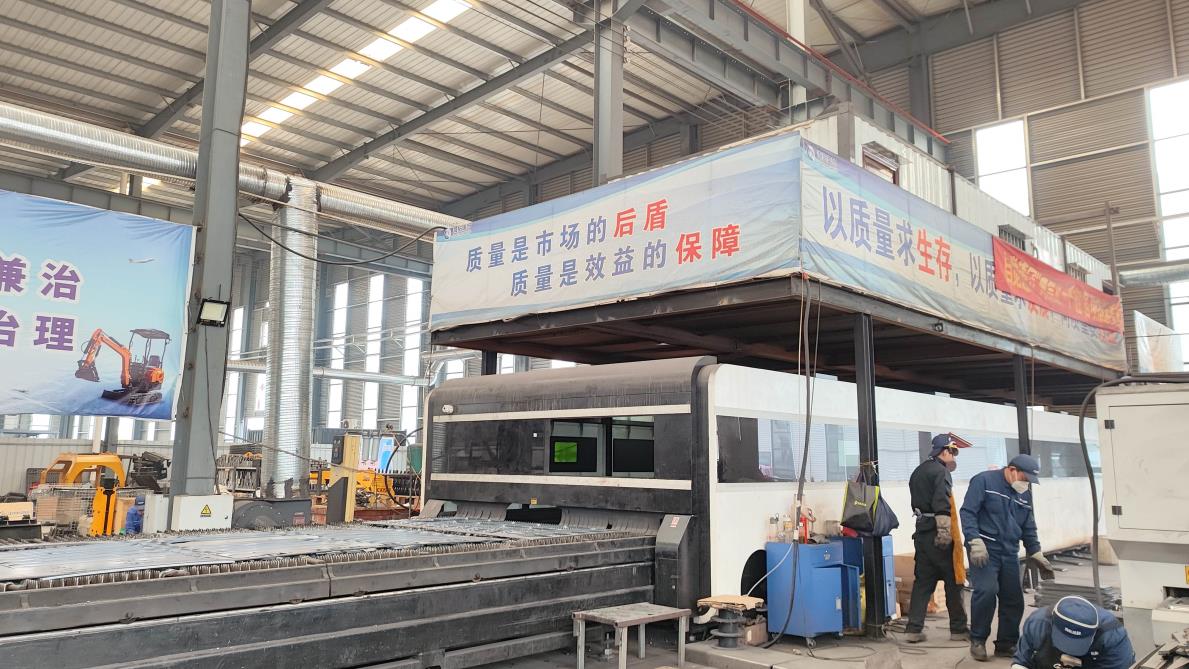
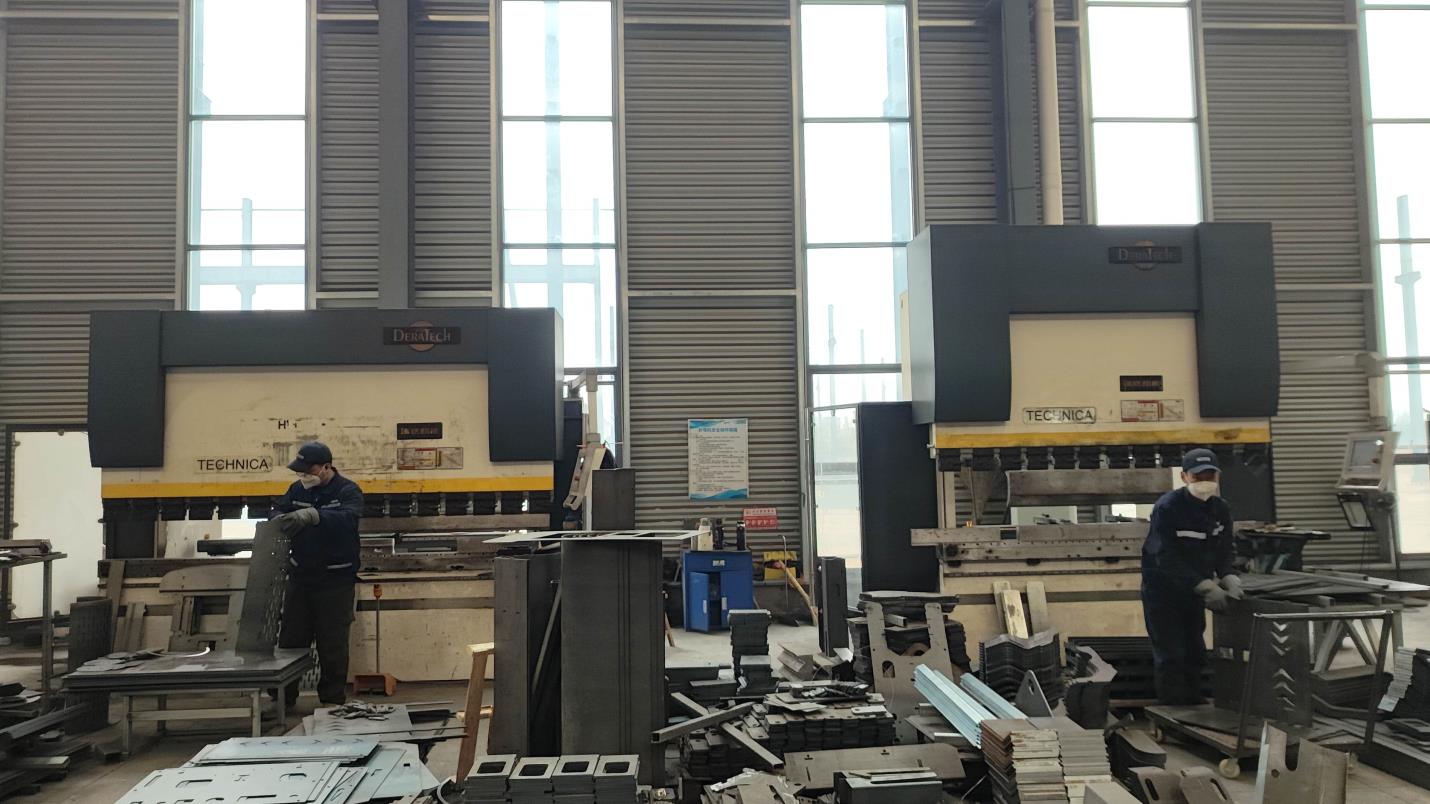
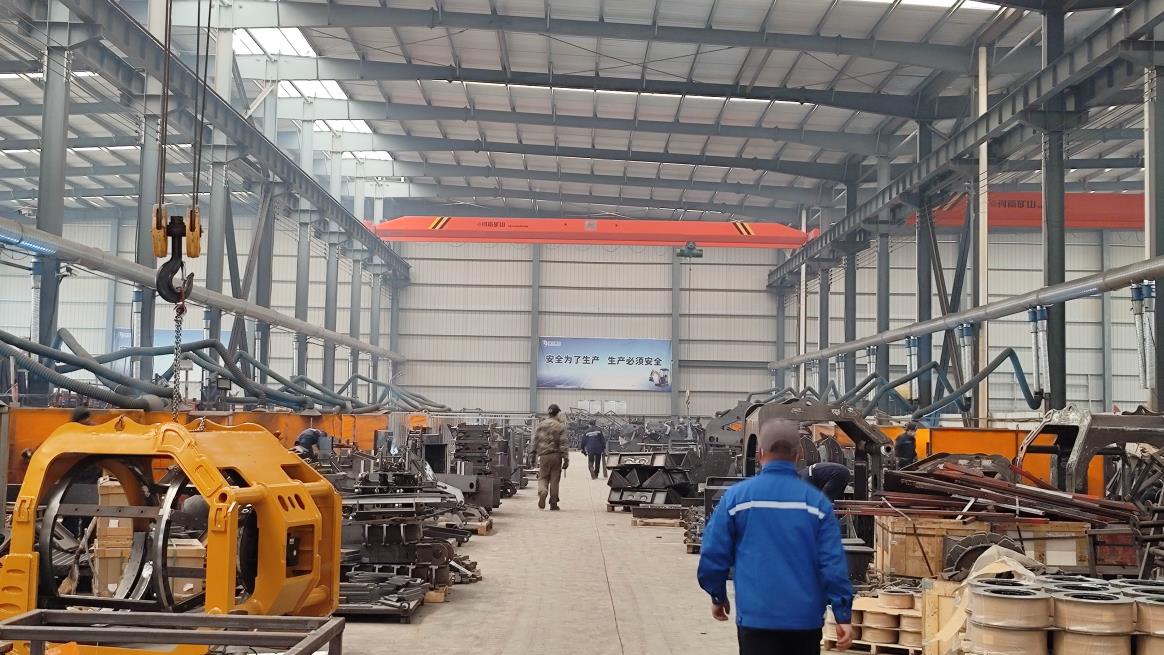
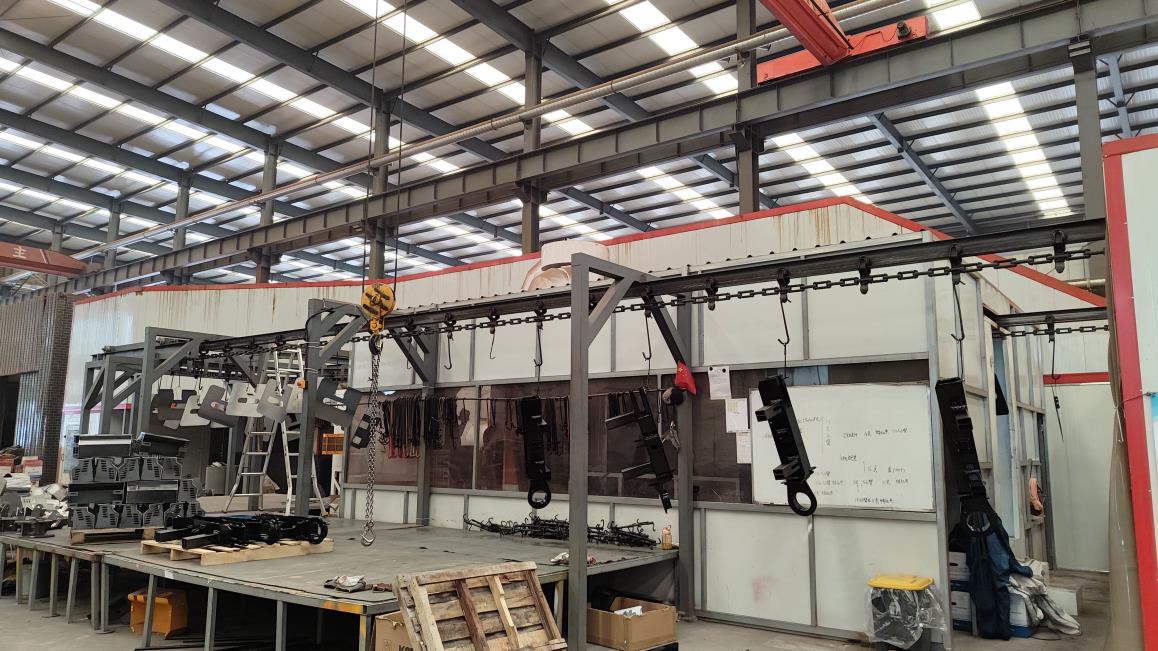
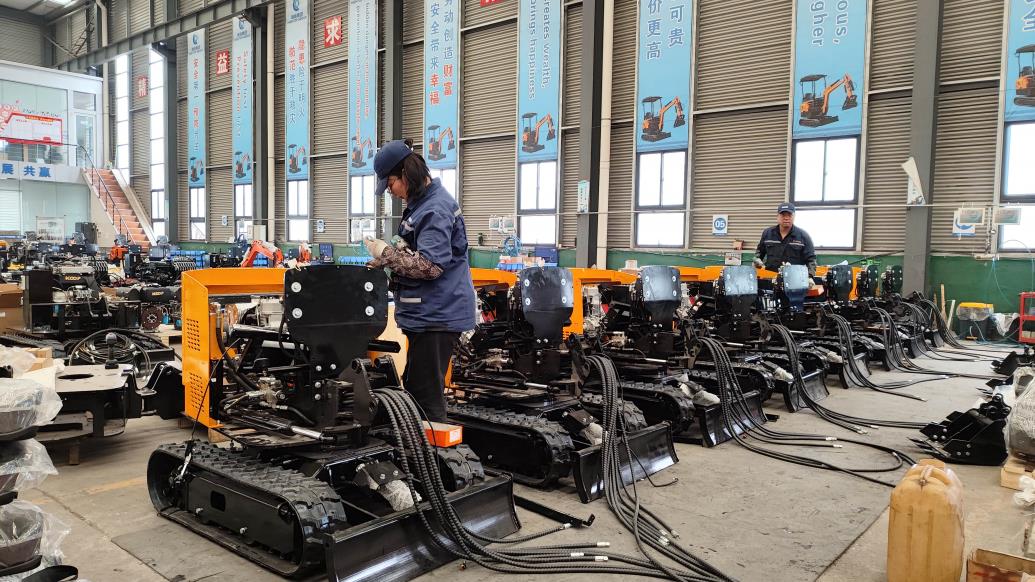
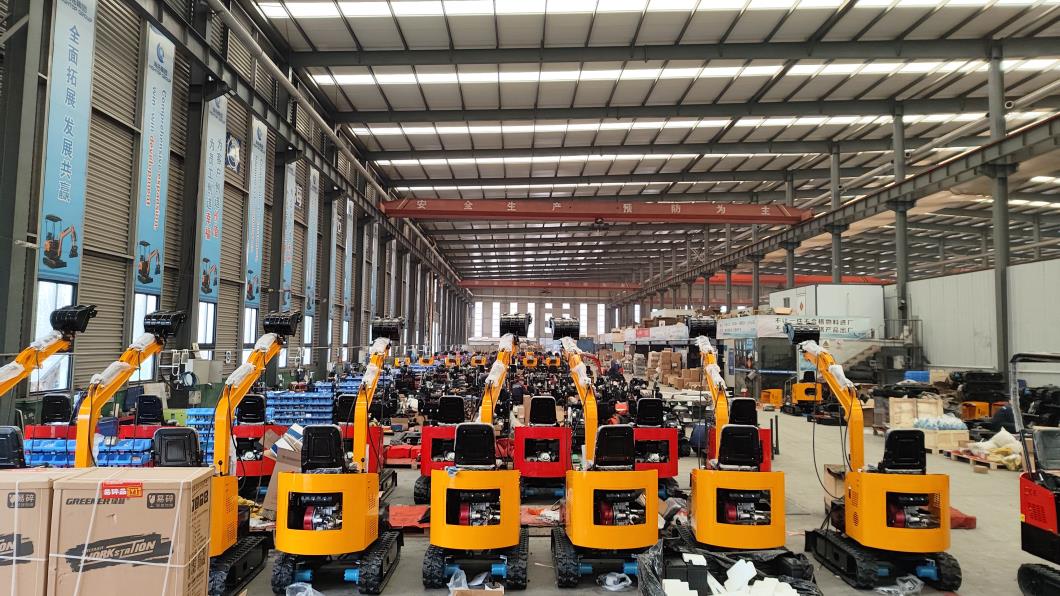
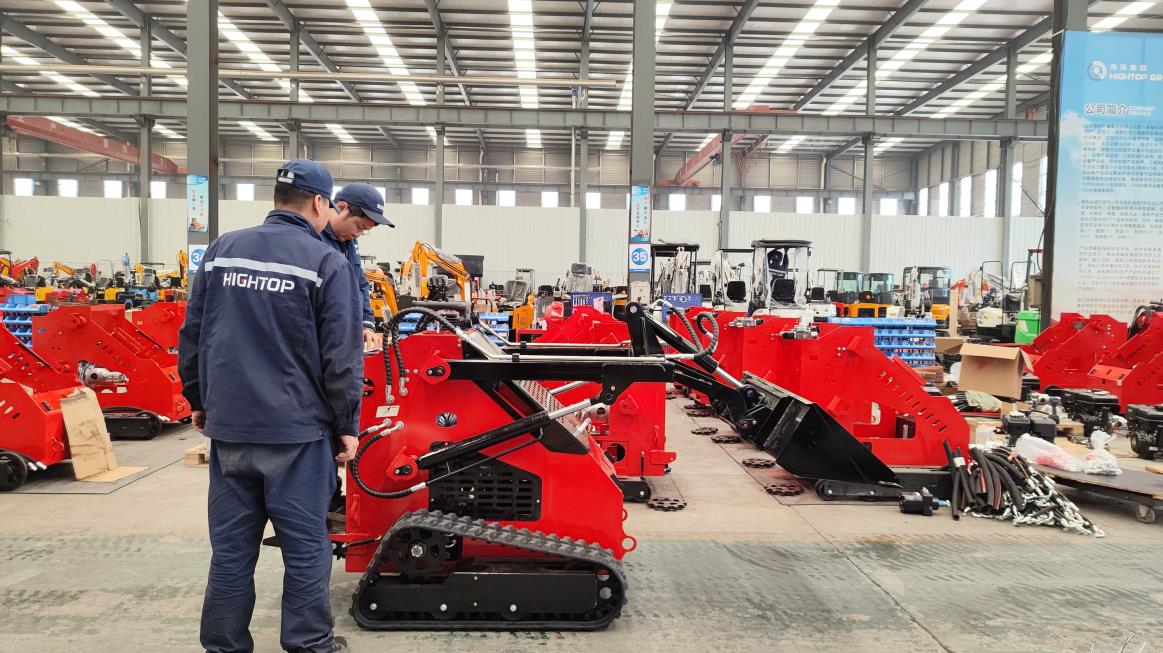
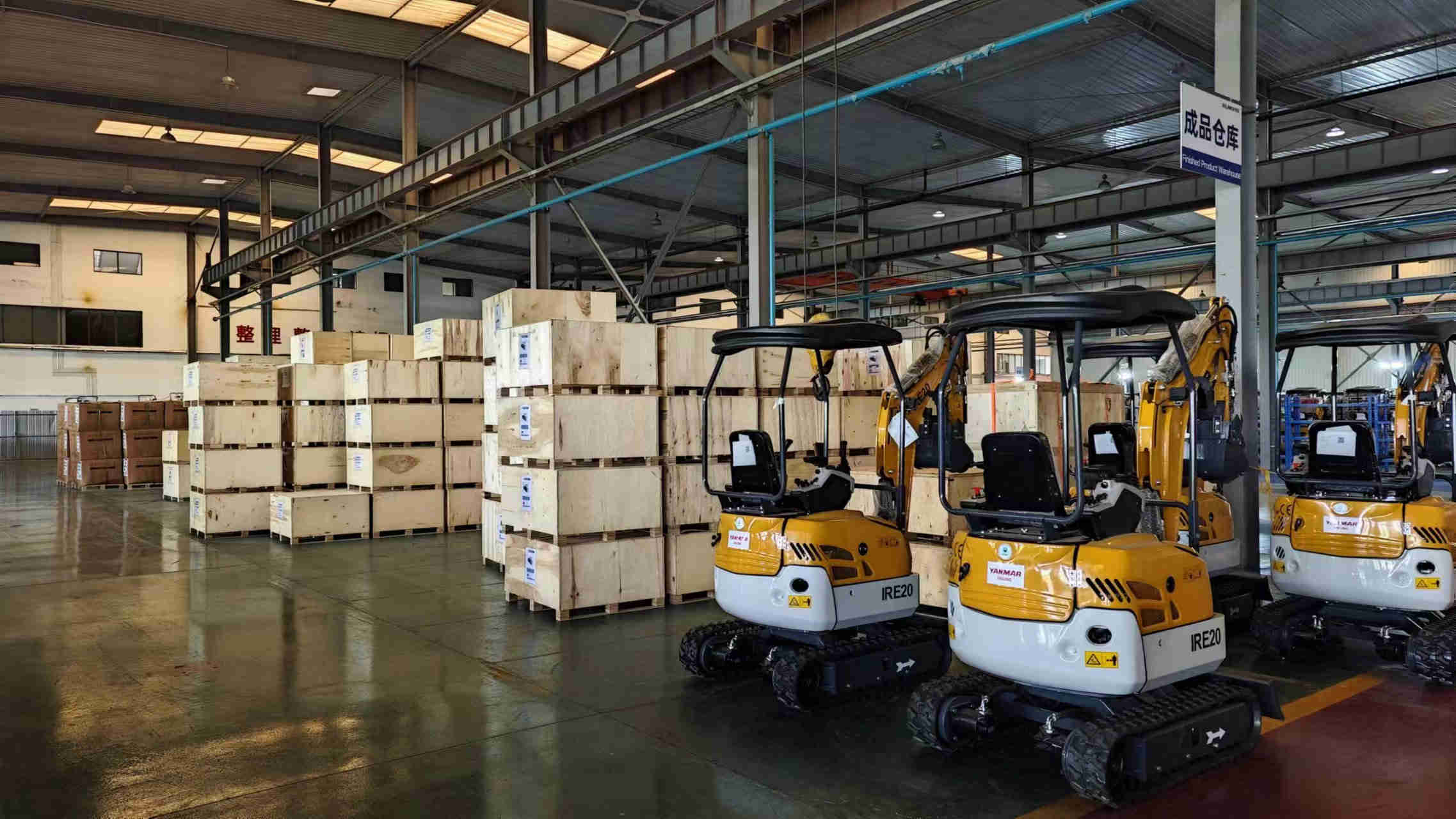
Every golf cart undergoes a rigorous manufacturing flow to ensure structural integrity and rust prevention before dispatch.
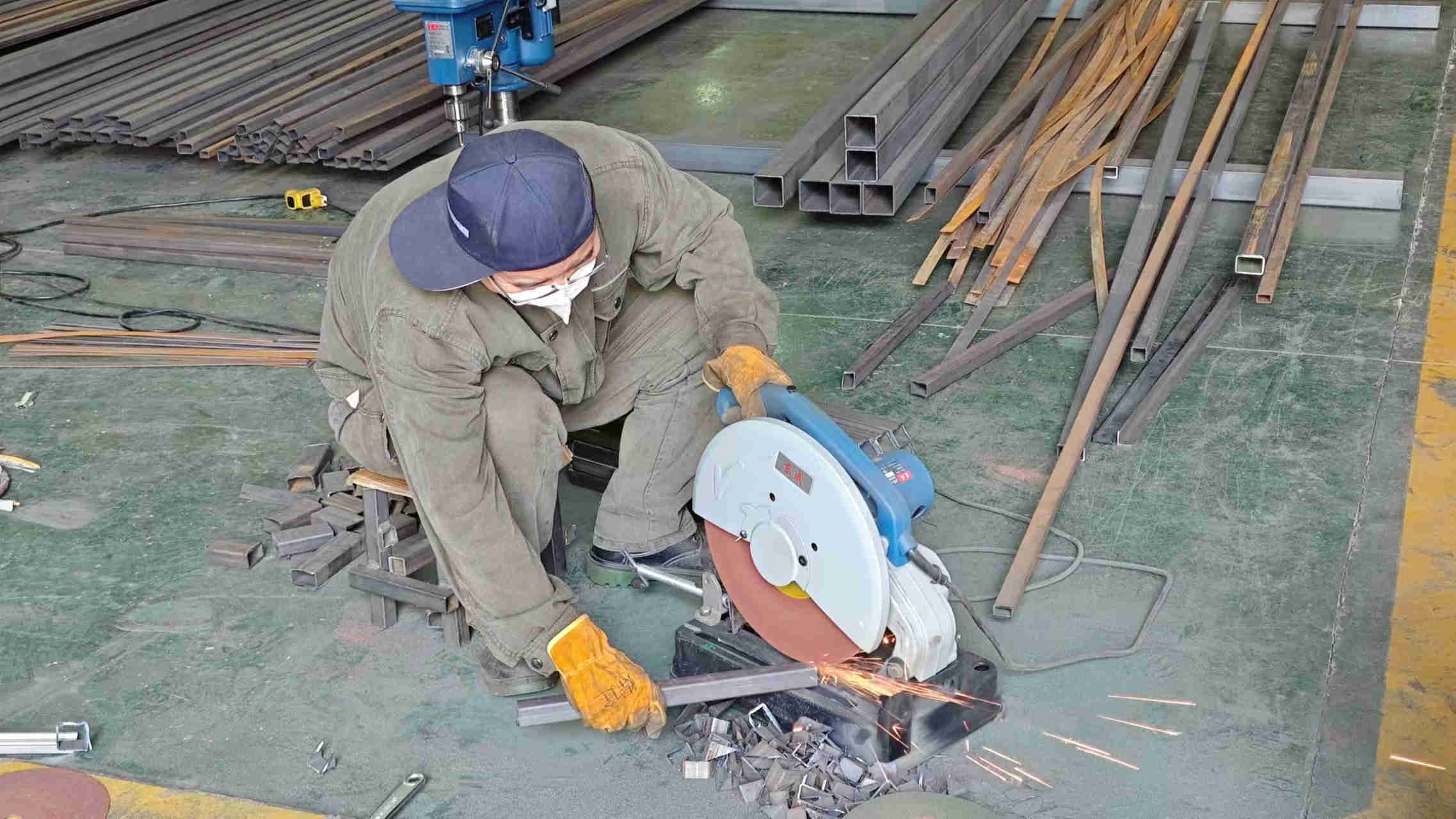
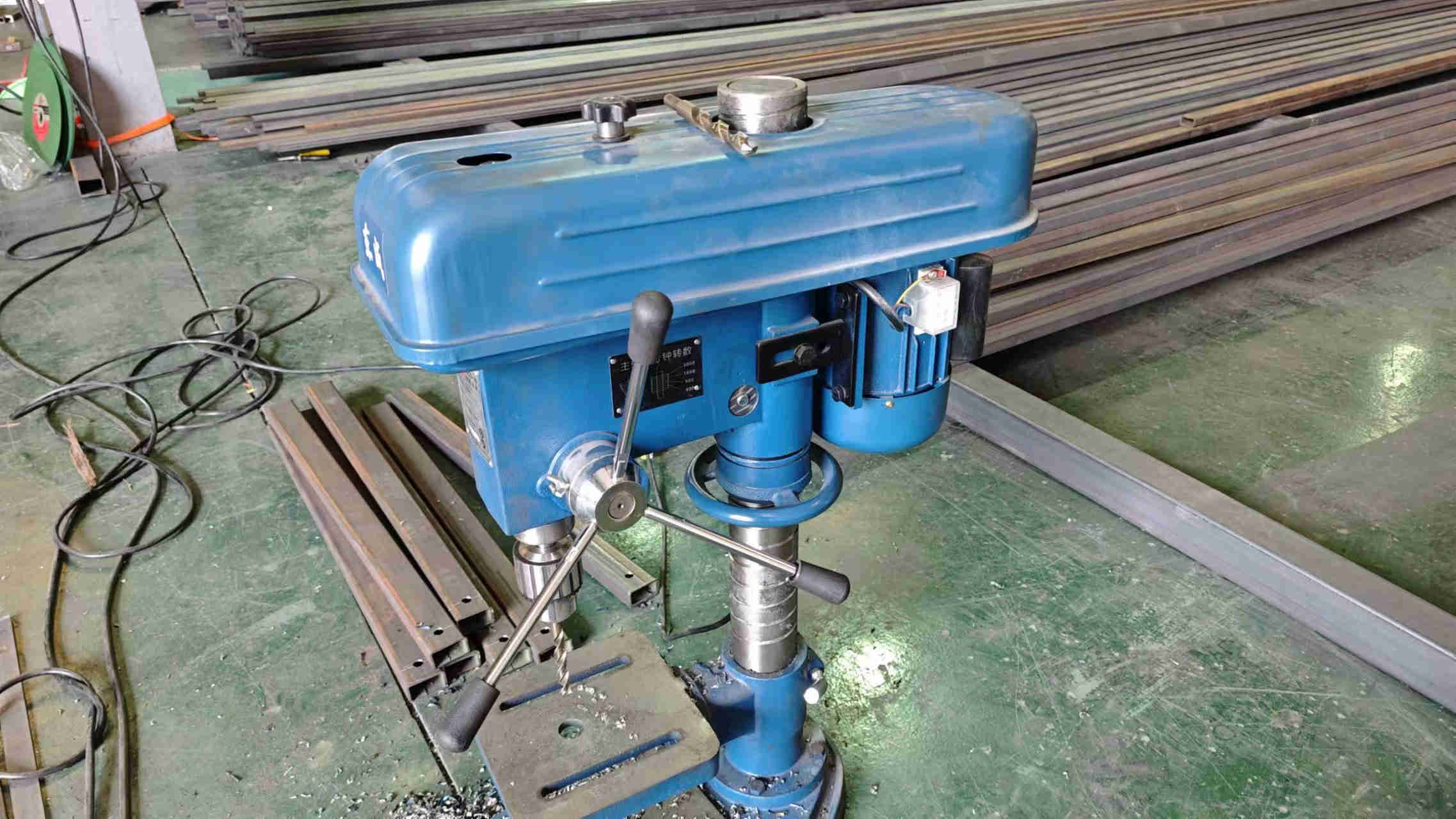
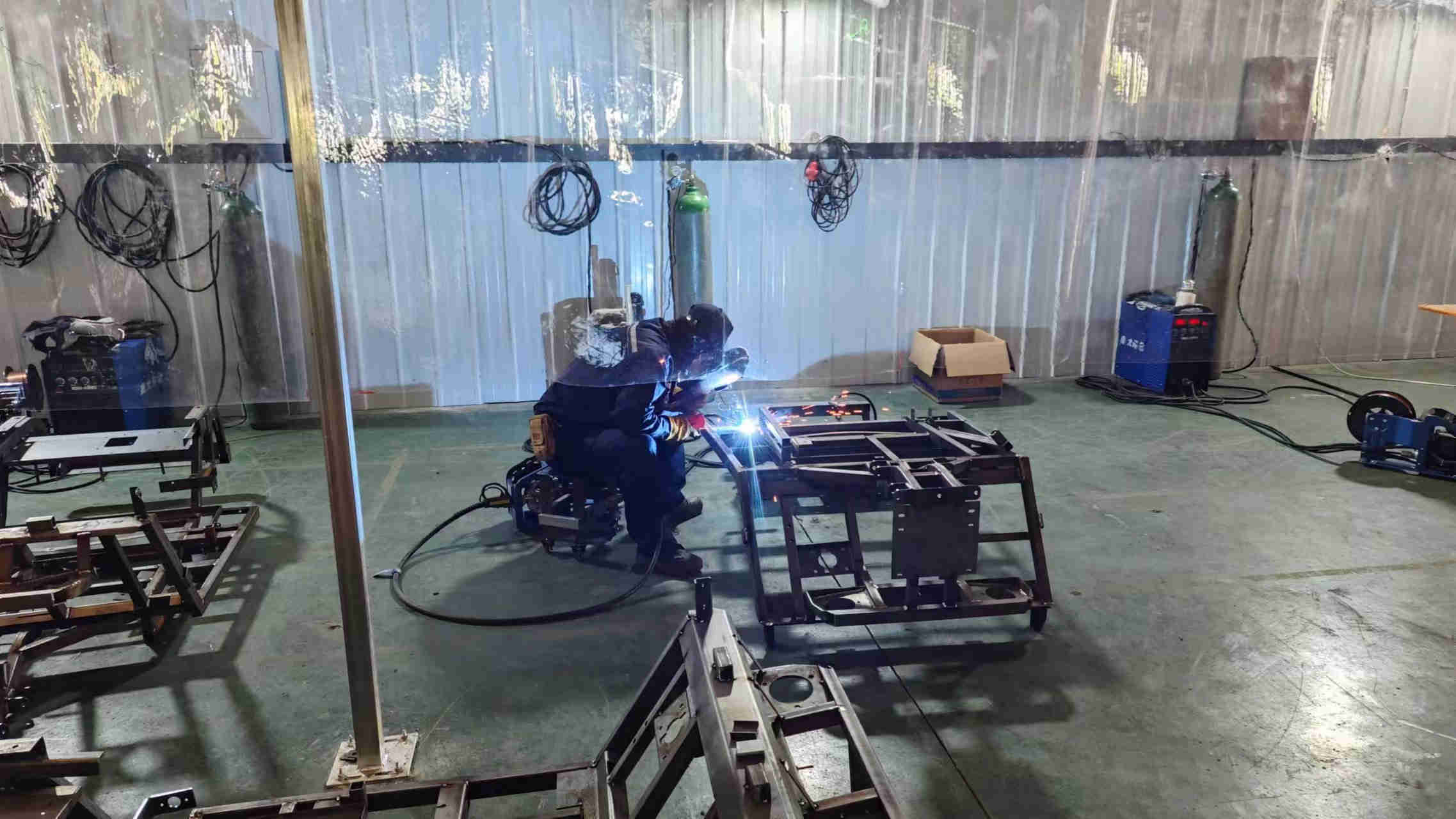
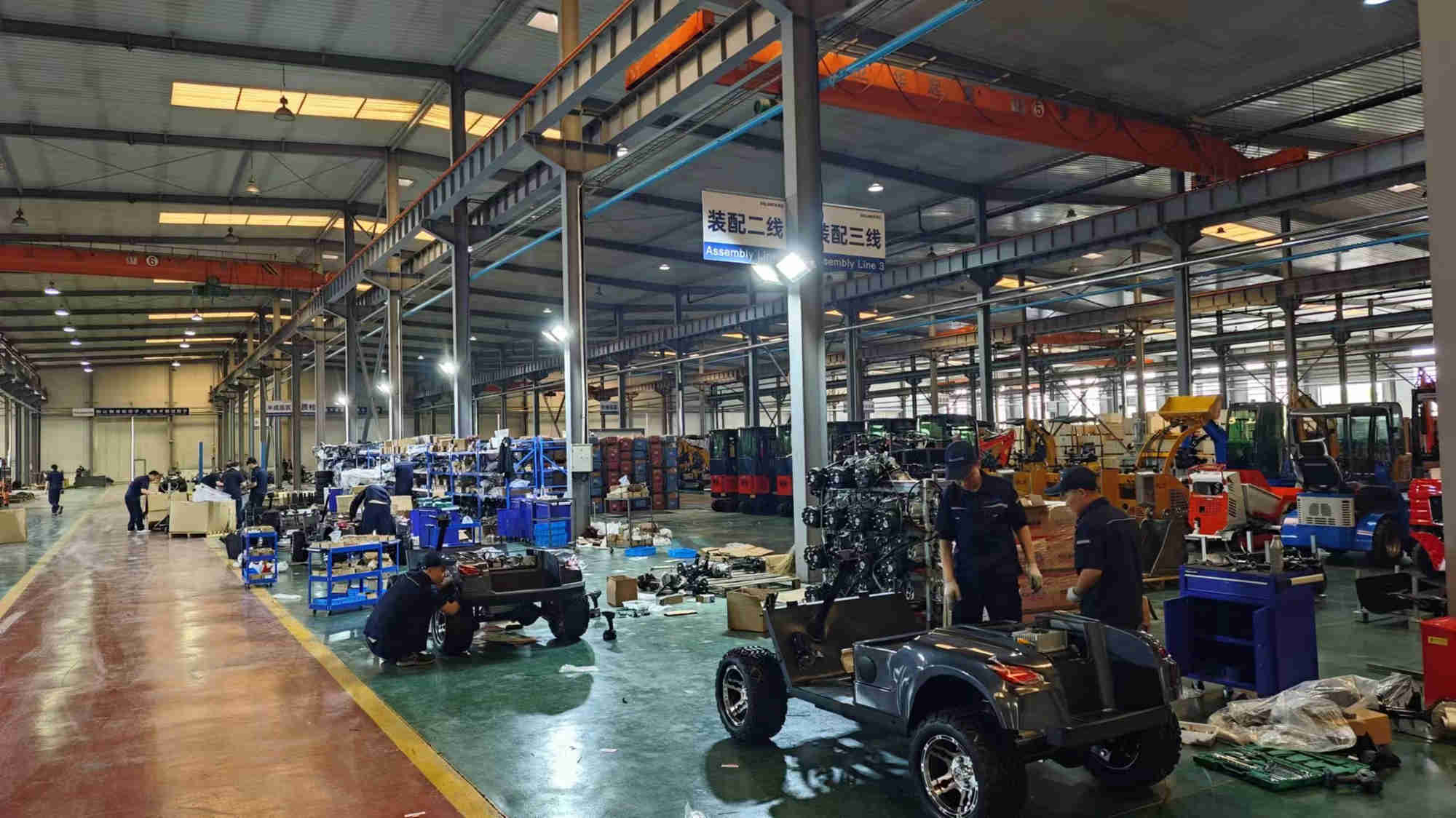
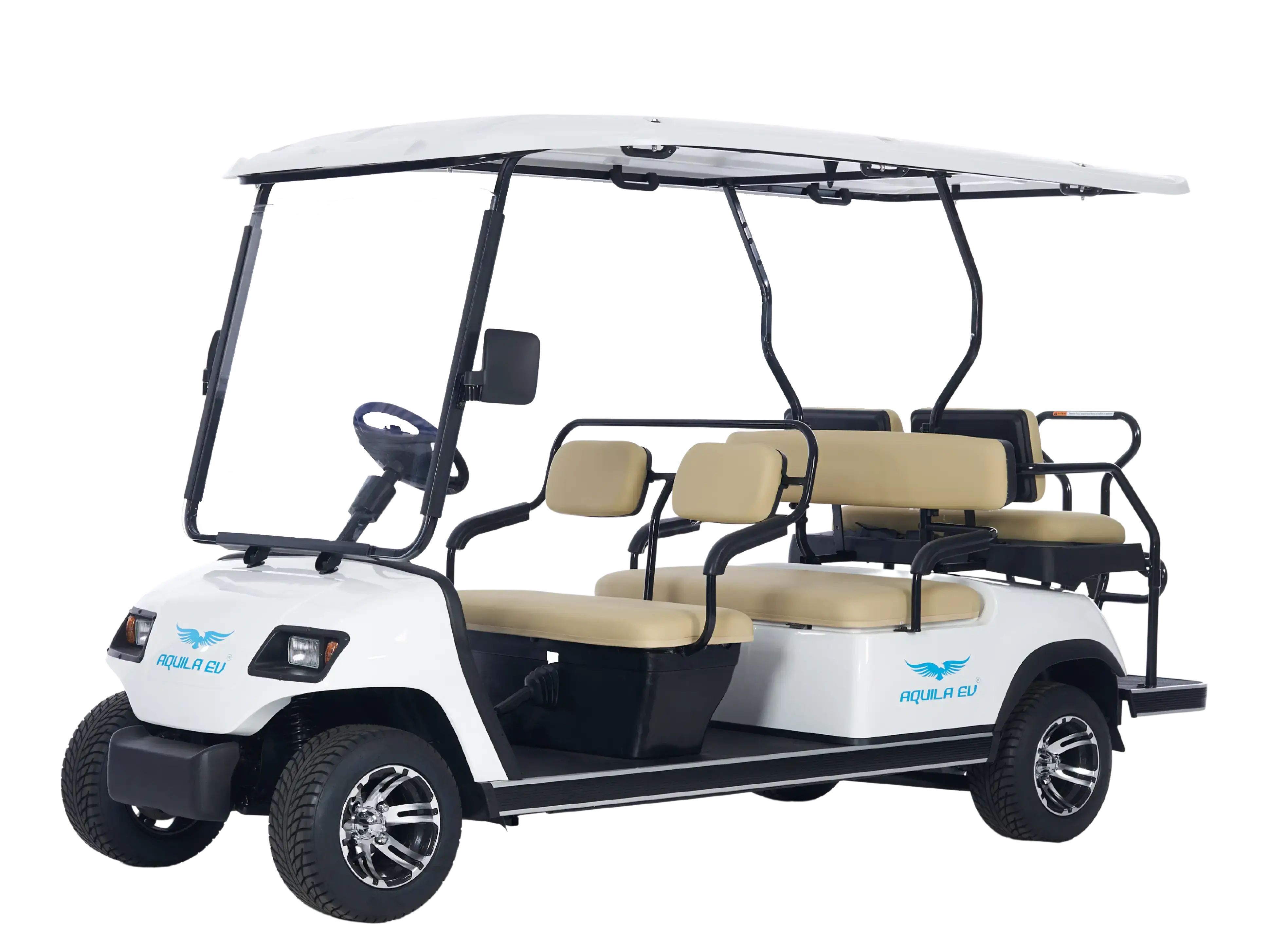
Overcoming Pacific shipping constraints, custom tariffs, port rules, and technical localization requirements.
Browse our robust portfolio of custom passenger, utility, cargo, and street-legal golf cars designed for commercial and private operations across Kiribati.
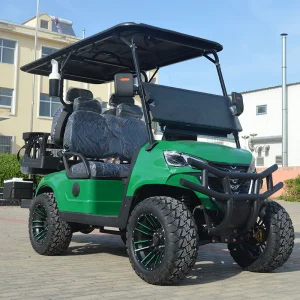
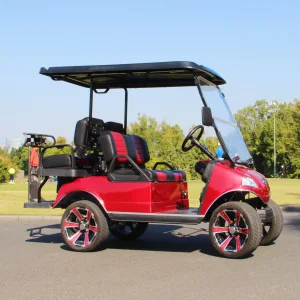
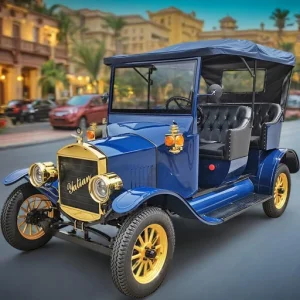
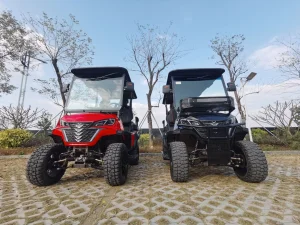
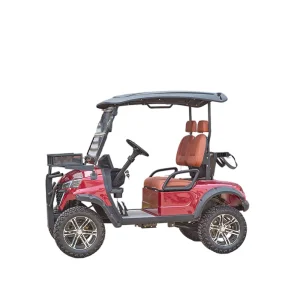
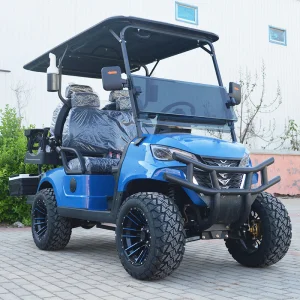
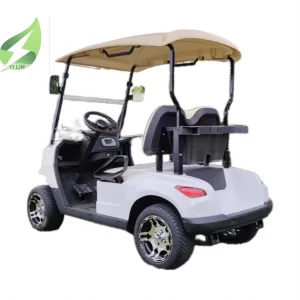
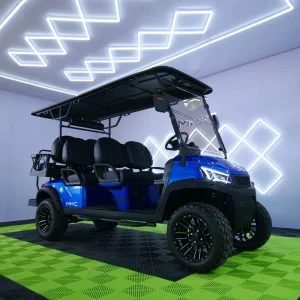
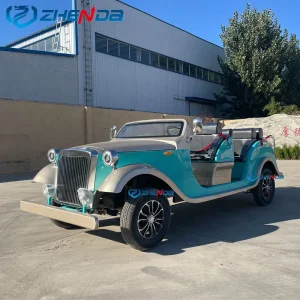
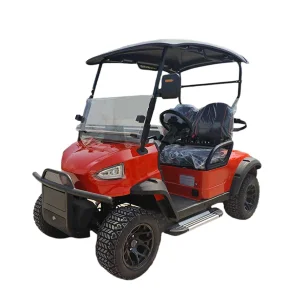
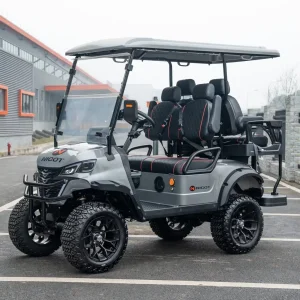
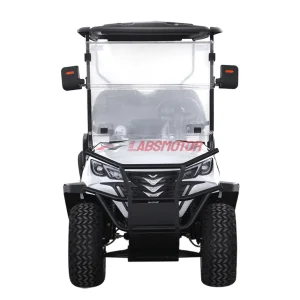
Our commitment to Kiribati's unique environmental challenges guides our technical research and development department. Moving beyond basic vehicle designs, we are implementing smart energy solutions and durable material modifications to make atoll transport highly reliable and zero-emission.
To reduce dependence on fossil fuel-derived grid power (primarily diesel generators on outer islands), we are designing high-efficiency integrated solar panel roofs. These panels leverage thin-film monocrystalline solar cells with high efficiency, supplying continuous trickle charges to the main LiFePO4 battery pack during daytime operations. On islands such as Abemama or Tabiteuea, this feature adds up to 15-20 km of clean mileage daily, reducing fuel costs to zero.
Traditional undercoating often fails in coastal zones with high salt concentration. To combat this, we are upgrading our anti-corrosion protection to an advanced electrophoretic deposition process combined with a specialized aliphatic polyurethane topcoat. This coating system has passed the ASTM B117 salt spray test for over 2,500 hours, proving its durability and preventing rust-related frame failures.
Operating a fleet of luxury electric vehicles on remote islands requires dependable support. Our future product configurations will feature integrated IoT micro-diagnostic chips. These components monitor the health of your battery cells, controller temperatures, and motor winding resistance. Local mechanics can download telemetry data directly onto a mobile app, enabling remote guidance from our engineers in China via satellite links.
Answers to common engineering, logistical, and warranty questions from procurement managers in Kiribati.
Partner with Yangzhou Tulip Cart Co., Ltd. to implement zero-emission, marine-grade transportation solutions across Kiribati. Submit your technical requirements for a tailored quote.
Send Inquiry Now Tulip Cart