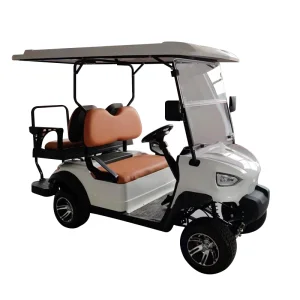
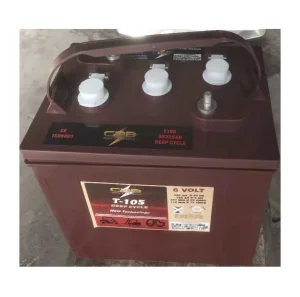
Explore our leading low-speed electric vehicles (LSVs) and components engineered to meet global compliance, duty cycle standards, and fleet management requirements.
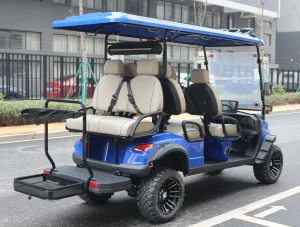
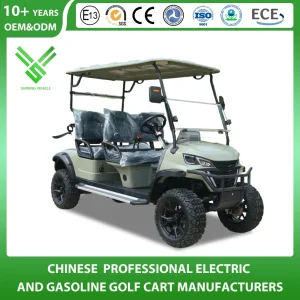
Yangzhou Tulip Cart Co., Ltd. stands at the forefront of the global micro-mobility revolution as a premier, engineering-driven designer and manufacturer of high-performance golf carts, low-speed new energy vehicles, and heavy-duty specialty utility platforms. Operating from our advanced manufacturing cluster, we integrate structural design, powertrain engineering, and dynamic assembly lines to supply high-reliability vehicles worldwide.
Guided by strict international standards, our facility and management systems hold certifications in ISO9001 and China's National CCC. This foundational framework guarantees that every vehicle delivered adheres to rigorous global criteria for structural integrity, functional safety, and longevity. We don't merely assemble components; we design complete transportation solutions that deliver efficiency, operator comfort, and minimal environmental impact across diverse applications.
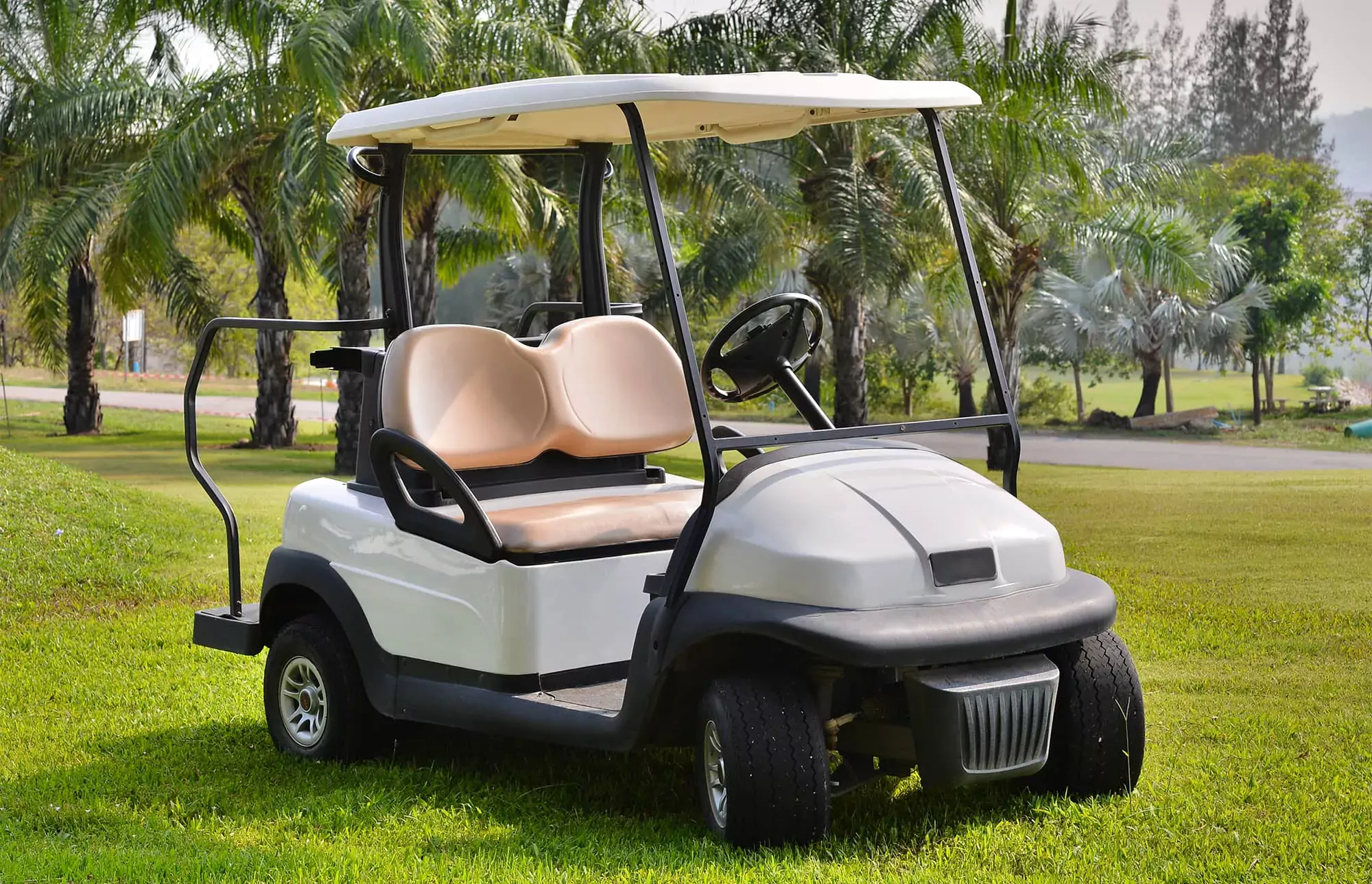
From customizable graphic skins to custom battery chemistry integrations, we offer tailored solutions to meet diverse industrial, retail, and commercial duty cycles.
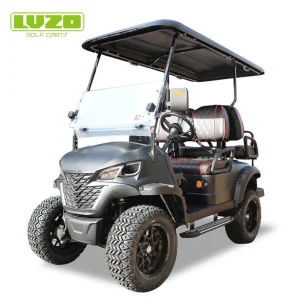
We build both high-efficiency AC electric and clean-burning, fuel-powered golf carts. Our electric systems employ high-performance motors, intelligent motor controllers, and regenerative braking algorithms to maximize run times and control terrain descent safely.
Every cart features highly resilient, soft ergonomic seats to reduce fatigue during extended operations. Integrated high-output USB charging ports cater to modern device needs, while optional features like telematics, integrated GPS, and digital gauge clusters support fleet managers.
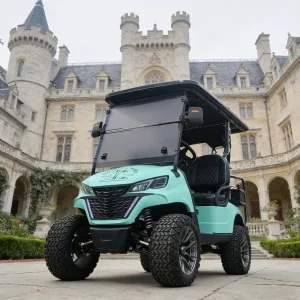
We provide full customization of bodywork graphics to integrate with your branding requirements. Utilizing advanced UV-resistant films and precision printing, we replicate family crests, corporate branding, or specialized themes that resist fading in harsh environments.
Analysing the technological and legislative forces steering the low-speed vehicle market toward smart, zero-emission transportation systems.
The industry is transitioning from lead-acid batteries to lithium iron phosphate (LiFePO4) chemistries. LiFePO4 offers faster charging times, zero maintenance requirements, and a significantly extended cycle life (exceeding 3,500 charge-discharge cycles at 80% DOD), lowering the total cost of ownership (TCO) for commercial operators.
Modern commercial operations require connected fleets. Integrating GPS tracking, geofencing capabilities, remote diagnostics, and real-time battery monitoring allows facility operators to improve asset safety, schedule predictive maintenance, and streamline deployment efficiency.
With municipalities restricting internal combustion engines, demand for street-legal Low-Speed Vehicles (LSVs) conforming to DOT, FMVSS 500, and European L7e standards is rising. Certified components, including three-point seat belts, safety-glass windshields, and lighting arrays, are now standard requirements for urban use.
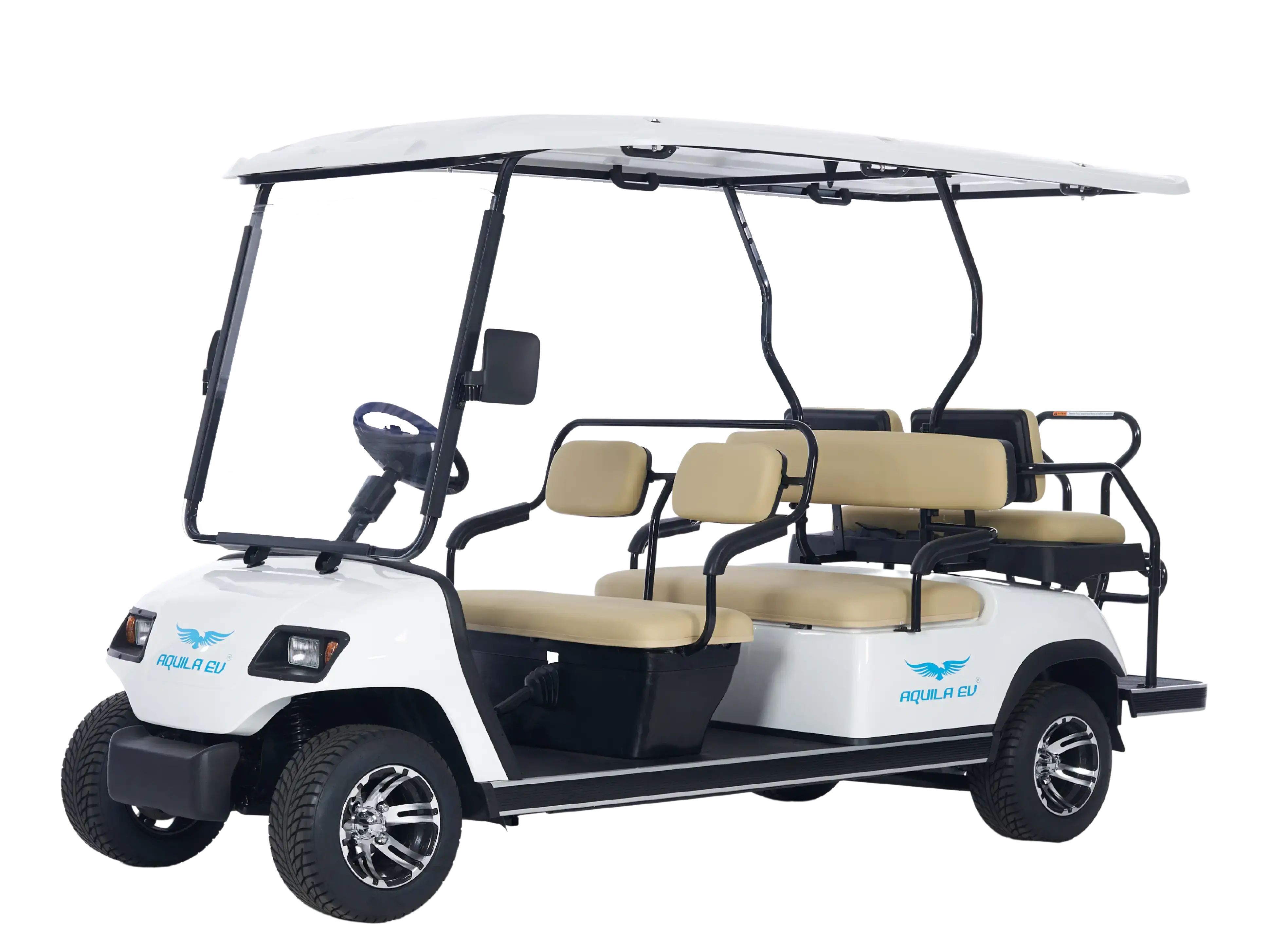
Global procurement teams prioritize supply chain stability, production capacity, and strict quality control. Yangzhou Tulip Cart Co., Ltd. addresses these priorities through structural engineering, transparent timelines, and specialized support:
A detailed view of our vertical manufacturing process, where advanced automation and strict quality inspections ensure high repeatability and product quality.
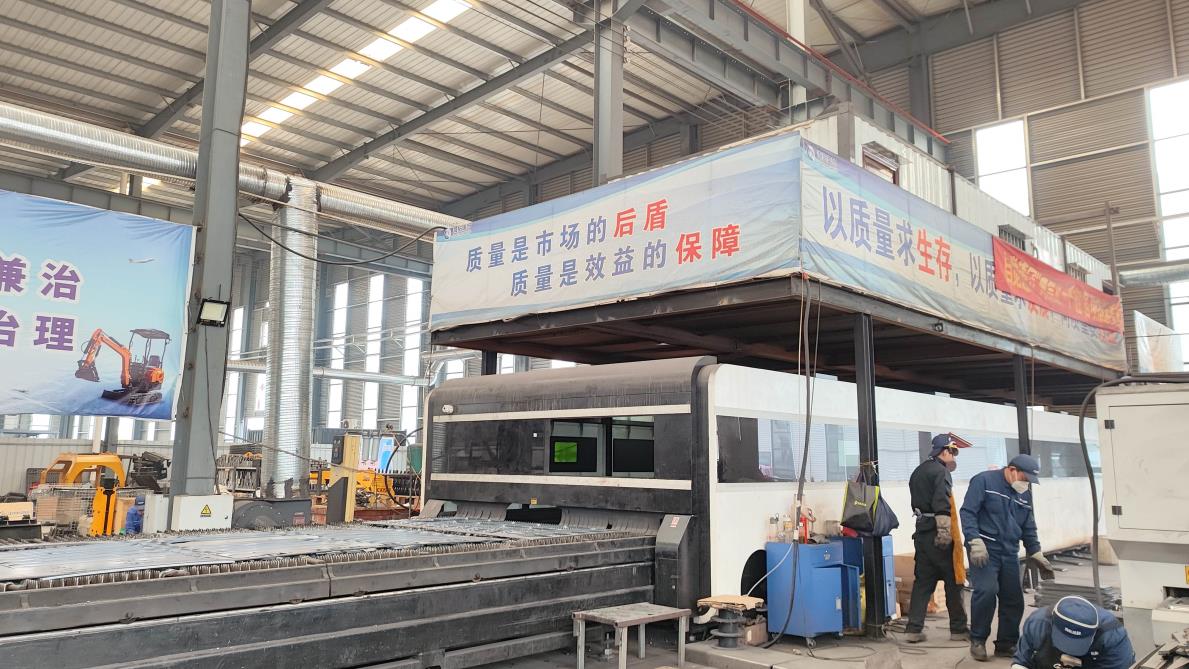
High-precision fiber laser cutting systems slice structural steel members and high-strength alloy sheets with sub-millimeter tolerances.
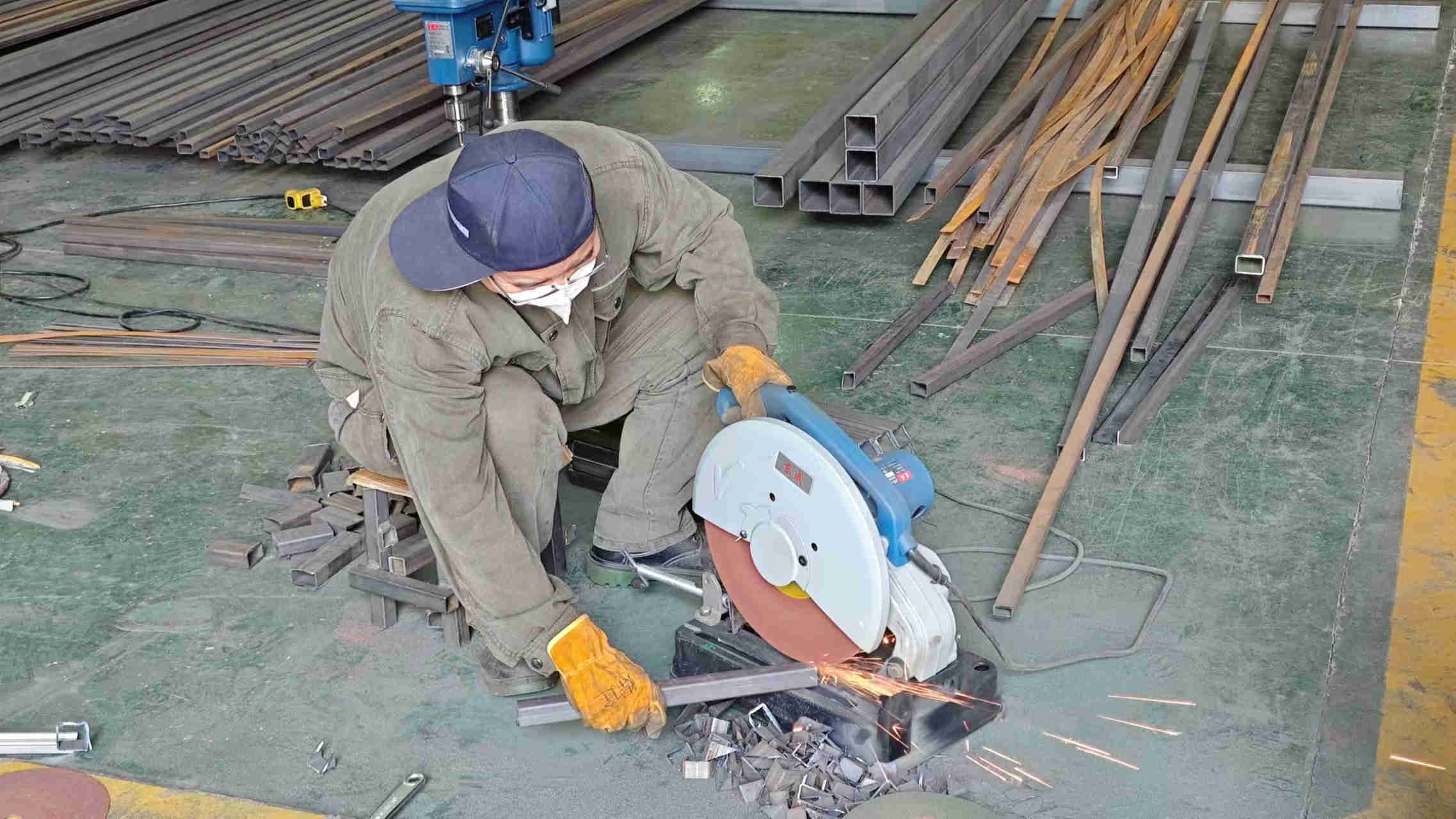
Heavy profile sawing machinery cuts structural hollow-section tubing for chassis construction with precise angular accuracy.
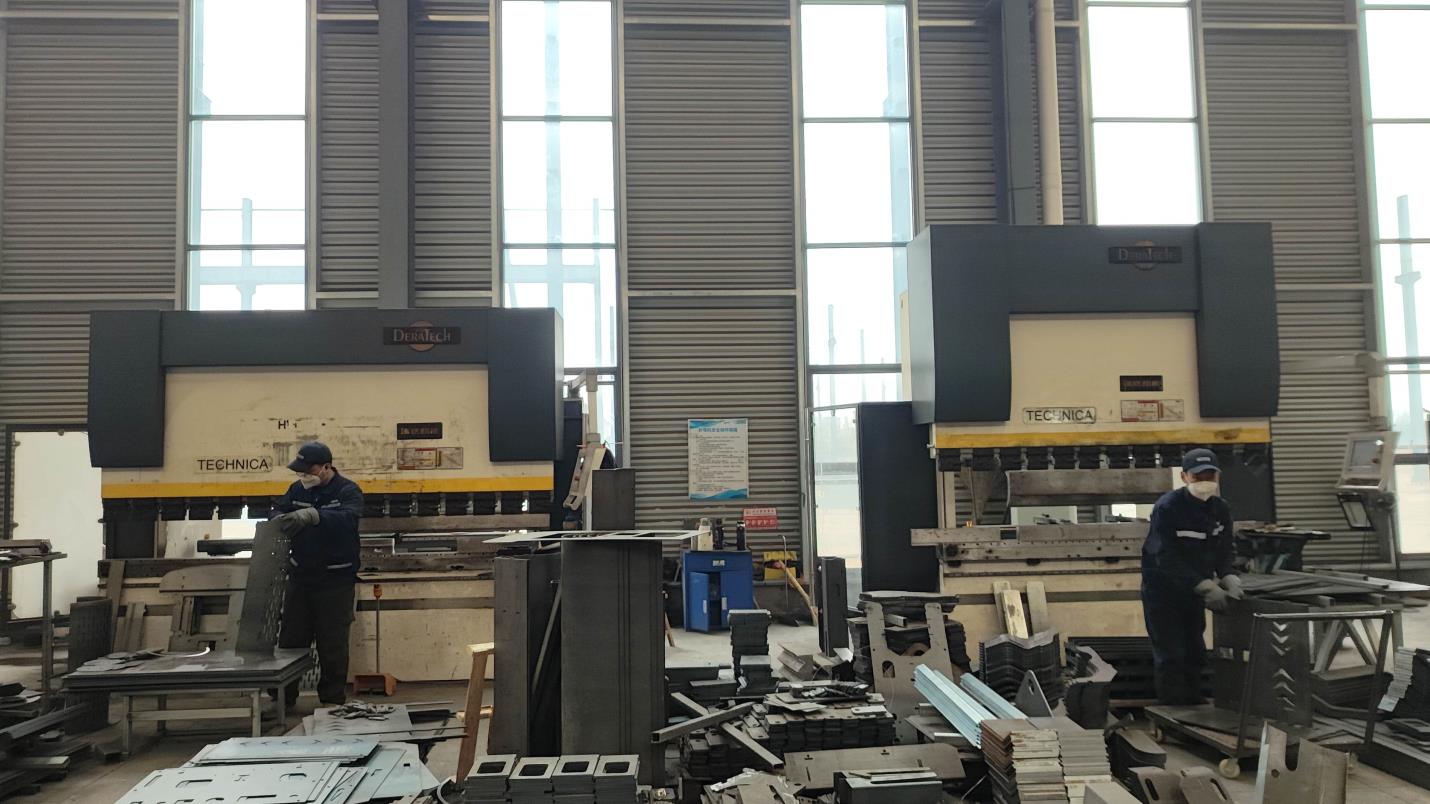
Advanced machining centers drill and mill steering knuckles, hub components, and motor adapter plates to tight clearances.
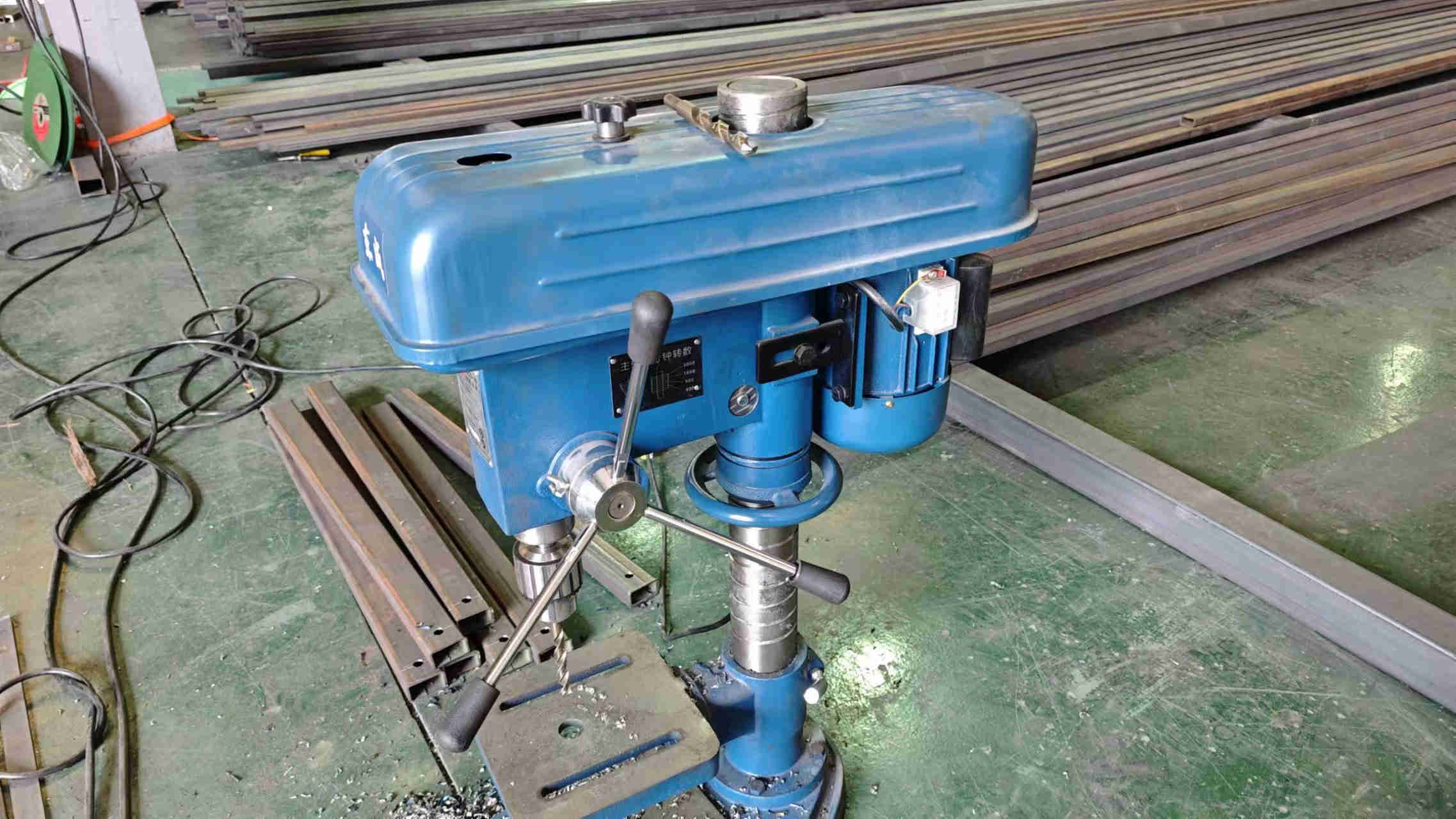
Automated drill presses establish mounting positions on structural frame members, ensuring consistent alignment of suspension joints.
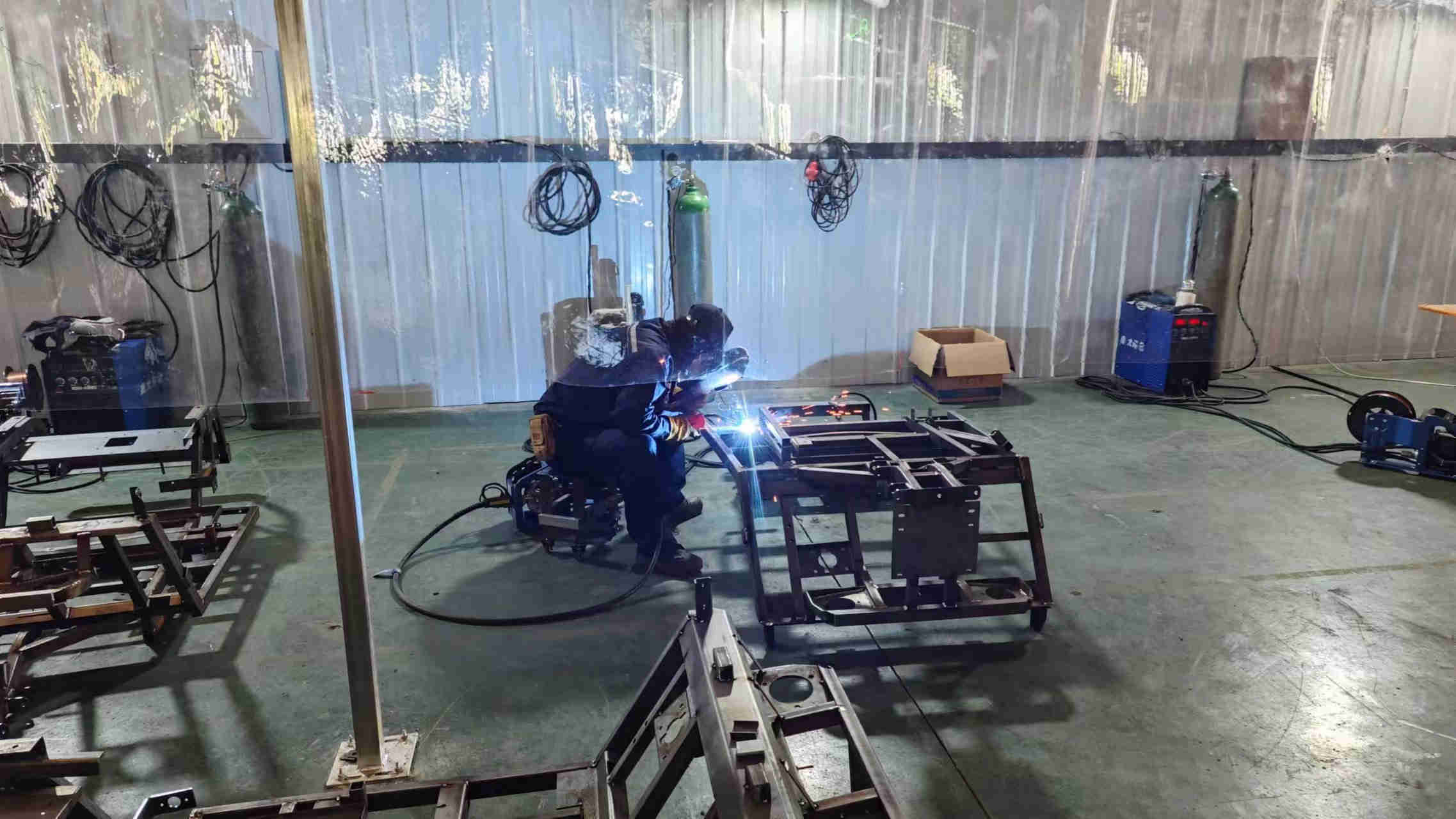
Skilled technicians utilize precise welding jigs to join the main ladder frames, preventing thermal distortion.
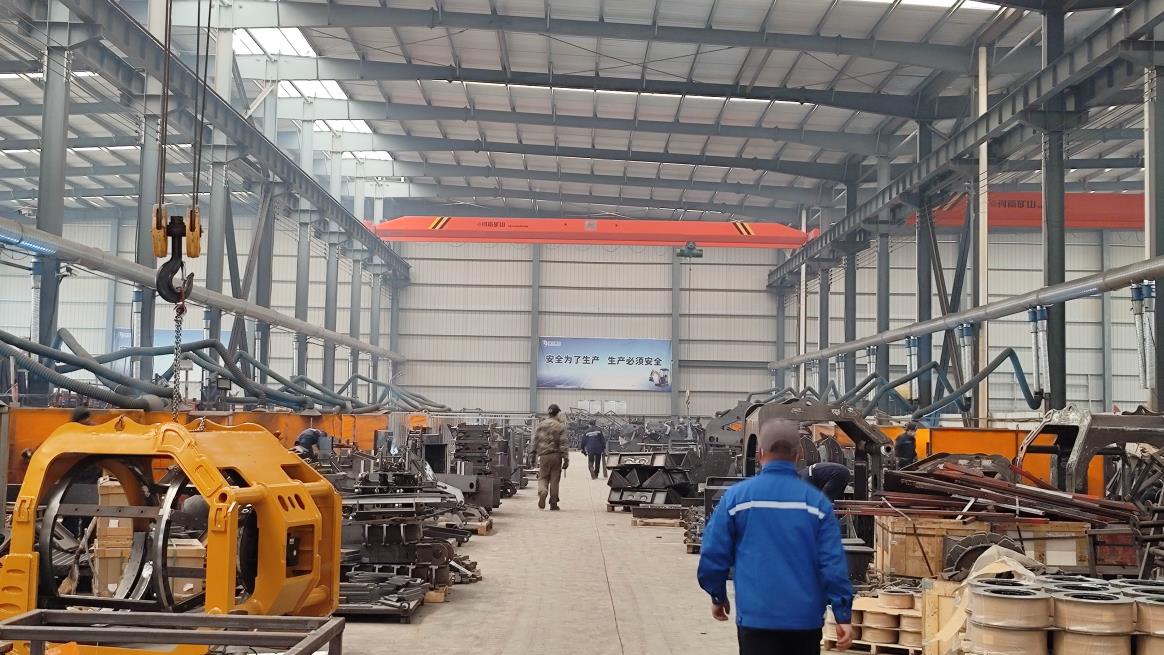
Structural frame reinforcements, seat brackets, and auxiliary gear mounts are welded onto the chassis assembly.
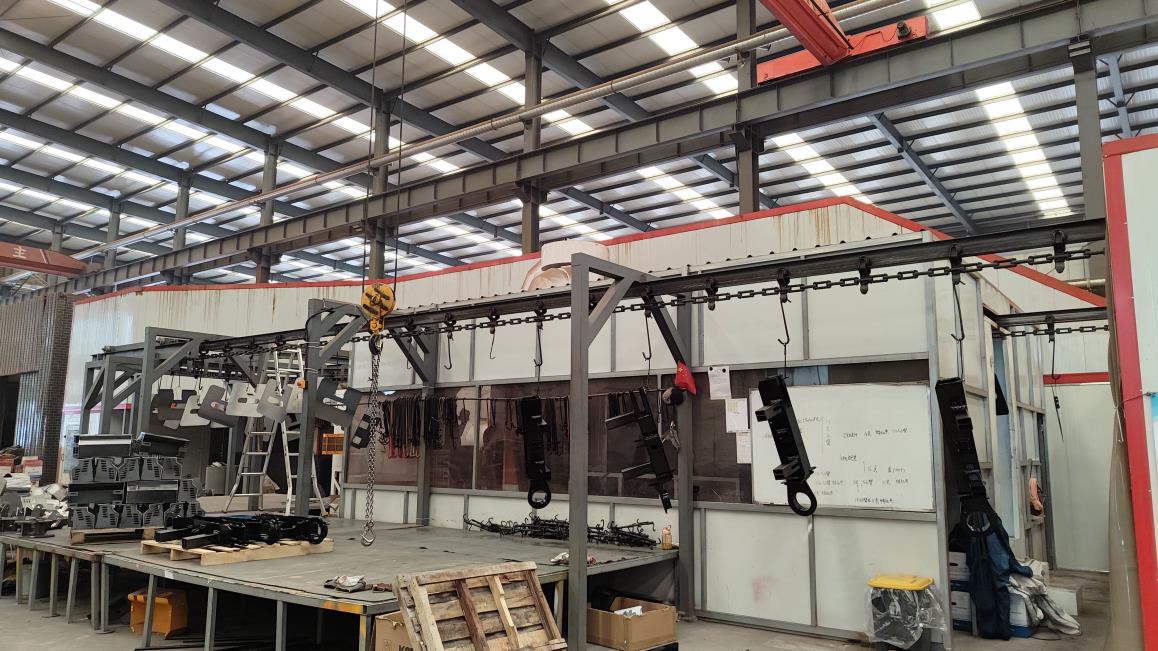
Automotive-grade electrostatic powder coating applies a thick, corrosion-resistant barrier over shot-blasted bare metal surfaces.
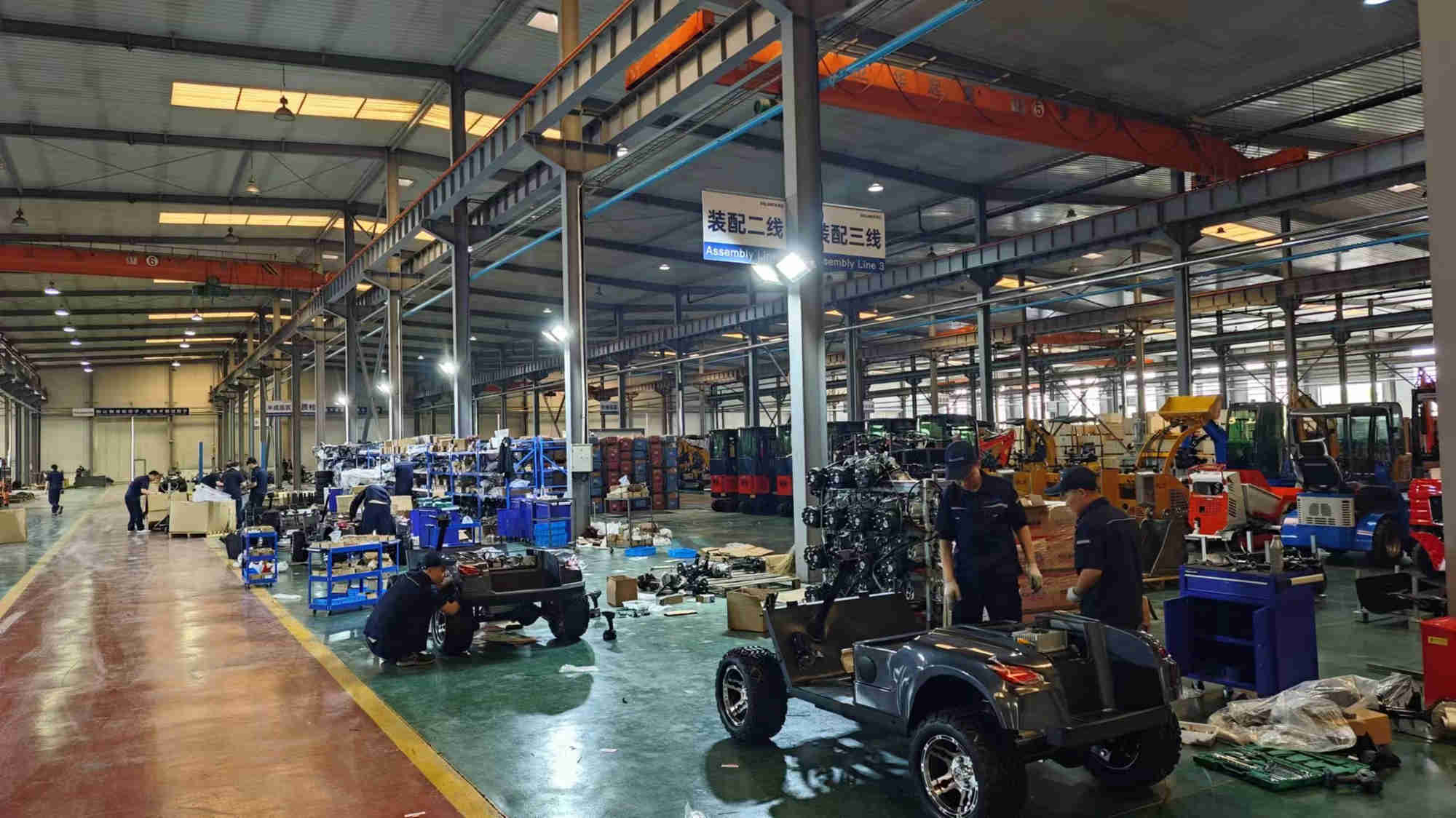
The drivetrain, steering linkages, front and rear transaxles, and hydraulic disc braking components are integrated into the main chassis.
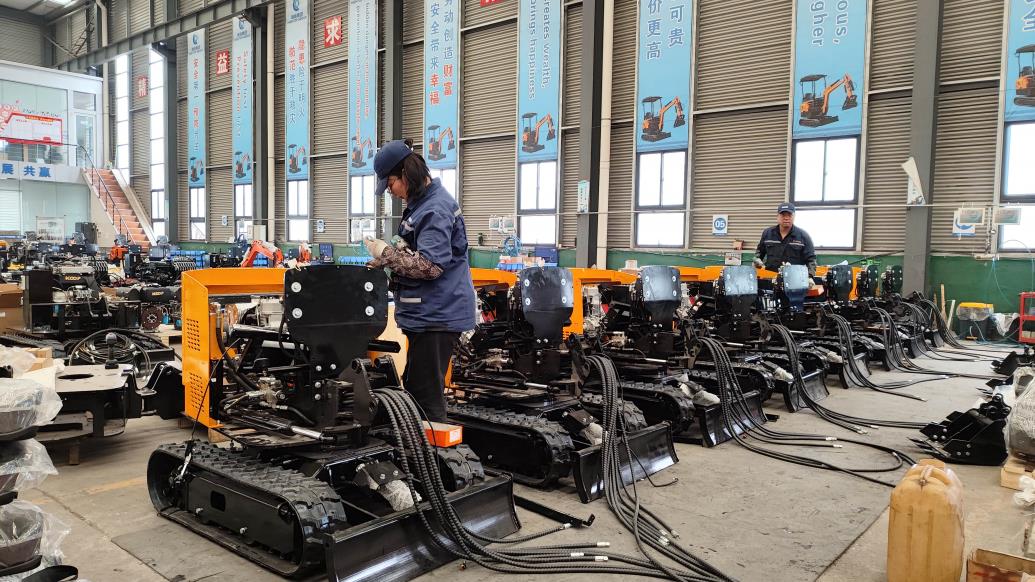
High-voltage wiring harnesses, motor controllers, battery packs, and vehicle control units are installed and routed.
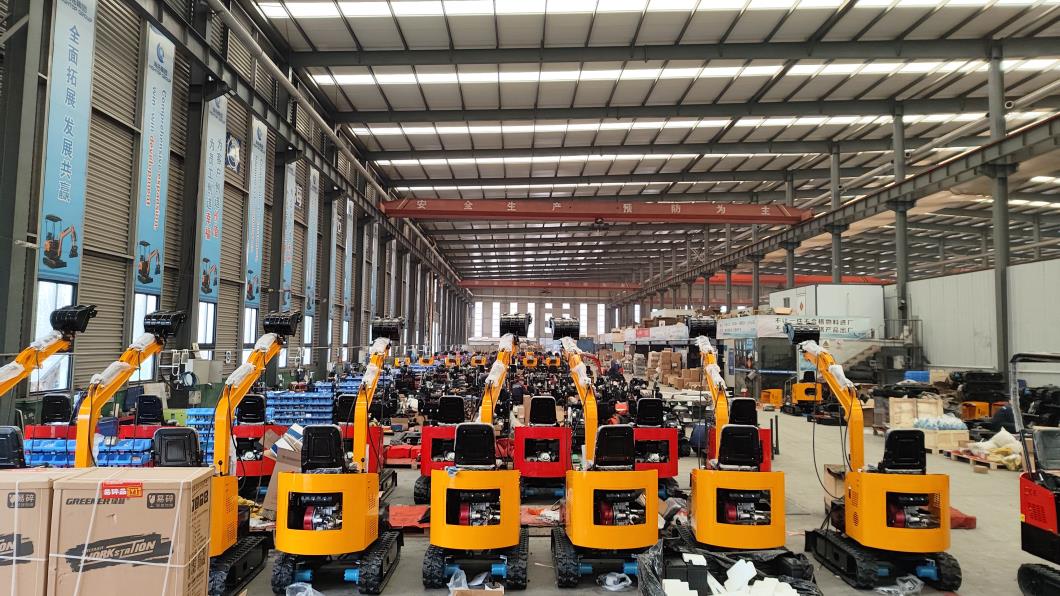
Thermoplastic ABS body panels, custom graphical overlays, passenger seating, dash panels, and windshield assemblies are fitted.
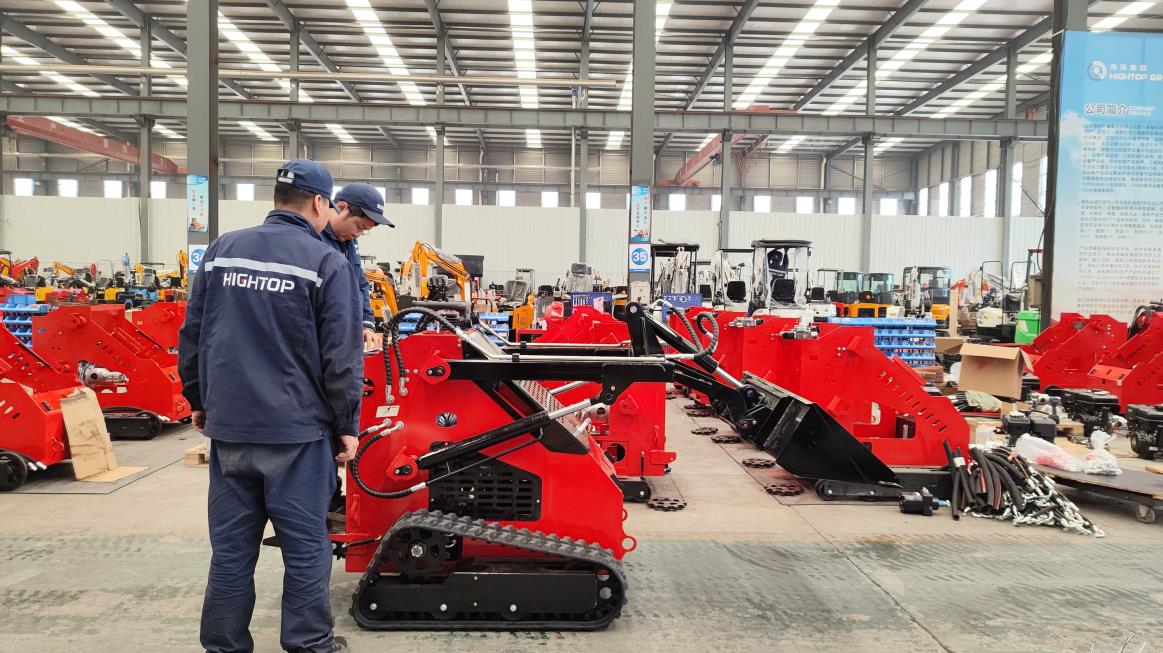
All systems undergo computer diagnostics, wheel alignment, brake force verification, dynamic acceleration runs, and insulation monitoring checks.
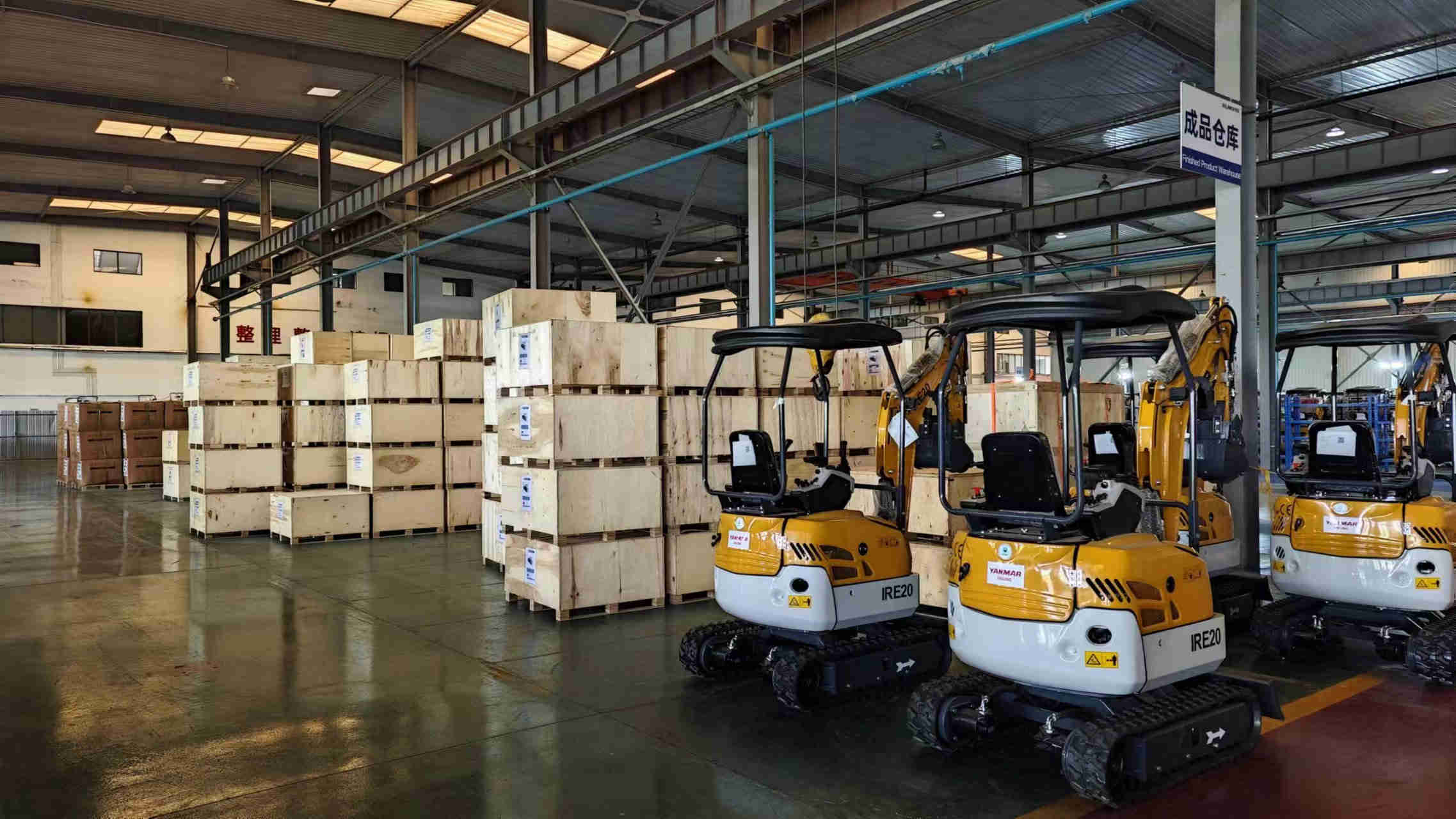
Vehicles undergo a final visual review, protective packaging application, and container loading configuration steps for safe shipping.
Discover how our low-speed vehicle platforms adapt to diverse regulatory and operational requirements globally.
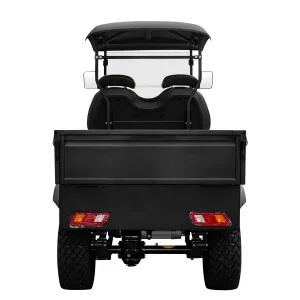
Electric utility vehicles replace internal combustion engines in confined warehouse environments, food processing centers, and heavy industrial yards. Delivering zero tailpipe emissions and low noise, they provide high torque at low speeds for moving maintenance crews, tools, and cargo.
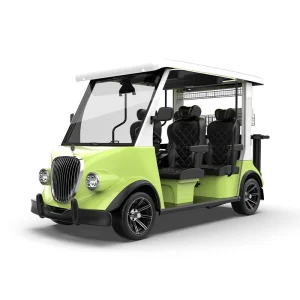
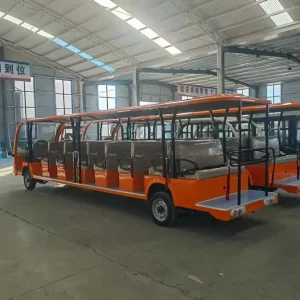
For premium hotels, eco-resorts, and private islands, vehicle aesthetic appeal and passenger comfort are paramount. Our multi-seater sightseeing vehicles transport guests quietly, and custom graphics can match the resort's brand image.
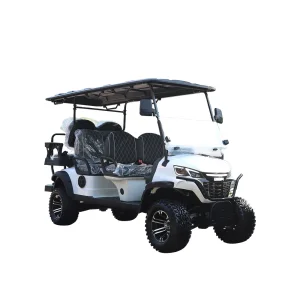
Master-planned residential zones and retirement villages use low-speed electric vehicles (LSVs) as primary transport. Equipped with headlamps, turn signals, mirrors, and seatbelts, they provide safe and convenient short-trip transport.
Addressing the core technical, regulatory, and logistics questions raised by B2B buyers and engineers.
Explore our heavy-duty industrial vehicles, off-road utility buggies, and specialized deep-cycle energy storage solutions.
 Tulip Cart