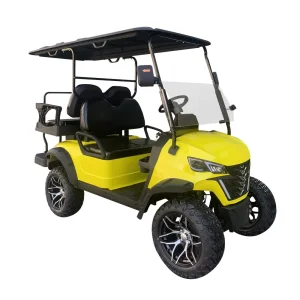
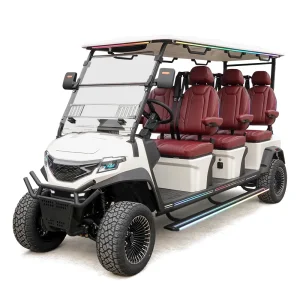
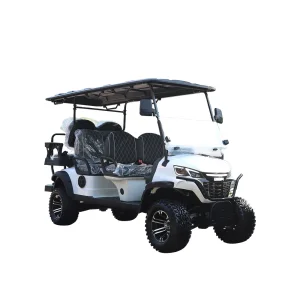
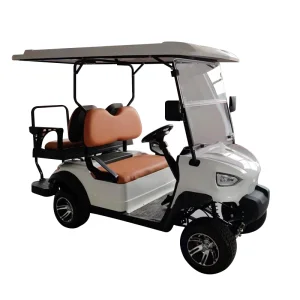
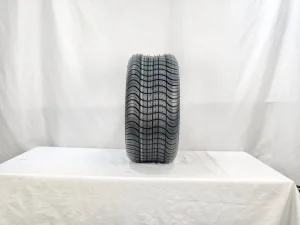
High-efficiency lithium powertrains and robust structural builds configured specifically for SADC import specifications and Namibian off-grid reliability.
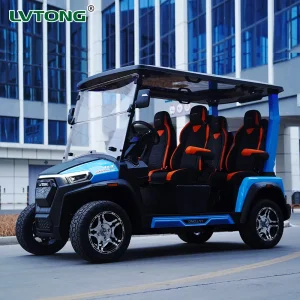
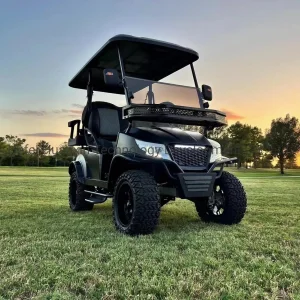
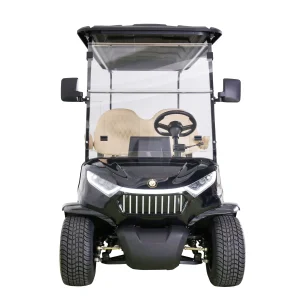
Namibia represents a rapidly maturing market for electric low-speed vehicles (LSVs) and utility fleets. Driven by a surge in high-end eco-tourism, strict regional environmental preservation guidelines (particularly in fragile desert biomes), and the growing demand for low-maintenance, off-grid transport in elite lifestyle estates, the market for 4-seater golf carts in Namibia is experiencing a fundamental structural shift.
Traditionally dependent on internal combustion engines, modern Namibian operations across Windhoek, Swakopmund, and remote tourist hotspots are actively phasing out fuel-powered units. The replacement cycles prioritize reliable lithium battery setups capable of handling intense solar exposure, coastal salinity, and rough gravel roads without constant mechanical servicing.
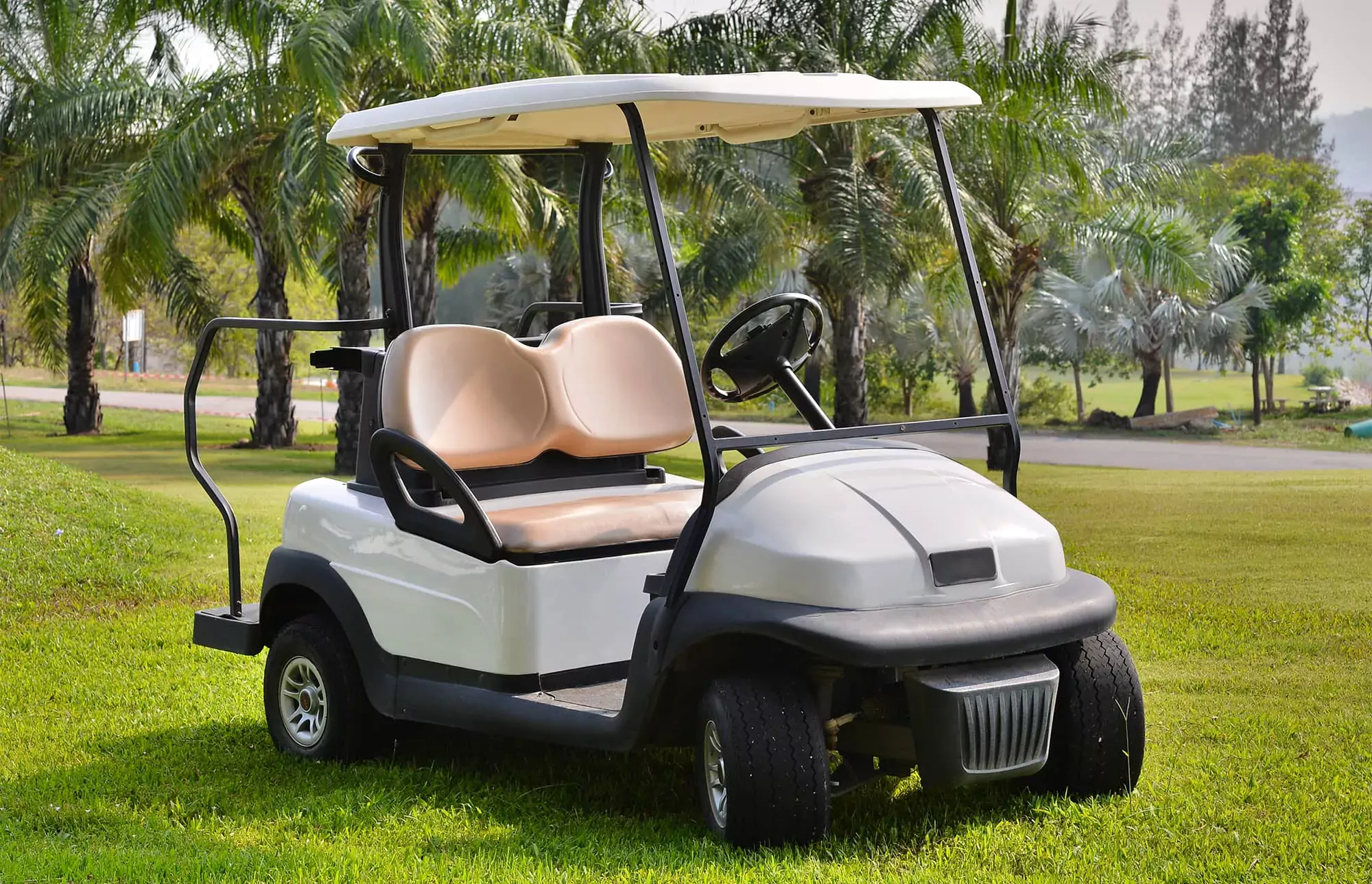
How technological evolutions match the local procurement priorities of Southern African enterprises.
Namibia boasts one of the highest solar irradiance levels globally. Commercial entities are increasingly configuring 4-seater golf carts to charge directly off local solar micro-grids. Lithium battery chemistry (specifically LiFePO4) is essential here: it offers high thermodynamic stability, avoiding thermal runaway in extreme environments like Sossusvlei or the Namib-Naukluft region.
In coastal commercial zones such as Walvis Bay and Swakopmund, salt fog and high humidity trigger accelerated oxidation. SADC fleet procurement managers now mandate marine-grade electrical wiring harness connectors, hot-dip galvanized steel chassis, and multi-layer polyurethane coatings to guarantee a structural lifespan exceeding 10 years.
| Application Sector | Primary Requirement | Recommended Configuration |
|---|---|---|
| Eco-Lodges & Safaris | Ultra-quiet operation, high ground clearance | Lithium 76.8V + Off-road tires + Dampened suspension |
| Golf Estates (e.g., Rossmund) | Turf protection, high-efficiency motor | 48V/72V AC Brushless + Low-pressure turf tires |
| Industrial / Walvis Bay Port | Cargo capacity, towing capacity | Rear flip-flop seat-to-cargo bed cargo deck conversion |
| Residential Estates | Street legal package, lighting kits, comfort | LED headlamps, hydraulic disc brakes, 3-point seatbelts |
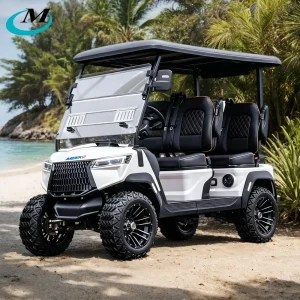
Designed for rugged off-road performance and multi-passenger transport in resort environments.
Understanding logistics, standards compliance, and localized fleet readiness for direct procurement from China.
B2B buyers, municipal planners, and estate developers in Namibia require reassurance on international certification compliance and shipping coordination. Direct factory imports must navigate port clearances at Walvis Bay and coordinate local distribution overland to Windhoek or Swakopmund efficiently.
We streamline the shipping pipeline from China directly to Southern Africa. By offering modular CKD (Completely Knocked Down) and SKD (Semi-Knocked Down) options, we optimize container volumetric efficiency—slashing ocean freight tariffs per unit.
How Yangzhou Tulip Cart Co., Ltd. deploys precision automation to guarantee quality consistency and scale advantages.
Yangzhou Tulip Cart Co., Ltd. is a leading provider of golf carts and accessories, specializing in the design, production, and sales of electric vehicles, low-speed new energy vehicles, and specialized vehicles. With a strong focus on quality and innovation, we are committed to providing reliable, eco-friendly, and high-performance transportation solutions for a wide range of industries.
Our products are certified by ISO9001, National CCC, and other international standards, ensuring that we consistently meet the highest safety, quality, and environmental requirements.
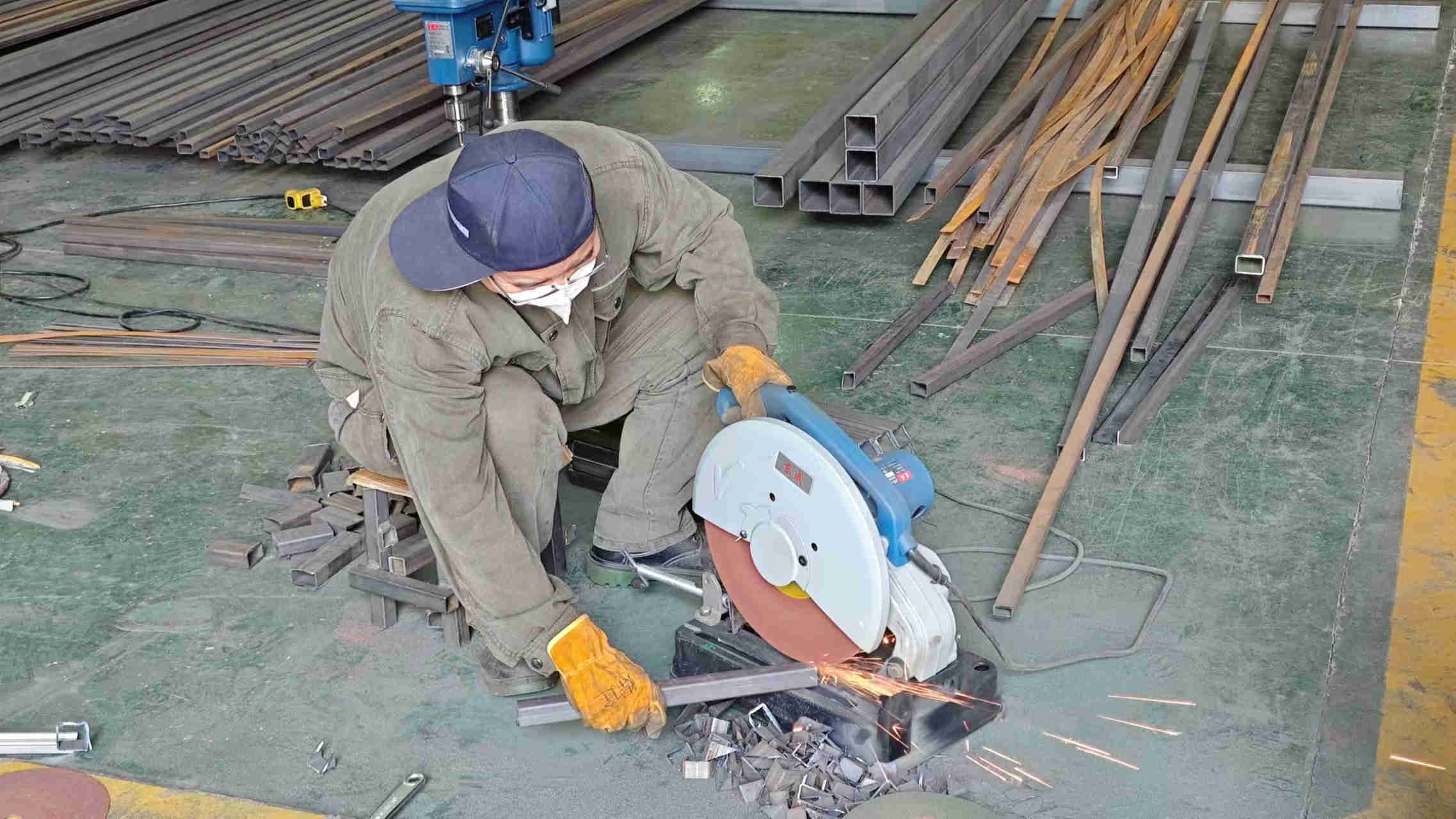
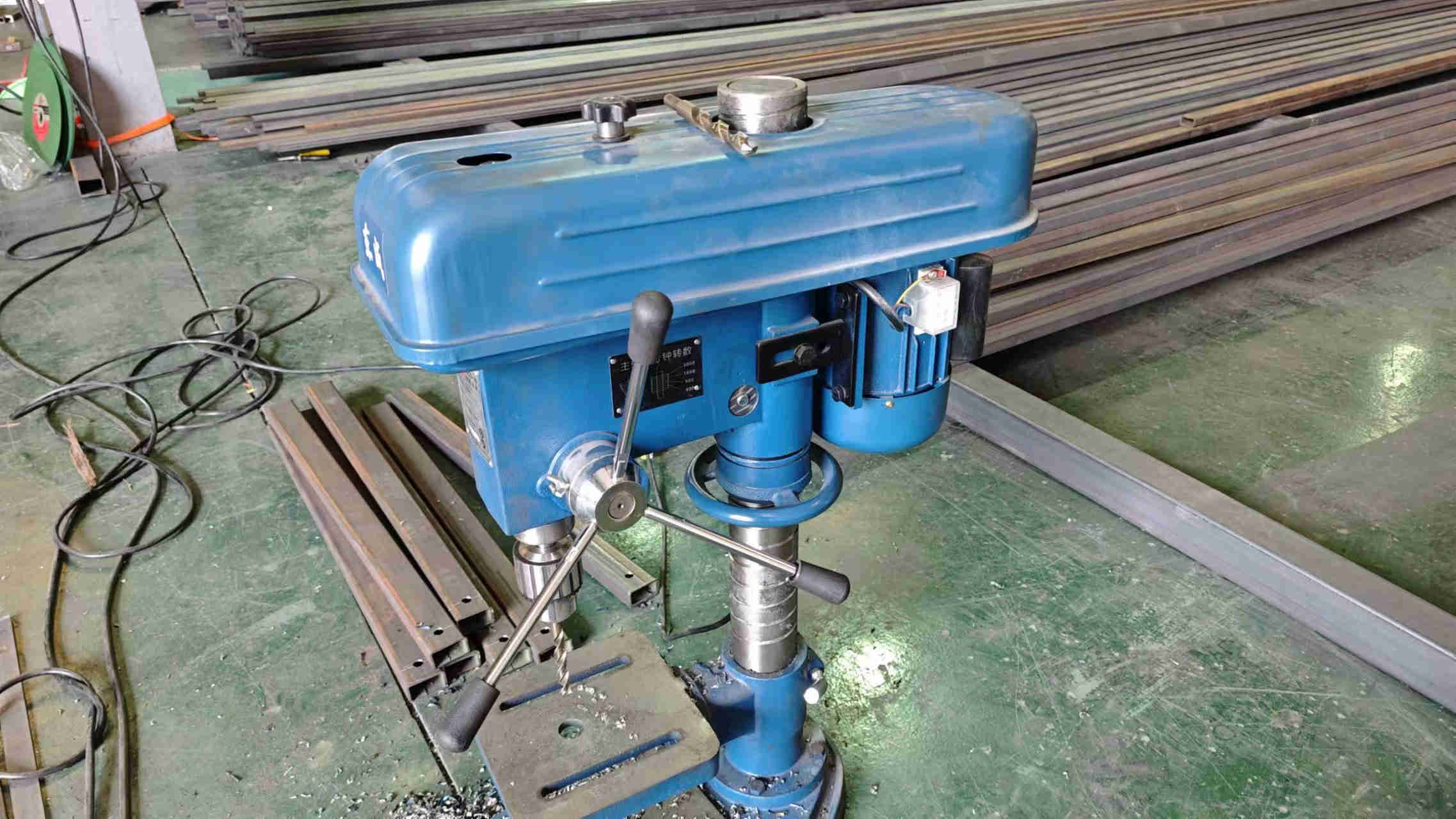
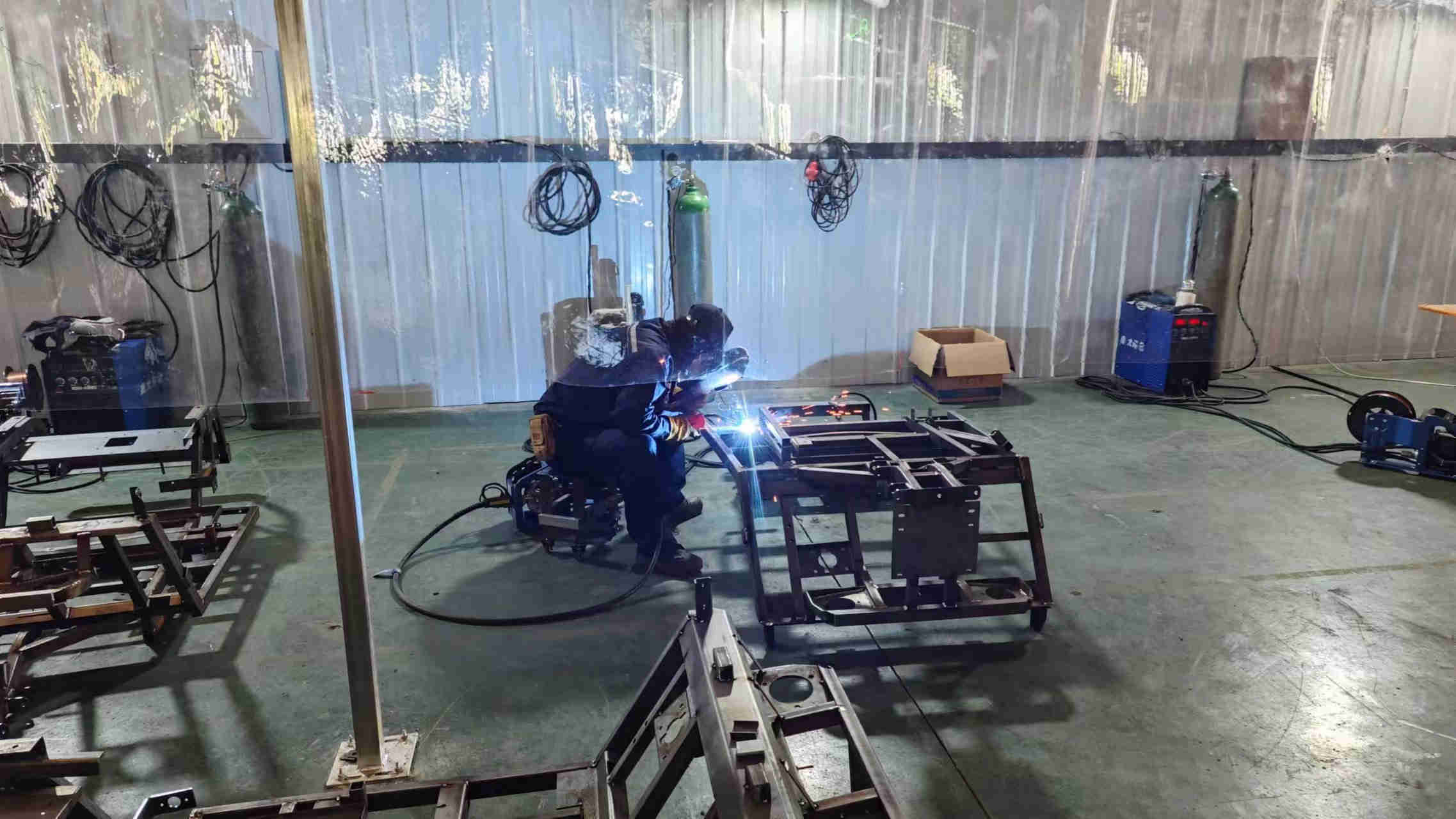
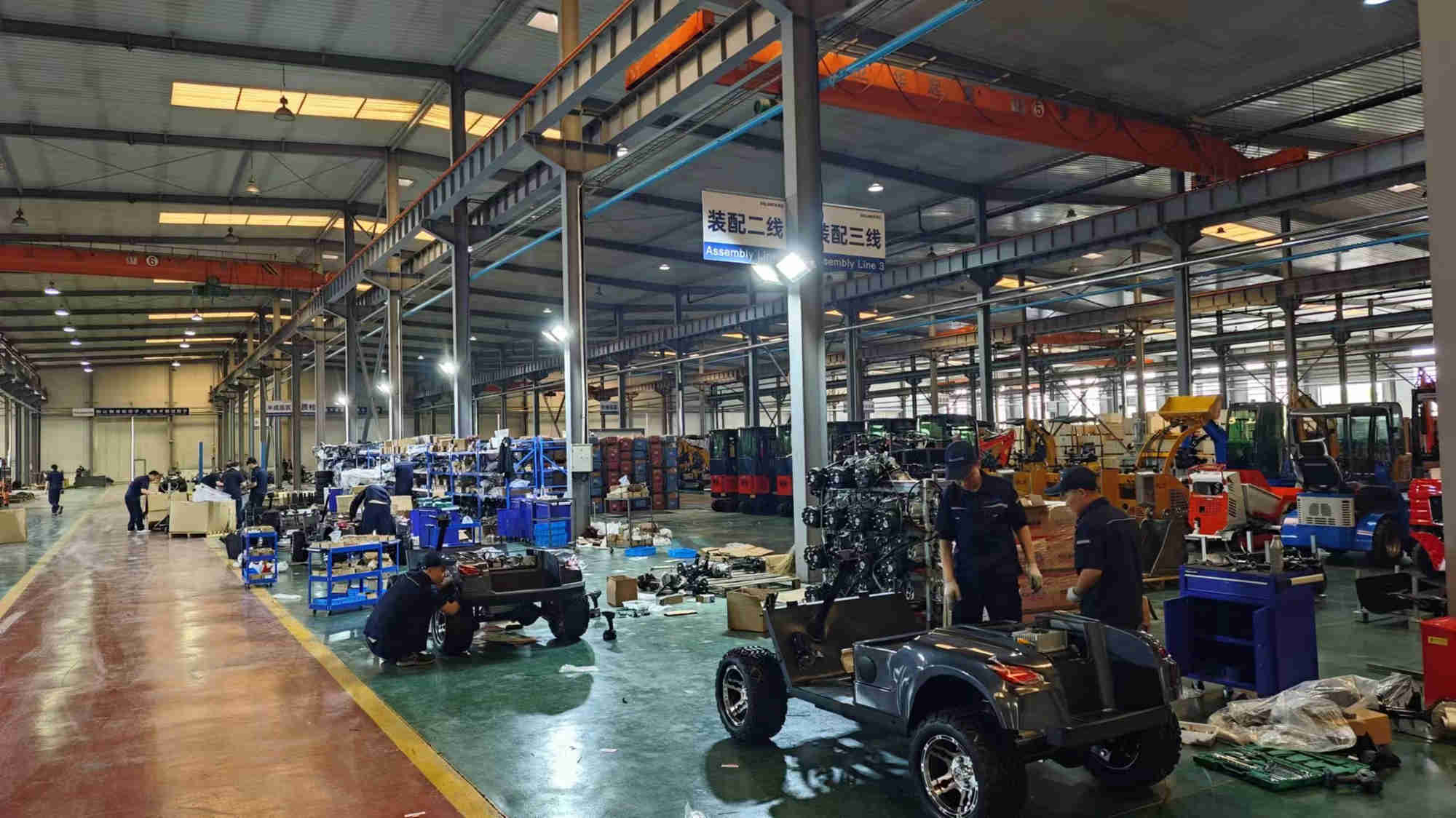
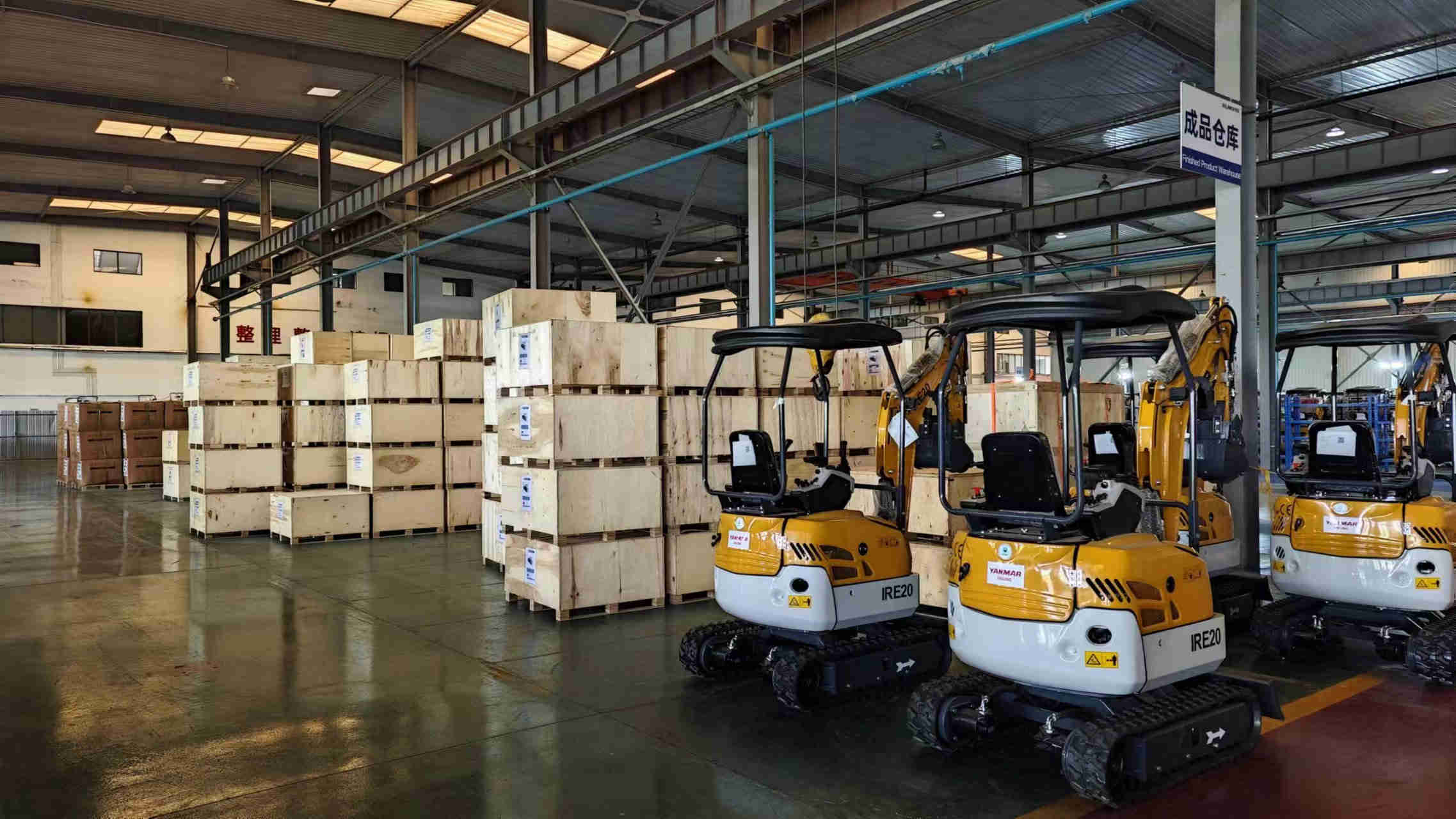
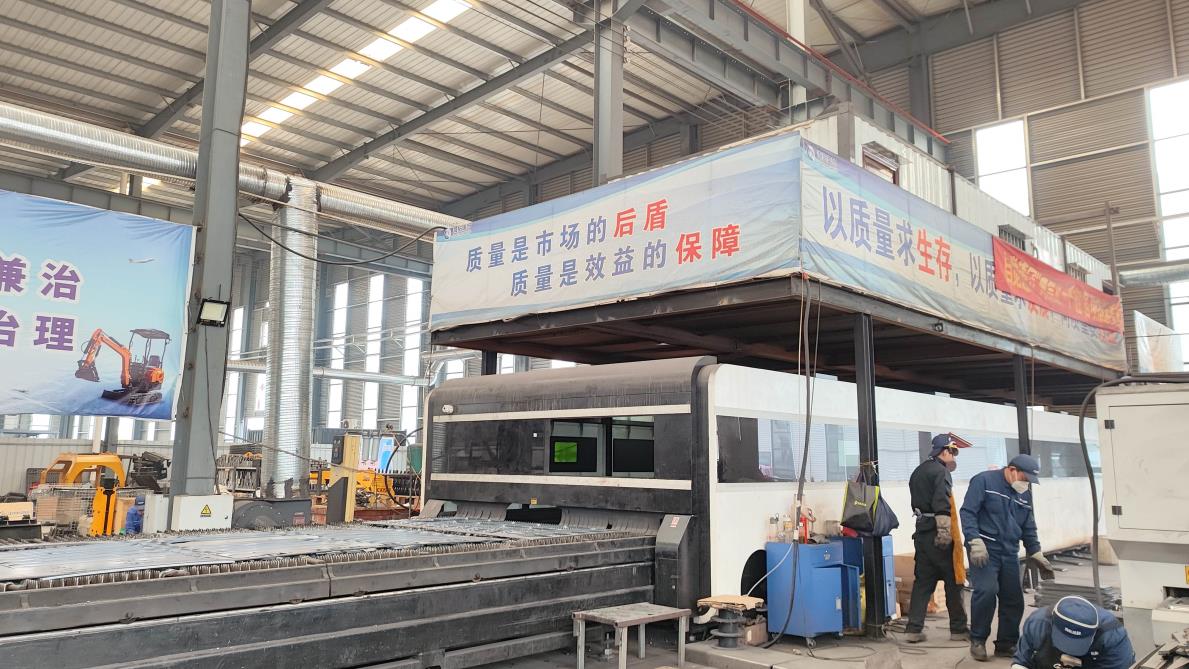
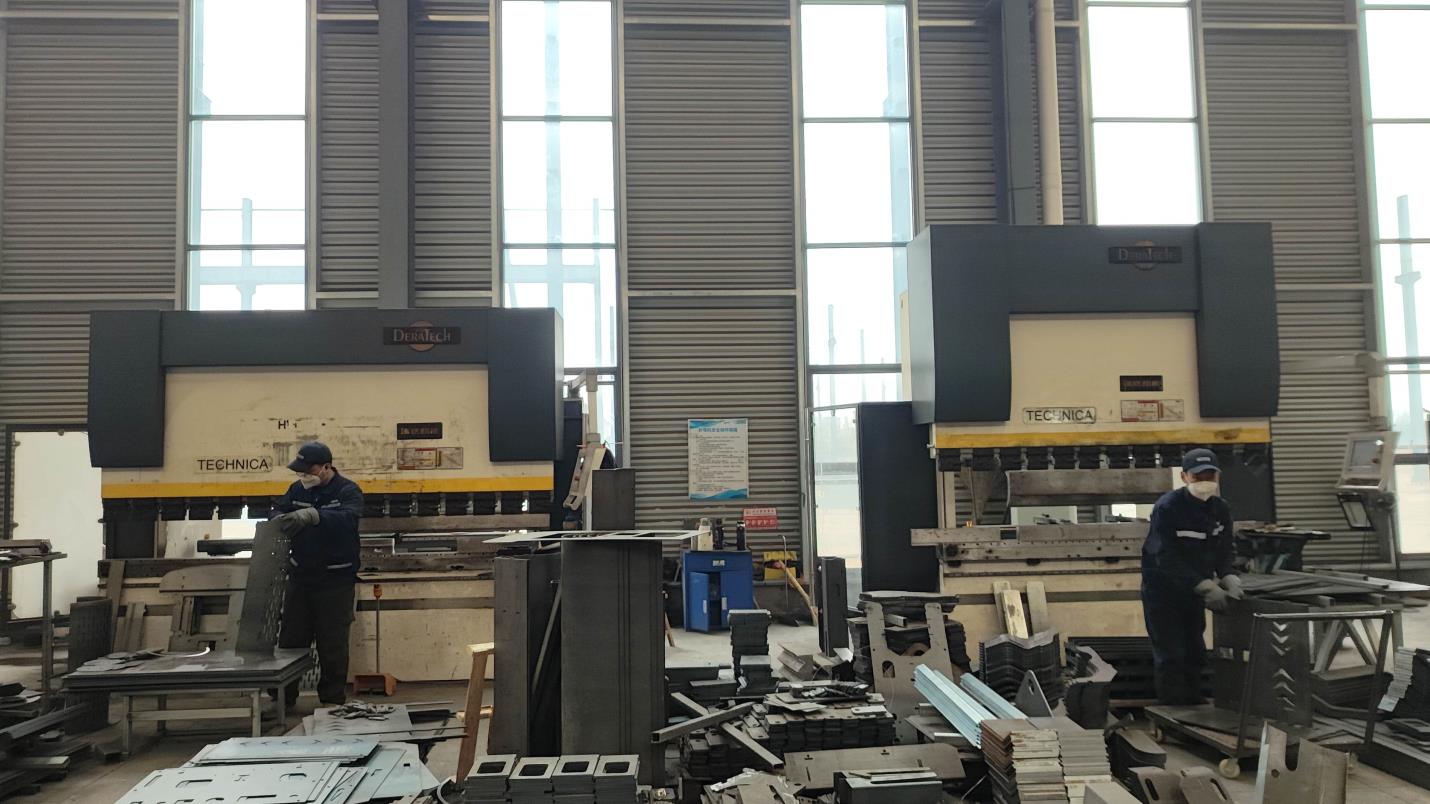
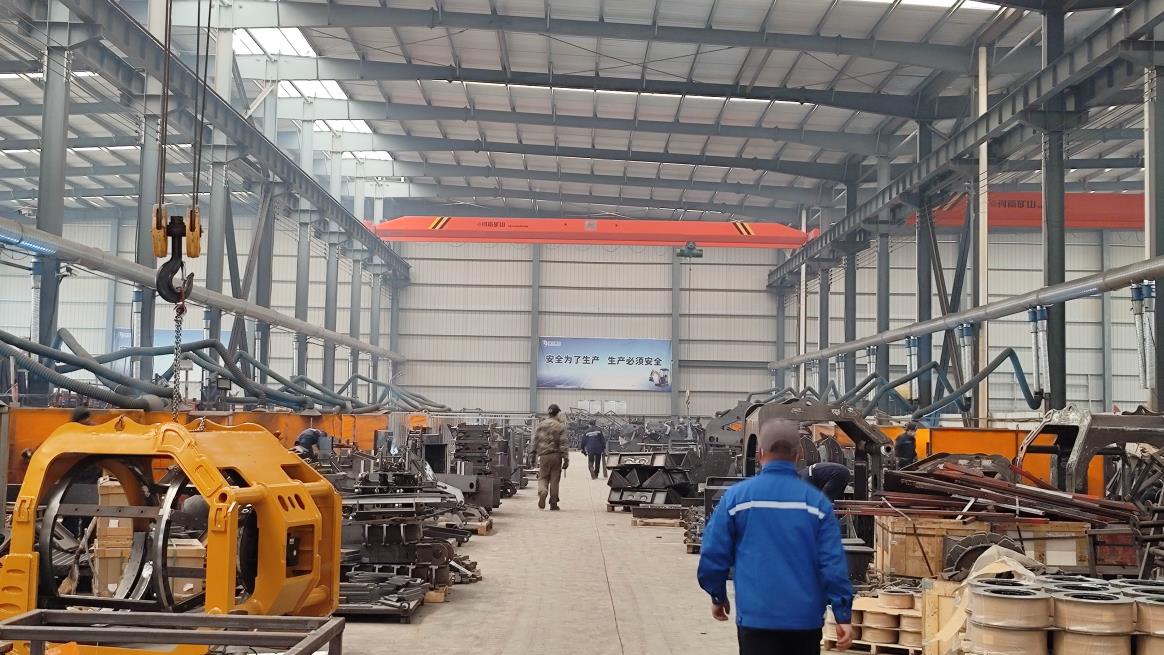
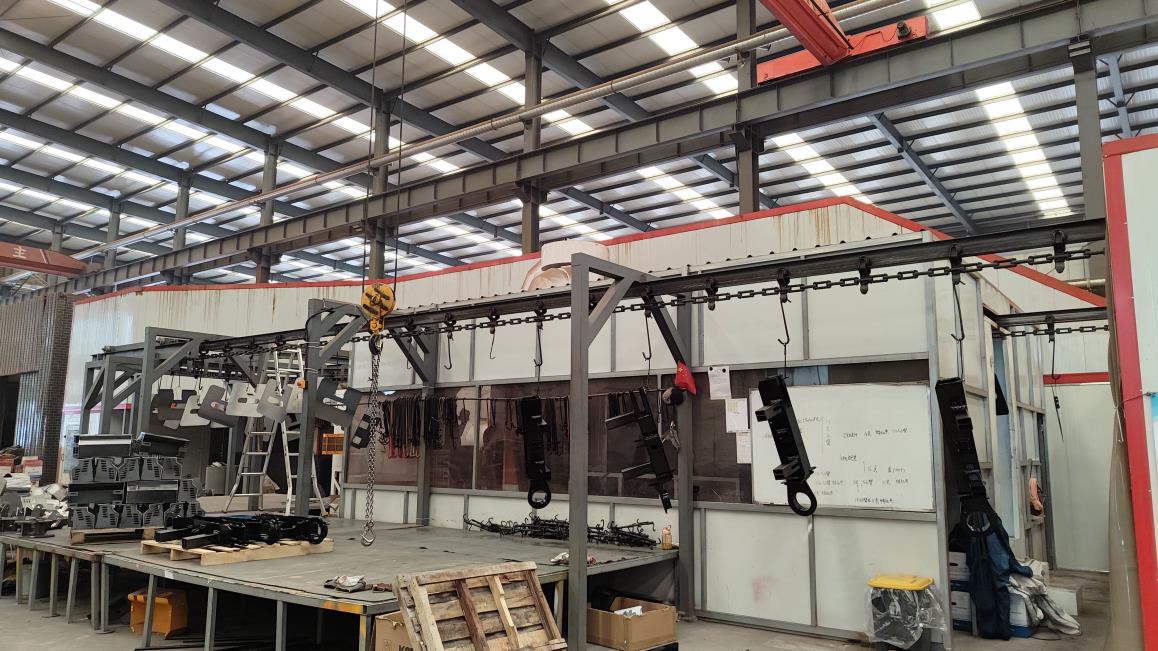
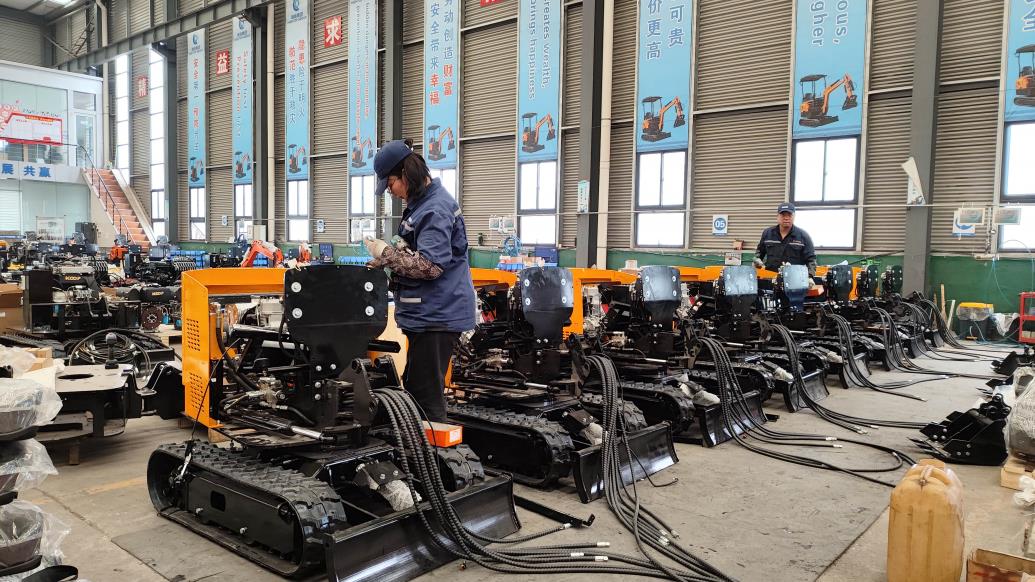
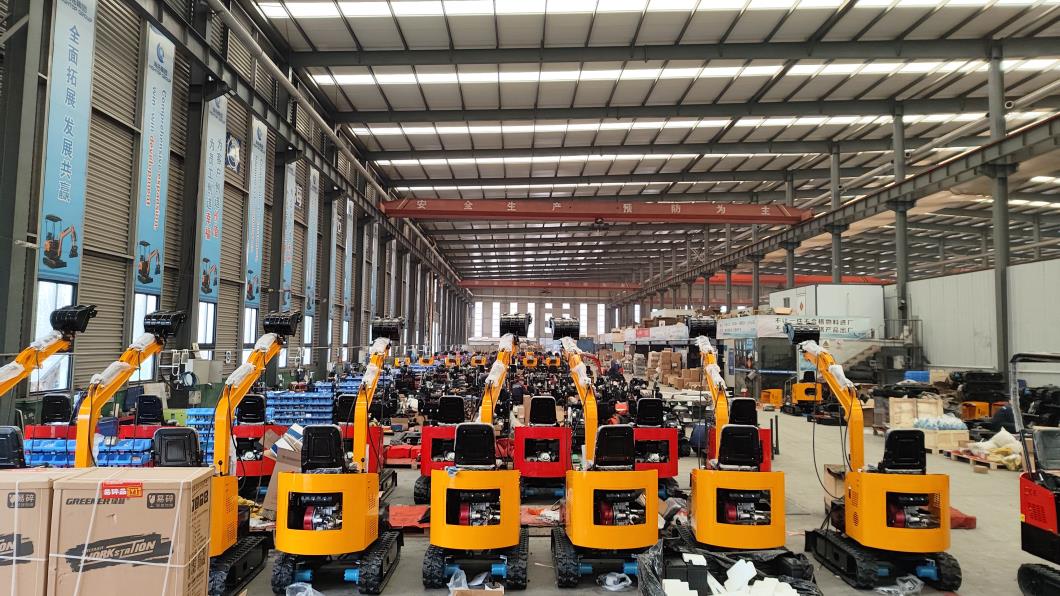
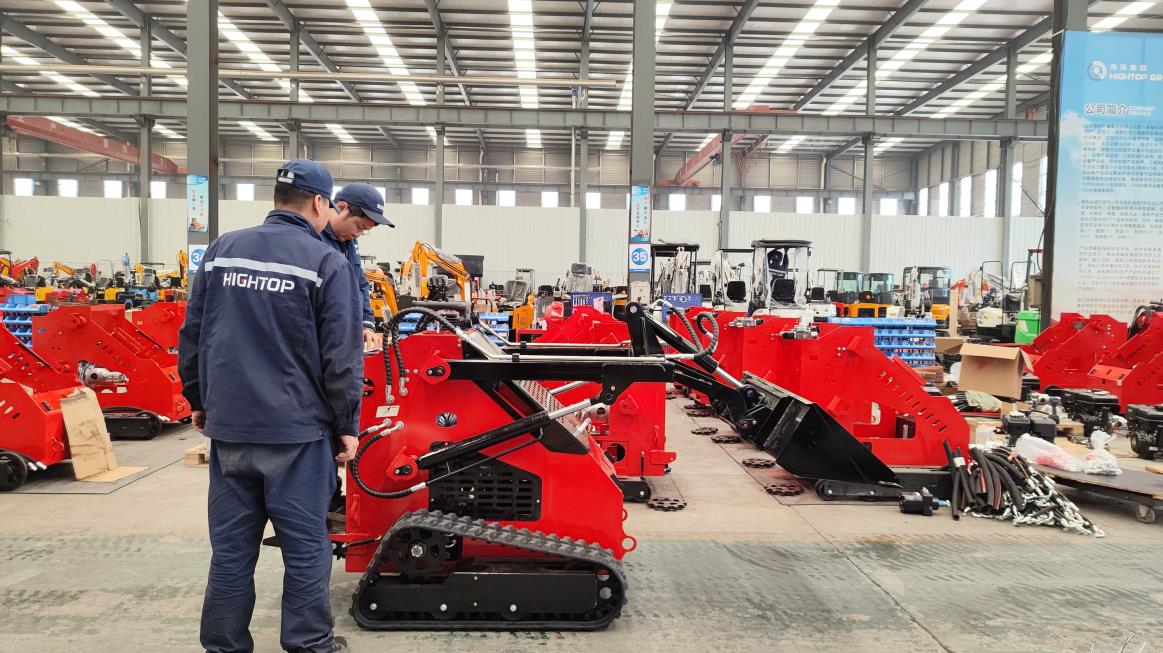
At Yangzhou Tulip Cart Co., Ltd., we recognize that golf carts are no longer confined to fairways. They are essential transport links across complex environments. Our catalog includes both high-efficiency electric platforms and reliable, low-emission gasoline alternatives to cover every operational scenario.
Every vehicle supports high-degree customization. We can custom-wrap or paint the vehicle body with bespoke graphics—ranging from family emblems or playful resort cartoons to corporate logos. Standard configurations include comfortable premium seats, USB charging points, and dynamic Bluetooth entertainment integration.
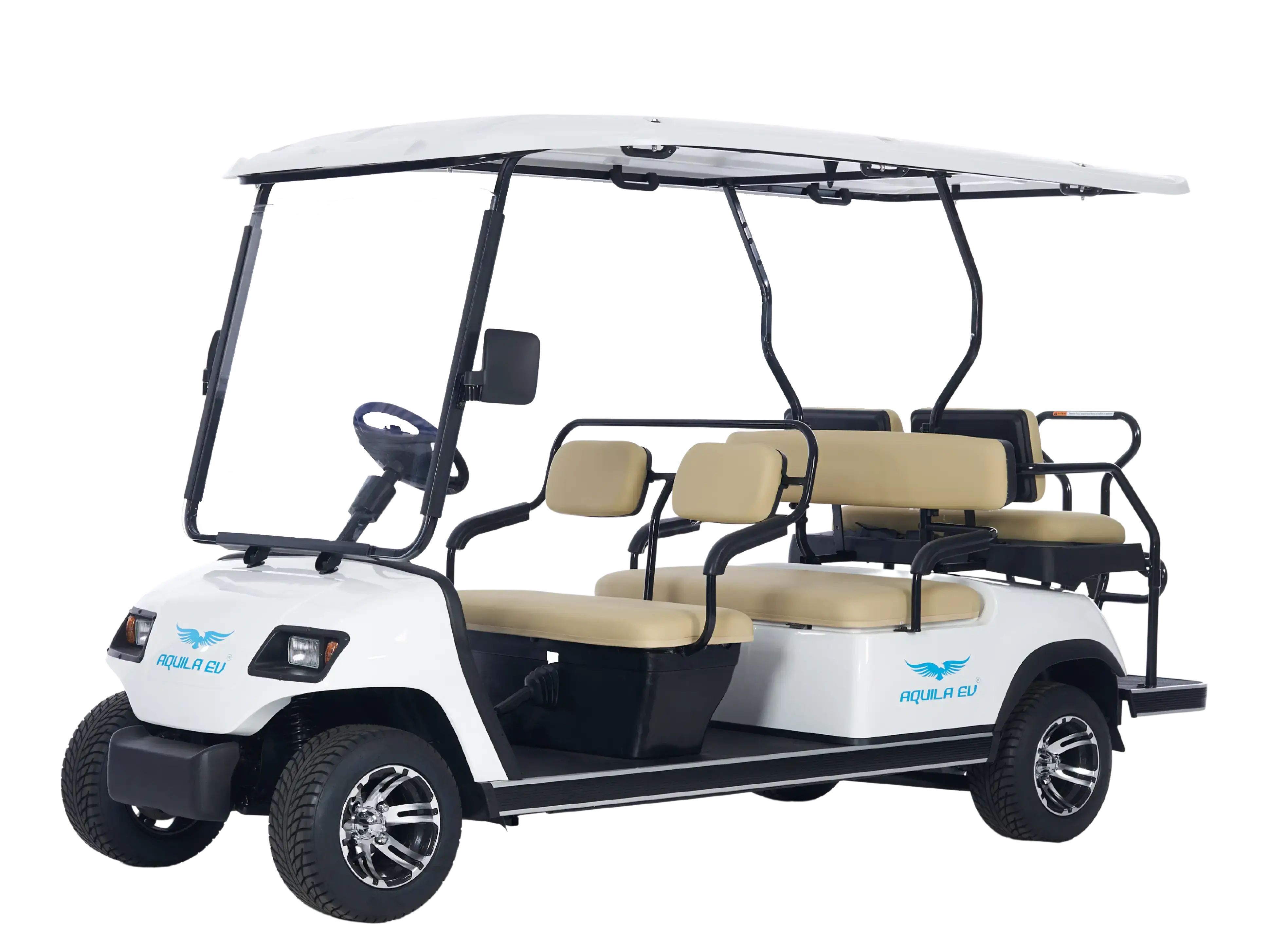
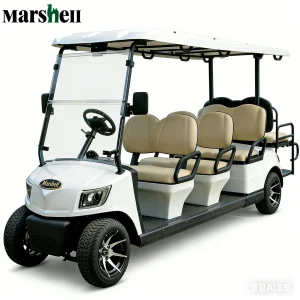
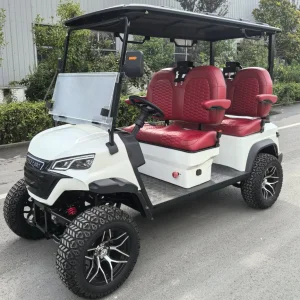
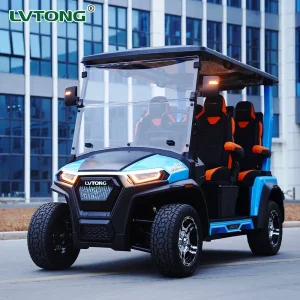
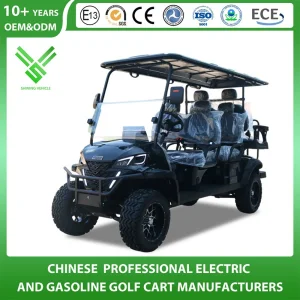
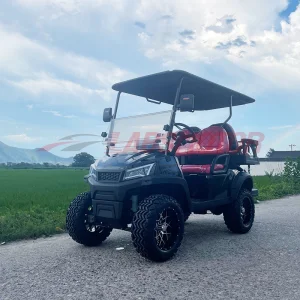
From neighborhood neighborhood runabouts to lifted heavy-duty utility 4WD buggies, explore our complete inventory available for Namibia import.
Professional advice on importing, maintaining, and configuring low-speed vehicles for Namibian conditions.
Partner with Yangzhou Tulip Cart Co., Ltd. for factory-direct wholesale pricing, heavy-duty engineering adjustments, and robust shipping coordination directly to Windhoek, Swakopmund, and Walvis Bay.
Contact Our Export Specialists Tulip Cart