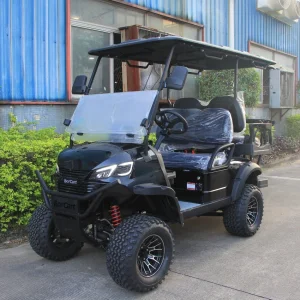
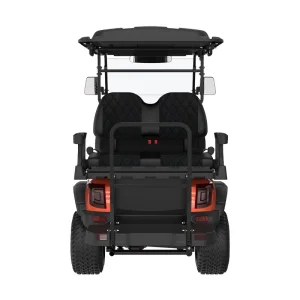
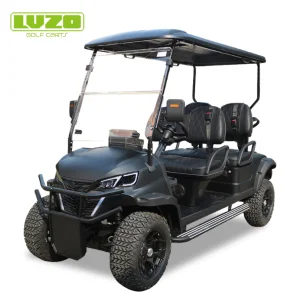
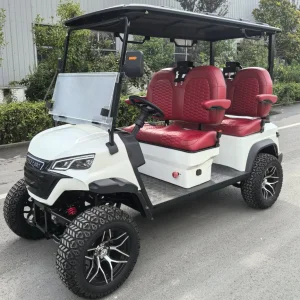
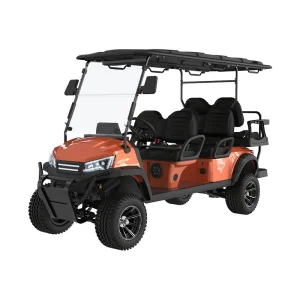
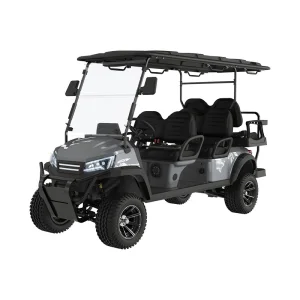
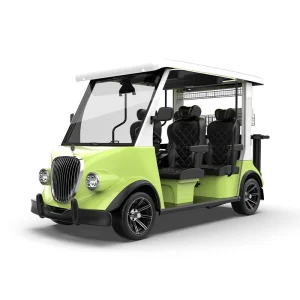
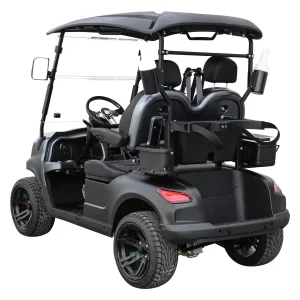
Explore our high-performance street-legal utility vehicles, engineered with advanced power architectures and certified safety packages.
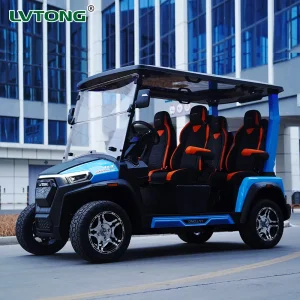
As golf carts transition from simple golf course operations to multi-terrain Low-Speed Vehicles (LSVs), Personal Transportation Vehicles (PTVs), and autonomous Automated Guided Vehicles (AGVs), the technological standards governing auxiliary lighting systems have undergone structural changes. Street-legality demands compliance with global safety standards, including the United States Department of Transportation (DOT), Federal Motor Vehicle Safety Standards (FMVSS 500), and European Economic Community (EEC) directives.
For industrial procurers, fleet managers, and distributors, finding qualified lighting factories and exporters is not merely about finding the lowest unit cost. It requires evaluating thermal management, ingress protection (IP ratings), electromagnetic compatibility (EMC), and optical lens engineering. This industry report evaluates the leading OEM/ODM lighting capabilities necessary to support advanced electric architectures.
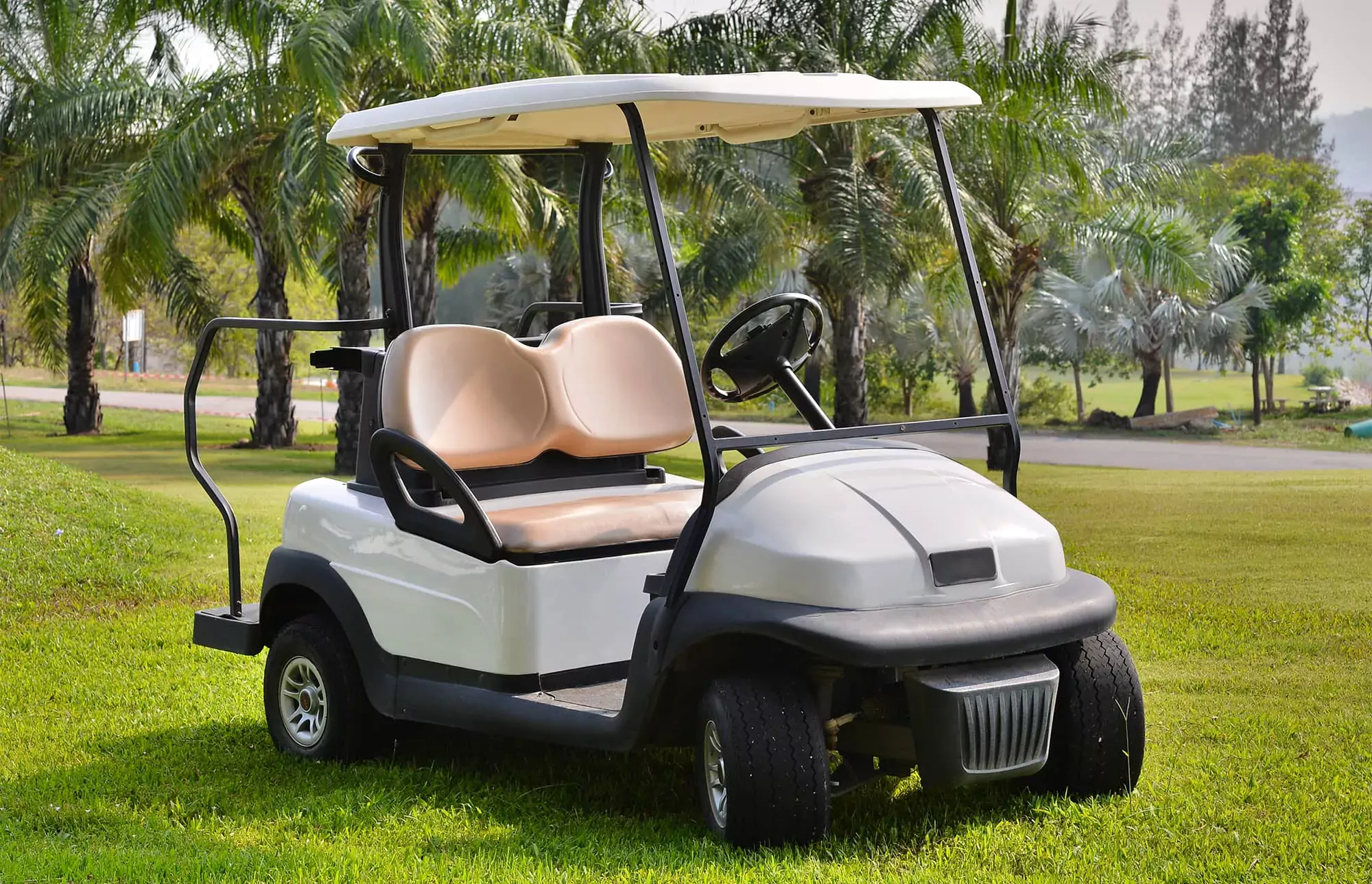
Key technical benchmarks that separate high-tier suppliers from consumer-grade assemblers.
Top-tier lighting exporters utilize high-intensity SMD or COB LED chips combined with PMMA (polymethyl methacrylate) or polycarbonate lenses. These components achieve light transmission rates above 92%. Precise cutoff lines prevent glare for oncoming drivers, which is a key requirement for DOT and EEC-certified street-legal light bars.
Thermal degradation is a primary cause of LED failure. Industry-standard exporters use 6063 extruded aluminum or A380 die-cast aluminum heat sinks. These housings keep junction temperatures below 80°C, ensuring consistent lumen output over a 50,000-hour operational life.
Modern electric vehicles utilize high-voltage lithium battery systems (ranging from 48V to 76.8V). Sourcing from factories that provide integrated DC-DC step-down converters with wide input ranges (9V-90V DC) protects lighting modules from voltage spikes during regenerative braking.
A transparent look into the production workflows of premium low-speed vehicle chassis and integrated electrical systems.
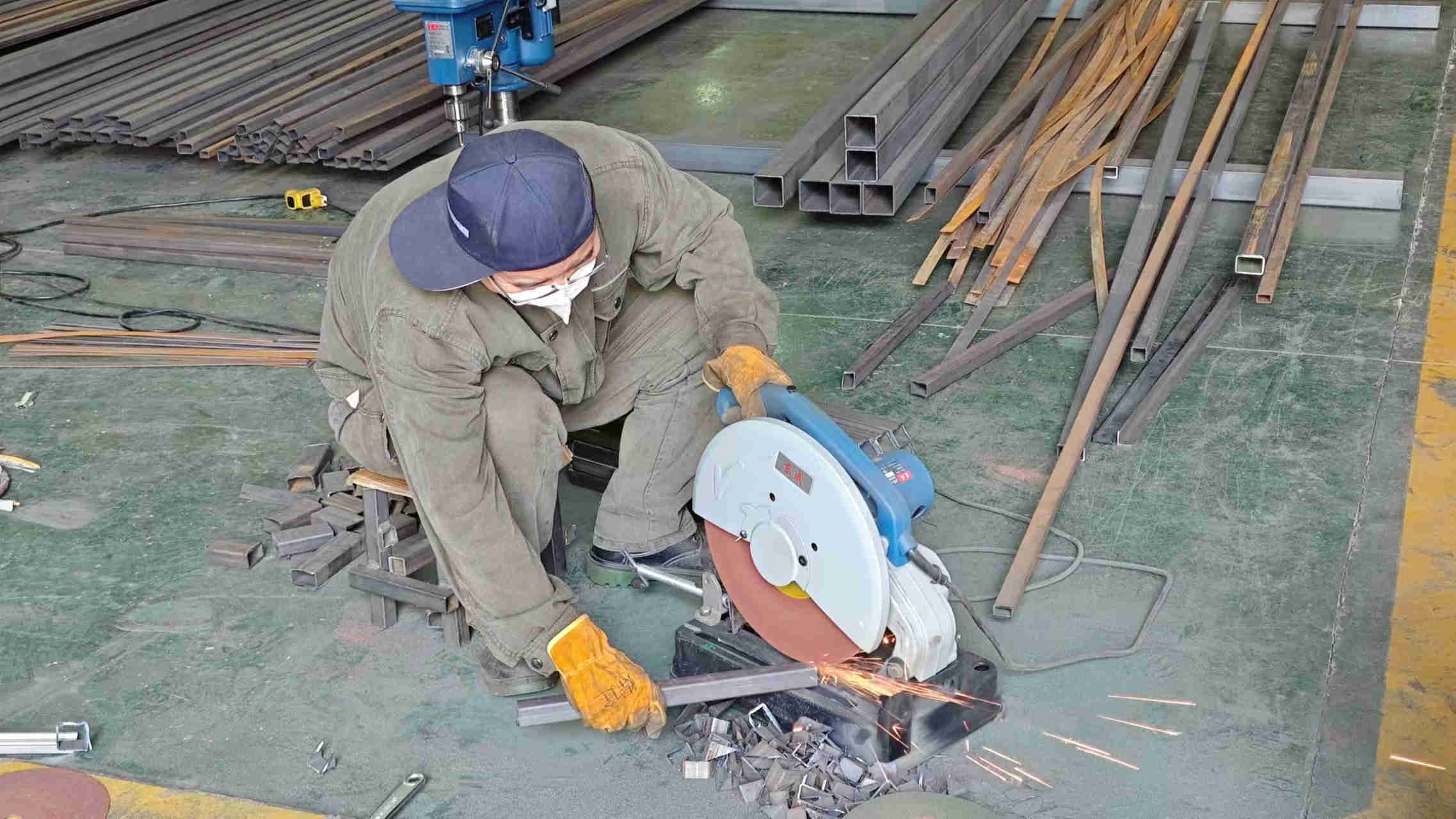
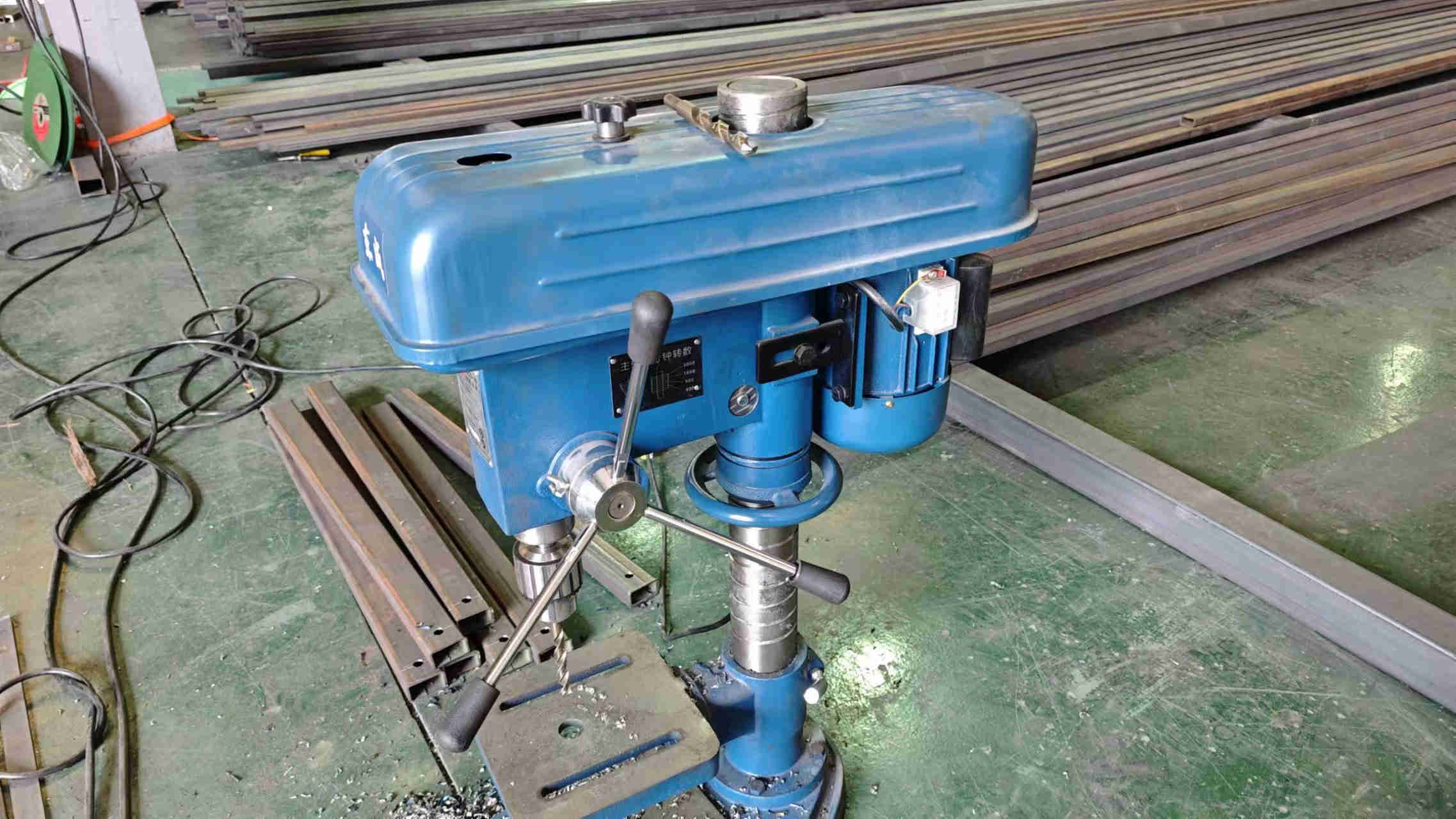
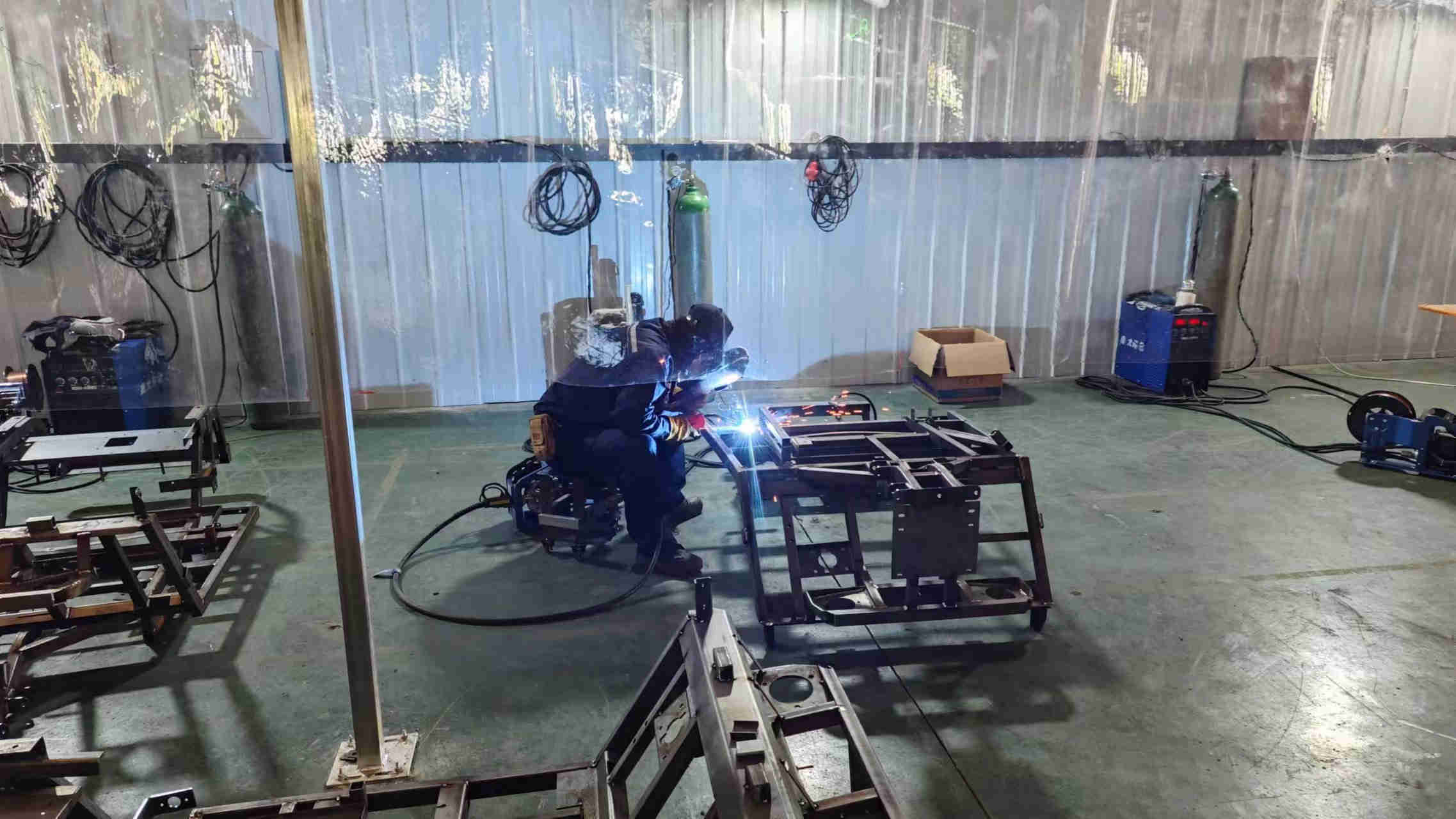
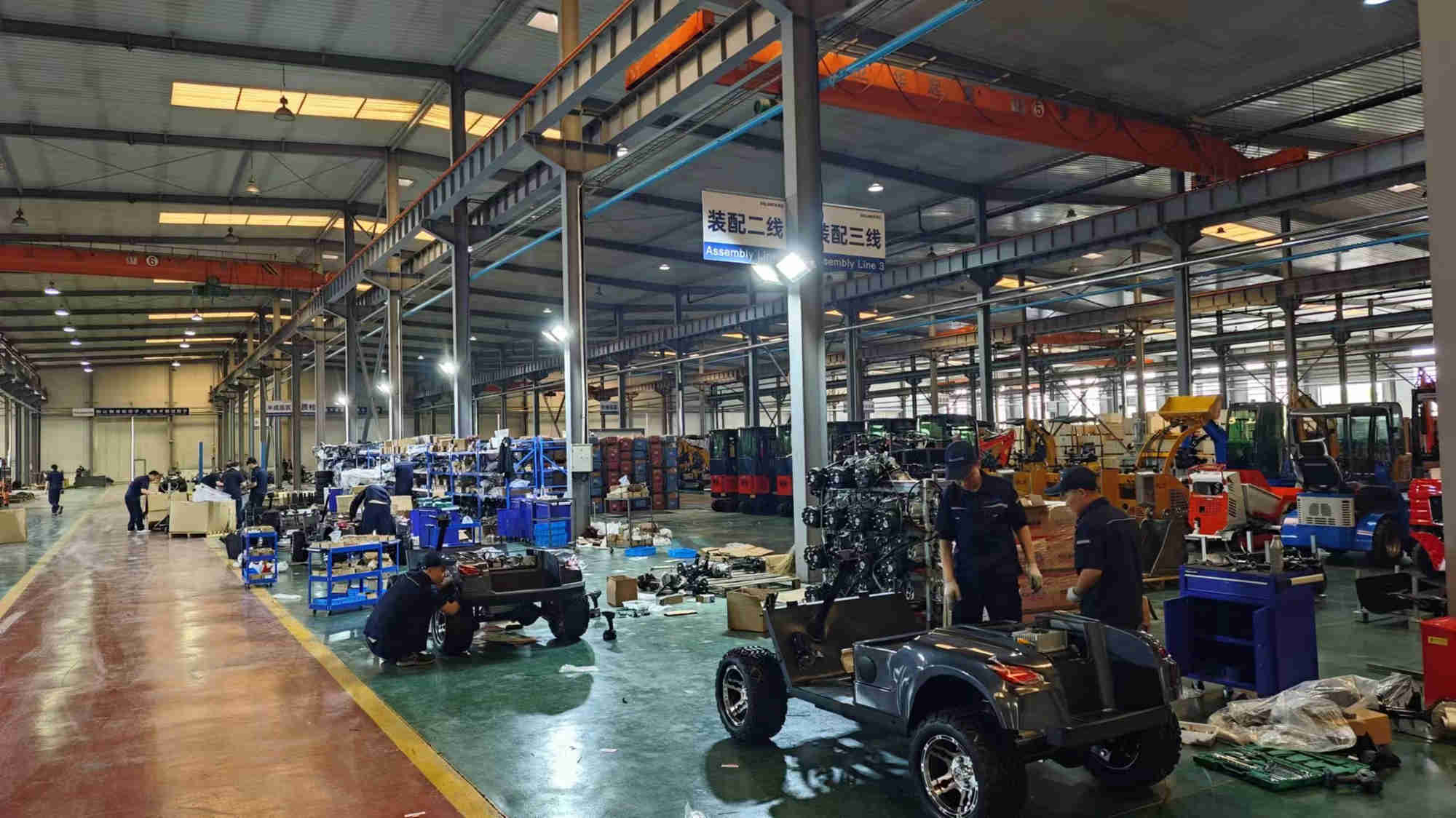
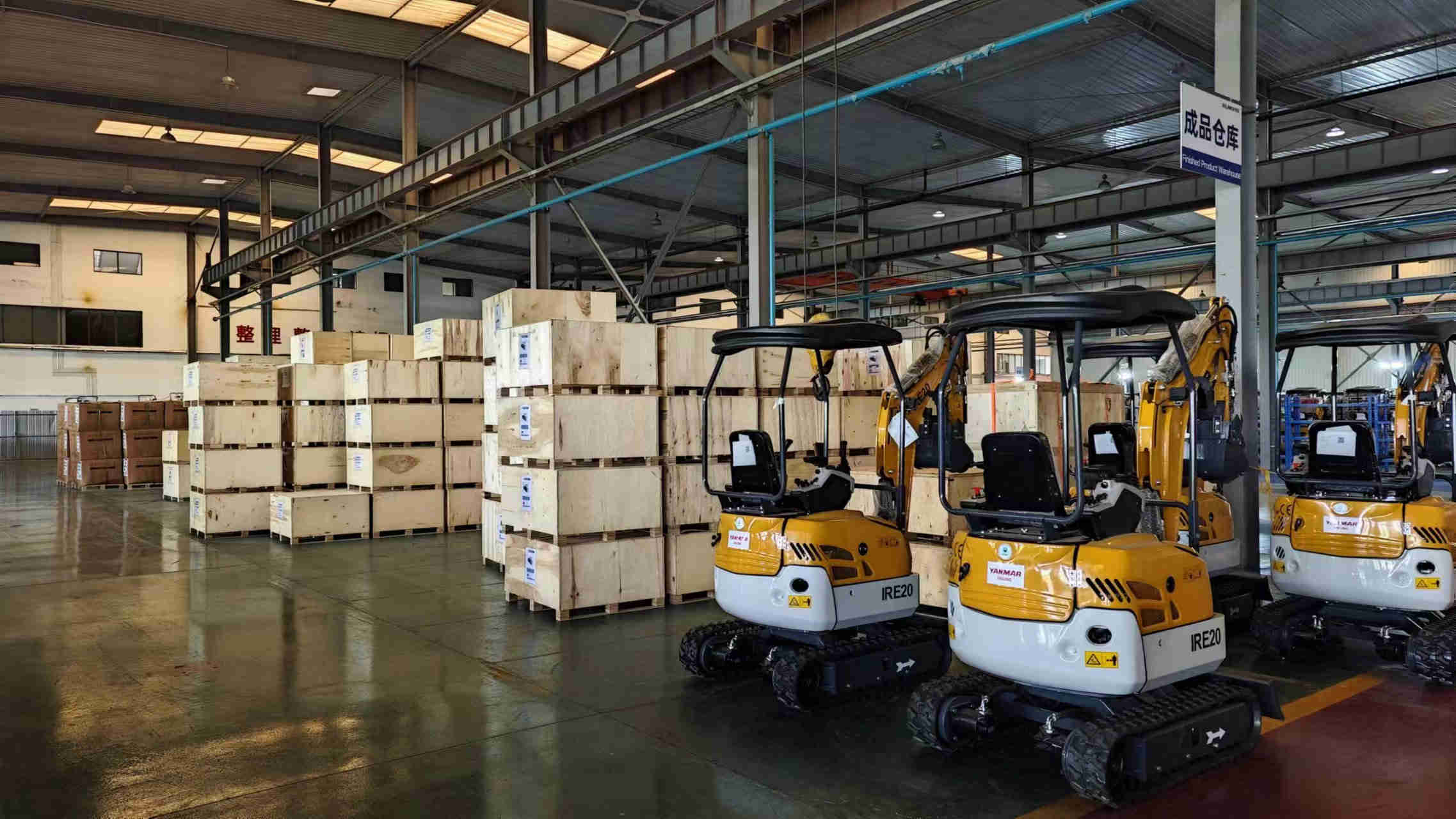
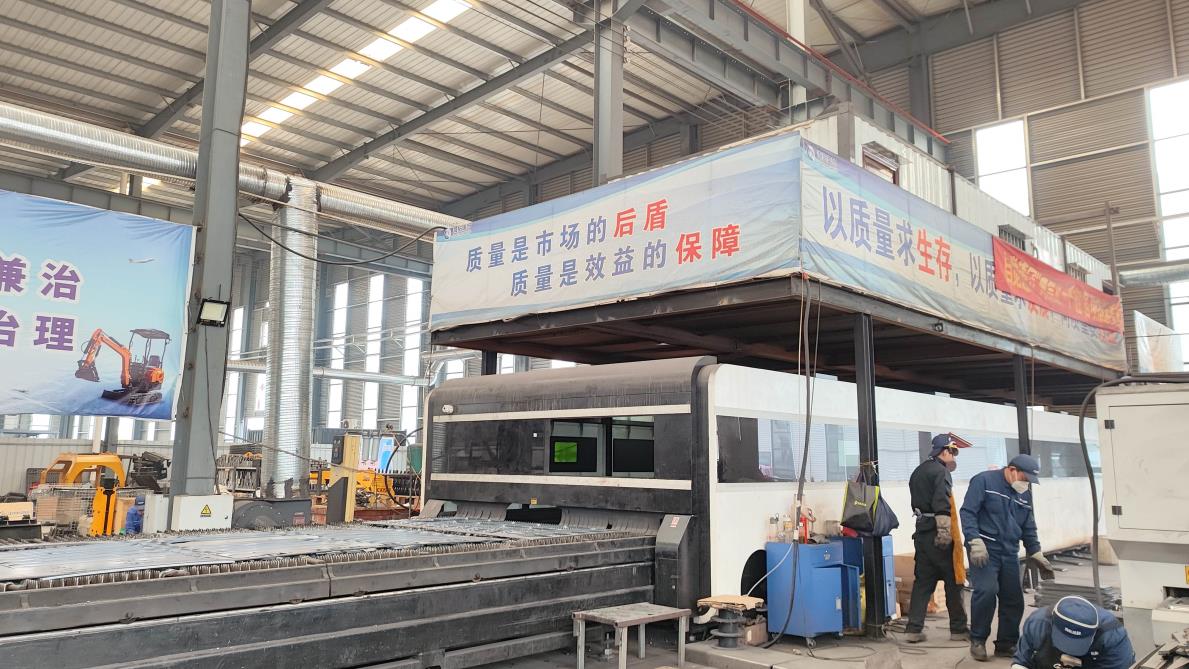
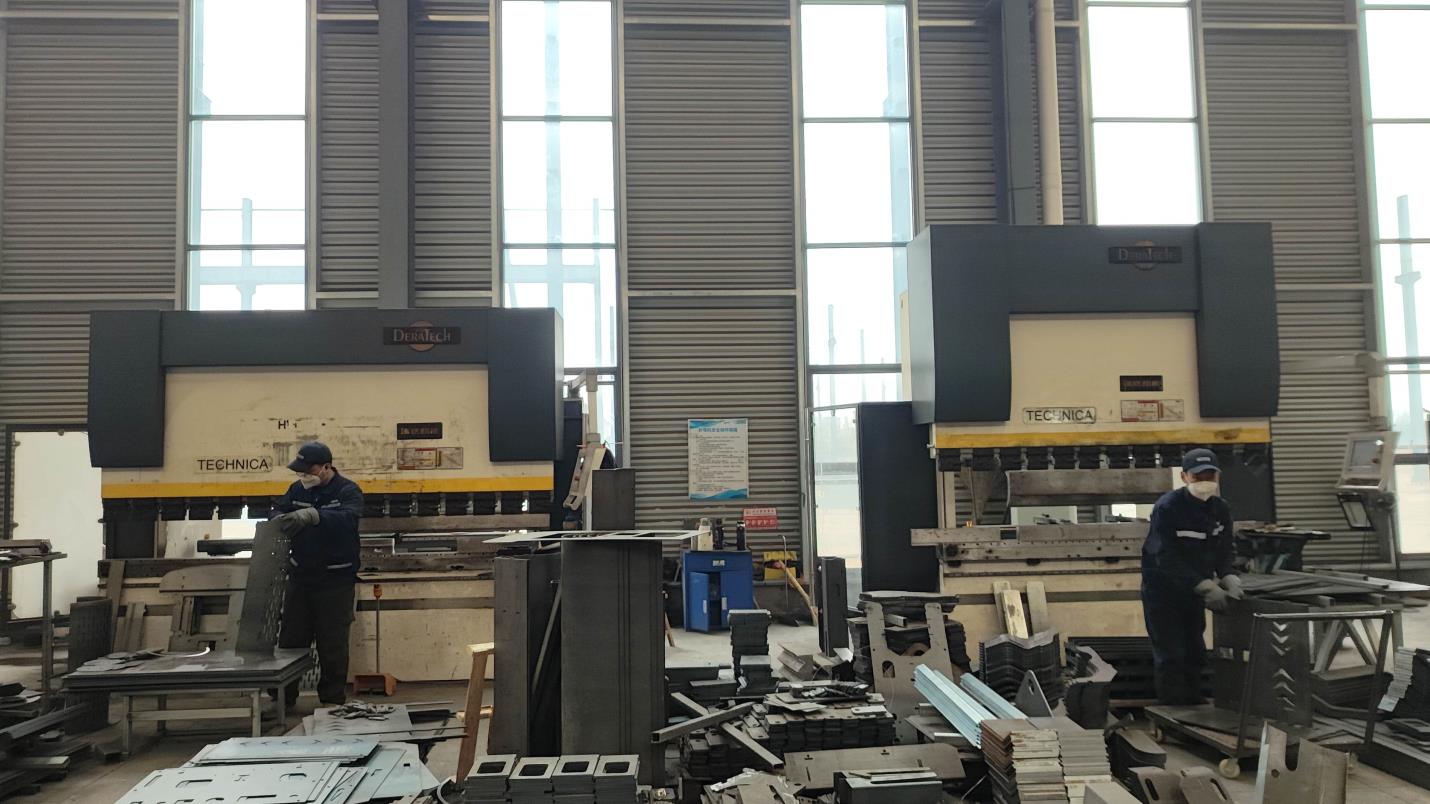
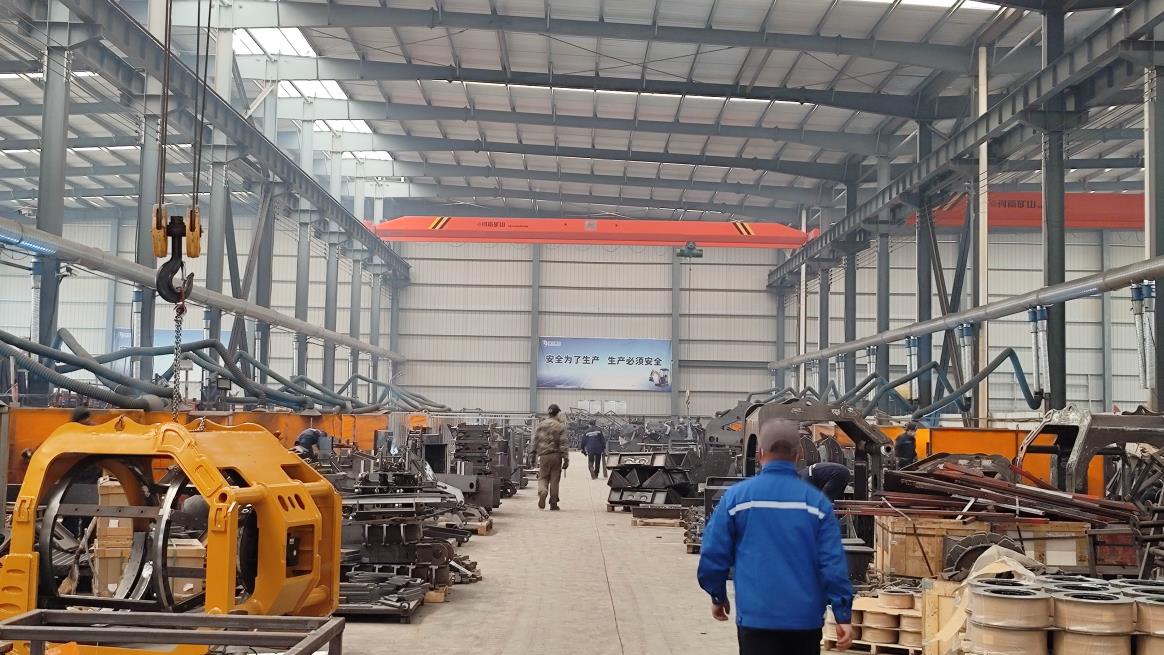
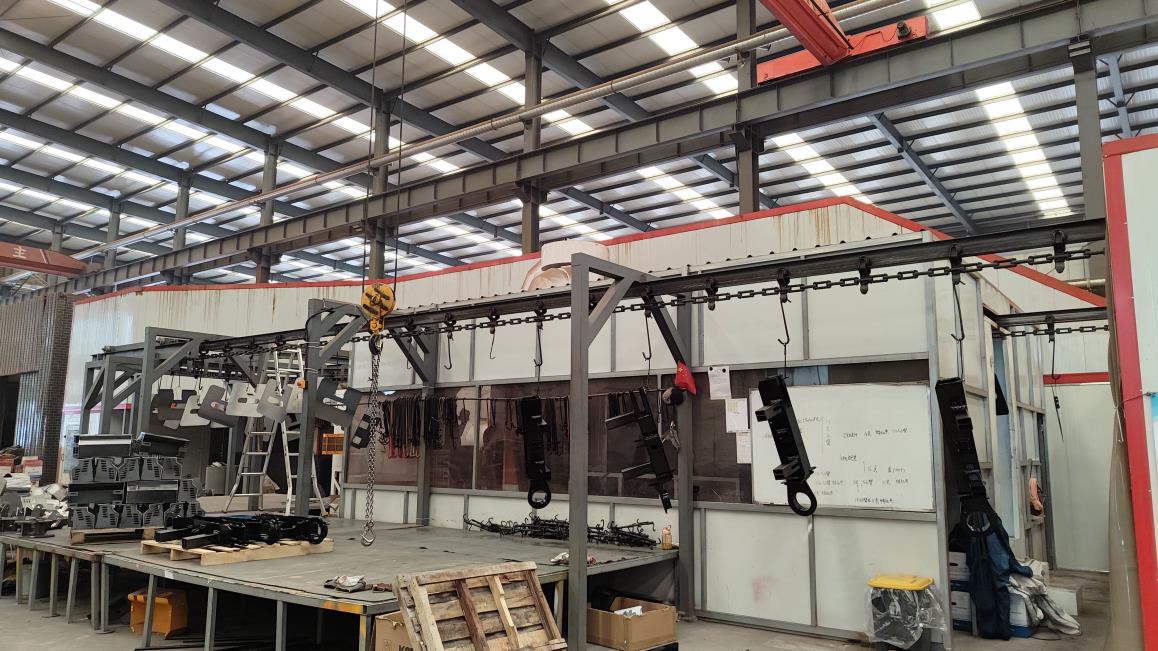
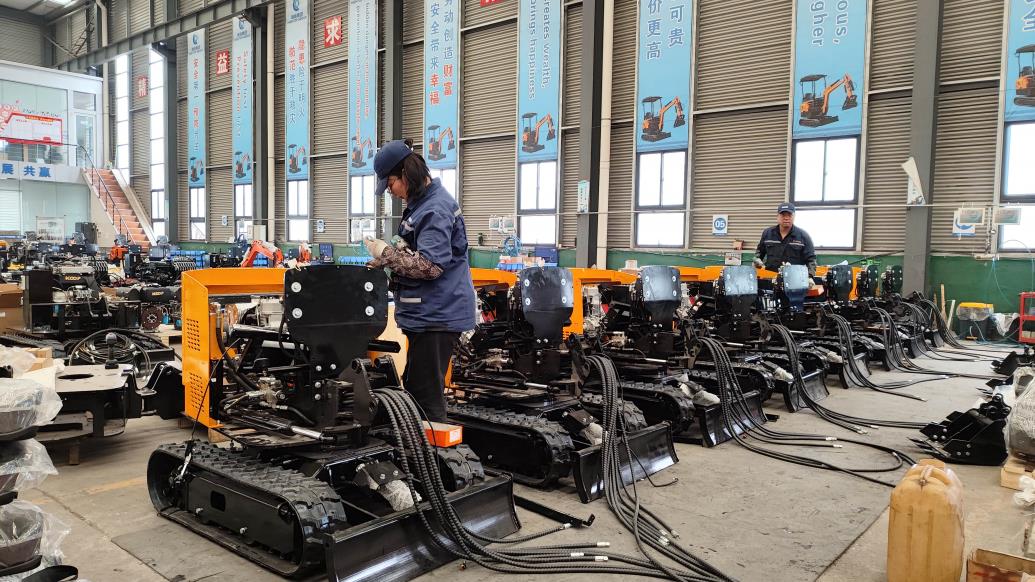
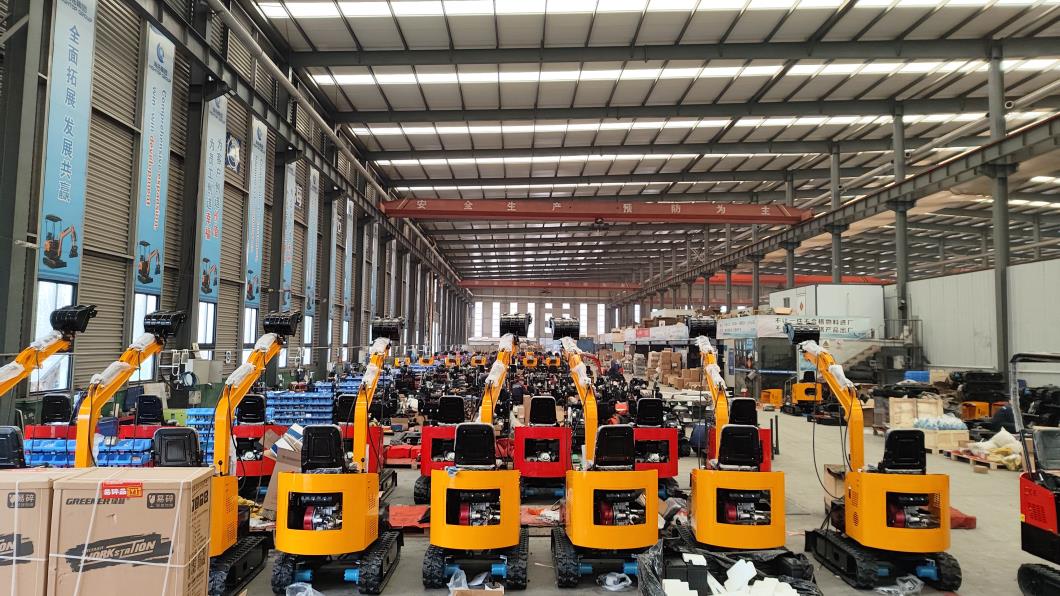
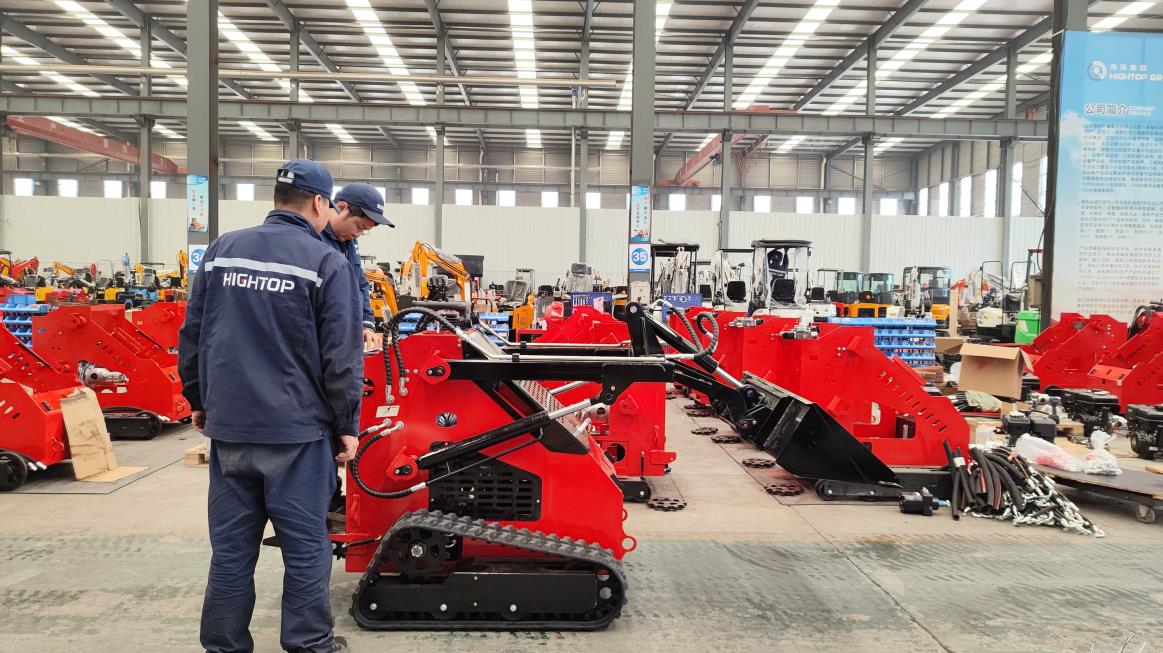
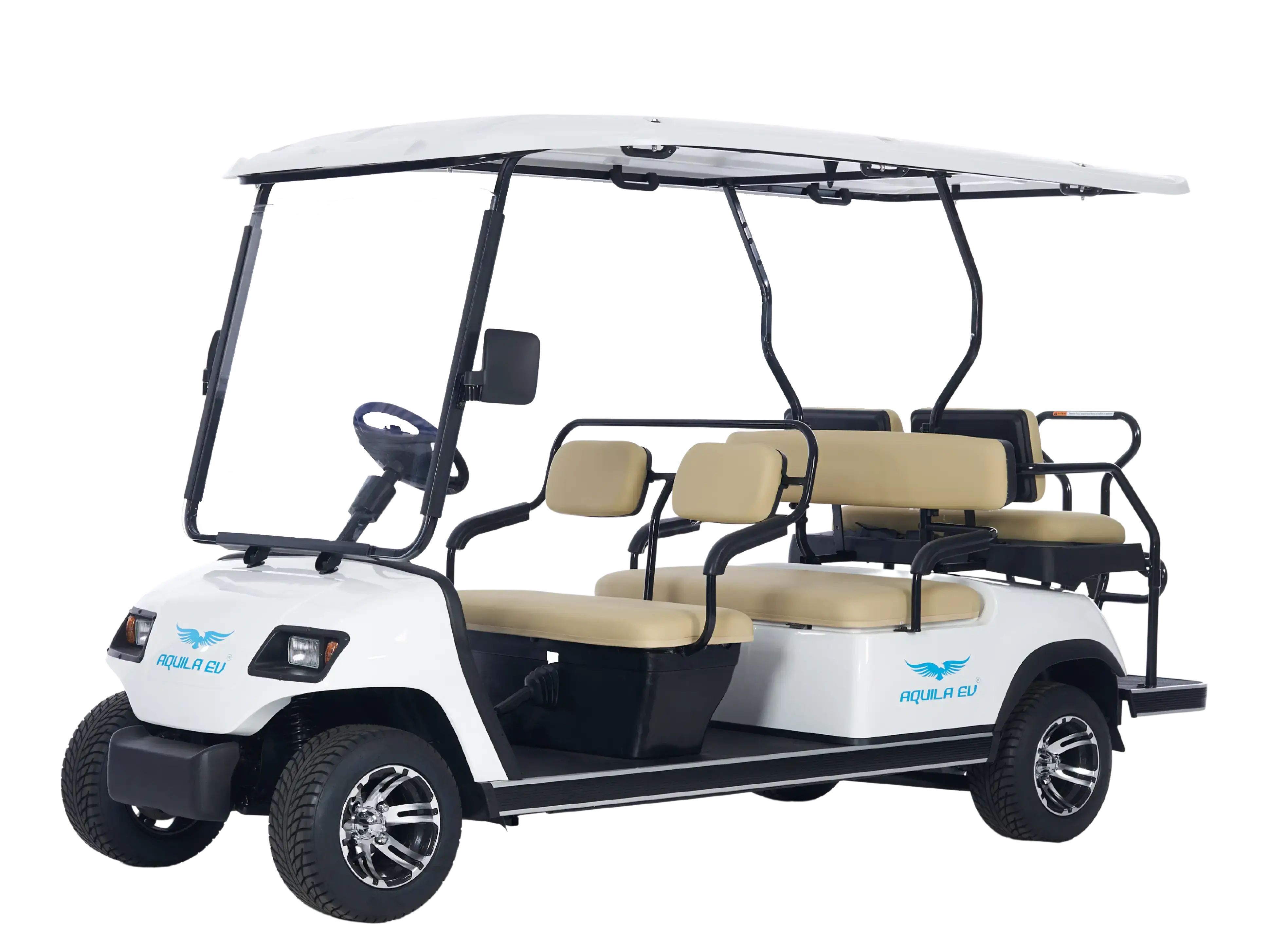
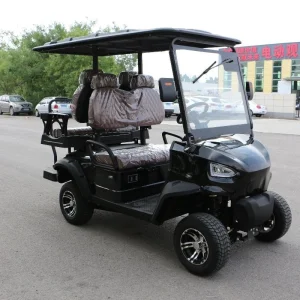
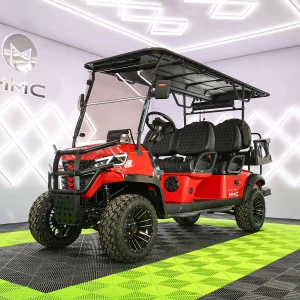
Yangzhou Tulip Cart Co., Ltd. is a leading provider of golf carts and accessories, specializing in the design, production, and sales of electric vehicles, low-speed new energy vehicles, and specialized vehicles. With a strong focus on quality and innovation, we are committed to providing reliable, eco-friendly, and high-performance transportation solutions for a wide range of industries.
Our products are certified by ISO9001, National CCC, and other international standards, ensuring that we consistently meet the highest safety, quality, and environmental requirements.
As a company driven by technological advancements, we aim to deliver products that enhance both the functionality and the aesthetic appeal of every ride. With years of expertise and experience, we are proud to be a trusted partner for golf courses, resorts, private estates, and commercial clients worldwide.
We specialize in a wide variety of golf carts, available in both electric and fuel-powered models. Whether you need a golf cart for course commuting, family leisure, or commercial use, our products are designed to meet your unique needs. All our carts come with:
The transition toward intelligent illumination ecosystems in low-speed mobility.
Development of ground-projection LEDs that project safety perimeters and warning zones around the vehicle to protect pedestrians in crowded resort environments.
Integration of Bluetooth-enabled RGB lighting zones that sync with the vehicle's telemetry. This allows operators to change fleet colors via smartphone applications.
Real-time beam adjustment linked to the steering angle sensor, illuminating blind spots before the vehicle executes turns at night.
Utilizing high-efficiency solar roof panels to power auxiliary lighting systems independently, saving traction battery capacity for longer driving ranges.
Tailoring optical delivery to diverse commercial and industrial application profiles.
Requires warm, low-glare ambient lighting to preserve evening atmospheres, along with clear side-marker lights for safety on narrow pedestrian pathways.
Requires high-intensity blue safety spotlights and strobe beacons to alert floor staff of oncoming AGVs or electric material-handling buggies.
Requires high-power spot/flood combo light bars with stealth mode options, including red/green illumination to navigate terrains without disturbing wildlife.
Technical answers to common questions about sourcing low-speed vehicle illumination systems.
To qualify as a street-legal Low-Speed Vehicle (LSV) under FMVSS 500 in the USA, or under the EEC framework in Europe, the vehicle must be equipped with DOT-compliant headlights (with high/low beams), front and rear turn signal indicators, red tail lights, brake lights, reflex reflectors, and a license plate light. Selecting a manufacturer like Yangzhou Tulip Cart Co., Ltd. that provides DOT-certified lighting packages simplifies this certification process.
Direct connection is not recommended. Connecting a 12V lighting component directly to a 48V or 72V traction battery pack causes immediate overvoltage failure and creates a fire hazard. Premium electric utility vehicles utilize high-efficiency DC-DC step-down converters to transform the main traction battery voltage into a stable 12V auxiliary power rail. This design protects the vehicle's electronic components.
While PC (polycarbonate) lenses offer high impact resistance, they tend to yellow over time when exposed to solar UV radiation, reducing light output. PMMA (acrylic) lenses provide superior UV resistance and optical clarity, resisting cloudiness for over a decade. Premium exporters use UV-stabilized PC or optical-grade PMMA depending on the application environment.
Poorly shielded LED drivers generate electromagnetic interference (EMI) that can disrupt the high-frequency control signals between the electronic accelerator pedal, controller, and motor. Sourcing EMC-compliant lighting systems ensures these signals remain clean, preventing vehicle control issues or malfunctions in the instrument panel.
Explore our heavy-duty vehicles, designed for rough terrain, high-capacity utility hauling, and specialized commercial operations.
 Tulip Cart