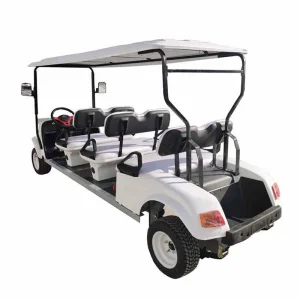
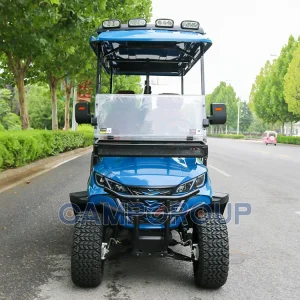
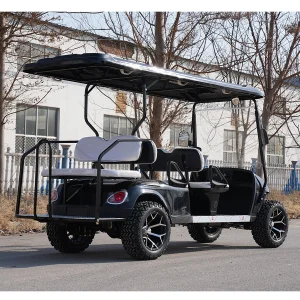
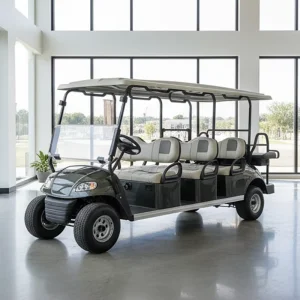
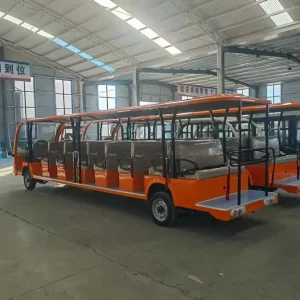
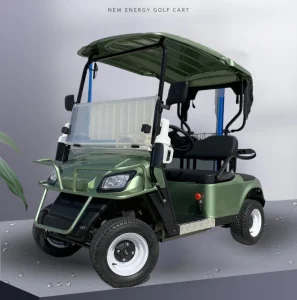
In the rapidly developing landscape of Equatorial Guinea (EQG), spanning from the bustling streets of Malabo on Bioko Island to the expanding urban centers of Bata and the futuristic city of Oyala, mobility requirements are evolving beyond traditional automotive solutions. As a premier Gas Powered Golf Carts Manufacturer & Exporter, Yangzhou Tulip Cart Co., Ltd. recognizes the unique topographical and infrastructural demands of the West-Central African region.
While the global shift toward electric vehicles (EVs) is prominent, the gas-powered (internal combustion) golf cart remains the backbone of heavy-duty utility in regions where power grid stability can vary or where high-intensity, 24/7 operation is required. In Equatorial Guinea, these vehicles serve as critical assets for the burgeoning tourism sector, the established oil and gas logistics hubs in the Luba Freeport, and the development of luxury residential estates.
Engineered for high-humidity and saline environments found in coastal EQG, utilizing anti-corrosive coatings and marine-grade components.
Equipped with high-torque 300cc-400cc gasoline engines capable of navigating the volcanic inclines of Bioko Island.
Zero downtime for charging; immediate refueling ensures continuous productivity for industrial and hospitality sectors.
Yangzhou Tulip Cart Co., Ltd. is a leading provider of golf carts and accessories, specializing in the design, production, and sales of electric vehicles, low-speed new energy vehicles, and specialized vehicles. Our products are certified by ISO9001, National CCC, and other international standards, ensuring safety and quality for the international export market.
With years of expertise, we serve as a trusted partner for golf courses, resorts, and private estates globally. Our "Gas-Powered Series" specifically targets markets like Equatorial Guinea where power-to-weight ratios and endurance are non-negotiable.
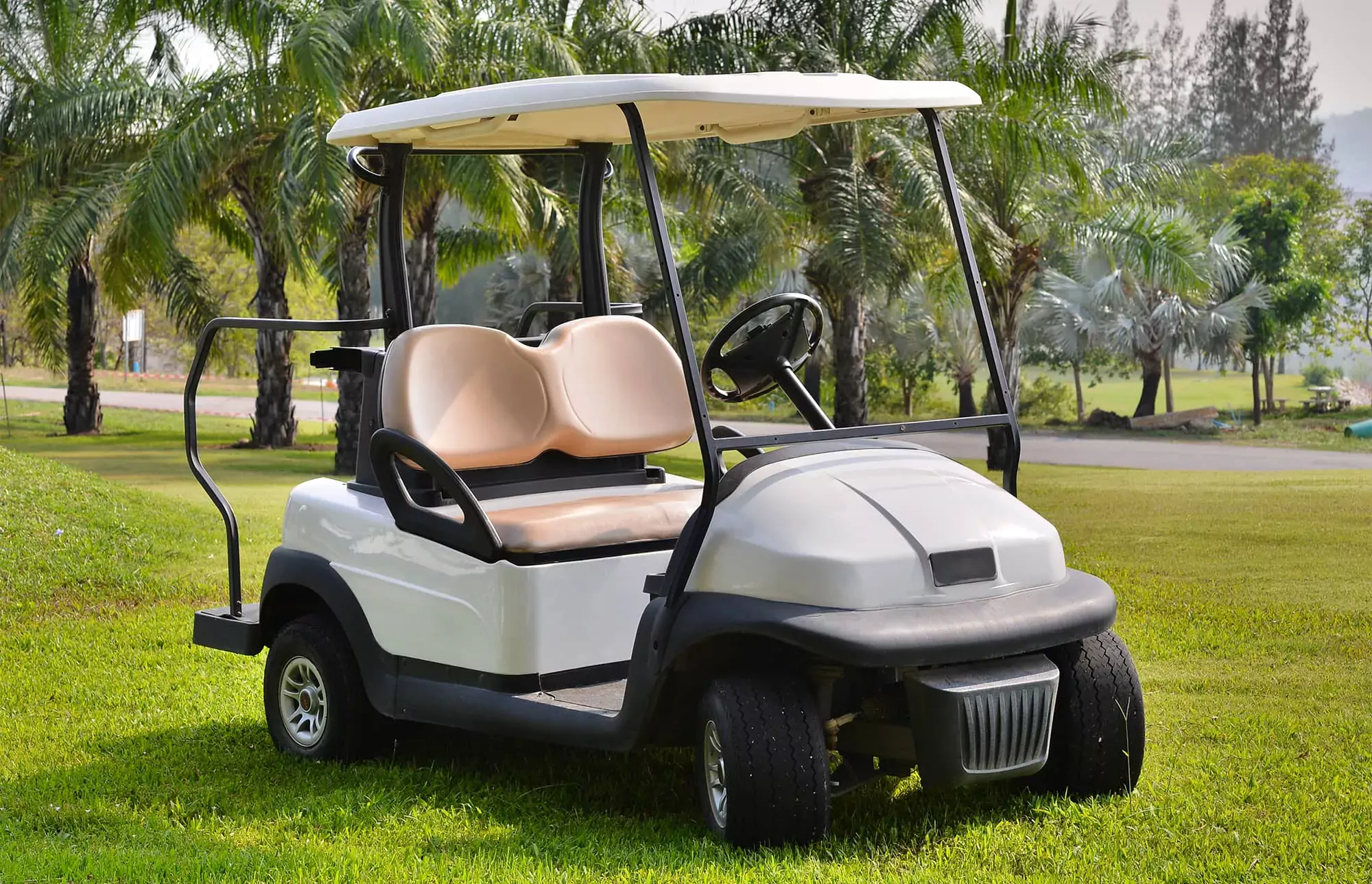
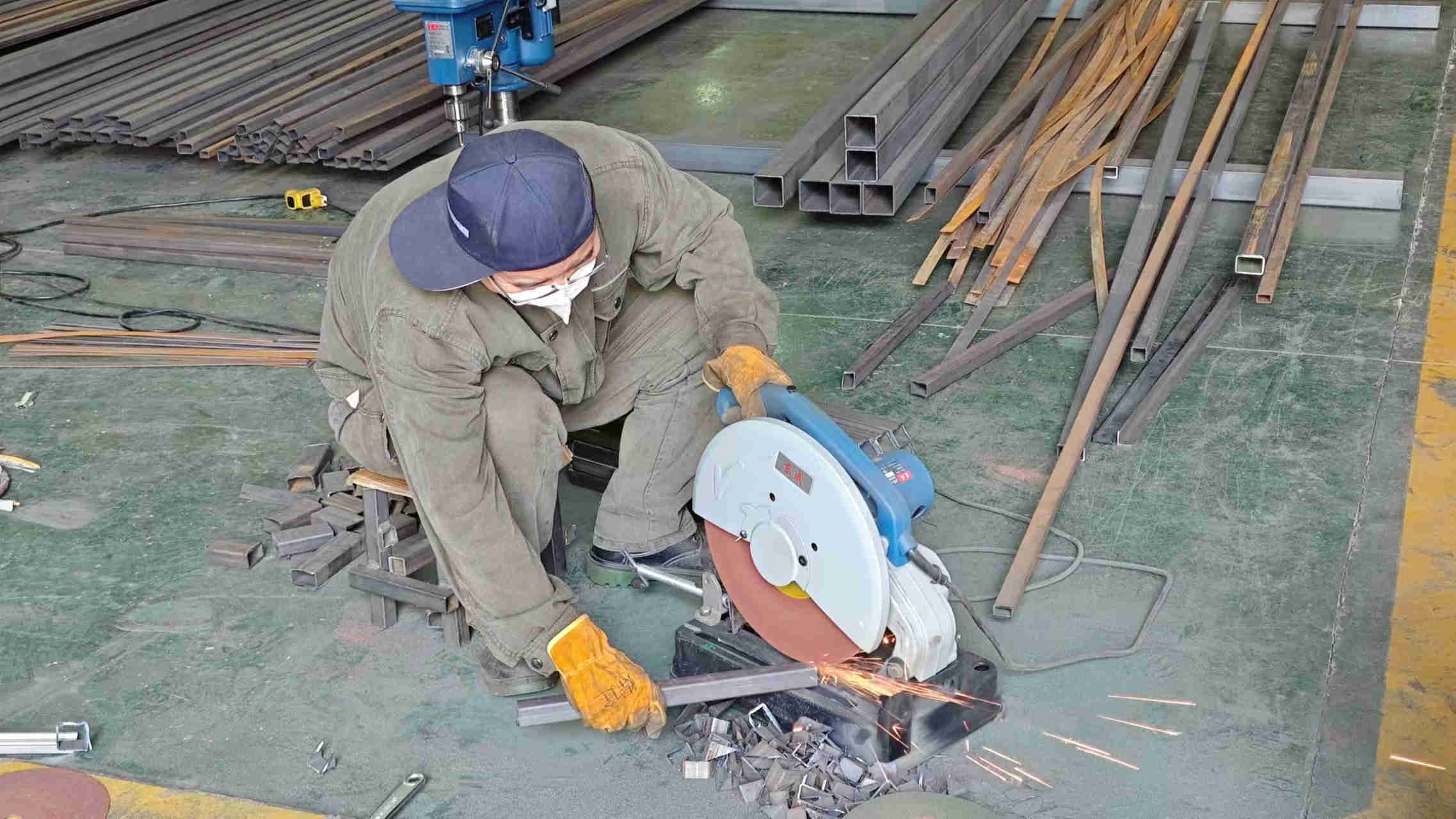
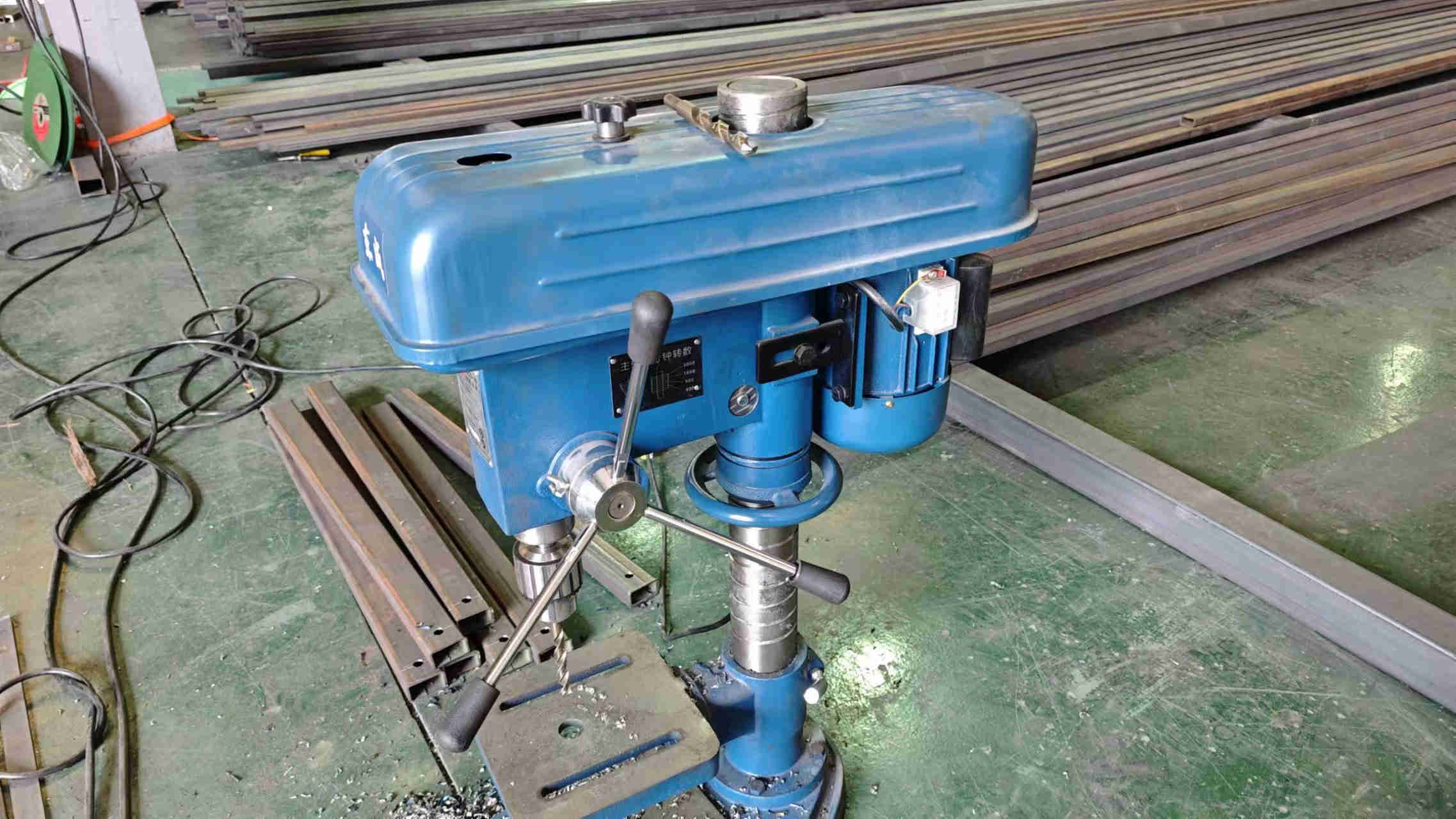
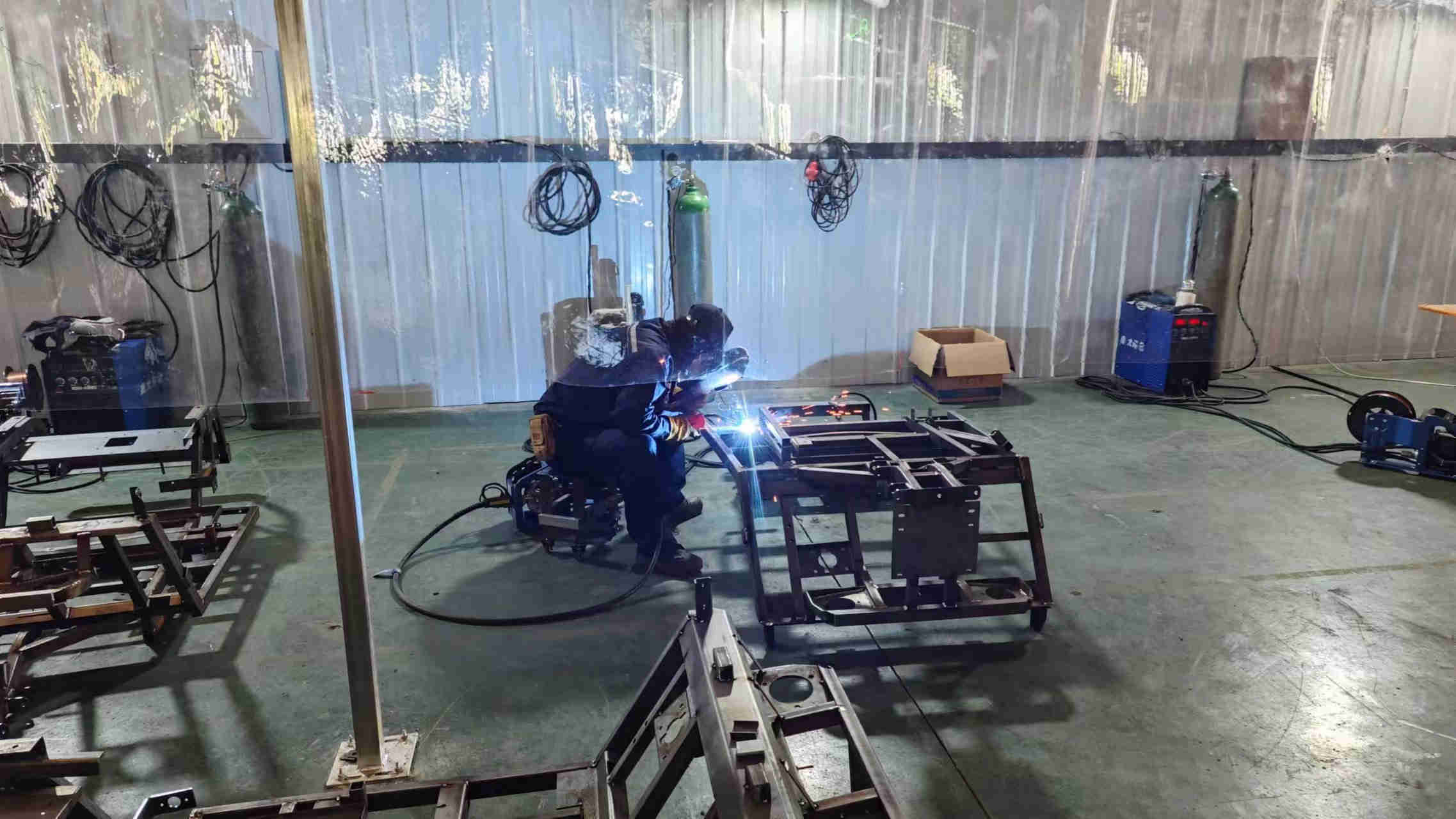
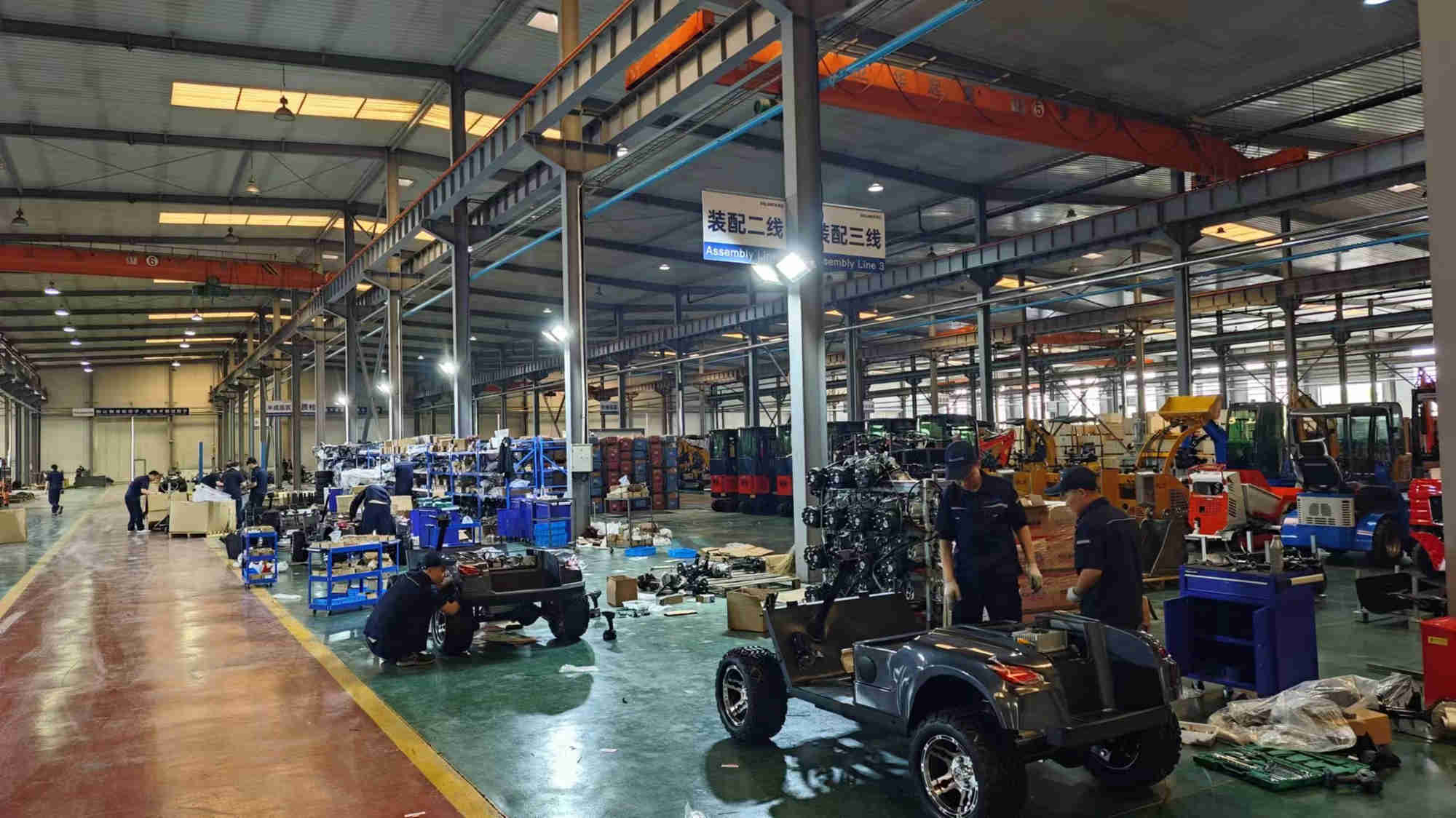
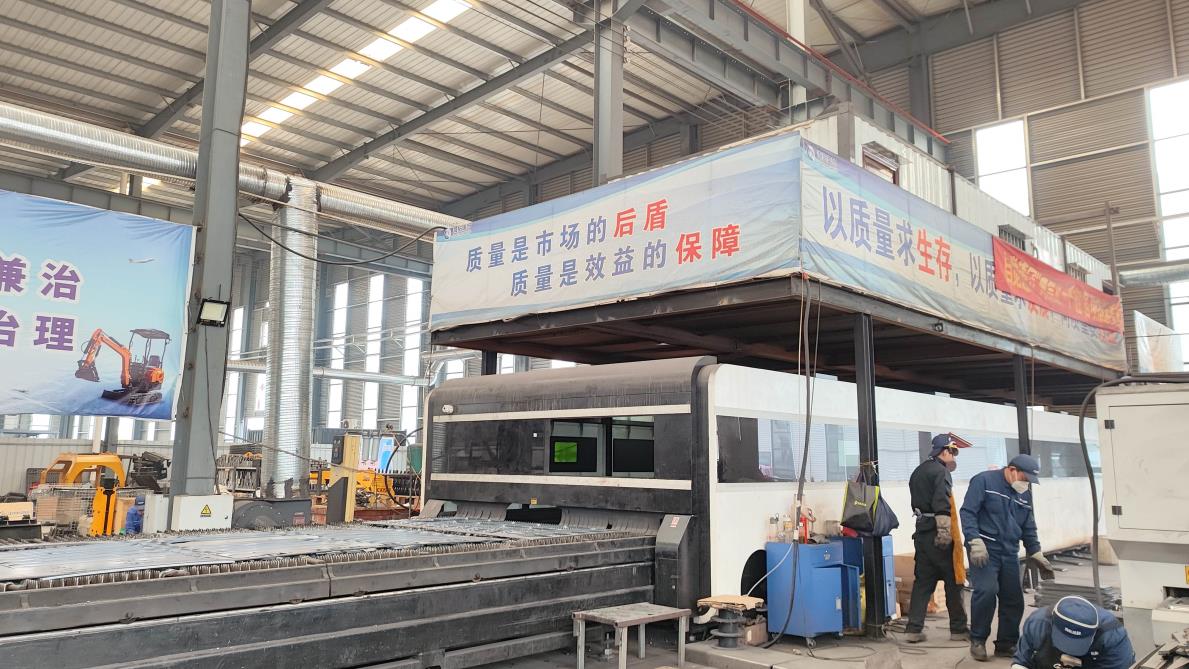
The global golf cart market is projected to reach USD 2.5 billion by 2028. A significant "Information Gain" in this sector is the rise of Multi-Purpose Utility Vehicles (MPUVs). No longer confined to fairways, these vehicles are now "Micro-Logistics" powerhouses. In Equatorial Guinea, our technical roadmap focuses on three pillars:
In the pristine environments of Moka or the beaches of Ureka, our low-emission gas engines provide the necessary range to transport guests through diverse terrains without the logistical headache of remote charging stations.
Malabo's industrial zones require spark-arrested and robust utility carts for moving personnel across large refinery footprints where traditional vehicles are too cumbersome.
As Oyala emerges as a center for education and government, gas-powered carts offer a cost-effective solution for campus-wide transit and maintenance services.
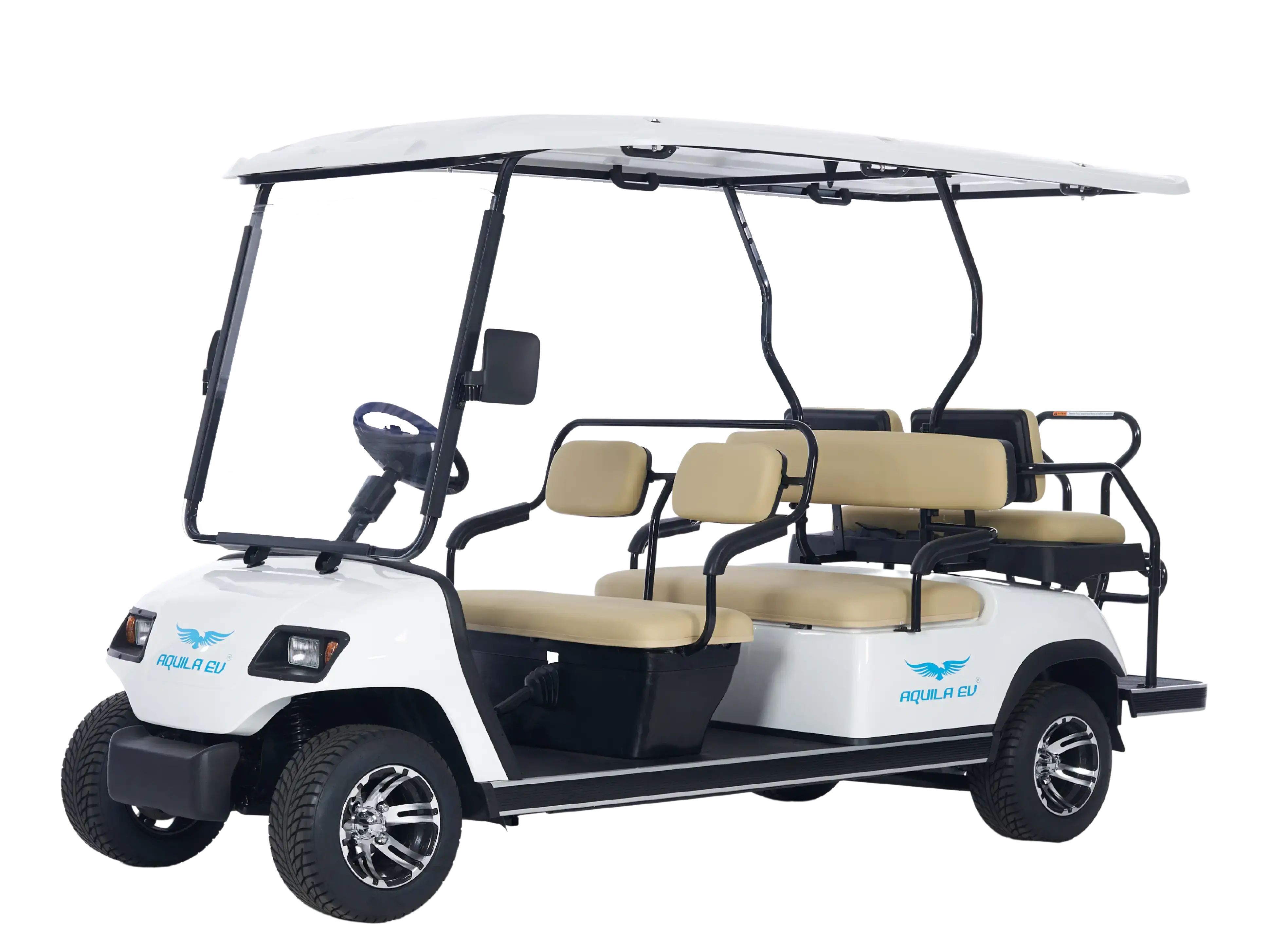
The future of gas-powered carts lies in efficiency optimization. Our R&D team is currently integrating Electronic Fuel Injection (EFI) systems across our export fleet for Equatorial Guinea. EFI improves fuel economy by 25% and ensures reliable starting in the humid tropical climates of the Gulf of Guinea.
 Tulip Cart