Gas Powered Golf Carts Manufacturers & Exporters in the Canberra Market

A Comprehensive Industrial & Commercial Deployment Guide for low-speed petrol and multi-fuel utility buggies in the Australian Capital Territory (ACT)

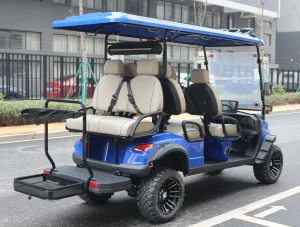
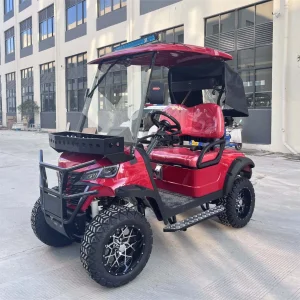
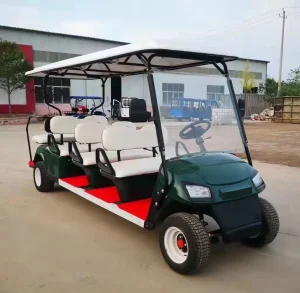
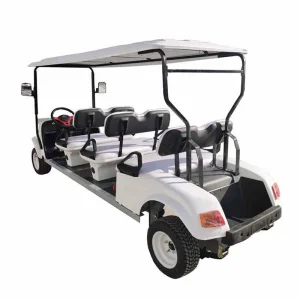
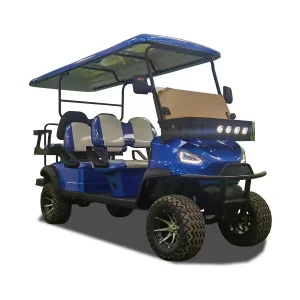
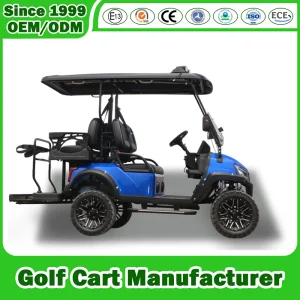
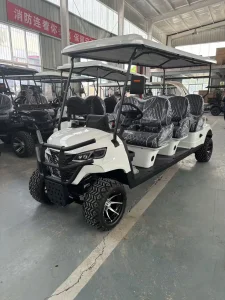
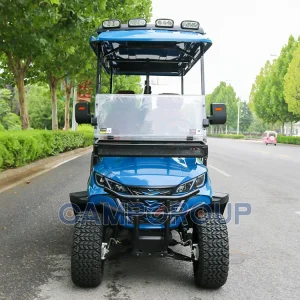
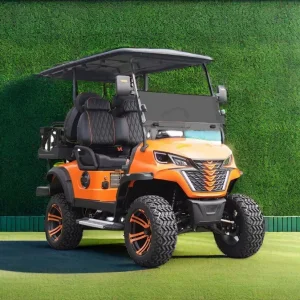
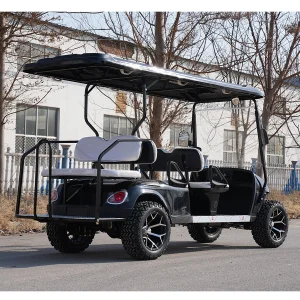
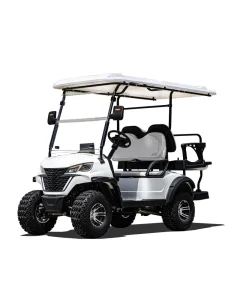
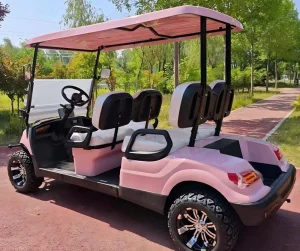
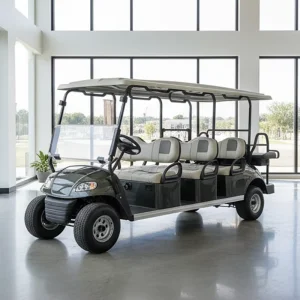
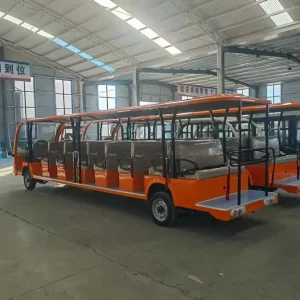
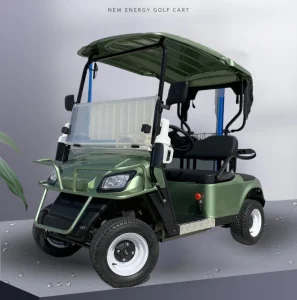
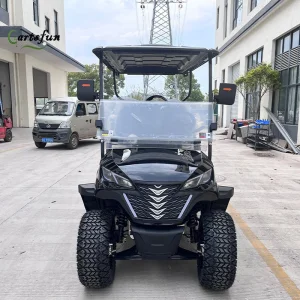
Featured Canberra Deployments (Top Tier Utility Vehicles)

High-reliability gasoline vehicles optimized for long range, steep grades, and heavy utility operations across the Australian Capital Territory.

Canberra Industrial Fleet Performance Indicators

Hard engineering metrics reflecting why gas-powered low-speed vehicles excel in ACT's harsh topography compared to standard electric fleets.

24/7

Zero-Charging Downtime

35°+

Max Grade Climb Ability

15+ Yrs

Structural Lifespan

CCC & ISO

Certified Manufacturing

1. Demography and Terrain: The Canberra Operational Challenge

Canberra is characterized by a unique design layout—highly planned, sprawling suburbs separated by large nature reserves, rolling grasslands, and undulating terrain. These geographical properties dictate the efficiency parameters for low-speed transport. Unlike compact coastal cities, facilities in the Australian Capital Territory (ACT), including agricultural research campuses in Cotter Road, massive public forest reserves (like the National Arboretum), and wineries spanning Murrumbateman and the inner ring, require continuous operational range that battery-electric platforms frequently struggle to support without massive capital outlay for localized charging infrastructure.

Furthermore, Canberra suffers from sharp microclimatic shifts. Winter mornings regularly fall below 0°C, a temperature regime that can degrade the efficiency of standard lithium-ion or lead-acid battery chemistries by up to 35-40% overnight. Gas-powered utility golf carts powered by overhead-valve (OHV) engines circumvent this cold-start degradation entirely, offering consistent power outputs, immediate high-torque delivery for hilly terrains, and simple thermal management via mechanical air cooling. This makes petrol configurations the default selection for high-reliability municipal services, estate security patrols, and rugged parklands management.

Hilly Terrains & Slope Power Specifications

From the steeper hills around Mt. Ainslie and Mt. Mugga Mugga to the complex landscaping designs of the Royal Canberra Golf Club and Federal Golf Club, low-speed vehicles must be capable of navigating sustained slopes of 25 to 35 degrees under full payload. Gas powered configurations built on 300cc and 400cc drivetrains provide continuous torque curves, preventing the overheating risks associated with electric controller overload under high load on steep gradients.
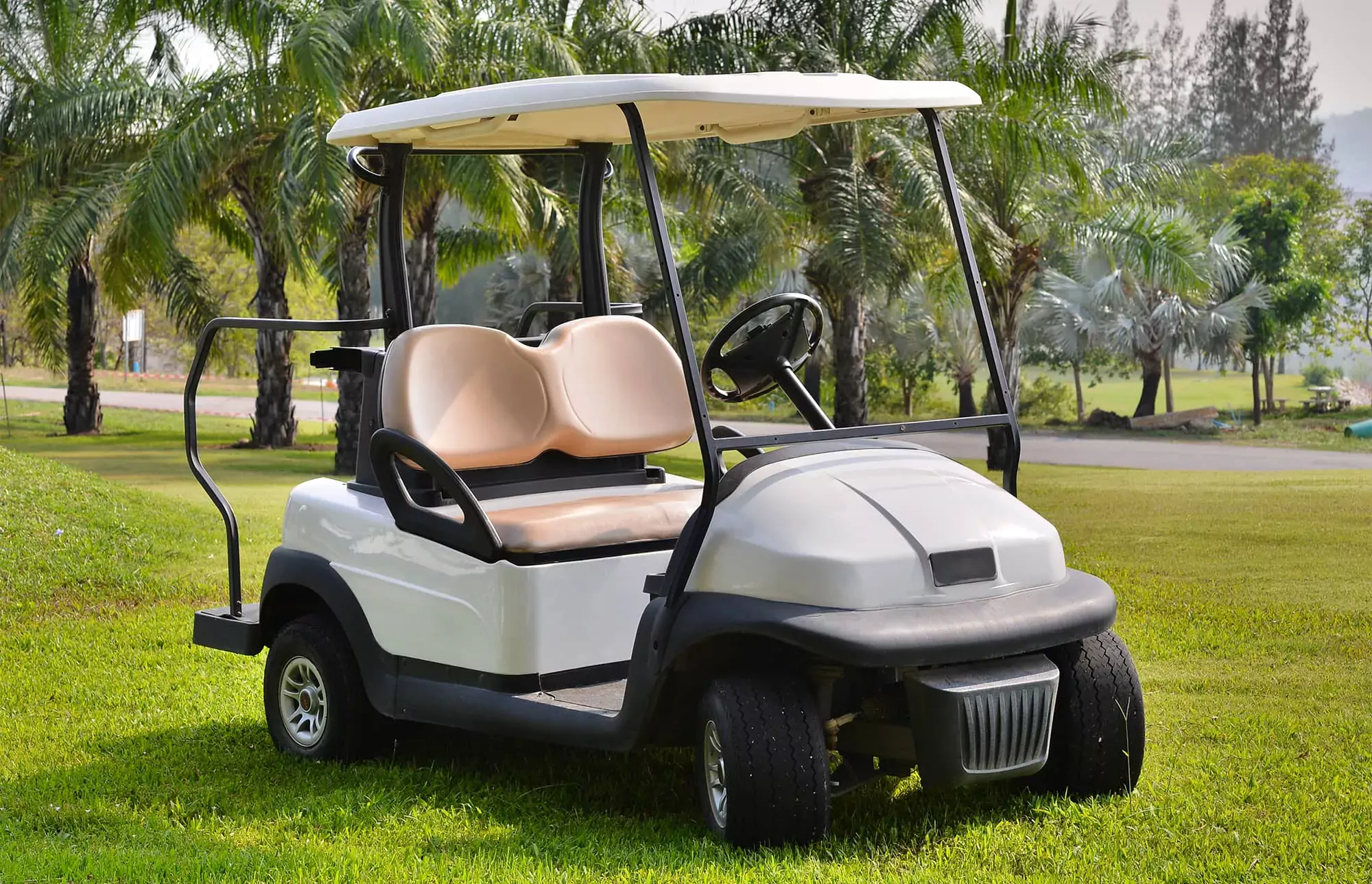
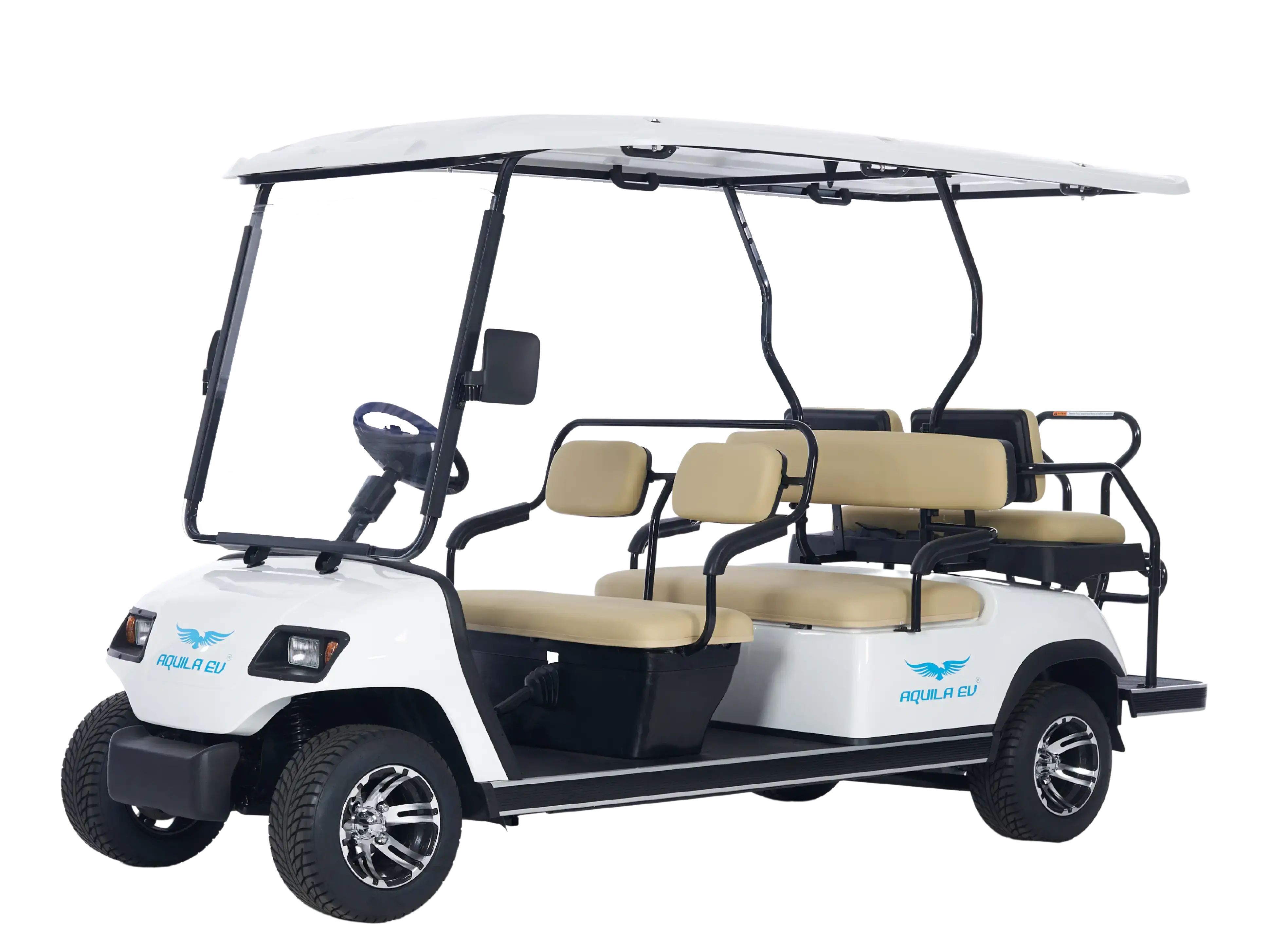
Canberra Operational Focus

  • Continuous Performance: Ideal for long ranges across low-density suburbs.
  • Thermal Resilience: Unaffected by frosty winters or intense summer heatwaves.
  • Torque Availability: High mechanical output for ascending steep grades.
  • Immediate Refueling: Essential for 24/7 security and emergency utility response.

Engineering Profile: Gasoline vs. Electric in ACT

An objective comparative analysis tailored for procurement officers and estate operations managers in Canberra.

Performance Parameters Gas-Powered Carts (300cc/400cc) Standard Lithium Carts (48V/72V) Operational Winner (Canberra Context)
Cold Climate Range Retention (0°C to -5°C) 98% efficiency; standard startup and operation 60% - 75% efficiency due to ion slowing Gas Powered (High Reliability)
Refueling / Recharge Downtime 3-5 minutes (Standard Unleaded Petrol refueling) 4 - 8 hours (Standard Level-2 charging grids) Gas Powered (Uninterrupted Duty Cycles)
Torque Generation (Sustained Incline) Mechanical torque converter, continuous draw Requires brushless high-wattage motor upgrade Gas Powered (Hilly Wineries/Reserves)
Battery Lifecycle Replacement Costs None; standard spark plug & oil maintenance High ($3,000 - $6,000 AUD replacement cost after 5-7 yrs) Gas Powered (Long-term predictable maintenance)

Who We Are: Yangzhou Tulip Cart Co., Ltd.

Exporting state-of-the-art low-speed vehicles and specialized industrial transport globally.

Yangzhou Tulip Cart Co., Ltd. is a leading provider of golf carts and accessories, specializing in the design, production, and sales of electric vehicles, low-speed new energy vehicles, and specialized vehicles. With a strong focus on quality and innovation, we are committed to providing reliable, eco-friendly, and high-performance transportation solutions for a wide range of industries. Our products are certified by ISO9001, National CCC, and other international standards, ensuring that we consistently meet the highest safety, quality, and environmental requirements.

As a company driven by technological advancements, we aim to deliver products that enhance both the functionality and the aesthetic appeal of every ride. With years of expertise and experience, we are proud to be a trusted partner for golf courses, resorts, private estates, and more.

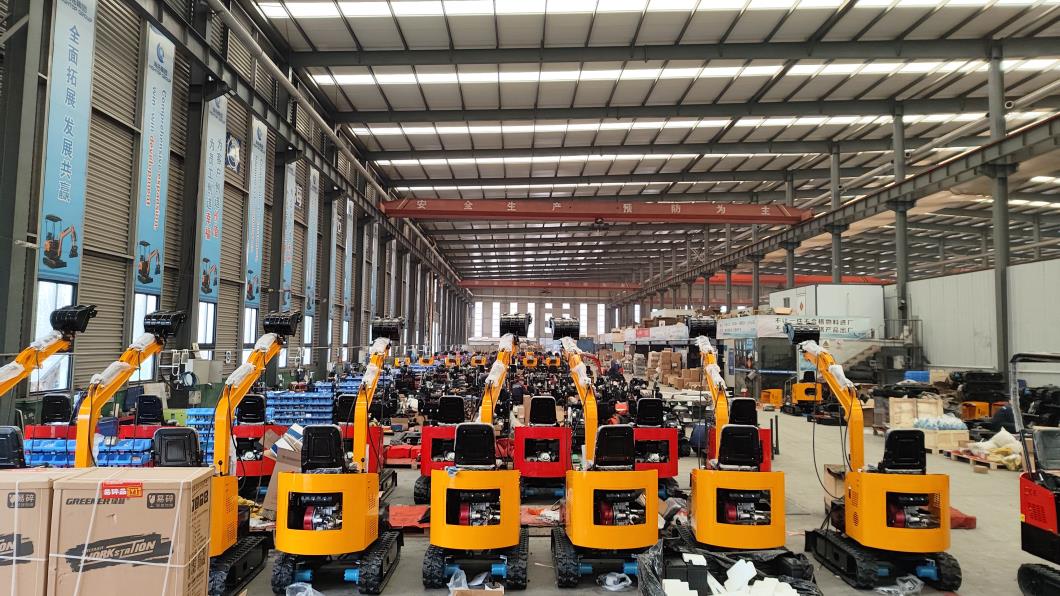
Yangzhou Tulip Cart Manufacturing Excellence

Headquarters and Export Logistics Center

What Do We Offer?

At Yangzhou Tulip Cart Co., Ltd., we specialize in a wide variety of golf carts, available in both electric and fuel-powered models. Whether you need a golf cart for course commuting, family leisure, or commercial use, our products are designed to meet your unique needs. All our carts come with soft, comfortable seats, USB charging ports, and the ability to customize the body graphics to add a personal touch, from playful cartoons to family emblems or corporate logos. Our products are built with green technology, contributing to a cleaner, more sustainable environment by reducing emissions and energy consumption.

Gas Golf Carts and Custom Accessories Lineup

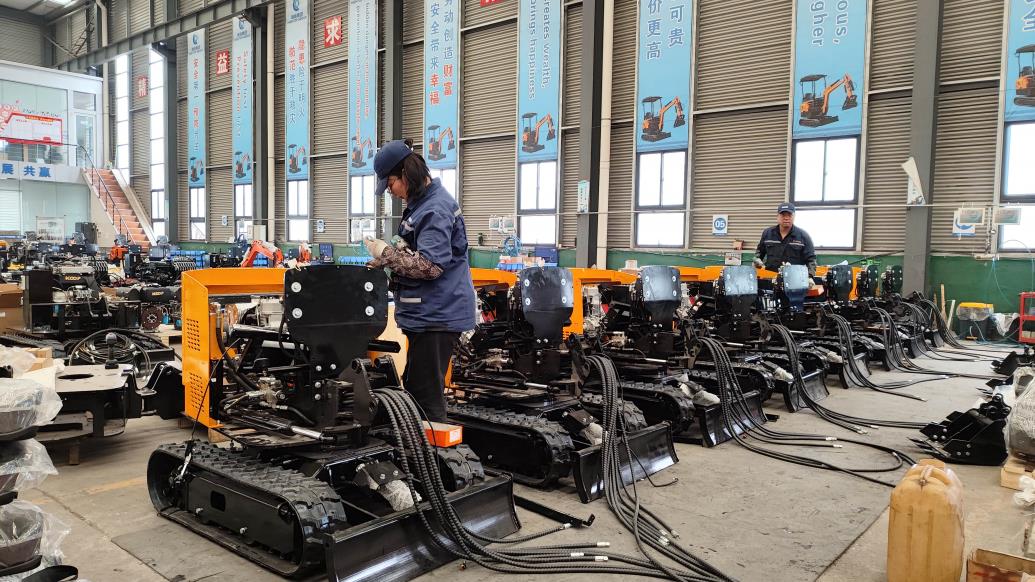
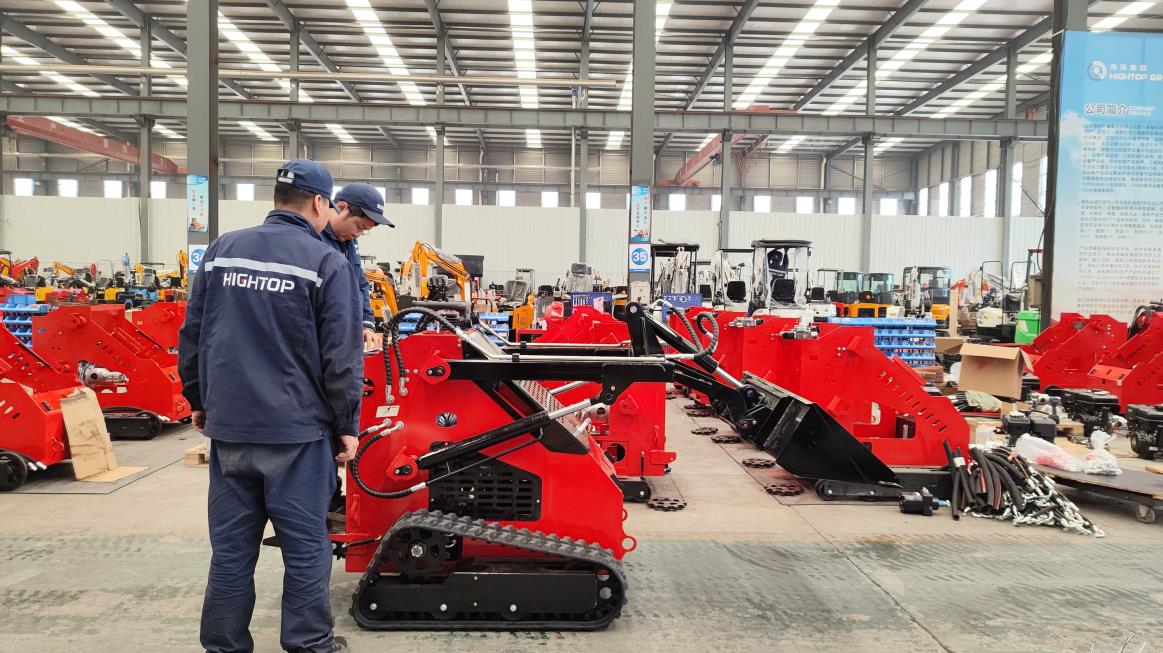
Our Advanced Manufacturing and Quality Controls

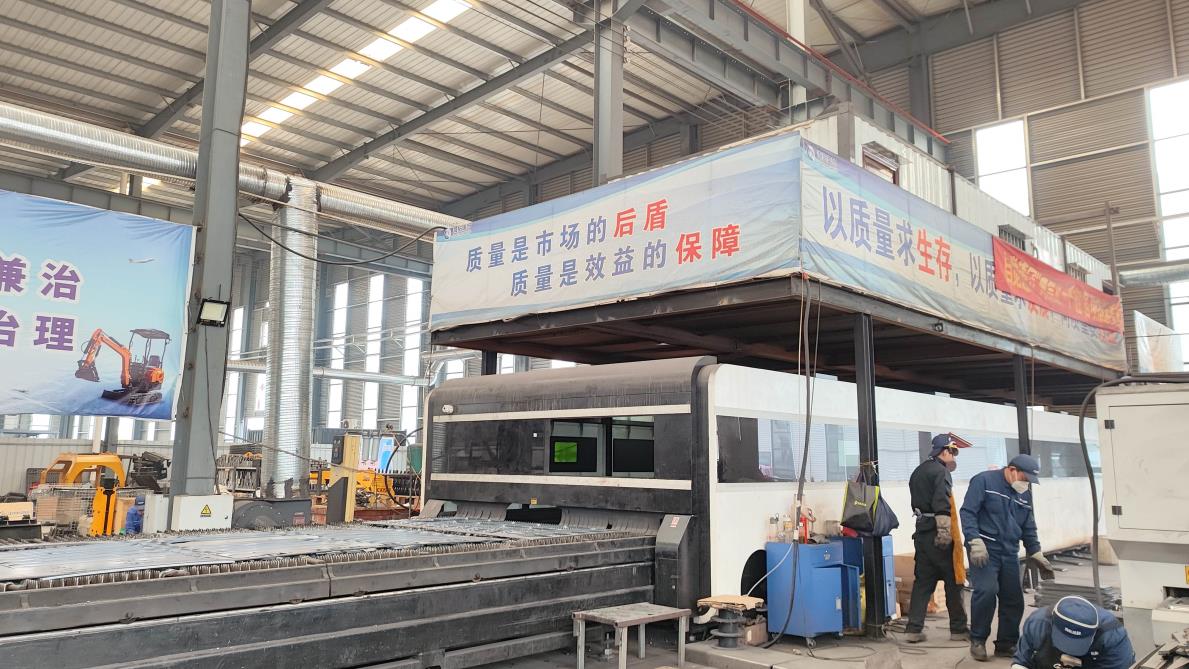
Laser cutting process

Laser cutting

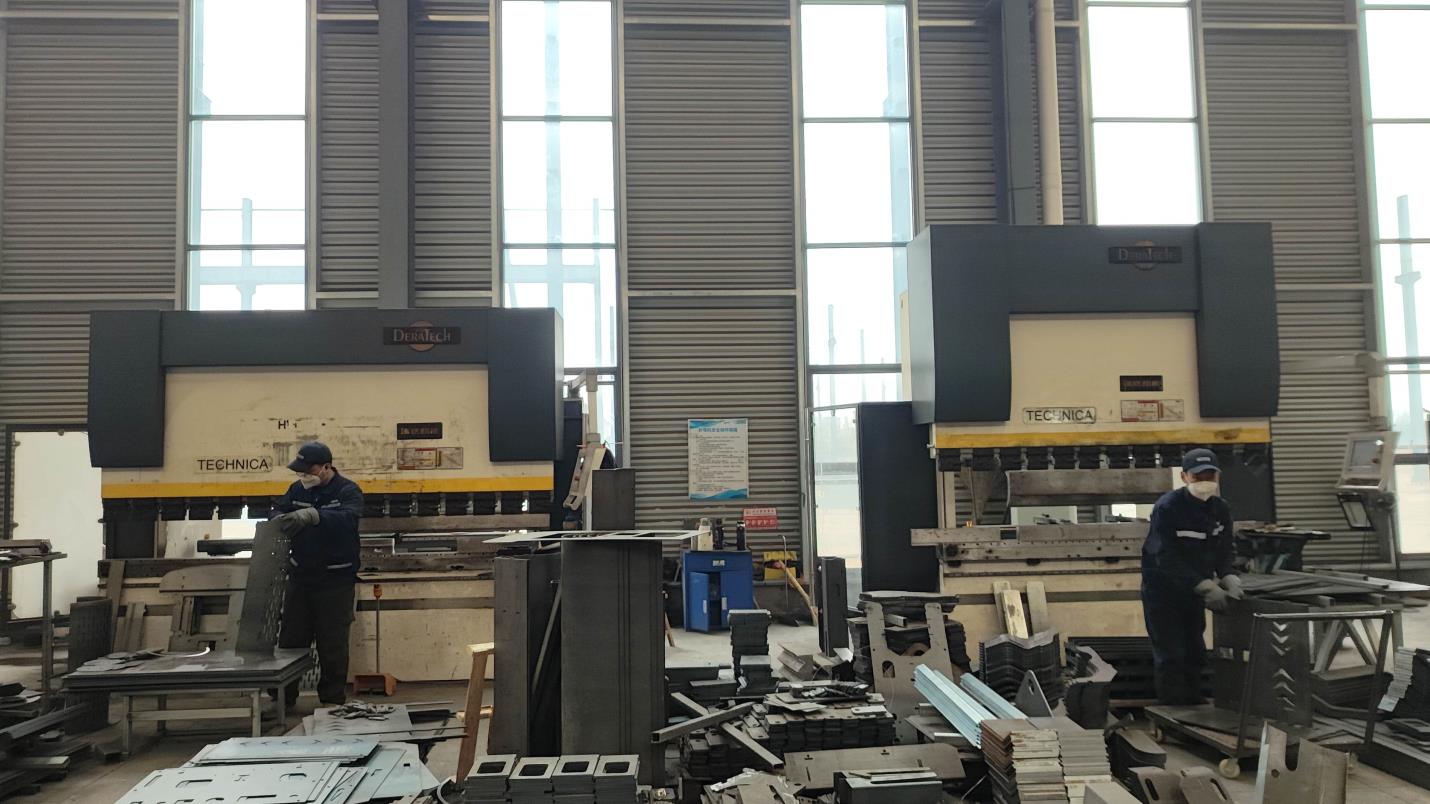
Machining process

Machining

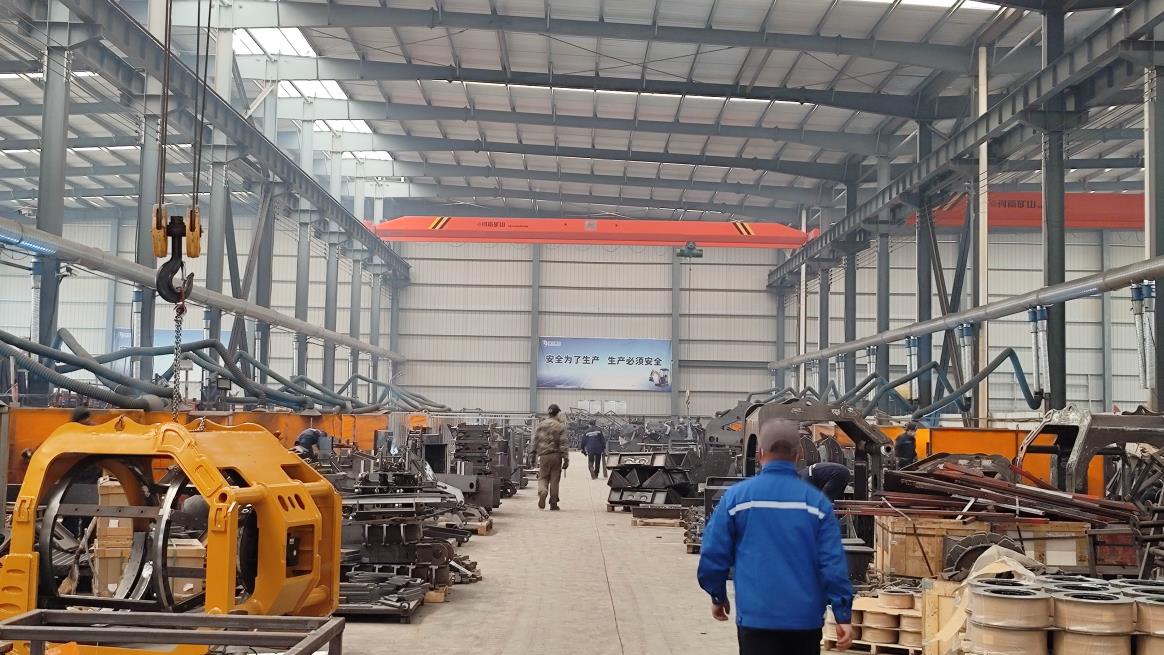
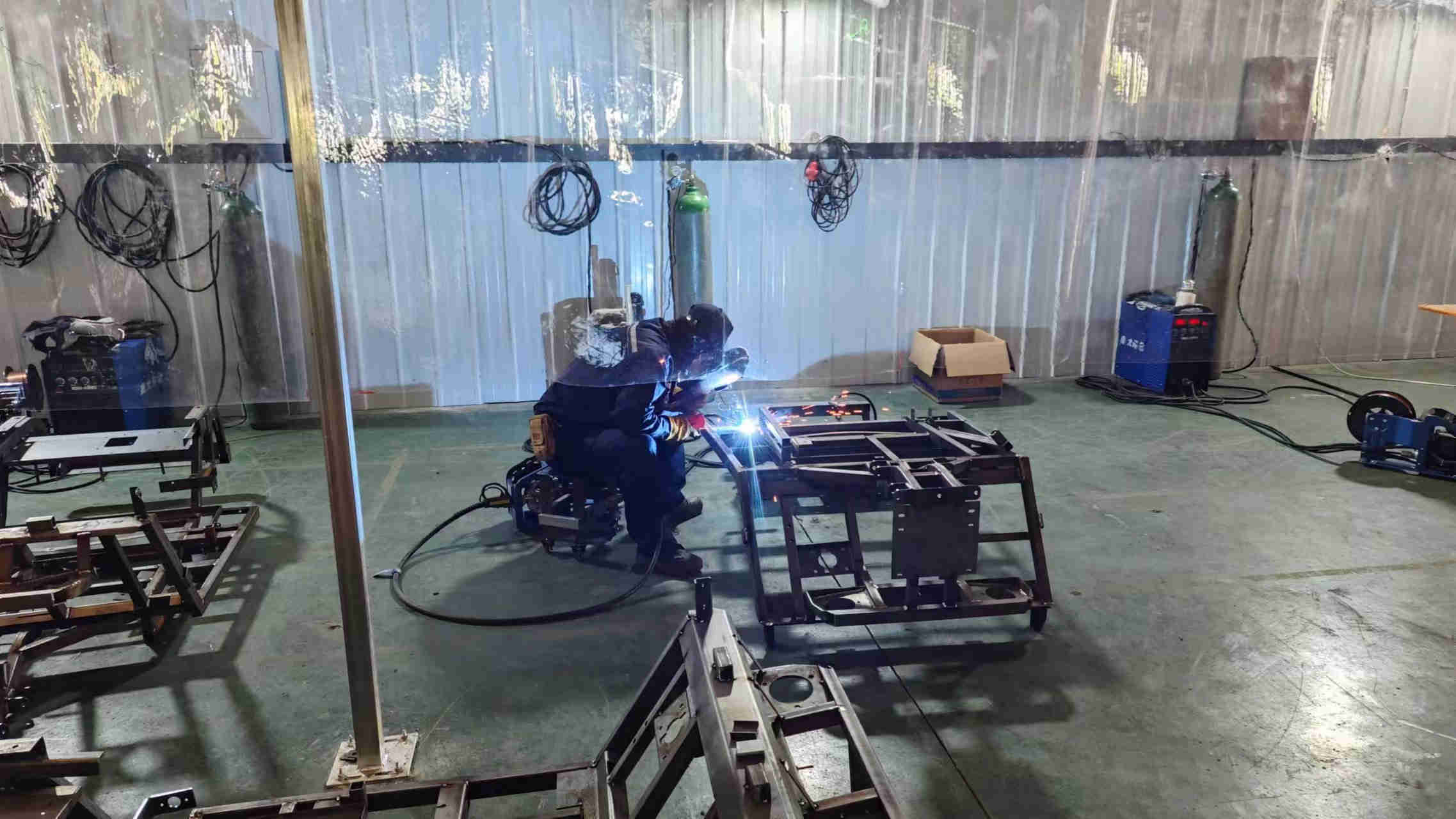
Welding process

Welding

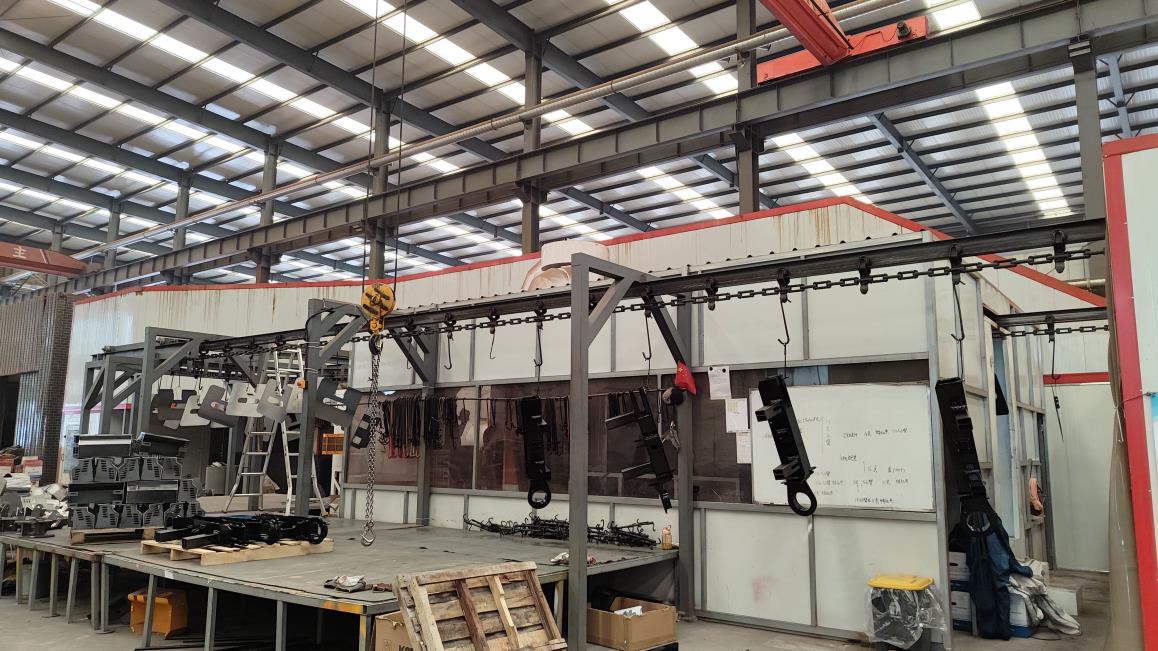
Spray coating process

Spray coating

Assembling 1 process

Assembling 1

Assembling 2 process

Assembling 2

Debugging process

Debugging

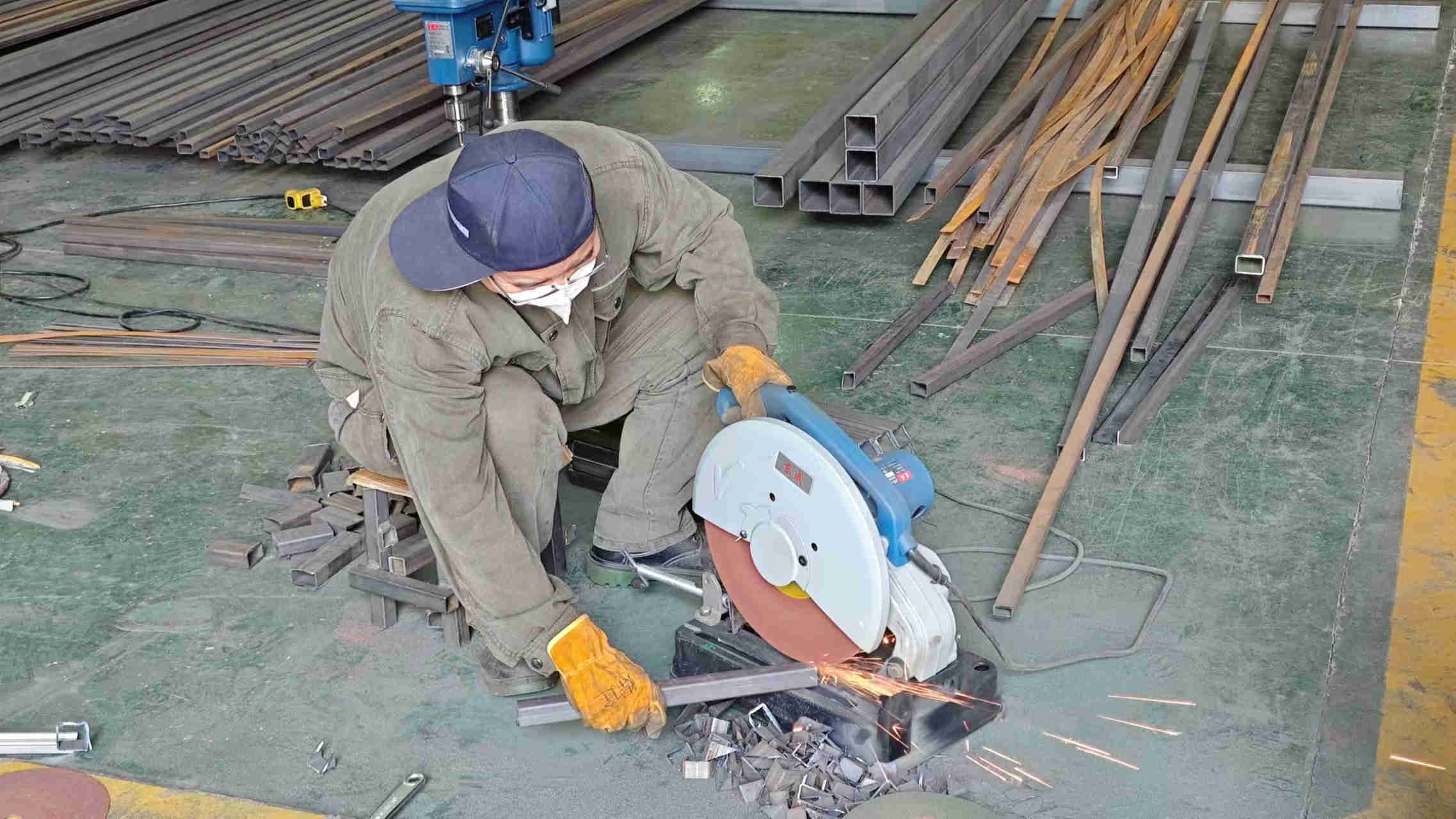
Cutting process

Cutting

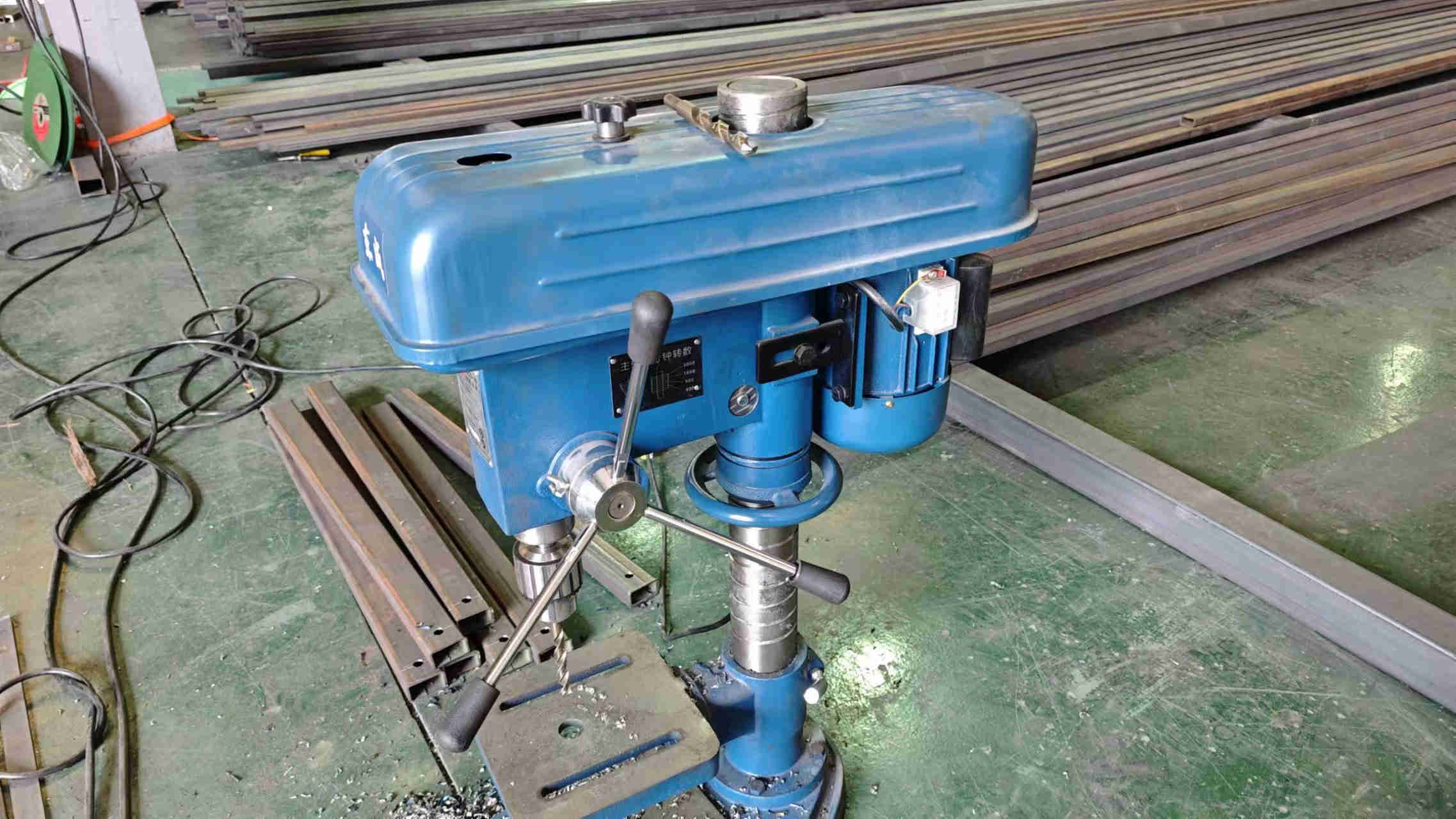
Drilling process

Drilling

Welding process

Welding

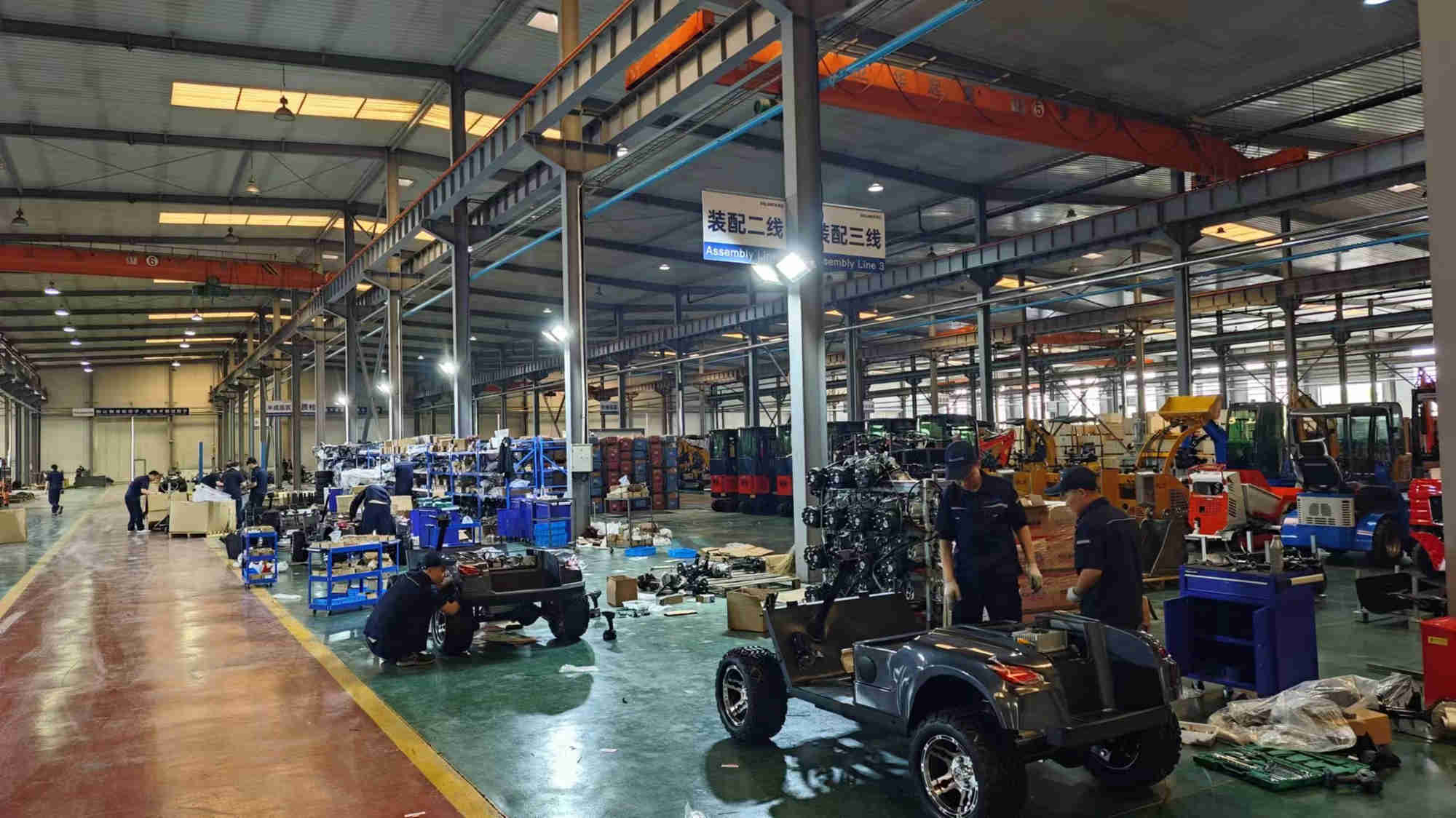
Assembly process

Assembly

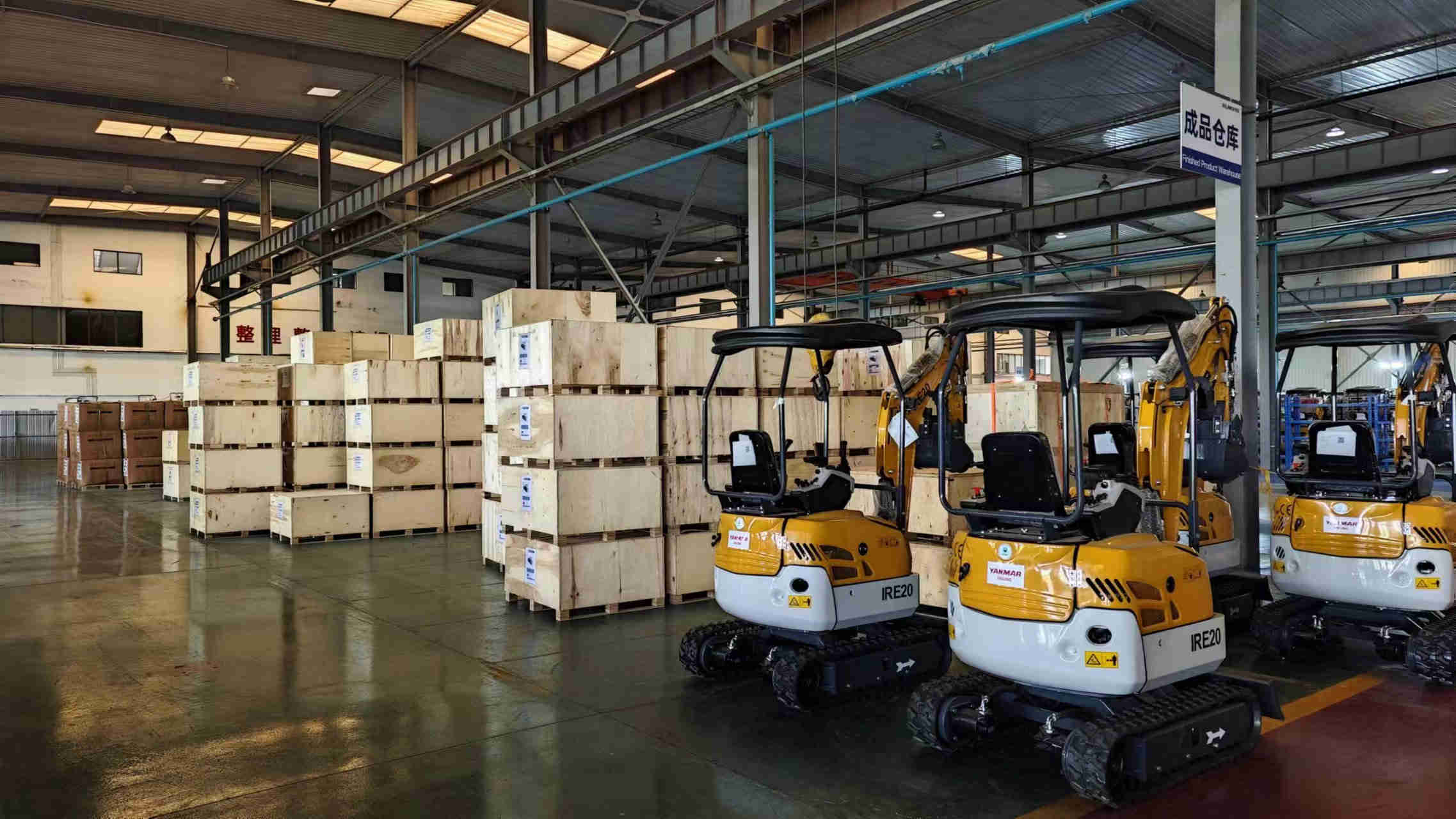
Finished products process

Finished products

Technical Roadmap & Future Horizons (2025-2030)

Pioneering green-combustion advancements and hybrid-electric powertrains to align with Australia's clean-energy transition guidelines.

Optimizing Internal Combustion for Zero Carbon Transitions

As regulatory bodies in the Australian Capital Territory emphasize lower net emissions, our engineering roadmap for gasoline-fueled carts focuses heavily on cleaner thermal dynamics. By refining the fuel injection systems (EFI) in our 300cc and 400cc platforms, we have cut emissions by 25% compared to classic carbureted models. Our developmental timeline targets compatibility with synthetic e-fuels and advanced biofuels, allowing Canberra operators to retain their high-torque physical assets while reducing their ecological footprint.

Hybridization and Multi-Fuel Flex Tech

In response to customer requests across the Canberra-Queanbeyan market, Yangzhou Tulip Cart is engineering hybrid platforms. These drivetrains combine an onboard high-efficiency generator with a downsized, clean-burning gasoline motor. The engine acts as an onboard battery charger, allowing zero-emission electric operations inside urban noise-restricted zones while retaining long-range gas capabilities for off-grid operations.

Advanced Noise Dampening and Thermal Management

A typical critique of gasoline vehicles is their decibel output. Yangzhou Tulip Cart utilizes custom-tuned multi-chamber exhaust mufflers and thick vibration-damping rubber mounts. This combination maintains sound levels under 65 dB at full throttle—comparable to normal human conversation—allowing these vehicles to operate quietly near residential spaces, hotel resorts, and championship golf courses.

China Supply Chain Resiliency & Tulip Cart Factory Efficiency

Leveraging advanced manufacturing clusters to deliver rapid production cycles, cost efficiencies, and dependable logistics to the Oceania market.

Our production facilities in Yangzhou benefit from one of the most comprehensive light-electric and low-speed automotive supply networks in the world. This industrial localization allows us to source high-grade raw steel, aluminum components, advanced electronics, and specialized suspension hardware with minimal lead times. For our Australian clients, this translates to faster turnaround times—typically 30-45 days from custom order approval to port shipment.

By automating key structural processes—such as CNC fiber laser cutting, robotic welding of structural steel frames, and standardized electrostatic powder-coat lines—we maintain exceptional product consistency. Our quality assurance teams run chassis load assessments, engine compression checks, and track trials on every buggy before it is packed. This rigorous testing ensures all components are fully operational upon arrival at Port Botany or Port of Melbourne before transit to Canberra.

Global Export Strengths

Yangzhou Tulip Cart provides secure containerized shipping, custom clearance documentation, and complete logistics tracking to simplify importing for our Canberra buyers.

  • Standardized Ocean Freight Packaging
  • Detailed customs paperwork
  • Complete assembly instructions and toolkits included
  • On-call global technical support

Frequently Asked Questions: Canberra Procurement

Expert guidance on import regulations, compliance, customizations, and operational parameters for ACT buyers.

Q1: What are the registration and road compliance rules for gas golf carts in the Australian Capital Territory (ACT)?
In the ACT, golf carts and utility vehicles can be operated on public roads under specific conditions. They must be registered under the "Restricted Registration" scheme for low-speed vehicles, which typically requires features like headlights, brake lights, indicators, side mirrors, and horn. They must also be operated by a licensed driver, generally within specified golf courses, retirement villages, or private industrial properties. We can customize your vehicles with these road-legal accessories at our factory.
Q2: How do your gas-powered carts perform in Canberra's sub-zero winter temperatures?
Our gasoline-powered engines are built with premium starting systems and cold-weather air intakes. They start reliably in sub-zero environments, which is a major advantage over electric models that often experience battery discharge and capacity drop in cold conditions.
Q3: What are the options for body graphics, branding, and color customization?
We offer full color matching and custom graphic prints. We can apply decals of university crests (such as ANU or UC), corporate branding, resort logos, or club badges directly onto the body panel gel coats, followed by a durable clear UV protection layer to prevent fading in the strong Australian sun.
Q4: What is the typical lead time and ocean transit time to Port Botany or Melbourne?
Standard manufacturing ranges from 20 to 30 days depending on the volume and customization needs. Ocean freight transit from Shanghai or Ningbo ports to Port Botany (Sydney) or the Port of Melbourne typically takes between 18 and 25 days, after which domestic transport delivers the vehicles directly to your Canberra site.
Q5: Do your vehicles meet international safety and manufacturing standards?
Yes. Yangzhou Tulip Cart Co., Ltd. is ISO9001 certified. Our vehicles comply with the National CCC standards, and our export models are built to meet the rigorous safety and structure standards required for low-speed transport globally.