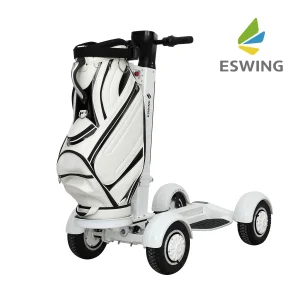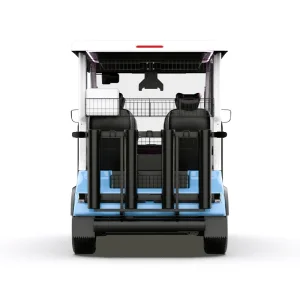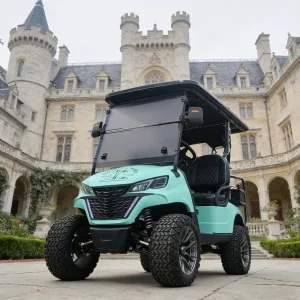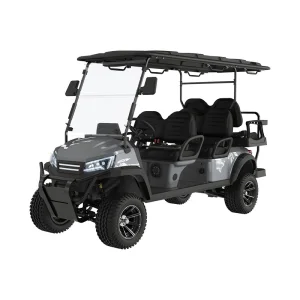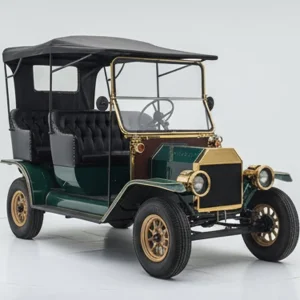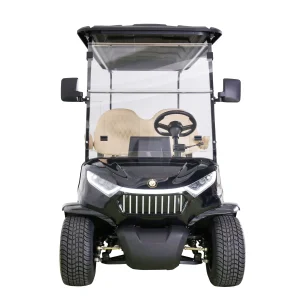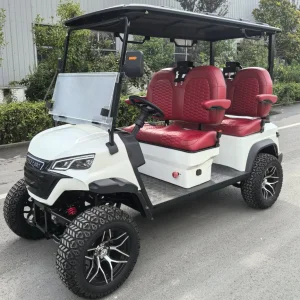
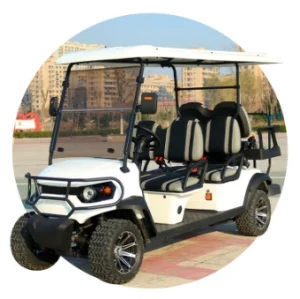
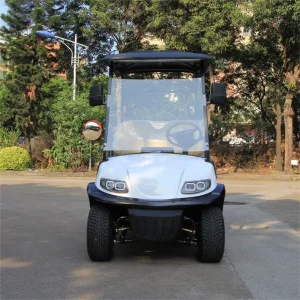
In the rapidly evolving landscape of low-speed new energy vehicles, golf carts have transitioned from simple green-grass fleet transport to sophisticated Low-Speed Vehicles (LSVs) and specialized utility transport. Today, B2B procurement professionals, fleet directors, and recreational buyers prioritize safety compliance, structural engineering, and smart driver assistance configurations.
Yangzhou Tulip Cart Co., Ltd. stands as an industry-leading manufacturer specializing in the advanced design, custom engineering, and scaled production of electric golf carts, low-speed new energy vehicles, and utility carts. By adhering to international frameworks, including ISO9001 and National CCC standards, we ensure that every platform leaving our line represents the pinnacle of reliability, durability, and structural safety. Our engineering focuses on integrating state-of-the-art chassis configurations, advanced electronic control units, and reliable power systems to protect both operators and passengers across various environments.
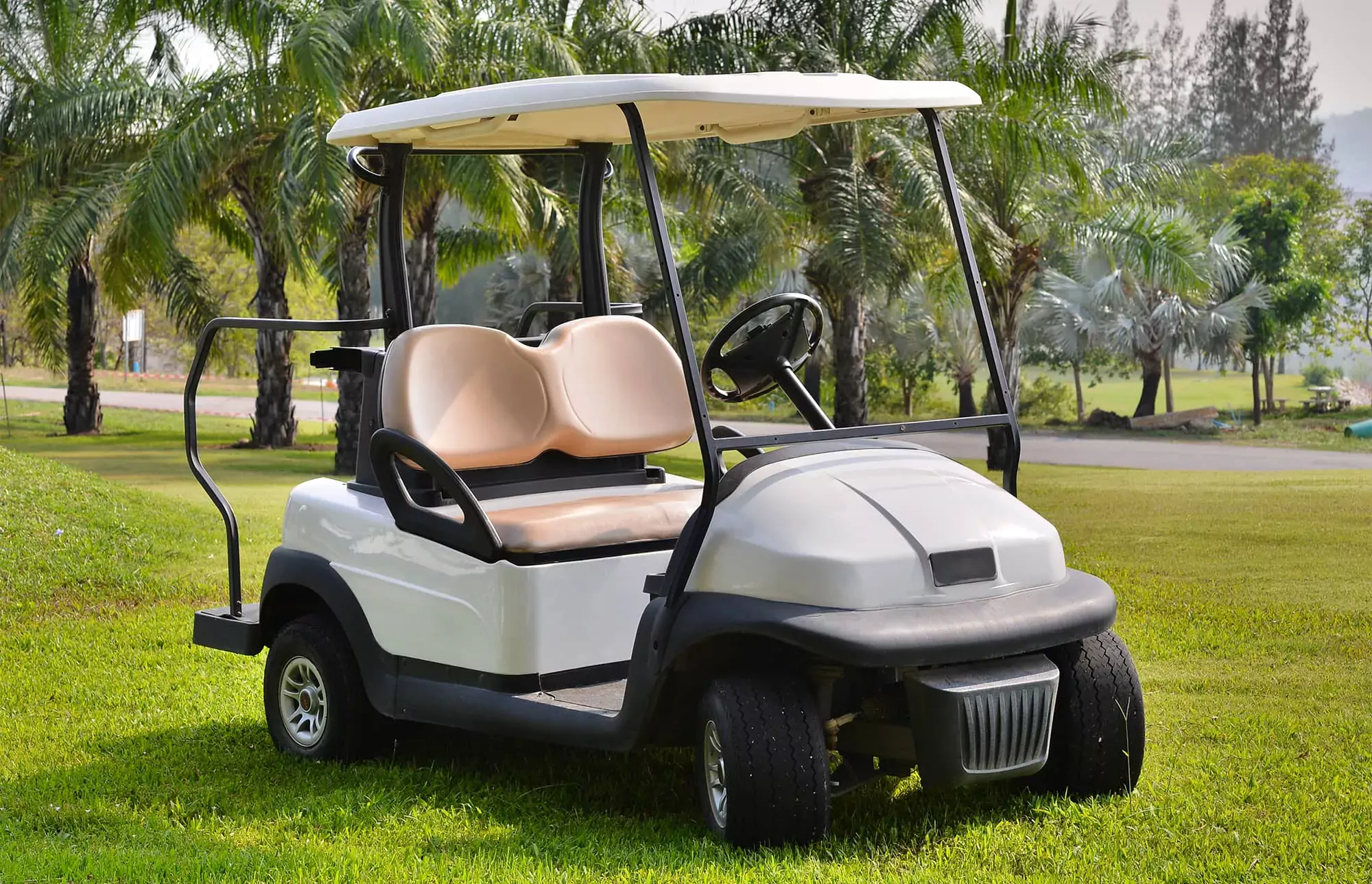
Developing a safe electric buggy requires a deep understanding of vehicle dynamics and electric powertrain behavior. Modern golf carts from leading factories rely on redundant safety systems that prevent accidents and minimize the impact should a collision occur.
Loss of control is a major cause of low-speed vehicle tipping. At Yangzhou Tulip Cart Co., Ltd., we use advanced controllers like the industry-standard Curtis Controller to manage speed curves, acceleration ramps, and motor braking parameters. This system is paired with mechanical steering gears designed for light and smooth steering. By optimizing steering ratios, our design prevents over-correction at maximum speeds, keeping the vehicle stable even during sudden maneuvers.
Our electric utility carts feature a dual braking system that combines hydraulic disc brakes with electromagnetic motor braking. The regenerative braking system converts kinetic energy back into battery storage while slowing the cart down on steep inclines. This prevents speed runaways and reduces brake pad wear. Additionally, the automatic park-brake lock guarantees that when the vehicle stops on an incline, it remains secured without manual intervention.
With the transition to high-capacity lithium setups, battery safety is a major engineering focus. Our lithium polymer and LiFePO4 battery modules feature NTC thermal sensors and smart Battery Management Systems (BMS). This electronics package monitors temperature, voltage, and current levels. If it detects a thermal anomaly, the system disconnects the pack, preventing issues and protecting the passenger cabin.
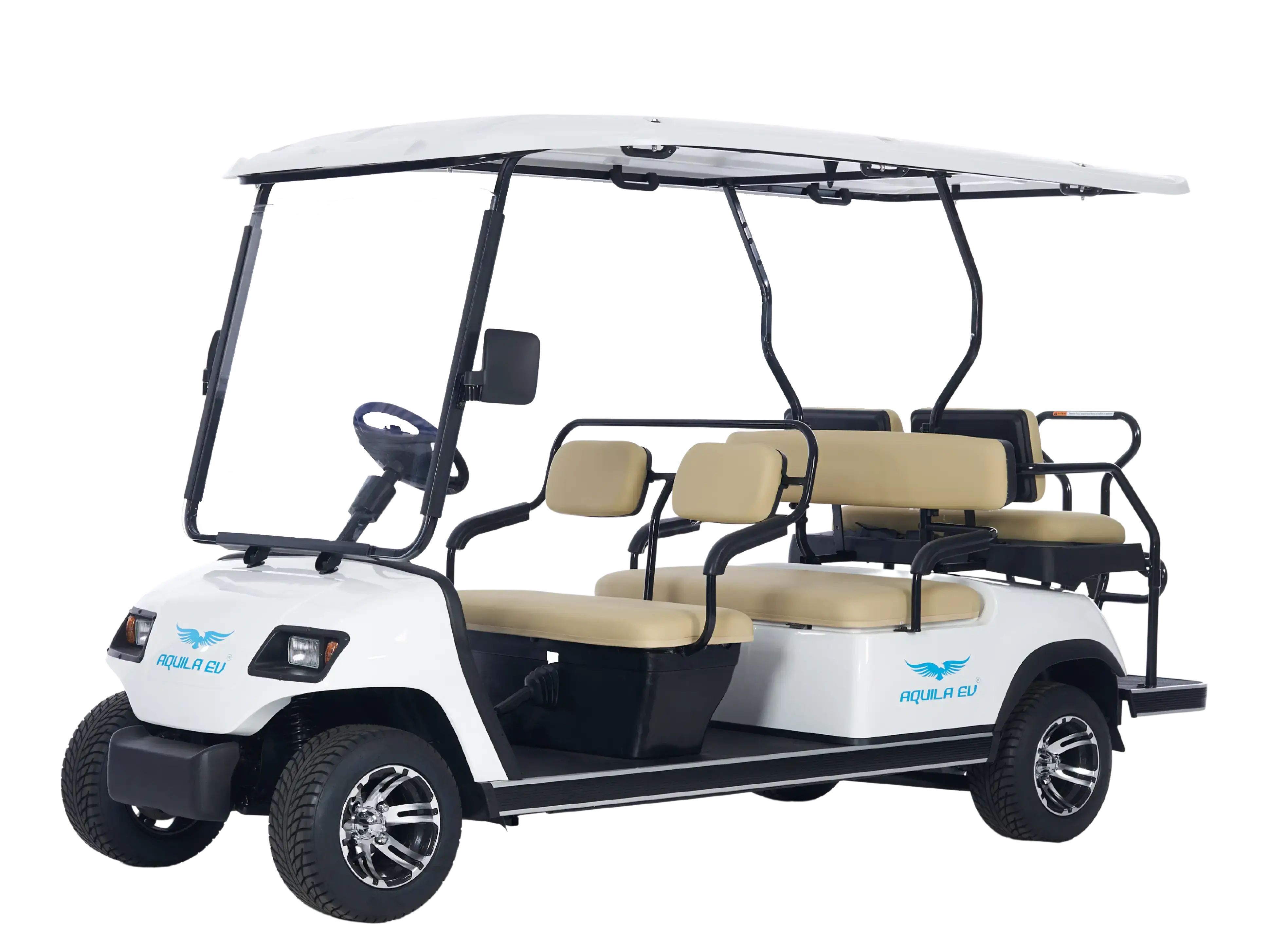
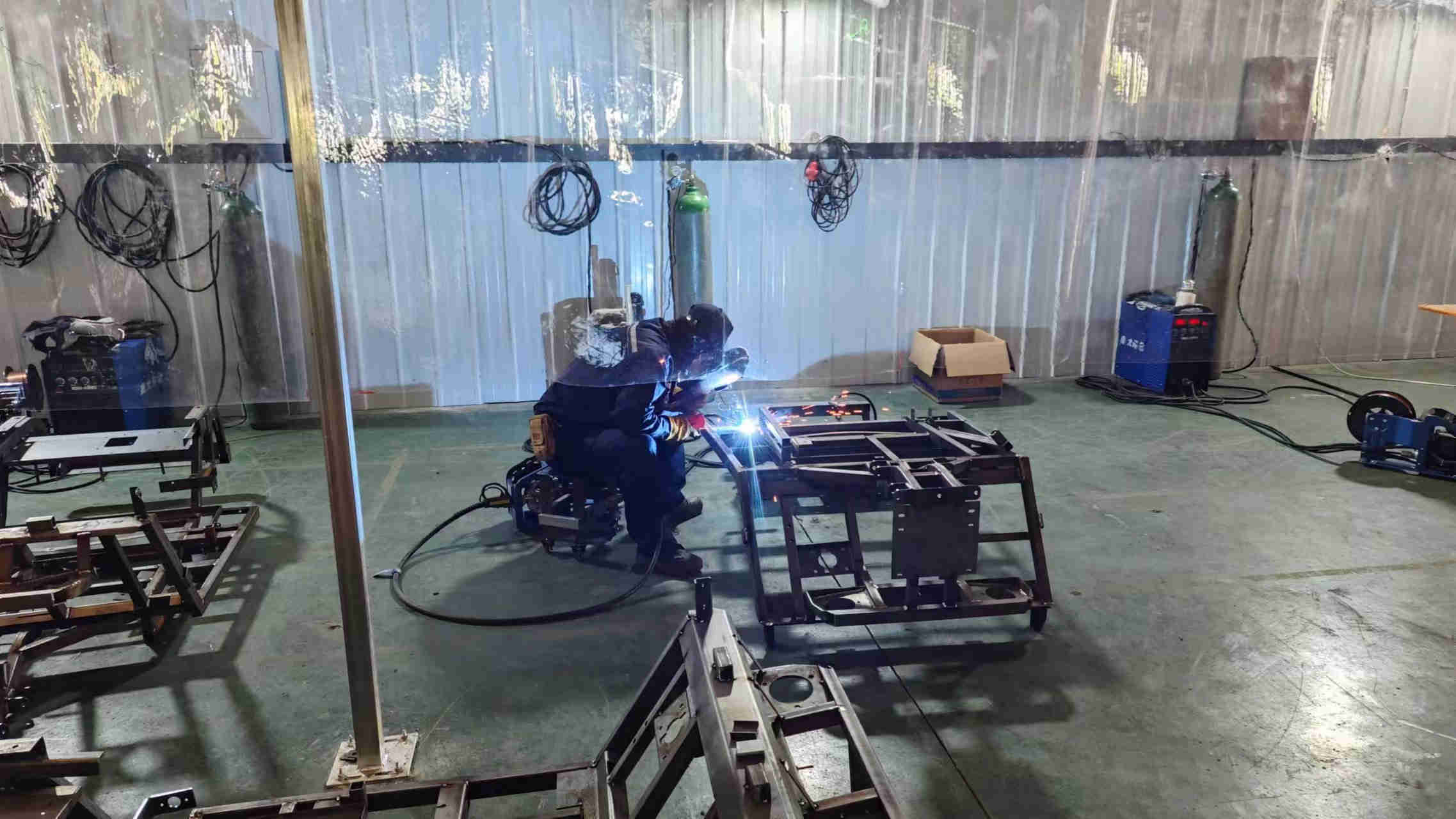
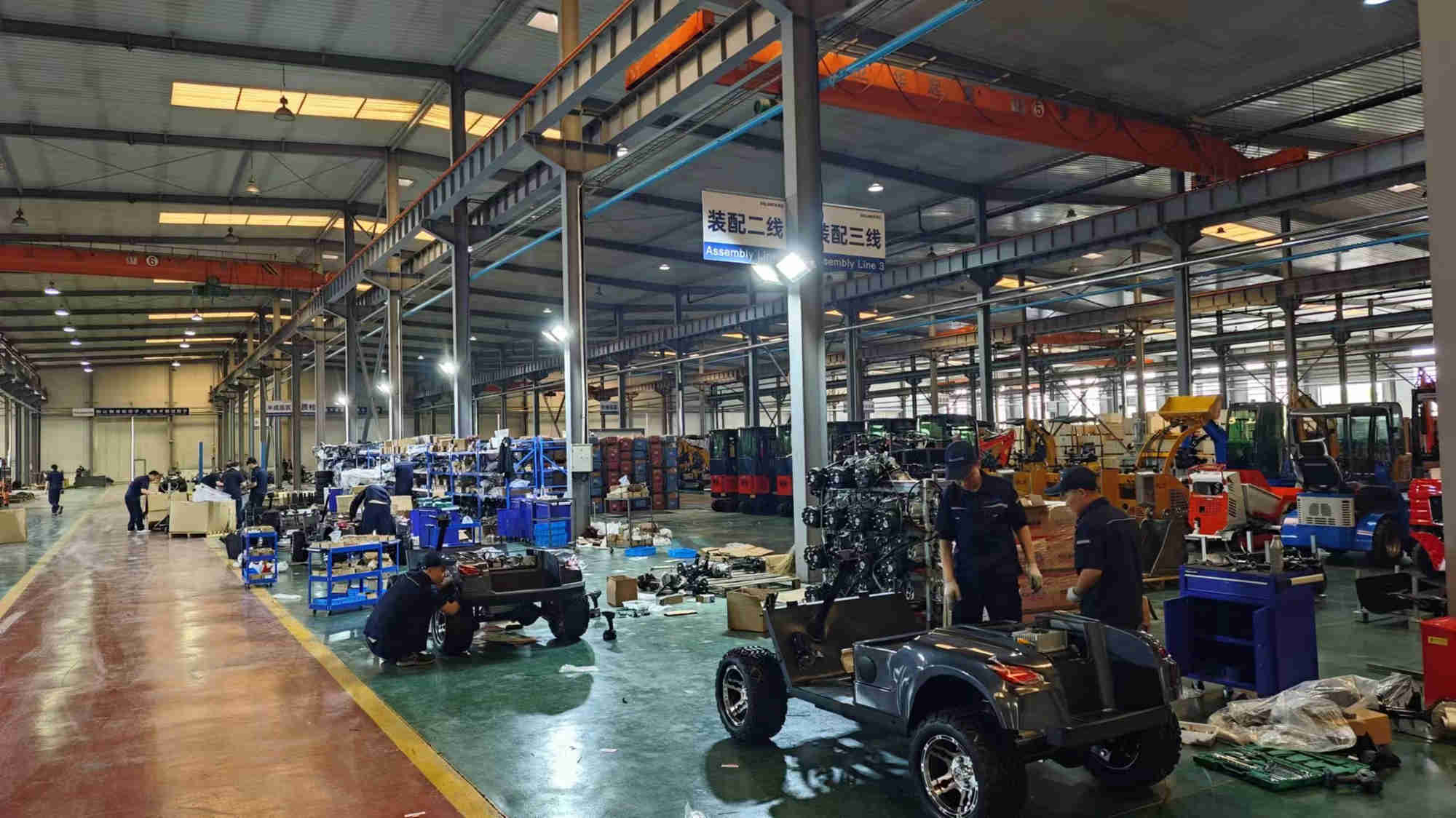
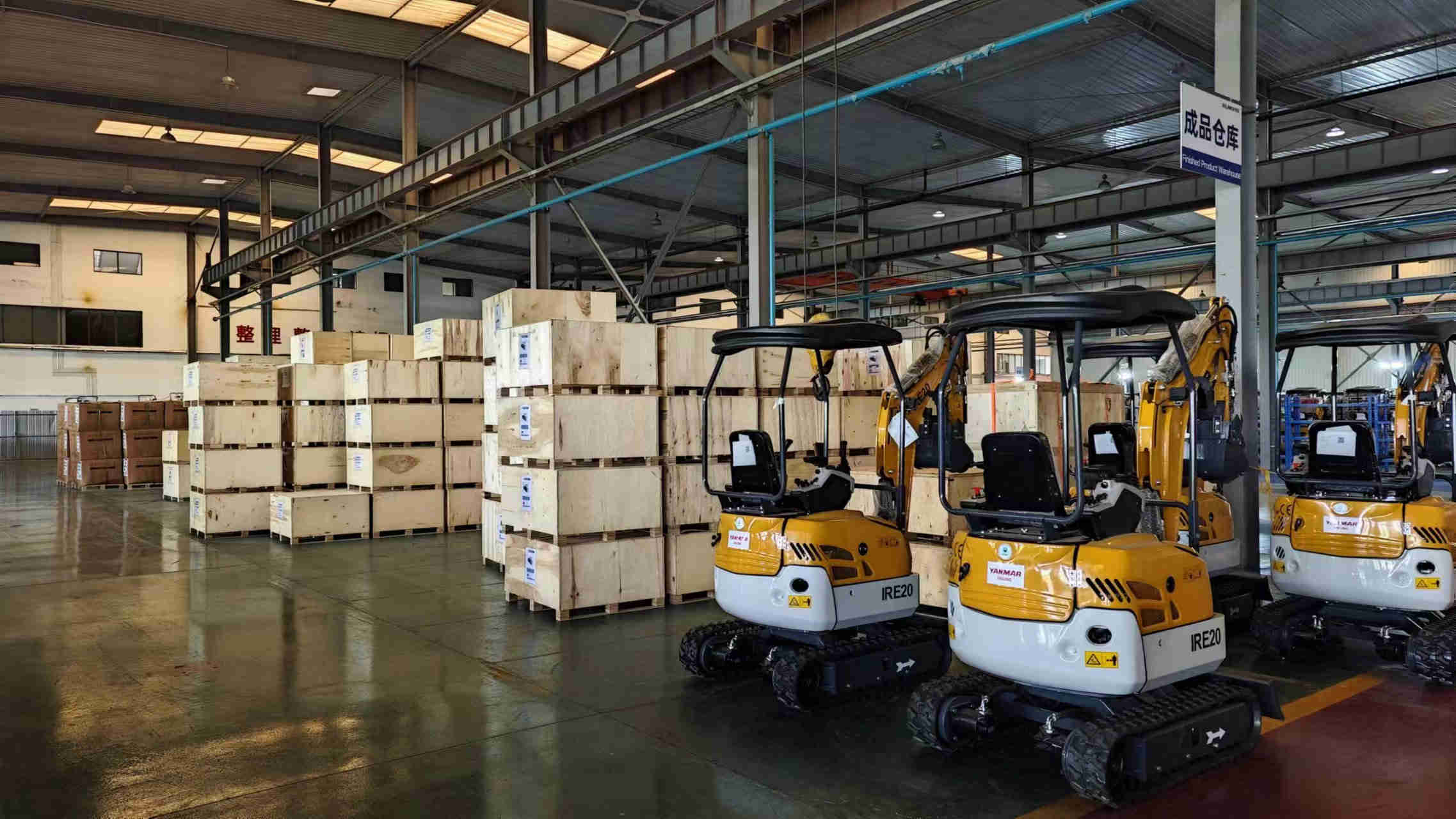
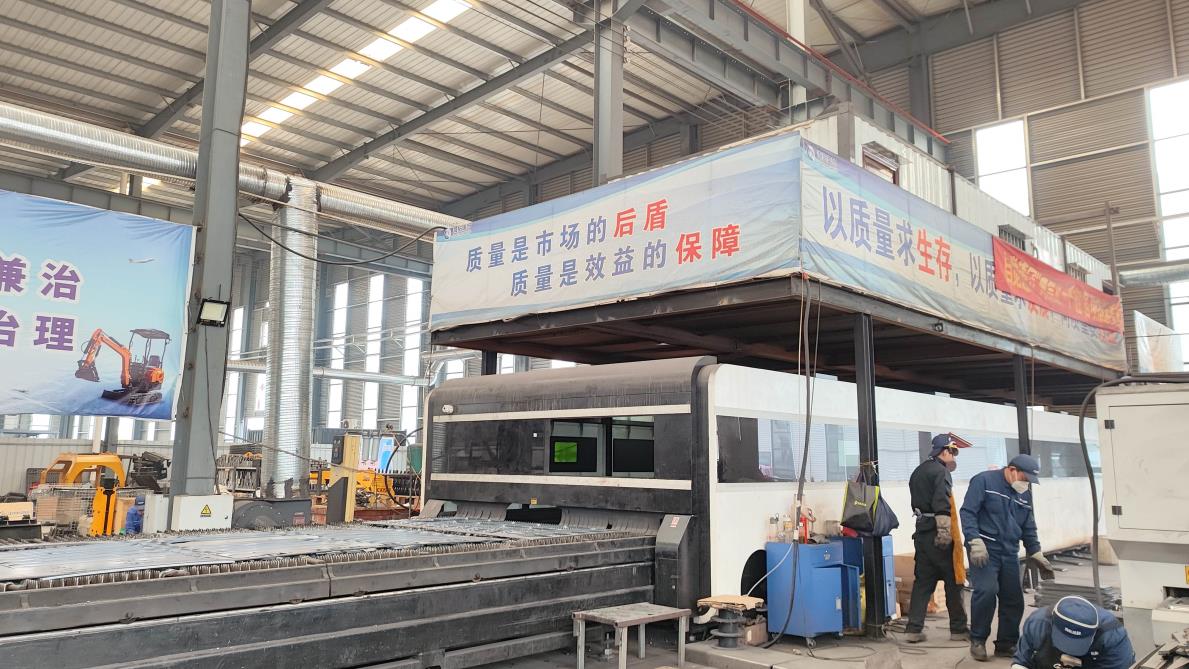
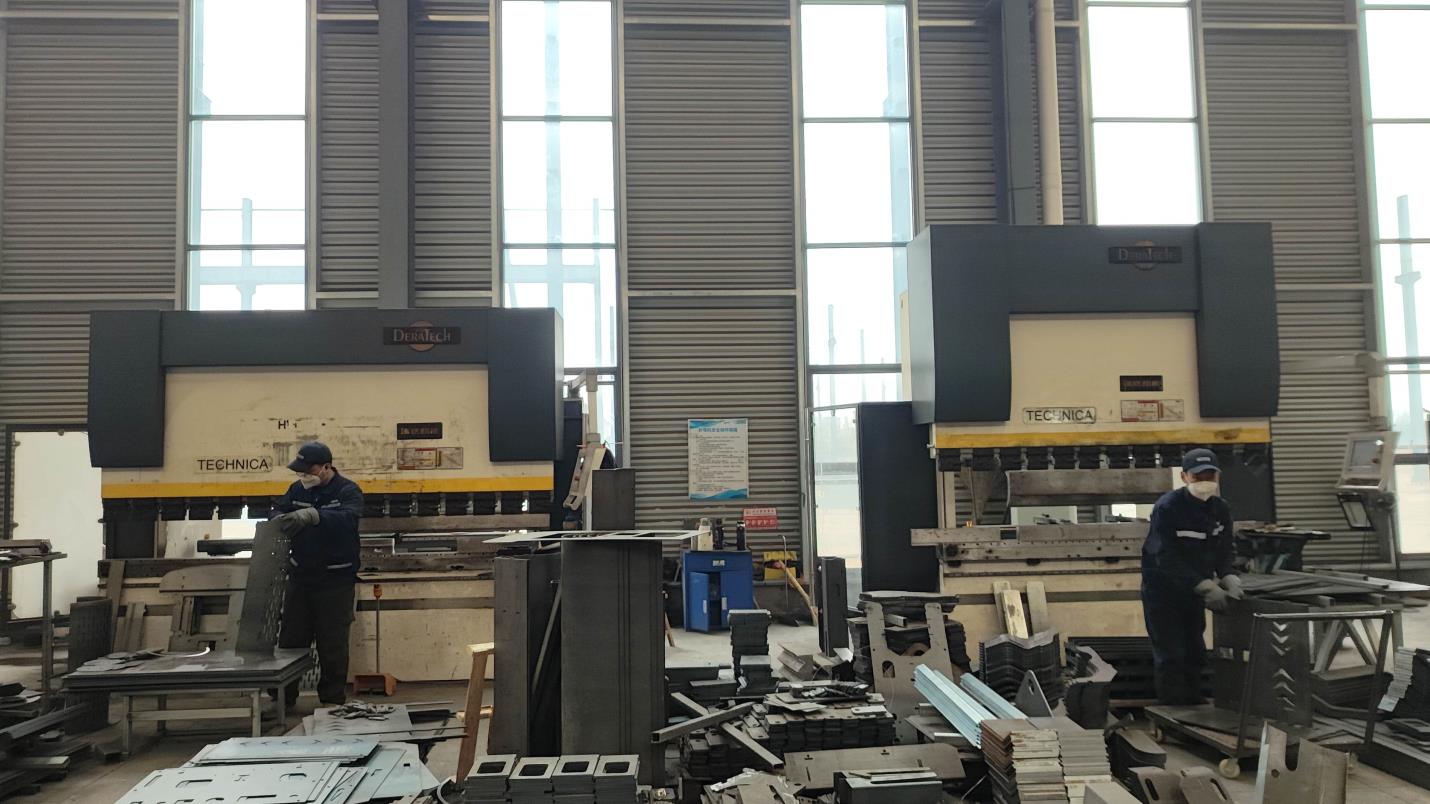
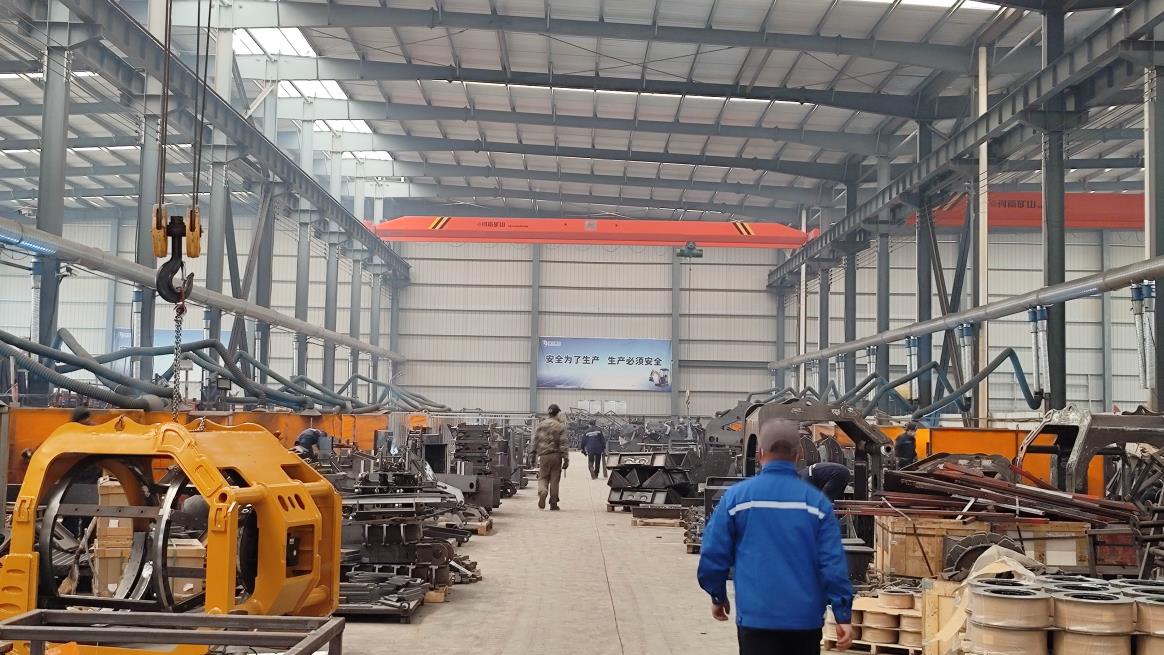
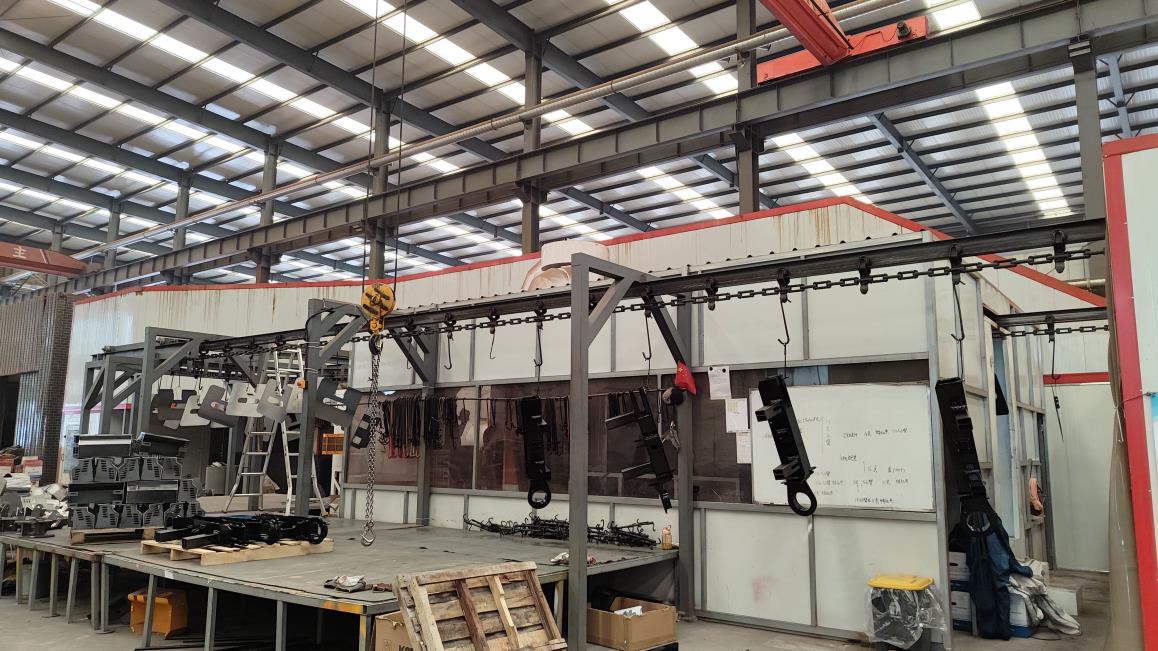
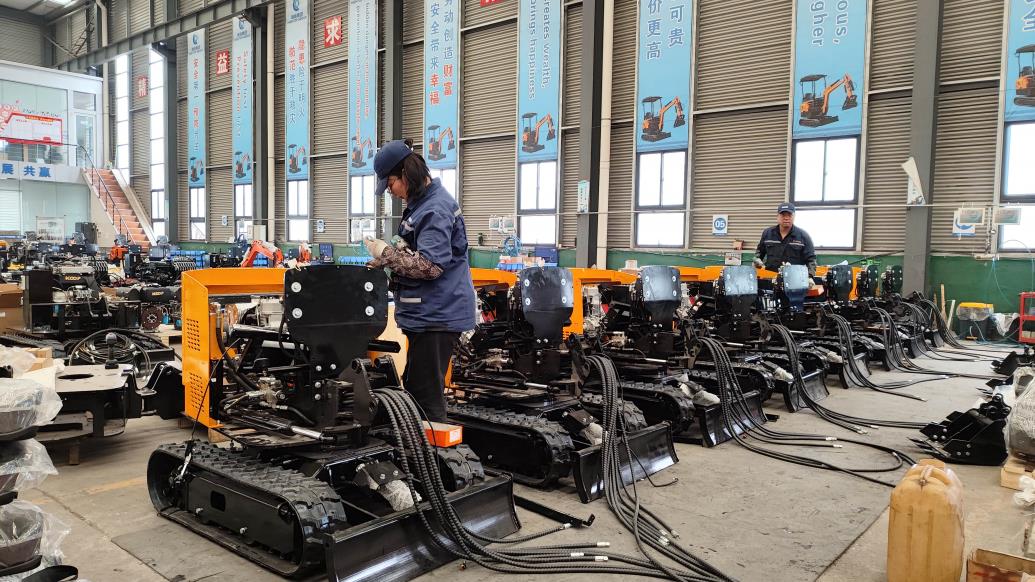
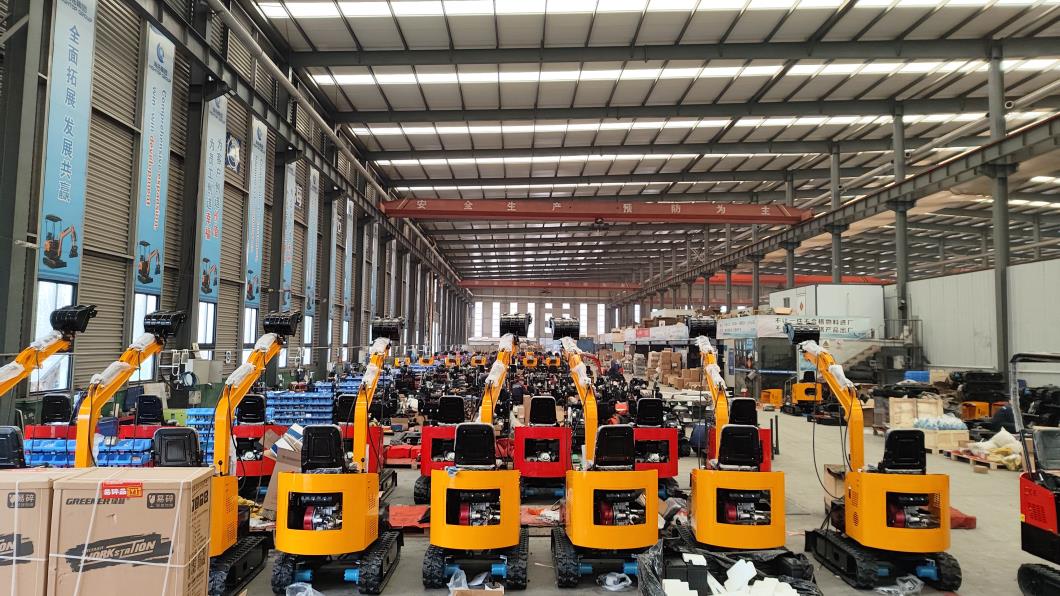
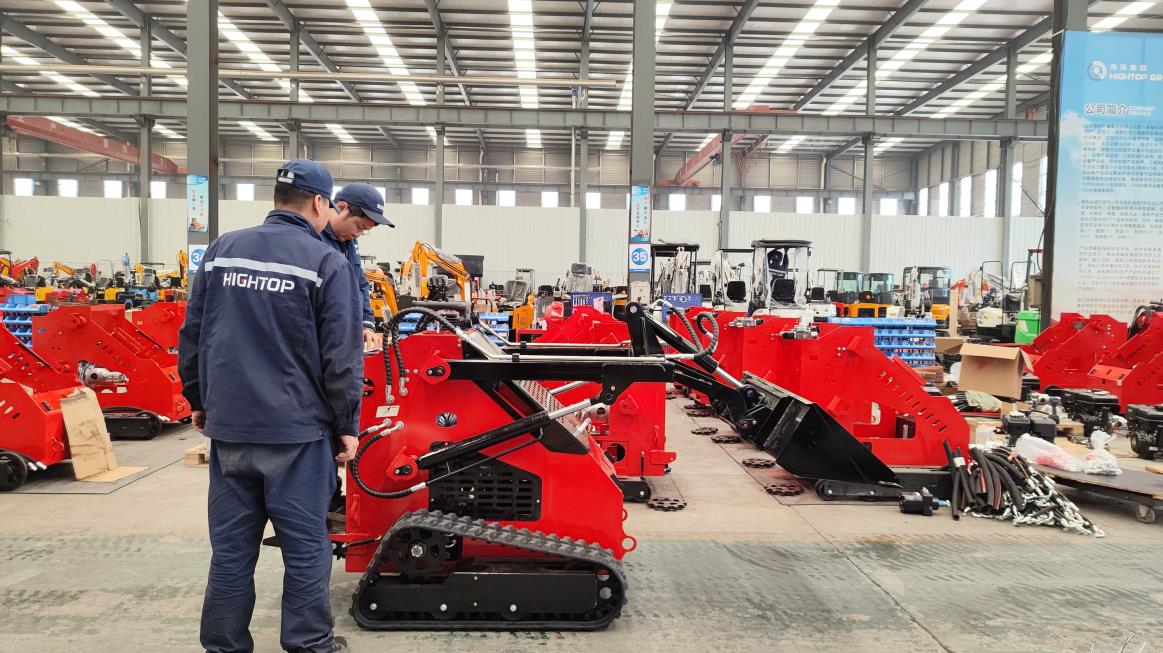
Manufacturing reliable low-speed electric vehicles requires precision at every stage of production. Yangzhou Tulip Cart Co., Ltd. uses a vertically integrated assembly process to ensure component compatibility and consistent build quality.

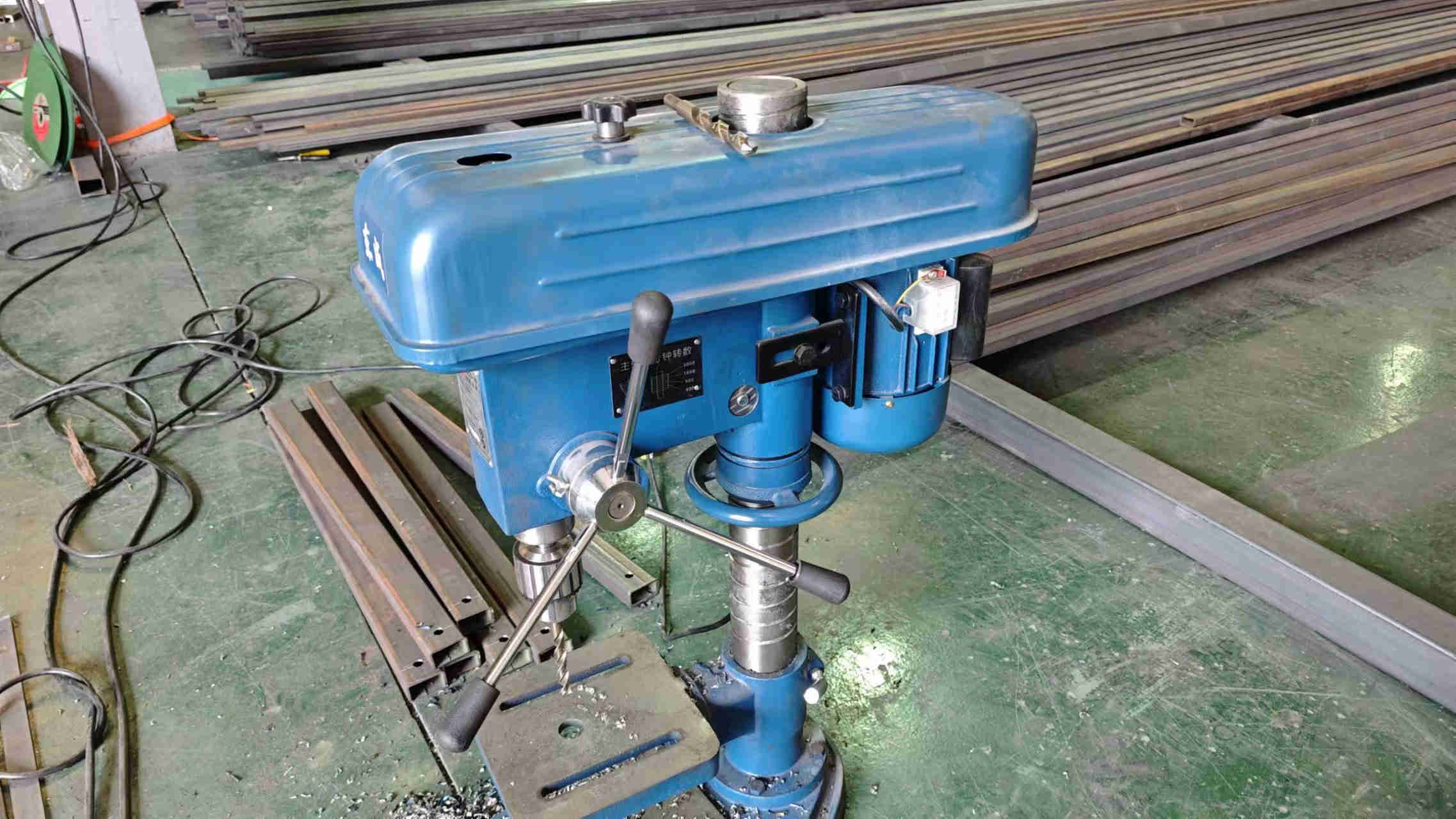
Regulatory requirements for electric low-speed vehicles vary significantly across global markets. Importers must navigate regional standards to ensure their vehicles are street-legal and ready for public roads.
In the United States, street-legal electric buggies must comply with FMVSS 500 (Federal Motor Vehicle Safety Standard) to be classified as Low-Speed Vehicles (LSVs). This requires the installation of specific safety features, including three-point seat belts, DOT-approved windshields, exterior side mirrors, reflex reflectors, backup cameras, and horn assemblies. Yangzhou Tulip Cart offers pre-configured, street-legal LSV packages designed to simplify local DMV registration processes.
For European operators, compliance with CE standards and EEC L7e classifications is essential. This includes strict requirements for lighting systems, dual-circuit braking mechanics, and eco-friendly manufacturing components. Our certified production line provides standard documentation to ensure smooth customs clearance and registration in all EU member states.
Environmental factors also influence vehicle safety and lifespan. Carts operated in coastal resorts require anti-corrosive electrophoretic spray coatings to resist saltwater corrosion. Vehicles used in northern regions need cold-tolerant lithium chemistry with internal battery heating to maintain performance in low temperatures.
The low-speed vehicle market is shifting toward smarter, safer, and more connected platforms. Yangzhou Tulip Cart Co., Ltd. is focusing its R&D on three main technological updates:
Advanced Driver Assistance Systems (ADAS): Integrated sensors and sonar proximity alarms detect obstacles in reverse, automatically applying the brakes to prevent low-speed collisions.
IoT Fleet Management: Real-time telematics allow fleet managers to monitor battery health, track vehicle location via GPS, enforce speed limits remotely, and set geofences.
Solar-Assisted Charging: Integrated solar roofs provide a continuous trickle charge to the battery system. This extends operational range and reduces energy consumption, supporting a more sustainable operation.
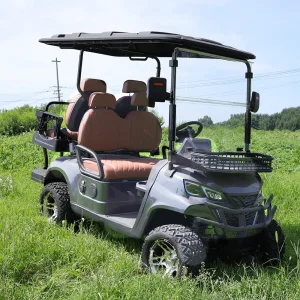
 Tulip Cart