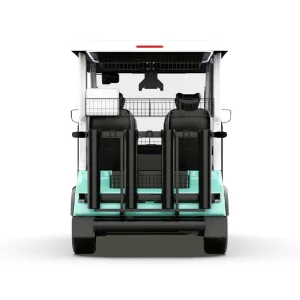
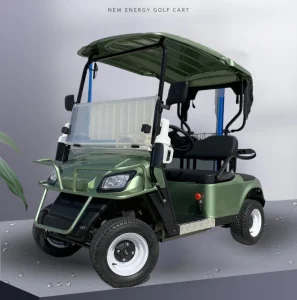
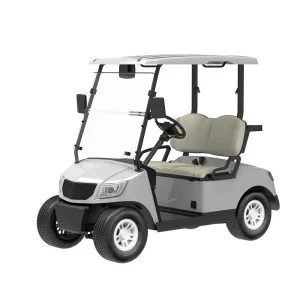
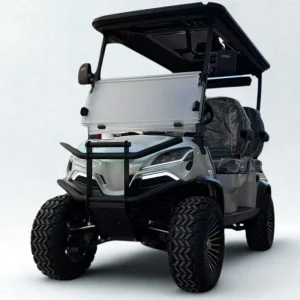
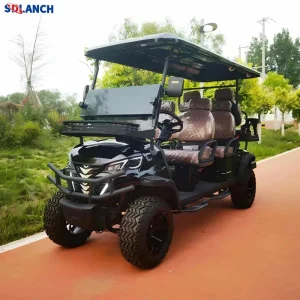
Explore our elite range of low-speed new energy vehicles, high-capacity industrial power systems, and specialized terrain components built to international standards.
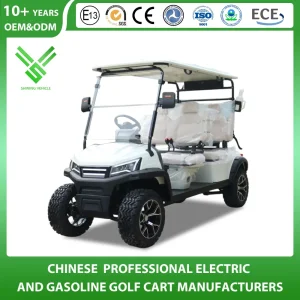
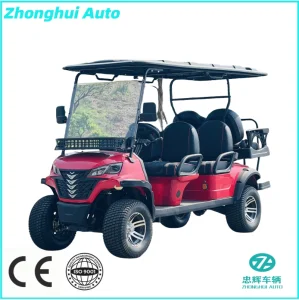
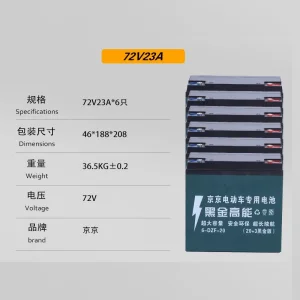
The global low-speed electric vehicle (LSEV) market is experiencing a profound paradigm shift. Modern multi-passenger golf carts and utility utility carts have transitioned far beyond the fairways. Today, they serve as crucial infrastructure for master-planned urban communities, industrial logistics zones, mega resorts, and airports. For commercial fleet managers and B2B procurement professionals, partnering with a high-capacity, vertically-integrated supplier in China is no longer just about lowering acquisition costs—it is about securing reliable structural engineering, localized compliance frameworks, and long-term parts support.
Proper fleet integration demands strategic alignment across manufacturing tolerances, battery management systems (BMS), and rugged environmental storage capabilities. Fleet vehicles face diverse weather challenges, intensive daily operational cycles, and strict space optimization requirements. Understanding the technical configurations of sub-assemblies—such as corrosion-resistant hot-dip galvanized chassis, brushless AC drive motors, and dual-source safety brake systems—is vital for maximizing Return on Investment (ROI).
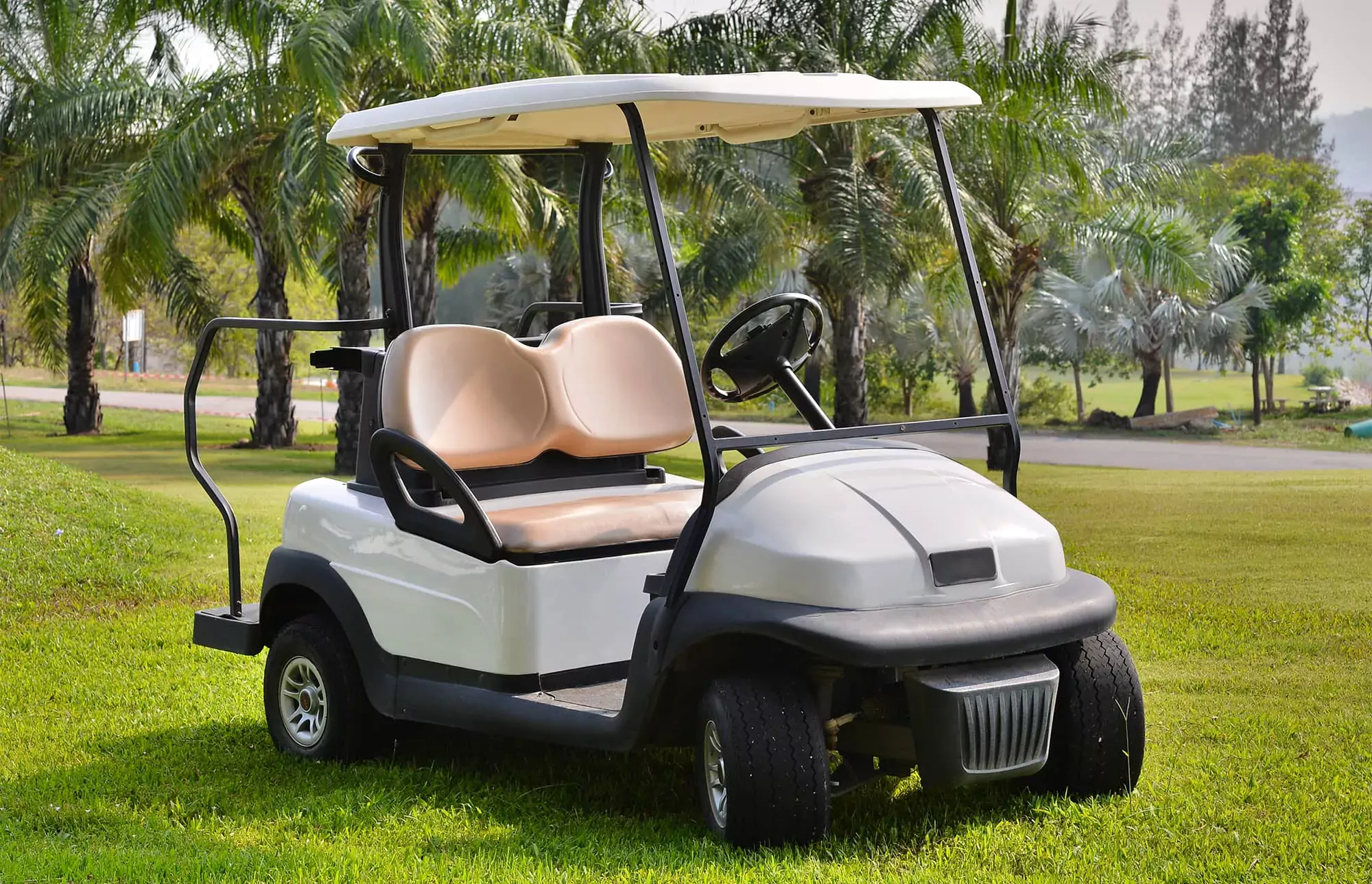
A premier Chinese manufacturing and design enterprise specializing in cutting-edge low-speed new energy platforms.
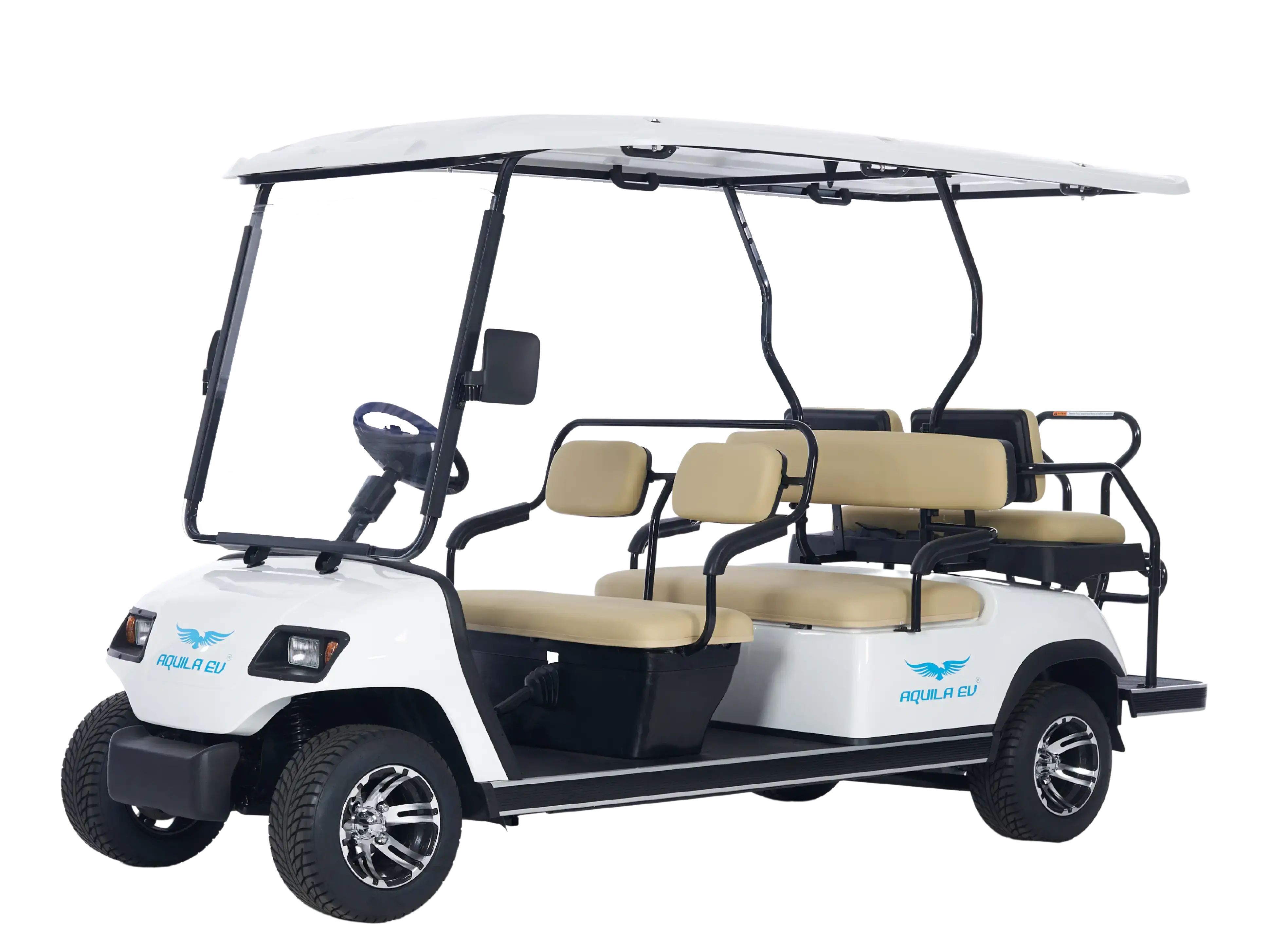
Yangzhou Tulip Cart Co., Ltd. stands as a leading provider of golf carts and accessories, specializing in the design, production, and sales of electric vehicles, low-speed new energy vehicles, and specialized utility vehicles. With a strong focus on quality and innovation, we are committed to providing reliable, eco-friendly, and high-performance transportation solutions for a wide range of industries.
Our products are certified by ISO9001, National CCC, and other international standards, ensuring that we consistently meet the highest safety, quality, and environmental requirements. As a company driven by technological advancements, we aim to deliver products that enhance both the functionality and the aesthetic appeal of every ride. With years of expertise and experience, we are proud to be a trusted partner for golf courses, resorts, private estates, and commercial logistics hubs across Europe, North America, and Southeast Asia.
By controlling the entire process from structural design to final road-testing, we ensure that our vehicles maintain superior durability. We use high-grade steel alloy for our roll cages and chassis frames, applying anti-corrosive electrophoretic dip coating to withstand humid and coastal resort environments.
Customizable electric and fuel-powered micro-mobility fleets designed for modern applications.
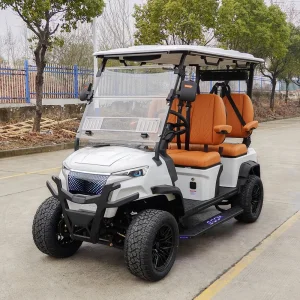
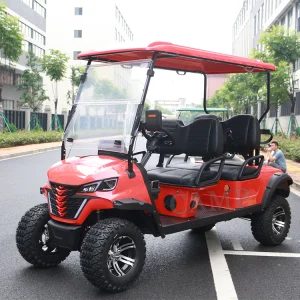
All our carts come with soft, comfortable seats, USB charging ports, and the ability to customize body graphics to add a personal touch, from playful cartoons to family emblems or corporate brand logos.
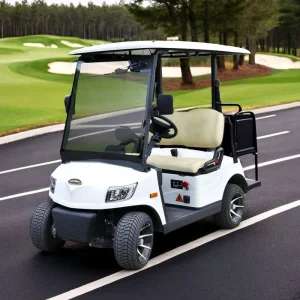
We specialize in a wide variety of golf carts, available in both electric (lithium/lead-acid batteries) and fuel-powered (highly efficient gasoline engines) models to suit various remote or urban locations.
Our golf carts are engineered with advanced features that ensure a smooth, quiet ride, superior durability, and long-lasting performance. They are equipped with high-performance motors and robust chassis frames.
Our products are built with green technology, contributing to a cleaner, more sustainable environment by reducing emissions and energy consumption across commercial and residential deployments.
From upgraded seating and additional storage options to advanced tech features such as GPS navigation, multi-media dashboards, and Bluetooth connectivity, our accessories enhance convenience.
Built to conform with international certifications including CE (Europe) and DOT (USA) for low-speed street legal operations in public streets, resorts, and gated communities.
Inside the state-of-the-art Yangzhou Tulip Cart production facility, showing our step-by-step quality control system.
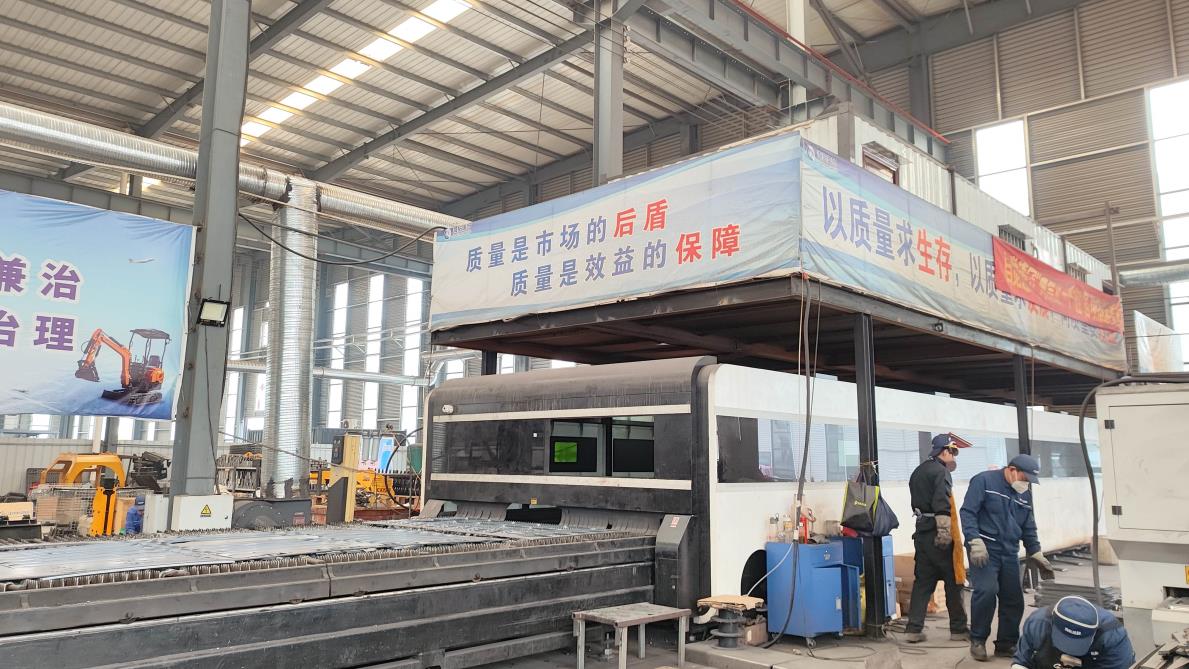
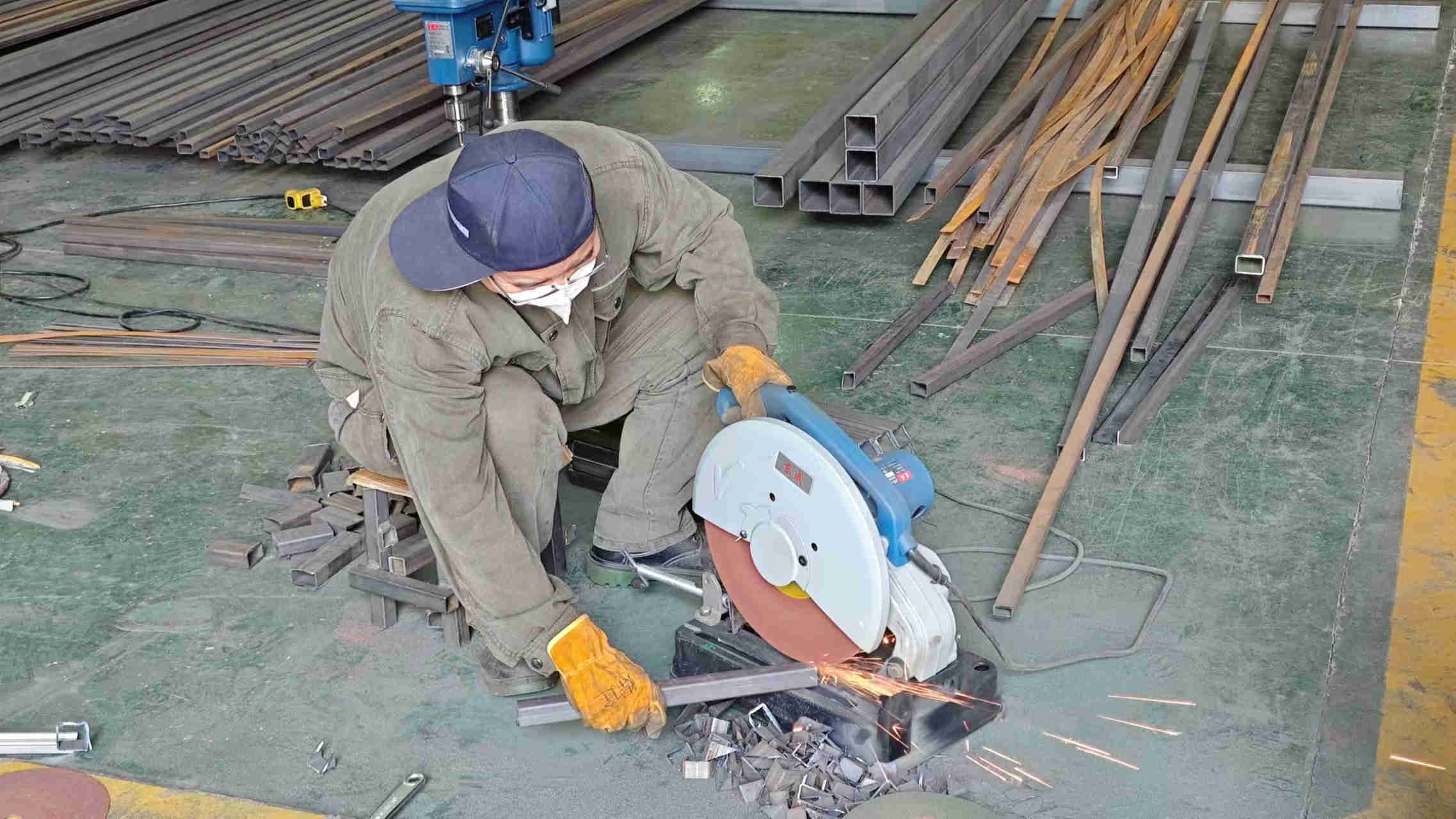
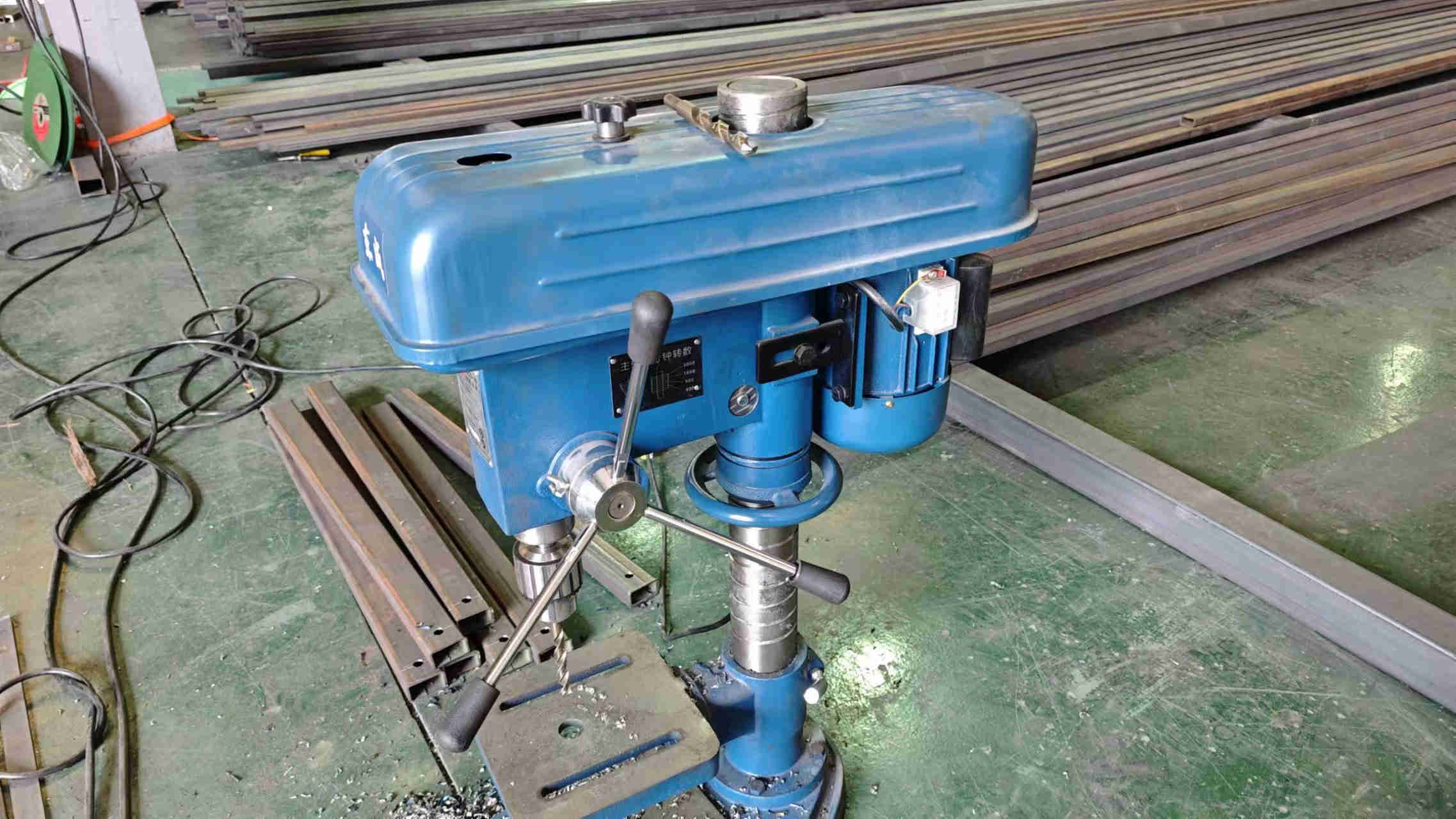
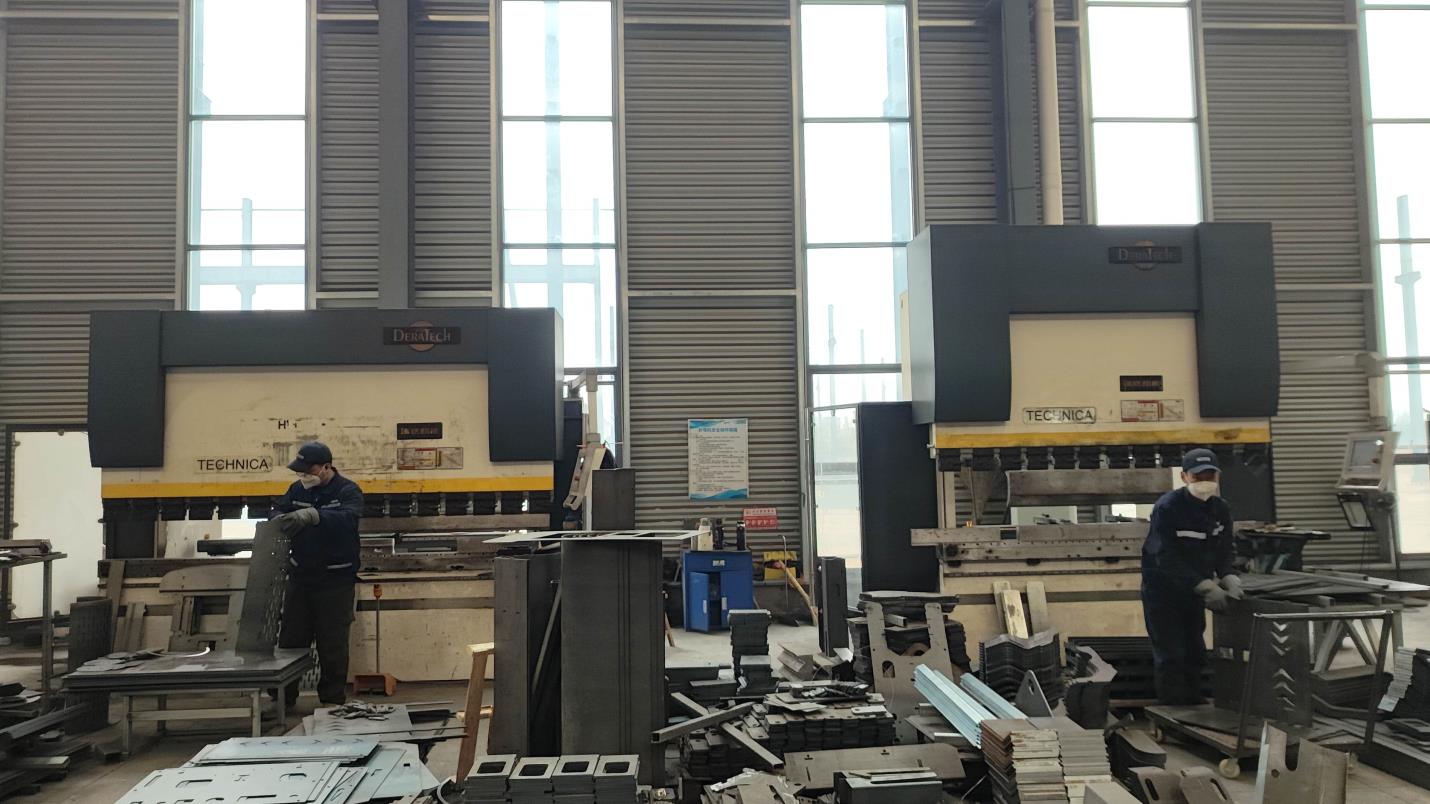
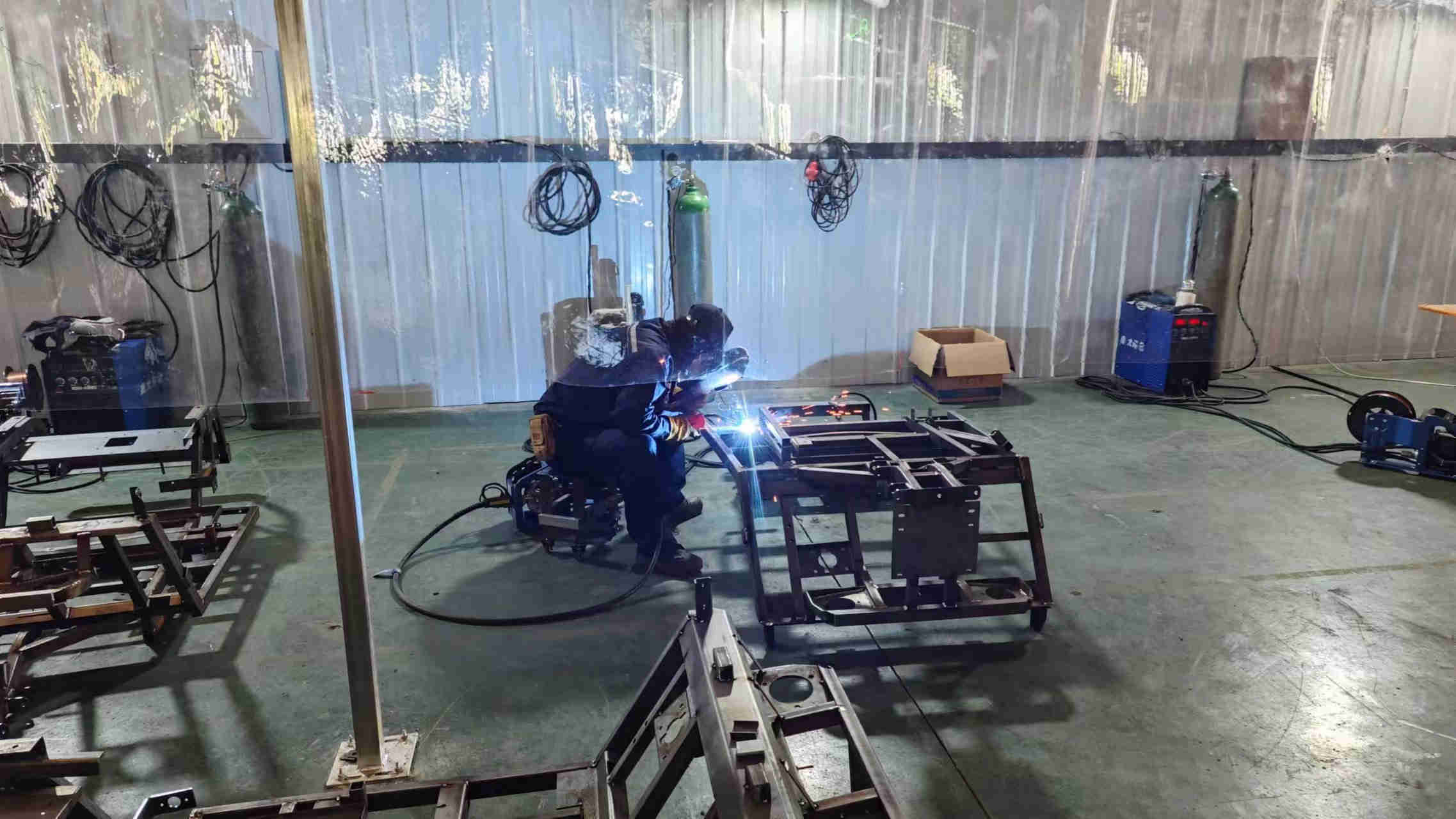
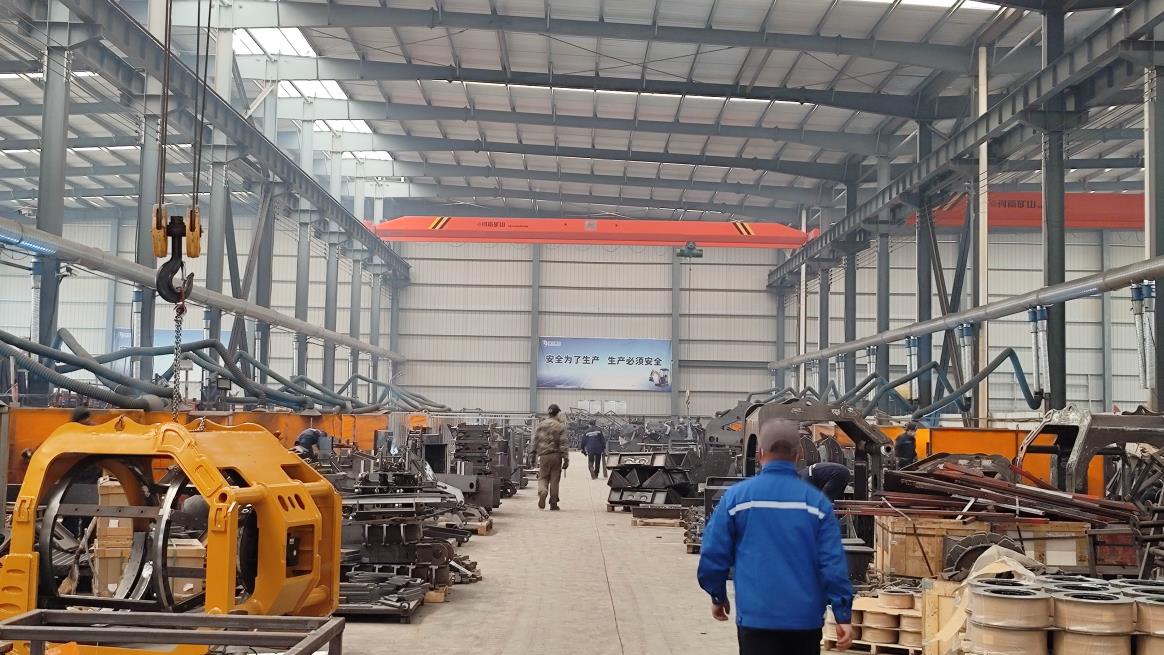
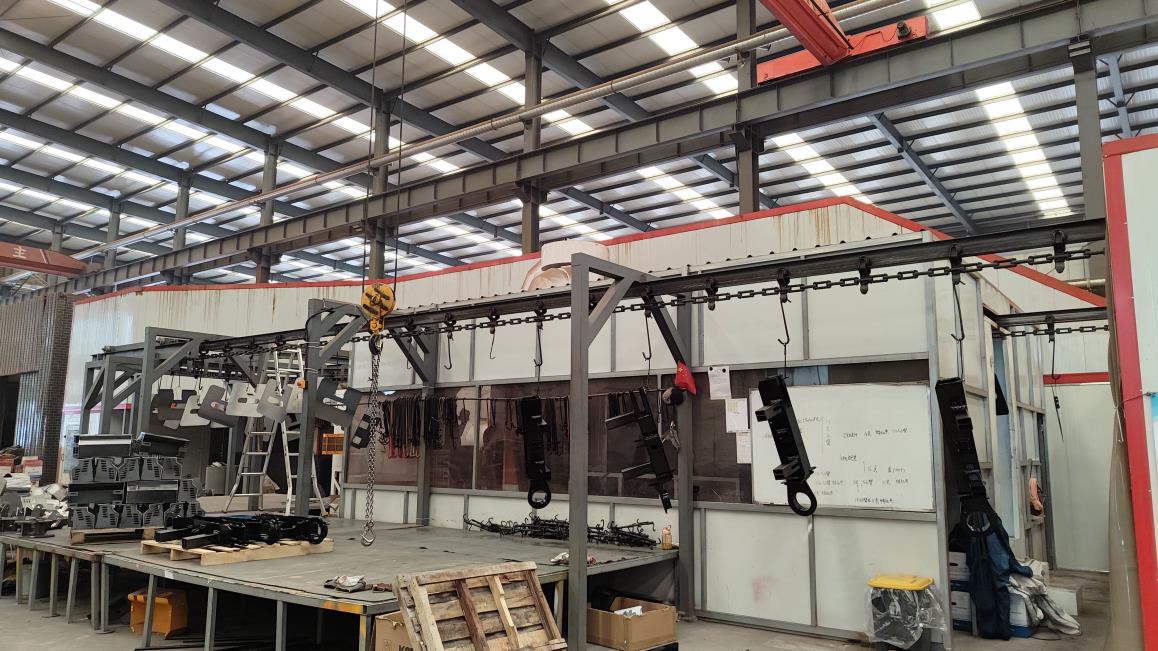
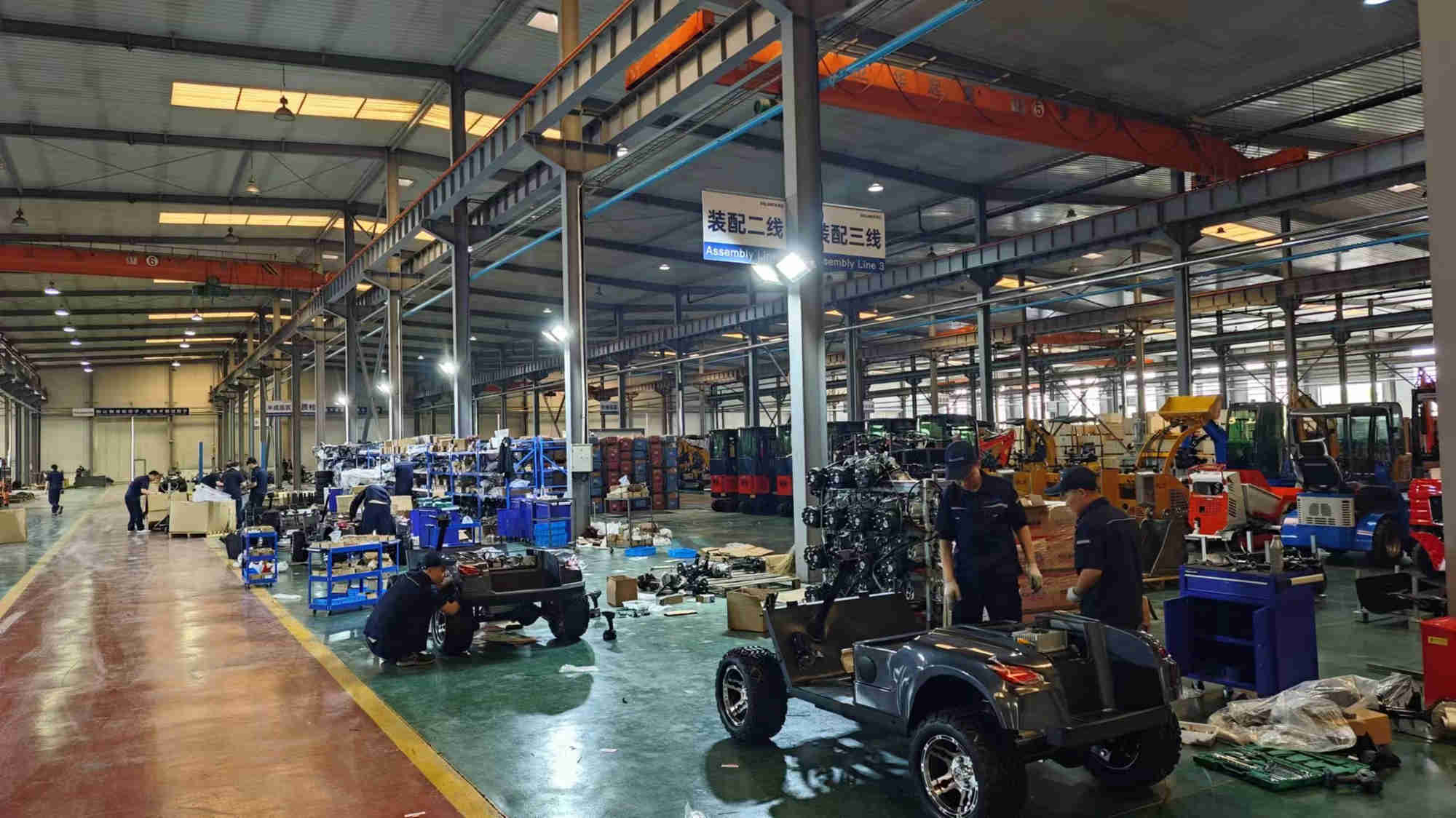
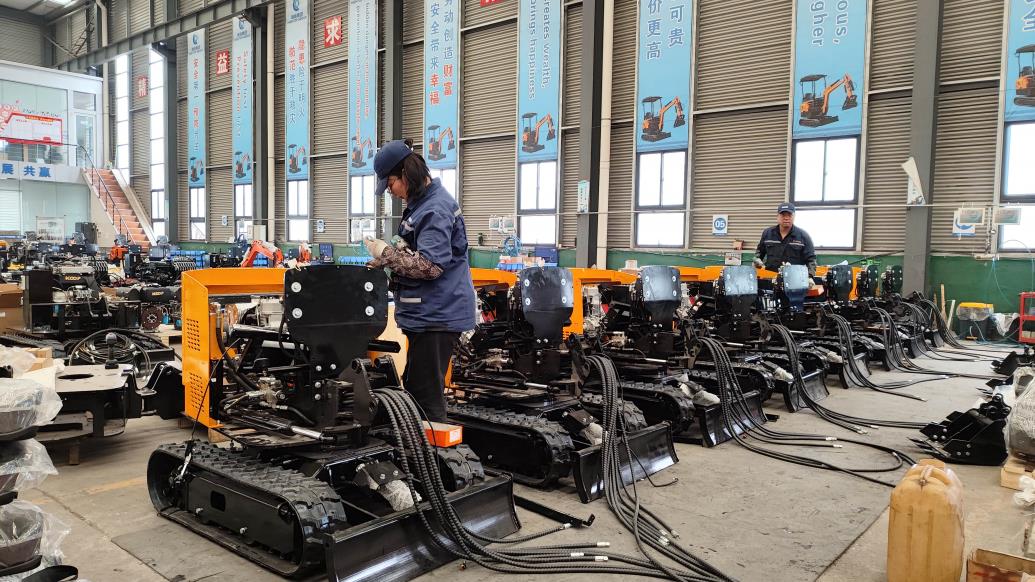
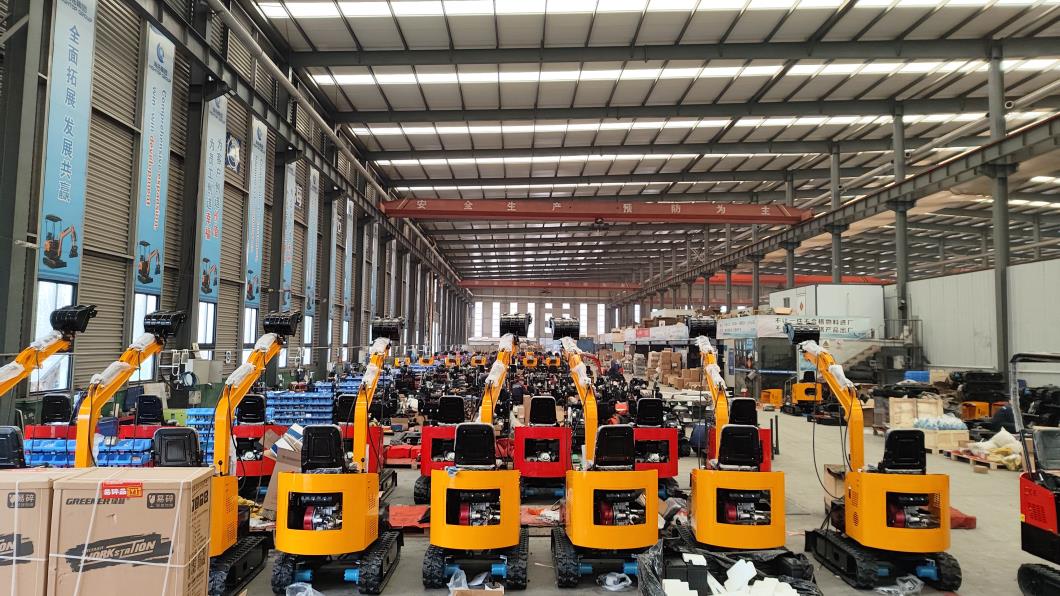
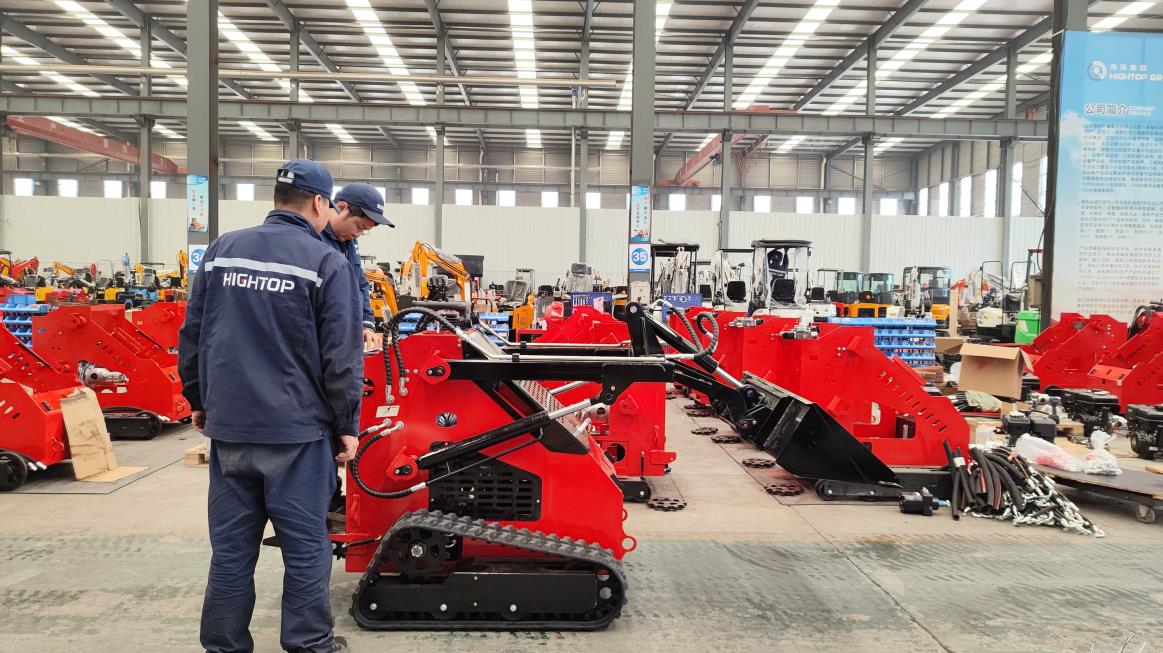
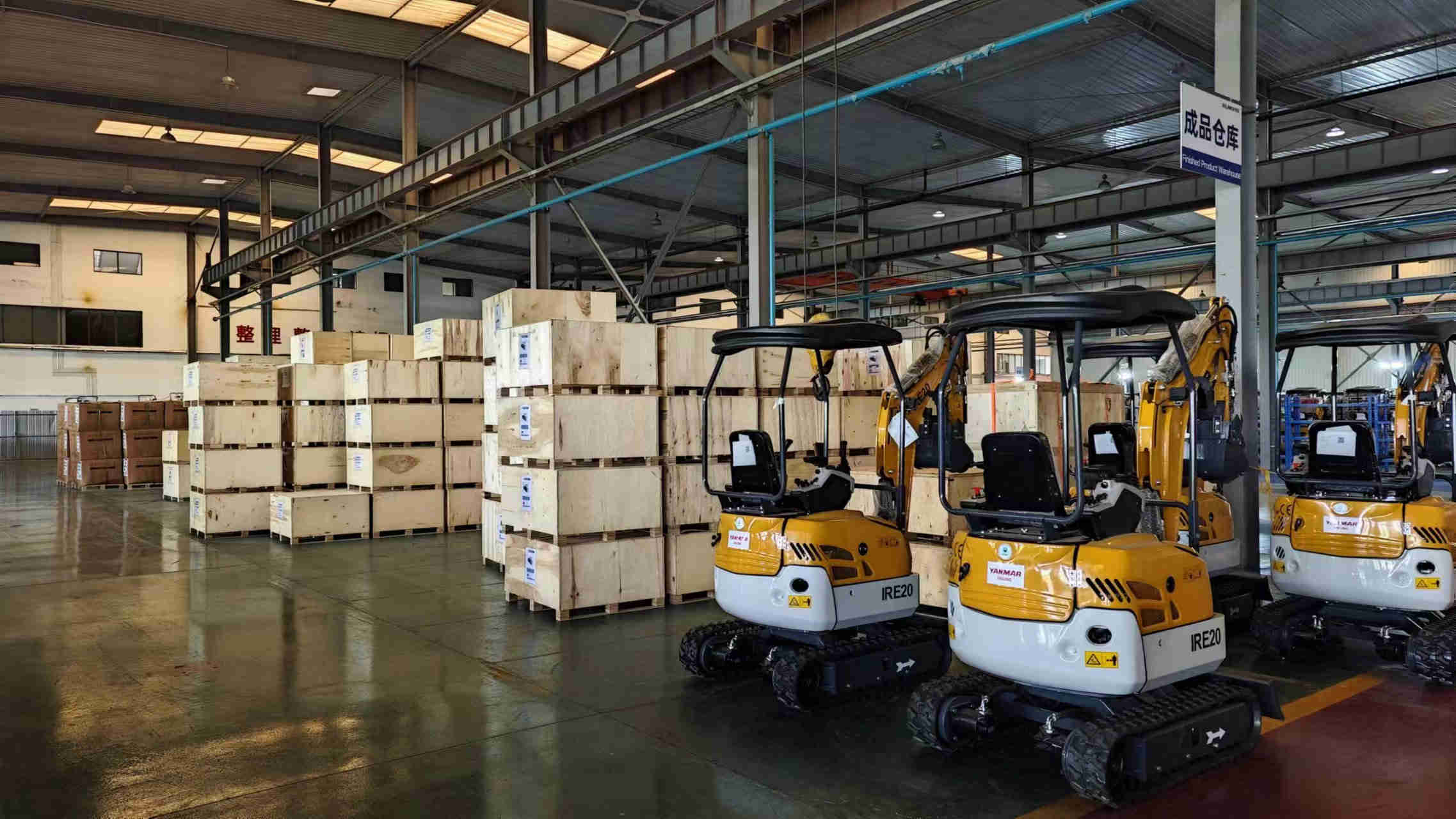
How global businesses manage large-scale low-speed electric fleets through advanced physical & digital storage methods.
In global distribution networks, warehousing, and tourism sectors, managing a massive vehicle fleet requires careful consideration of the physical space and conditions where they are kept. Modern golf cart storage goes beyond simply parking the vehicles under a shelter; it encompasses intelligent battery maintenance, optimal thermal management, security tracking, and structural space efficiency.
Leading distribution centers and large resort complexes now leverage multi-tier high-density storage rack systems with heavy-duty automotive elevators. This approach reduces the footprint of stored fleets by up to 60%, but requires structural reinforcements, low-profile roof styling, and custom lift-points built directly into the golf cart chassis.
Another major consideration is thermal management during storage. In cold climates, both lead-acid and lithium-ion batteries suffer reduced capacity and performance. To combat this, Yangzhou Tulip Cart builds systems that support onboard smart trickle chargers with CAN-bus integration. When connected to industrial smart charging stations, these chargers monitor the internal temperature and charge status of each vehicle. They automatically apply low-current balancing phases to prevent battery degradation during extended storage.
For operations in hot, humid, or coastal areas, ocean-borne salt air can cause rust on standard steel components. Commercial operators require vehicles equipped with high-durability elements, including:
A comparative guide to battery chemistries and electrical systems for low-speed vehicles.
| Performance Specification | Lithium-Ion (LiFePO4) Powertrain | Traditional Lead-Acid Powertrain | High-Efficiency Gasoline Propulsion |
|---|---|---|---|
| Cycle Lifetime | 3,500+ Full Cycles (80% DoD) | 500 - 800 Cycles (50% DoD) | N/A (Engine rebuild at approx 10,000 hrs) |
| Charging Profile | Fast Charge (2-3 Hours) | Slow Charge (8-10 Hours) | Immediate Refuel |
| Weight Impact | Lightweight (~70% weight reduction) | Heavy (SLA batteries weigh ~150-200 kg) | Moderate (Engine + dry fuel tank weight) |
| BMS Functionality | Active cell balancing, overvoltage, low-temp protection | None (requires manual water level maintenance) | Electronic fuel injection (EFI) ECU diagnostics |
| Carbon Emissions | Zero direct emissions (Green Technology) | Zero direct emissions | Low-emissions compliant with EPA/Euro 5 |
| Storage Stability | Self-discharge <3% per month | Self-discharge ~10% per month | Fuel stabilization required for long storage |
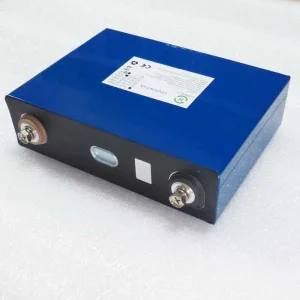
For high-frequency commercial fleets, transitioning to LiFePO4 (Lithium Iron Phosphate) systems offers substantial advantages. LiFePO4 cells are thermally stable and virtually immune to thermal runaway, making them a safe choice for indoor storage. The lighter weight of lithium batteries reduces overall wear on brakes, suspension, and tires, resulting in lower total cost of ownership (TCO) over the vehicle's lifespan.
On the other hand, lead-acid systems remain a viable option for low-intensity operations or areas with limited technical support. They offer a lower initial investment, but require regular maintenance and structured charging protocols to prevent cell sulfation in storage.
Navigating street-legal certifications, safety standards, and regional logistics requirements.
Exporting low-speed electric vehicles and golf carts worldwide requires strict adherence to regional safety regulations. In the United States, street-legal Low-Speed Vehicles (LSVs) must comply with DOT Federal Motor Vehicle Safety Standard 500 (FMVSS 500). This standard mandates features like 3-point safety belts, automotive windshield glass, headlights, turn signals, mirrors, and a maximum speed of 25 mph (40 km/h).
For European markets, vehicles must meet CE standards and EEC certifications for public road transit. Yangzhou Tulip Cart designs vehicles with these requirements in mind, including rear-view mirrors, hydraulic braking systems, and integrated horns. This ensures that B2B clients can import, register, and operate our fleets on public streets and commercial properties without additional modifications.
Our packaging and shipping systems are also optimized to minimize freight costs. Carts can be shipped fully assembled (CBU) or semi-knocked down (SKD). SKD shipping allows for efficient container packing, lowering ocean freight costs and helping to prevent damage during long-distance transit.
ISO 9001:2015: Quality Management Systems governing structural metal cutting, precision machining, chassis welding, and final assembly.
CE Certification: Ensures compliant electromagnetic interference levels, electrical protection circuits, and mechanical safety shields.
DOT Standards: Compliance with safety belts, brake systems, glass windshields, and lighting configurations for low-speed street legality.
The next generation of smart fleet management, solar integration, and autonomous storage navigation.
As the low-speed vehicle market advances, the integration of smart technologies is transforming fleet operations. Yangzhou Tulip Cart is developing several next-generation solutions, including:
Using IoT hardware, fleet managers can monitor battery state-of-health, location, and speed in real-time. Geofencing capabilities can automatically restrict vehicle speed or shut off power if a cart goes outside a designated area, protecting pedestrians and vehicles alike.
Adding lightweight monocrystalline solar panels to the roof can extend the vehicle's range by up to 15 miles per day. In warm regions, this solar assist reduces energy draw from the grid and helps prevent deep battery discharge when carts are parked outside.
Autonomous navigation technologies allow driverless carts to navigate from drop-off areas to their designated storage and charging bays. This reduces labor costs for large resorts and keeps fleets organized and properly maintained when not in use.
Expert technical answers to key questions about low-speed vehicle manufacturing, storage, and customization.
During the off-season, lithium-ion (LiFePO4) golf carts should be stored in a dry, temperature-controlled environment between 10°C and 30°C. Unlike lead-acid batteries, lithium cells should not be stored fully charged or completely flat. We recommend charging the battery pack to 50%-60% State of Charge (SoC) before storage, isolating the battery pack using the main power disconnect switch, and checking the SoC every 2-3 months to prevent self-discharge below safe levels.
Our production facilities operate under ISO9001:2015 quality management standards. Every cart undergoes multiple inspection checkpoints, including robotic weld testing, electronic motor diagnostics, brake calibration, and water-resistance testing in a dedicated spray chamber. This ensures every vehicle meets National CCC standards, CE criteria, and street-legal LSV requirements (DOT FMVSS 500) before leaving the factory.
Yes, we offer comprehensive OEM and ODM options. You can customize the body graphics, colors, seat upholstery, and branding elements. We can apply corporate logos, regional resort designs, and custom decals directly to the body panels at our factory, finished with a UV-resistant clear coat for long-lasting durability in outdoor environments.
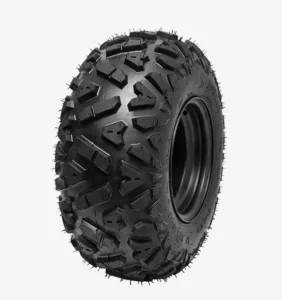
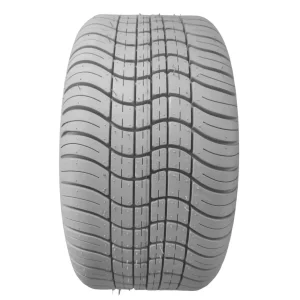
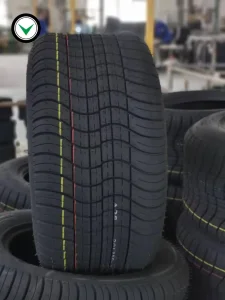
Tubeless non-marking tires utilize a specialized grey silica compound that eliminates black scuff marks on turf, asphalt, and indoor warehouse floors. They are ideal for high-end resorts, sports complexes, and indoor logistics centers. Additionally, tubeless designs reduce the risk of sudden blowouts and simplify puncture repair compared to traditional tubed tires.
We offer two main shipping configurations for international orders: Completely Built Up (CBU) and Semi-Knocked Down (SKD). CBU shipping delivers vehicles fully assembled and ready for immediate use, while SKD shipping packs frames, body panels, and wheels separately in heavy-duty steel crates. SKD packaging maximizes container space, helping to lower freight costs and protect components during shipping.
Explore our technical designs, utility configurations, and accessories built for diverse commercial applications.
 Tulip Cart