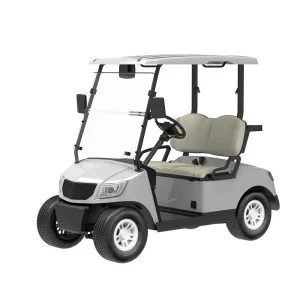
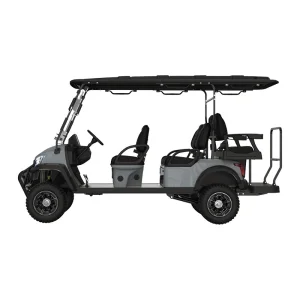
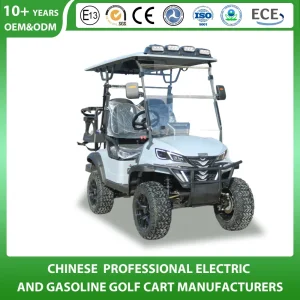
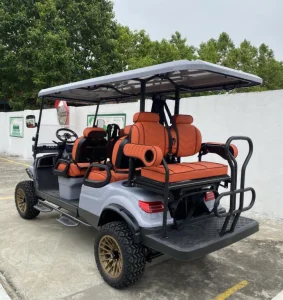
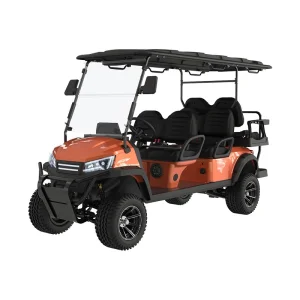
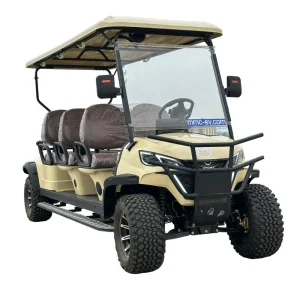
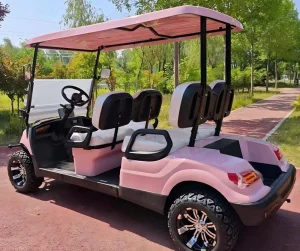
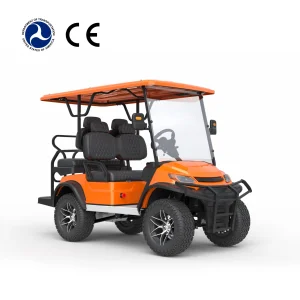
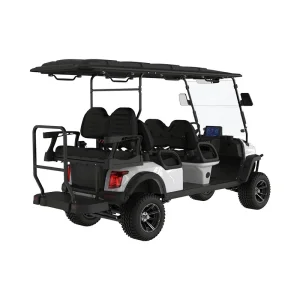
High-efficiency smart transit and off-road mobility options manufactured under international standards
Pioneering Integrated Micro-Mobility & Electrification Ecosystems
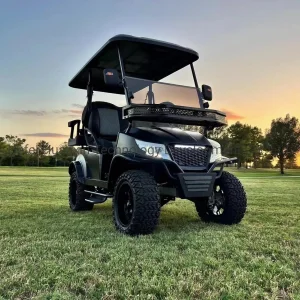
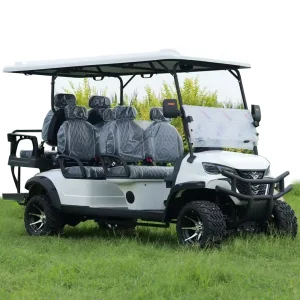
Yangzhou Tulip Cart Co., Ltd. is a leading provider of golf carts and accessories, specializing in the design, production, and sales of electric vehicles, low-speed new energy vehicles, and specialized vehicles. With a strong focus on quality and innovation, we are committed to providing reliable, eco-friendly, and high-performance transportation solutions for a wide range of industries.
Our products are certified by ISO9001, National CCC, and other international standards, ensuring that we consistently meet the highest safety, quality, and environmental requirements.
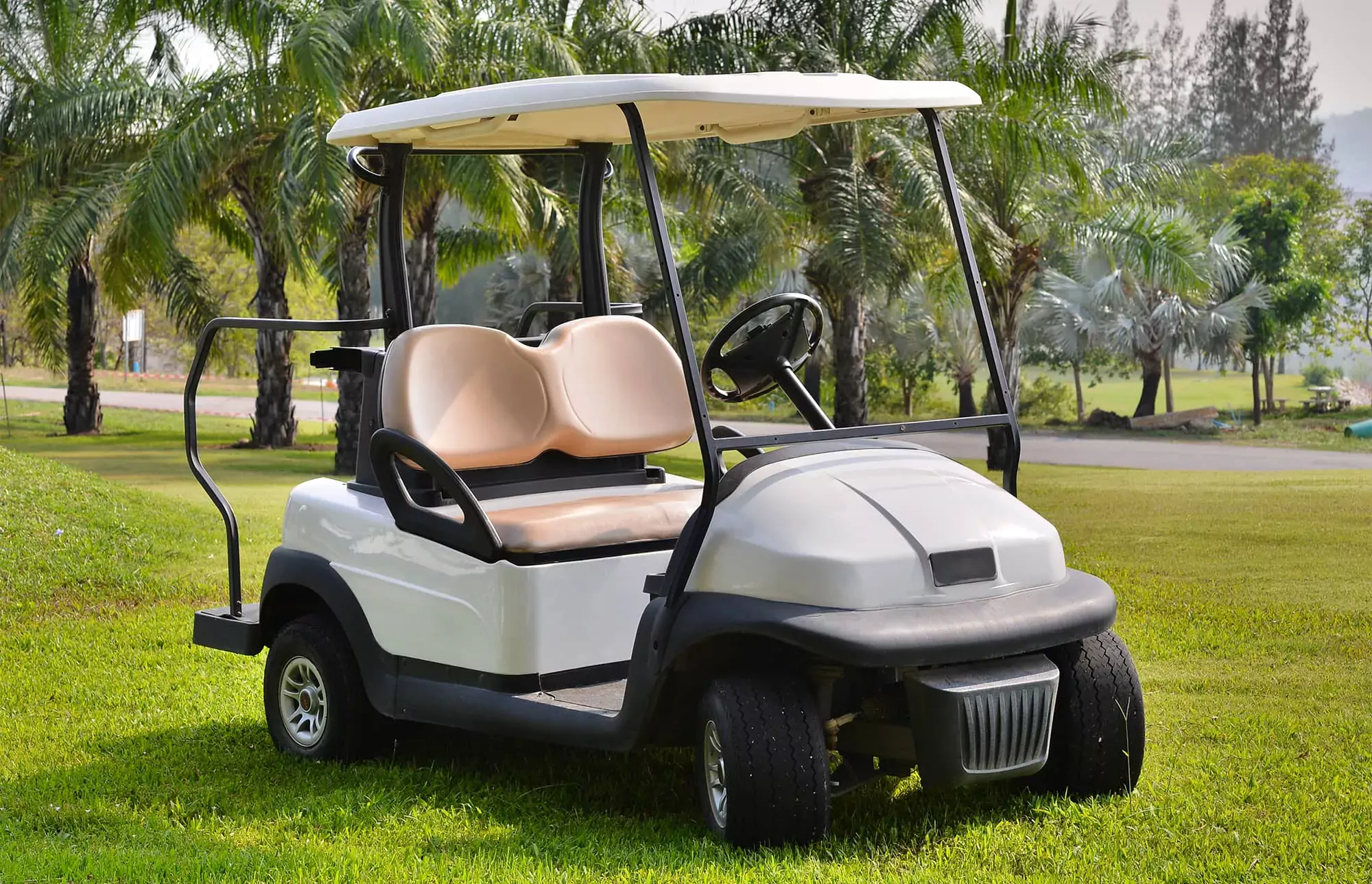
Addressing the critical synergy between low-speed electric vehicles (LSVs) and intelligent EV charging infrastructures
Optimized Level 2 AC and high-efficiency DC fast charging compatibility, ensuring your electric utility vehicles achieve maximum uptime with minimal network degradation.
We provide extensive tailored options including specialized cargo boxes, customizable brand graphics, integrated GPS telemetry, and premium passenger packages.
Designed with zero-emission propulsion systems, high-density lithium-ion batteries, and recyclable frame architectures for a lower carbon footprint.
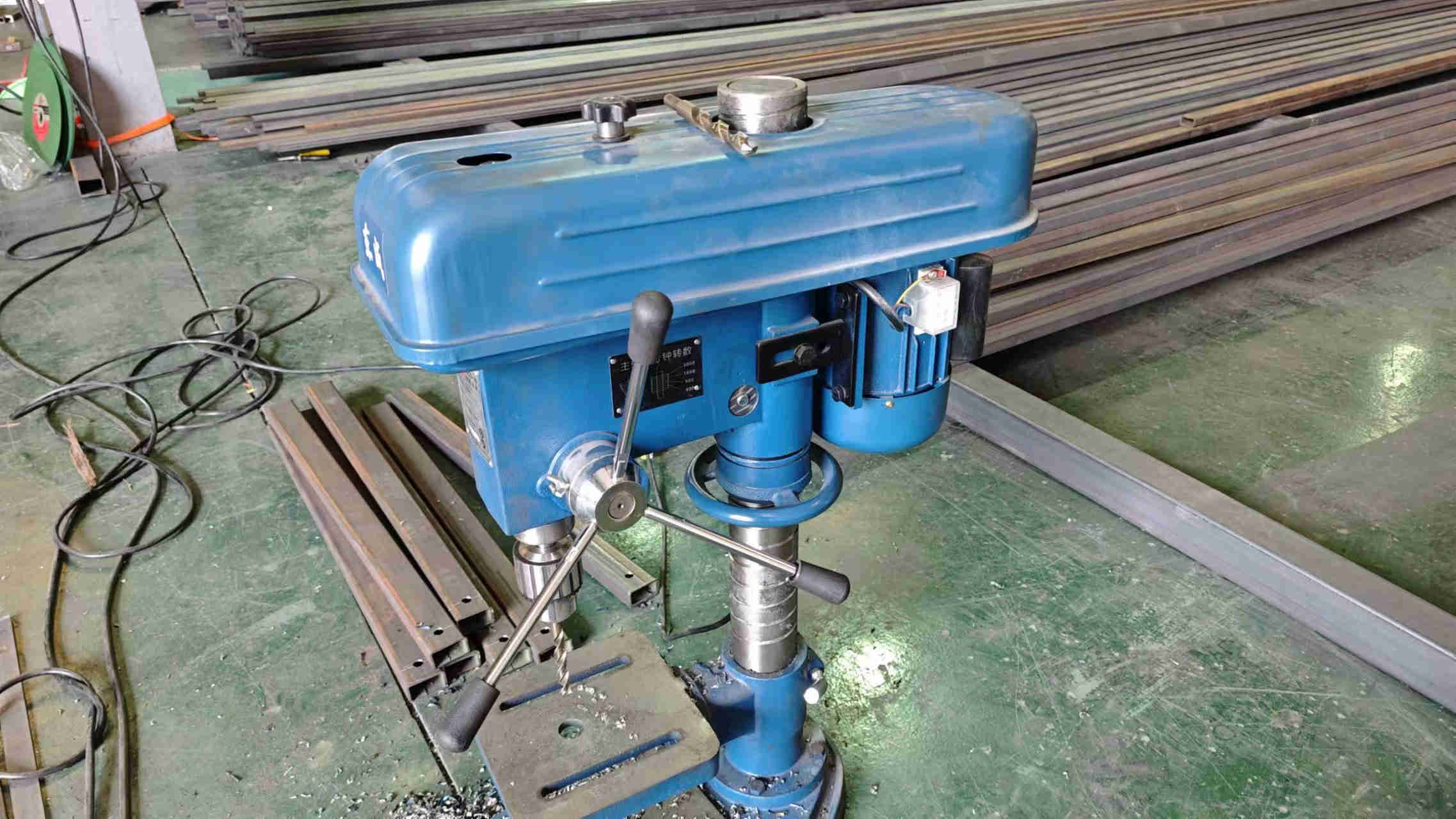
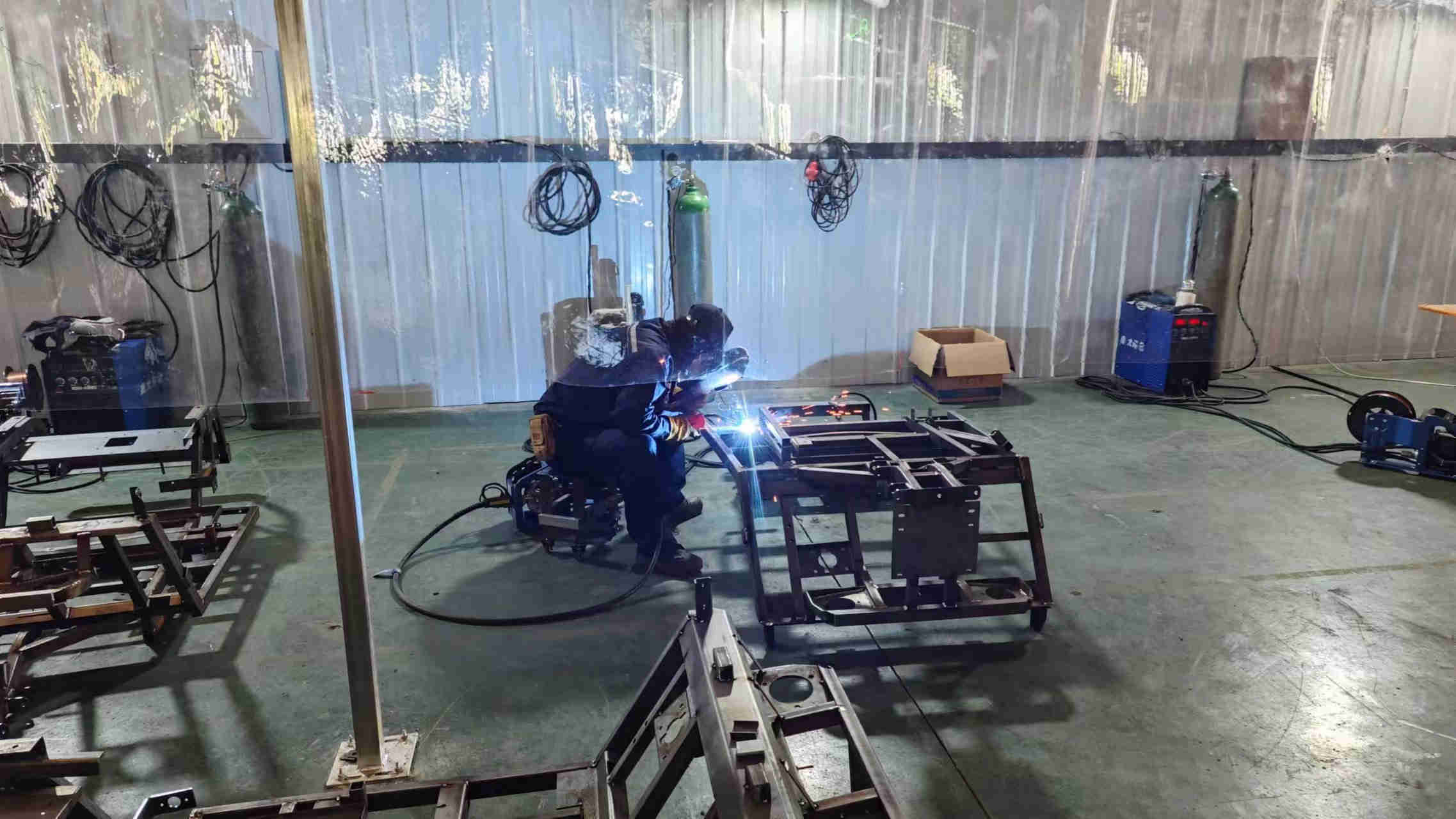
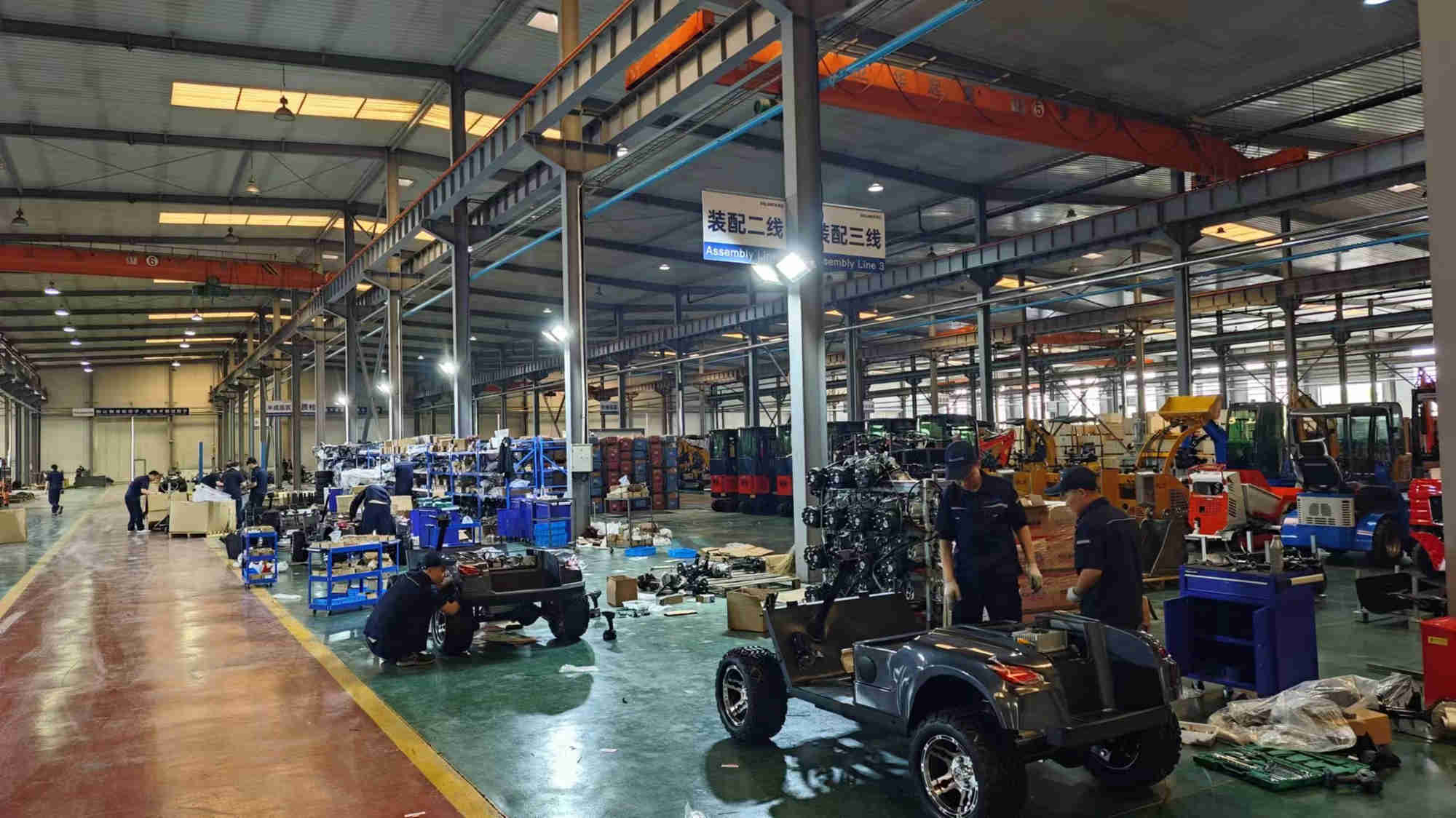
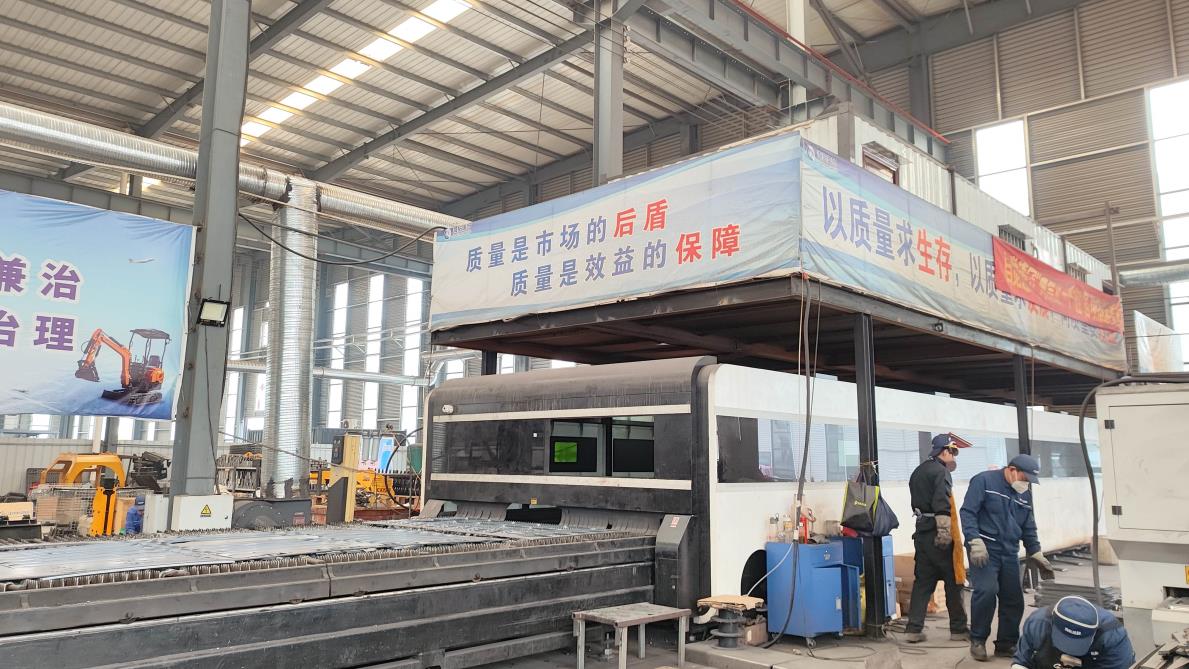
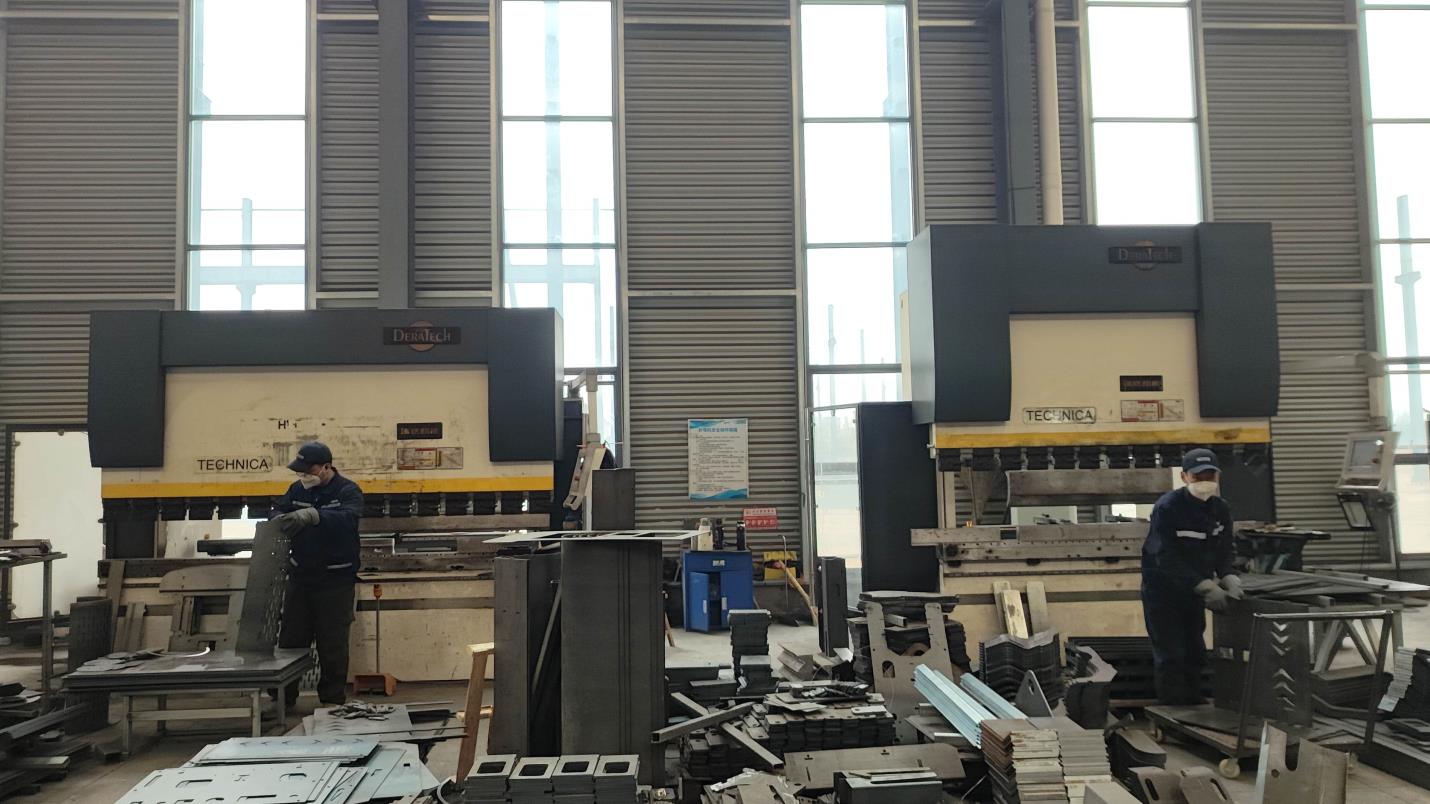
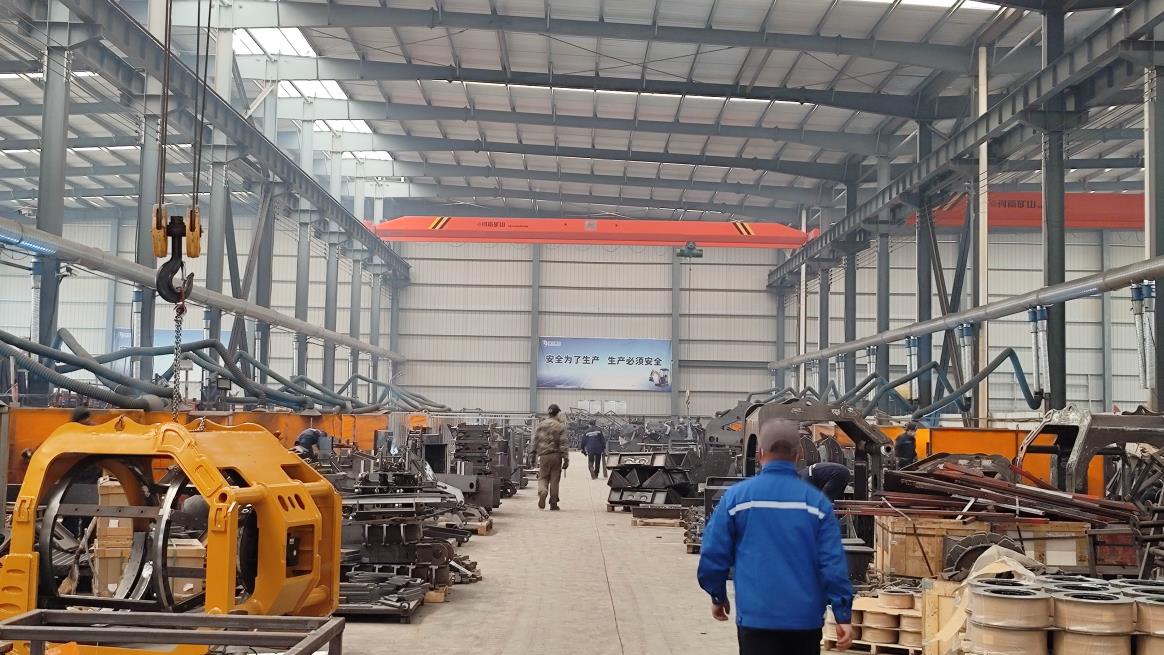
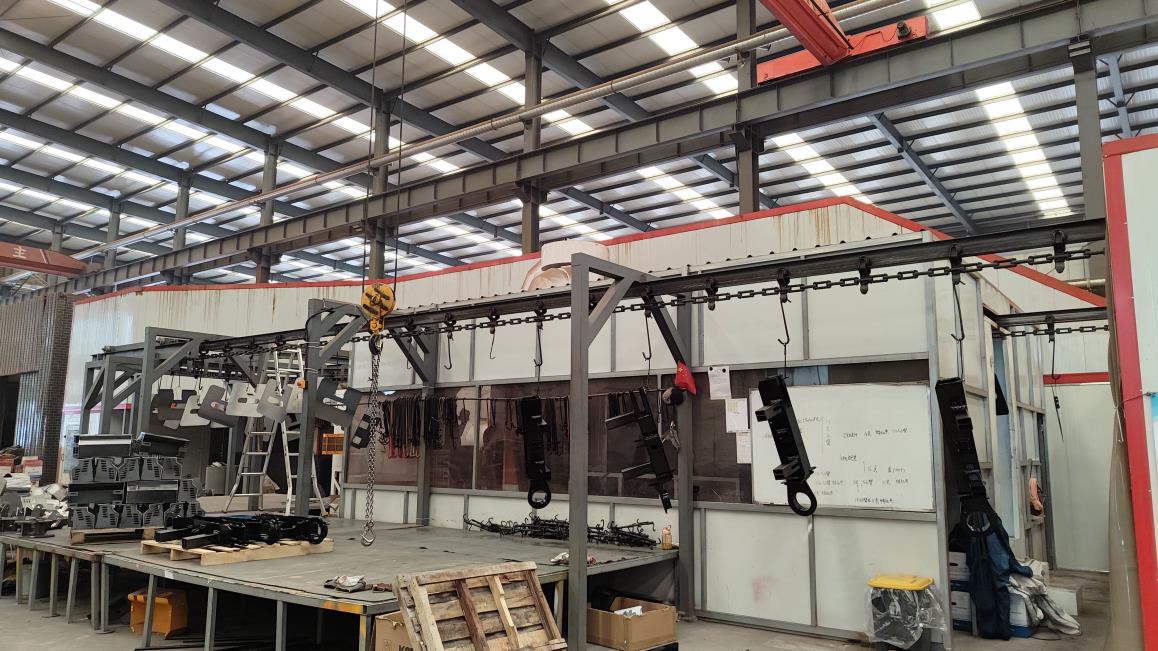
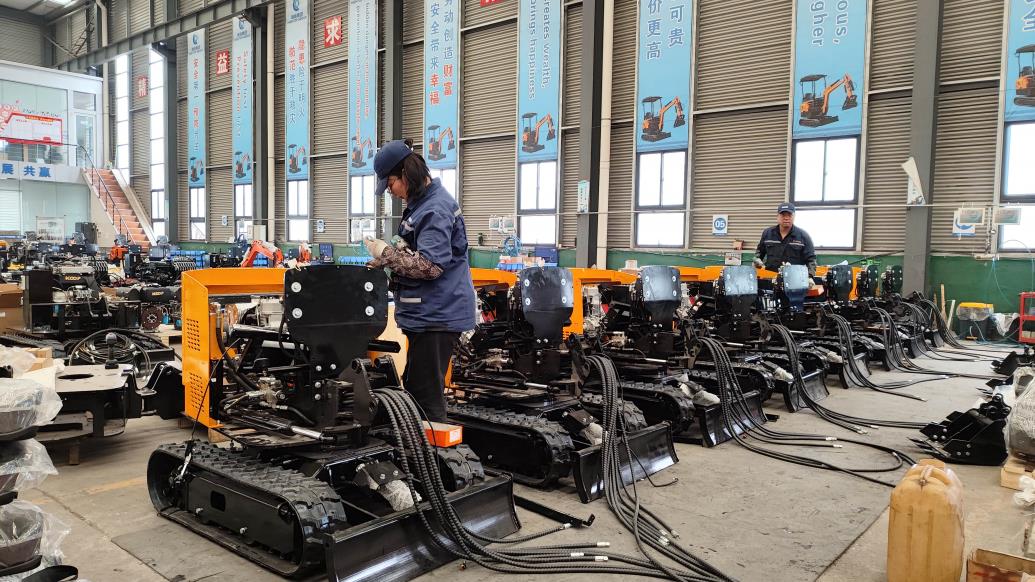
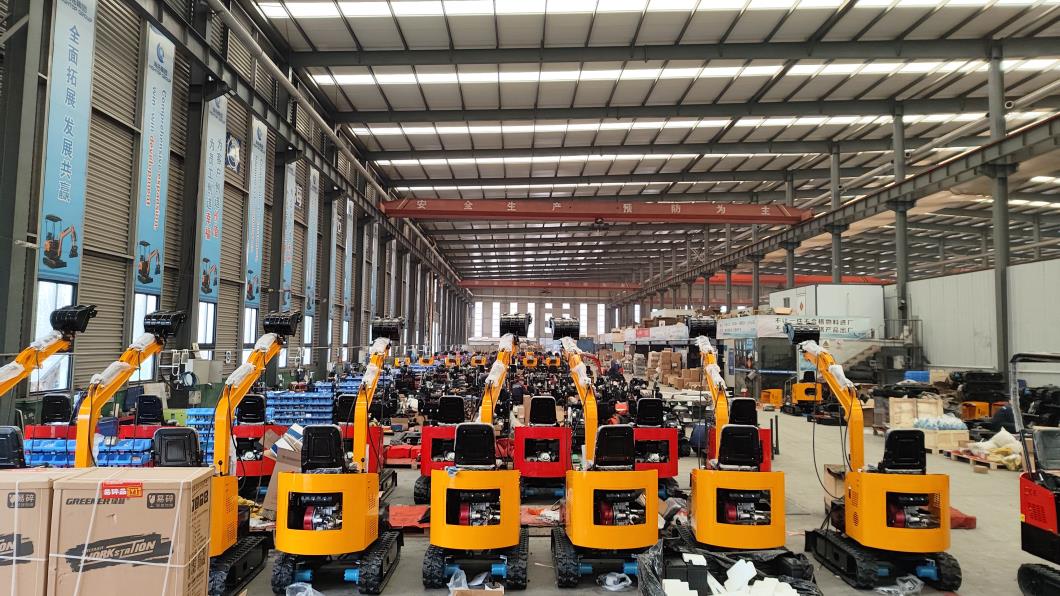
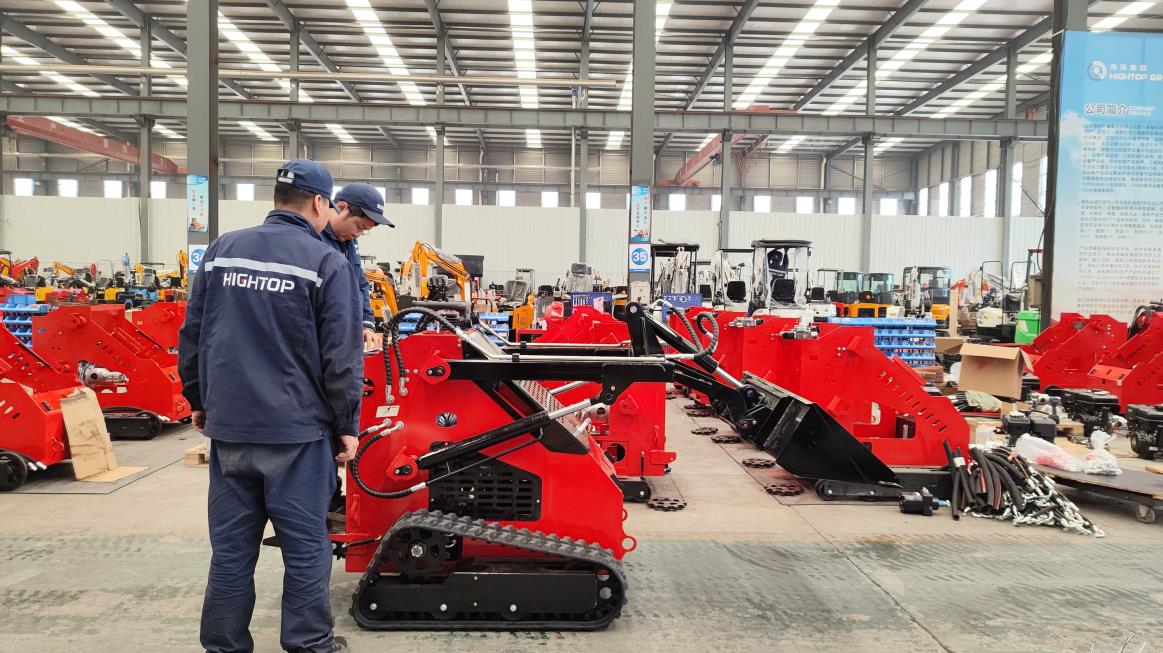
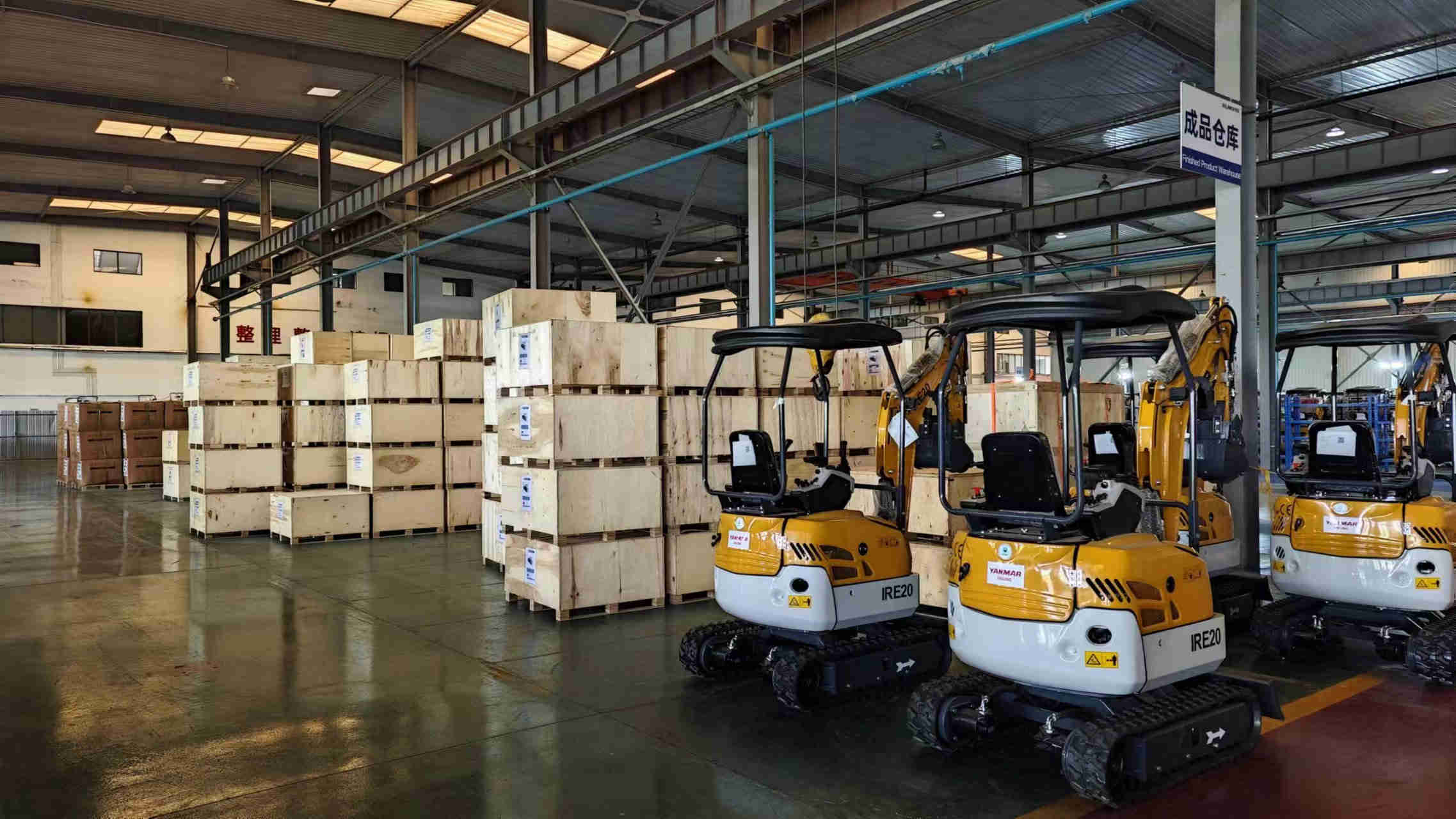
Step-by-step documentation of our industrial production line, from raw structural steel to fully tested and certified electric vehicles

As micro-mobility and Low-Speed Vehicles (LSVs) replace internal combustion utility vehicles at scale, fleet managers must tackle the core bottleneck: efficient charging infrastructure deployment.
Yangzhou Tulip Cart Co., Ltd. designs its electric fleets to integrate seamlessly with standard global charging station configurations. We ensure compatibility across regional utility grids and commercial charging networks by providing intelligent charging interfaces equipped with high-durability on-board chargers (OBC) and smart Battery Management Systems (BMS).
Adapting electrical architectures to meet rigorous international regulatory criteria
At Yangzhou Tulip Cart Co., Ltd., our engineering departments conform to the strictest technical requirements of destination markets. Operating low-speed electric vehicles in public zones, municipal roads, and high-occupancy corporate hubs demands full regulatory adherence.
All vehicles utilize high-performance brushless AC motors coupled with advanced variable controllers for soft start-up, downhill electronic braking, and energy recuperation systems. This maximizes the range of our 76.8V Lithium-Ion packages, delivering 95km to 110km per single charging cycle.
We operate a dedicated transport and custom-documentation logistics department, shipping vehicles and charging modules directly from China to key logistics nodes in North America, Europe, Australia, and Southeast Asia (including Vietnam).
Quantifiable proof of manufacturing scale, global reach, and engineering dedication
How we are preparing electric golf carts and LSV fleets for the next decade of decentralized utility networks
Integrating on-board telematics directly communicating with localized charging controllers. Real-time SOC (State of Charge) data allows automated charging scheduling during off-peak hours.
Designing V2G (Vehicle-to-Grid) hardware modules, enabling resort vehicles to act as decentralized battery energy storage systems (BESS) during emergencies or grid brownouts.
Deploying ultra-lightweight roof-integrated monocrystalline PV panels to continuously trickle charge the lithium battery, increasing standard range configurations by 15%.
Comprehensive technical and logistic answers for developers, procurement managers, and fleet coordinators
Depending on the specific charger unit installed, a standard 76.8V 150Ah lithium-ion battery system takes approximately 3.5 to 5 hours to reach a 100% state-of-charge (SOC) using a standard 220V Level 2 AC charger. If using standard Level 1 wall sockets (110V), charging times can extend up to 8-10 hours.
Yes. We manufacture Low-Speed Vehicles (LSVs) that meet specific regional regulatory frameworks. Our DOT-certified configurations include standard three-point seatbelts, side mirrors, windshields with wipers, turn indicators, horn, and reflectors required for street-legal usage in residential areas and public roads with speed limits below 35mph.
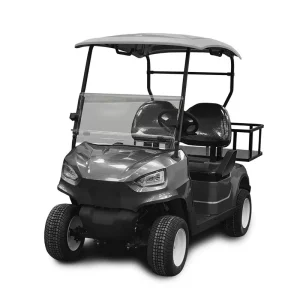
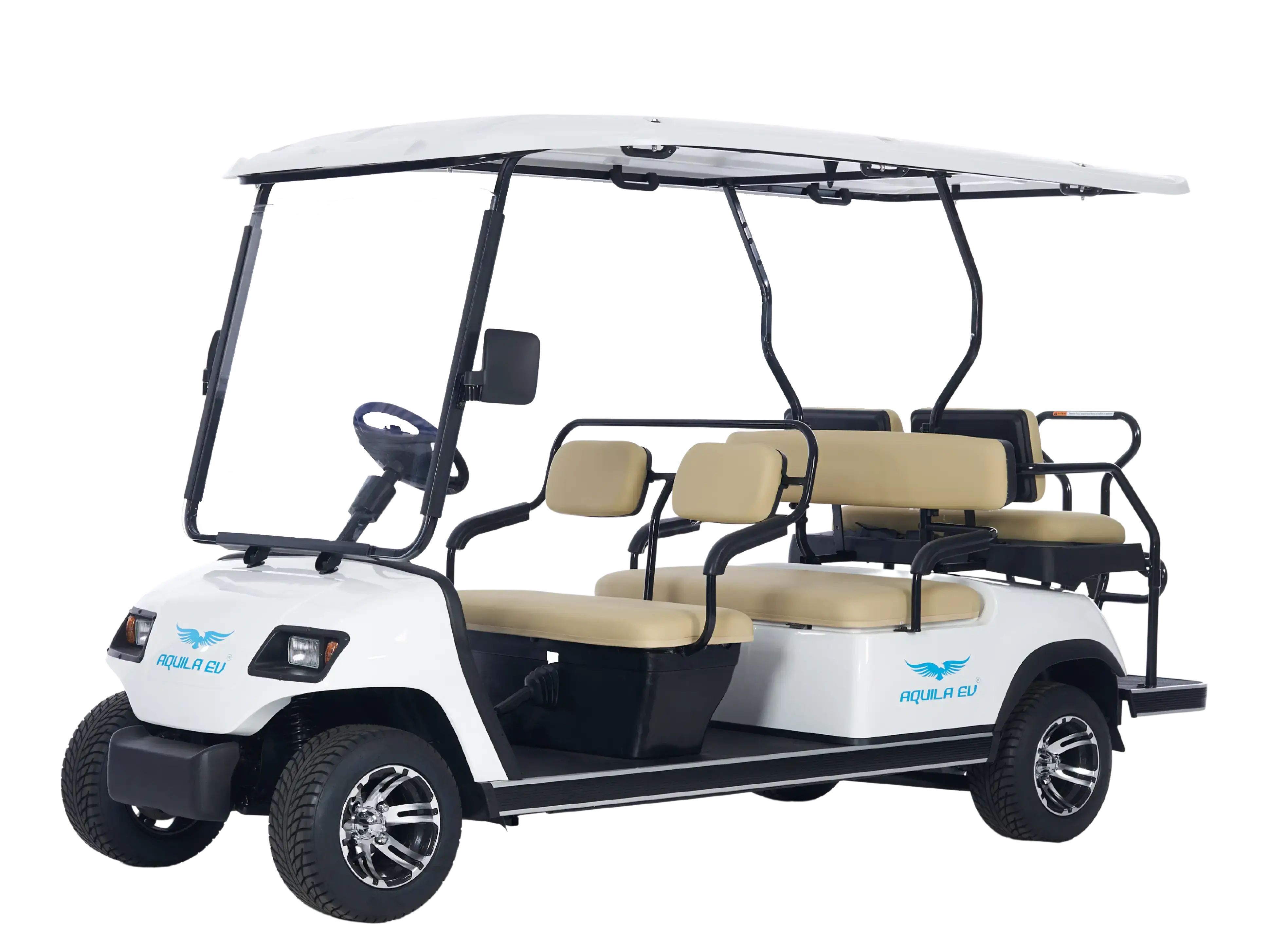
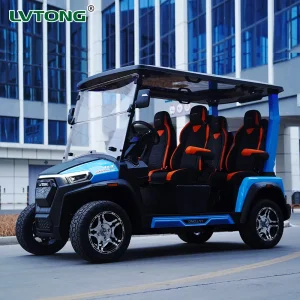
Absolutely. We offer complete OEM and ODM customization services. Clients can upload their own logo vectors, select custom body wrap designs (including custom branding, patterns, and corporate colors), and configure seat arrangements from 2-seaters, 4-seaters, 4+2 configurations, up to 8-seater utility buses.
Our lithium batteries are integrated with an active BMS (Battery Management System) that monitors cell temperature. In extreme cold weather (below 0°C), discharging capacity decreases by 10-15%. Charging should ideally occur in temperature-controlled spaces or under protective covers, as the BMS will restrict charge currents at temperatures below freezing to protect internal lithium-ion structures.
Our electric vehicle charging stations and electrical architectures hold ISO9001 Quality Management System certification, CE marking for European markets, National CCC certification for compliance in domestic arenas, and select components hold DOT certifications, ensuring protection against fire hazards, electrical surges, and insulation failures.
We offer two primary packaging methods: SKD (Semi-Knocked Down) in robust iron crates, and CKD (Completely Knocked Down) in secure wooden crates. Every vehicle is securely anchored to prevent movement inside the container, with protective foam wraps guarding body panels, tires, and windscreens against abrasion during long sea voyages.
Direct wholesale pricing from our ISO9001 certified manufacturing plant in China
 Tulip Cart