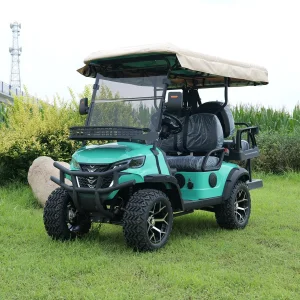
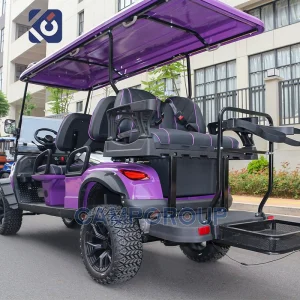
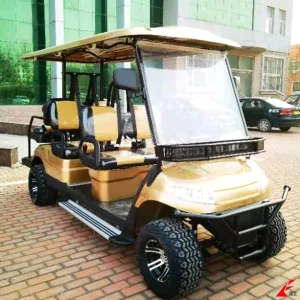
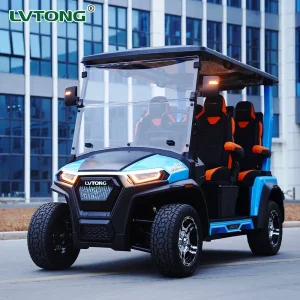
Explore our premium lineup of high-traction utility, passenger vehicles, and industrial battery solutions engineered for durability, eco-efficiency, and low maintenance overheads.
The global transition to sustainable mobility has catalyzed a paradigm shift within commercial and industrial facilities management. Low-speed electric vehicles (LSVs) and utility golf carts are no longer confined to recreational golf courses. Today, they serve as the logistical backbone for airports, expansive luxury resorts, eco-industrial parks, national park systems, security compounds, and last-mile delivery services. As fleet deployments scale exponentially, maintenance management and manufacturing standards have become critical factors determining total cost of ownership (TCO) and operational efficiency.
Modern fleet operations demand highly standardized electrical configurations, robust thermal management systems for lithium-ion battery modules, and certified structural platforms that guarantee compliance with occupational safety and street-legal mandates. Yangzhou Tulip Cart Co., Ltd. resolves these challenges by offering advanced engineering blueprints coupled with comprehensive maintenance programs. Our focus is on mitigating fleet downtime by manufacturing modular vehicles that allow rapid diagnostics, component hot-swapping, and prolonged duty cycles under severe environmental conditions.
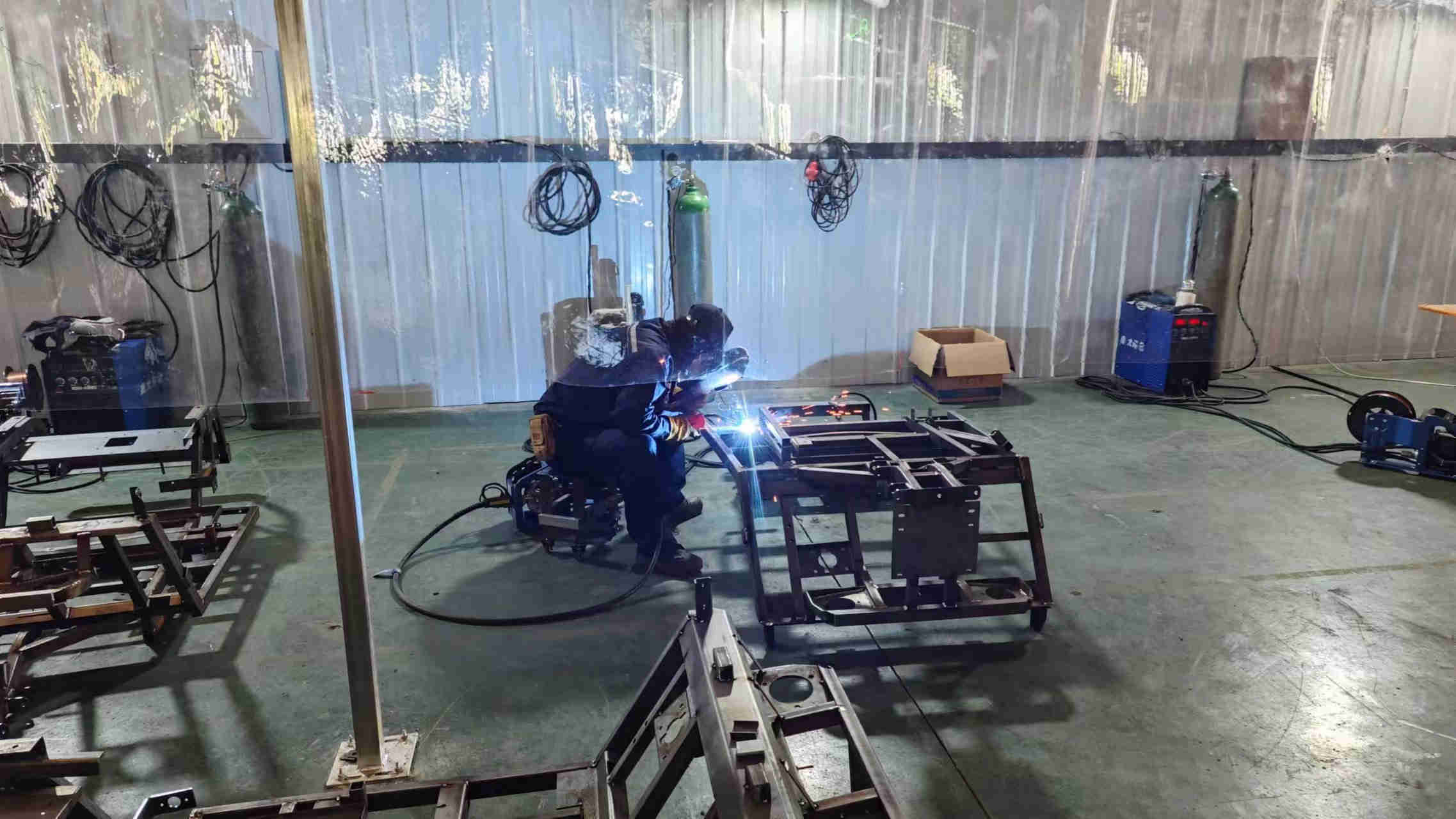
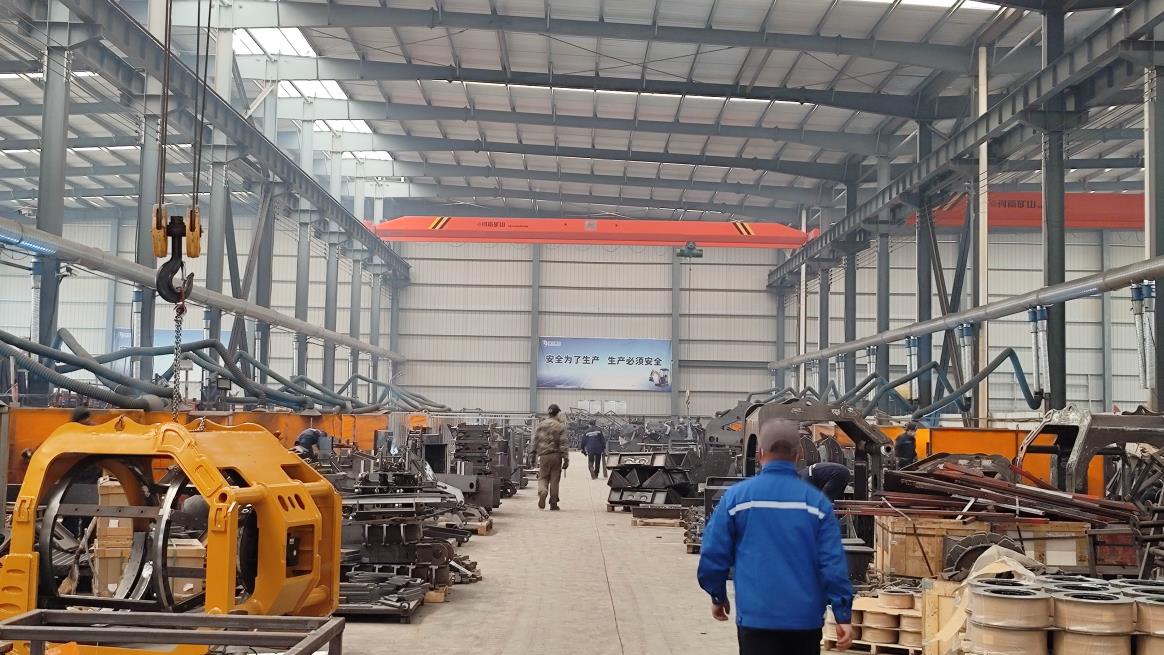
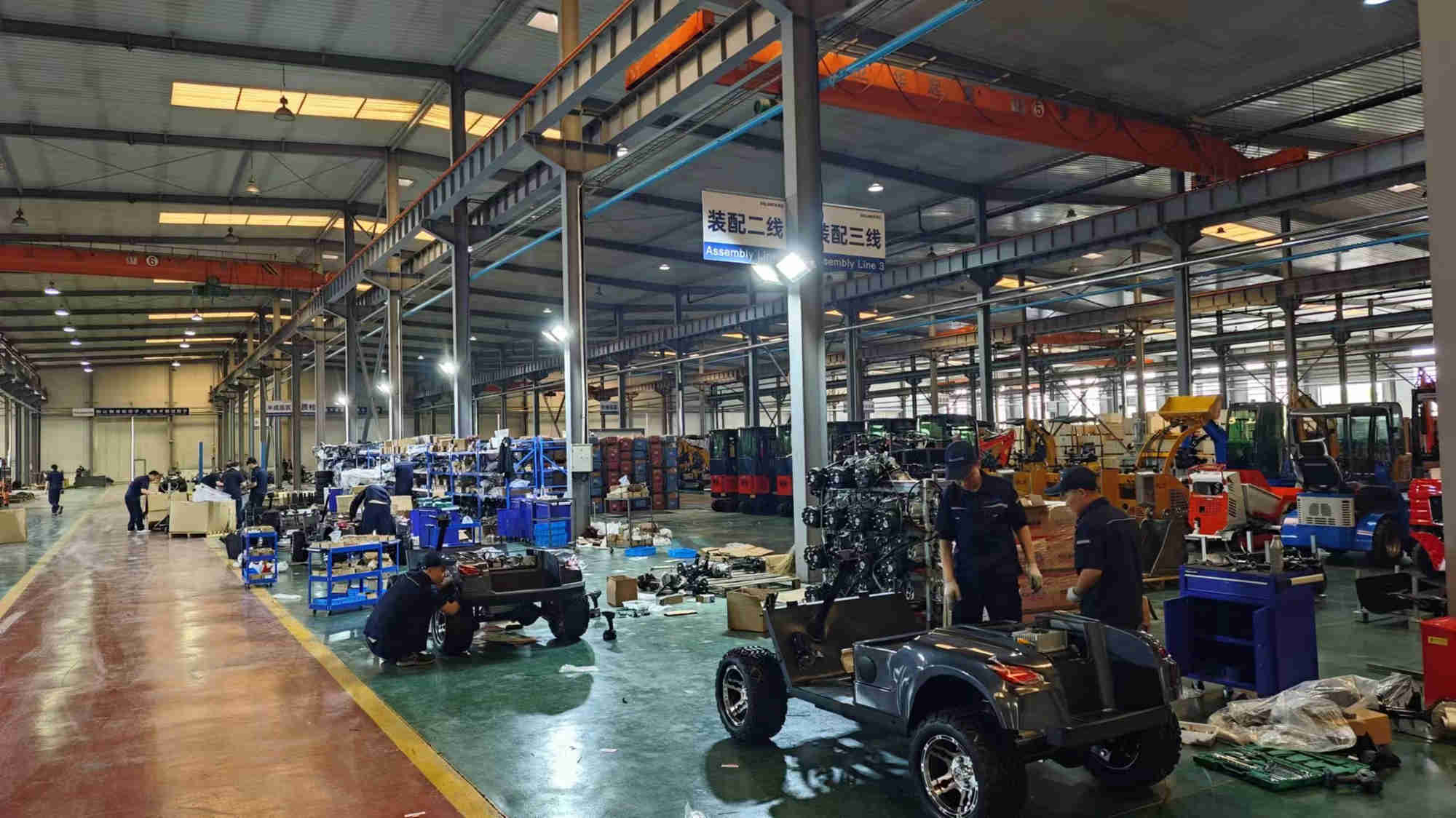
Yangzhou Tulip Cart Co., Ltd. stands at the forefront of low-speed new energy vehicle innovation. As a premier manufacturer and exporter, we specialize in design, precision fabrication, quality assembly, and global delivery of specialized electric and fuel-powered golf buggies. Our manufacturing facility in Jiangsu, China, incorporates automated mechanical pipelines designed to build structural frames capable of bearing intense payload limits while maintaining minimal chassis weights.
Equipped with international quality certifications, including ISO9001 Quality Management System and National CCC Certification, we ensure every vehicle roll-out satisfies stringent parameters for weld integrity, electrical shielding, and crash-testing values. Our manufacturing team collaborates with international compliance consultants to implement structural revisions, securing seamless importation and road registry under local EU, NA, and Asian transport divisions.
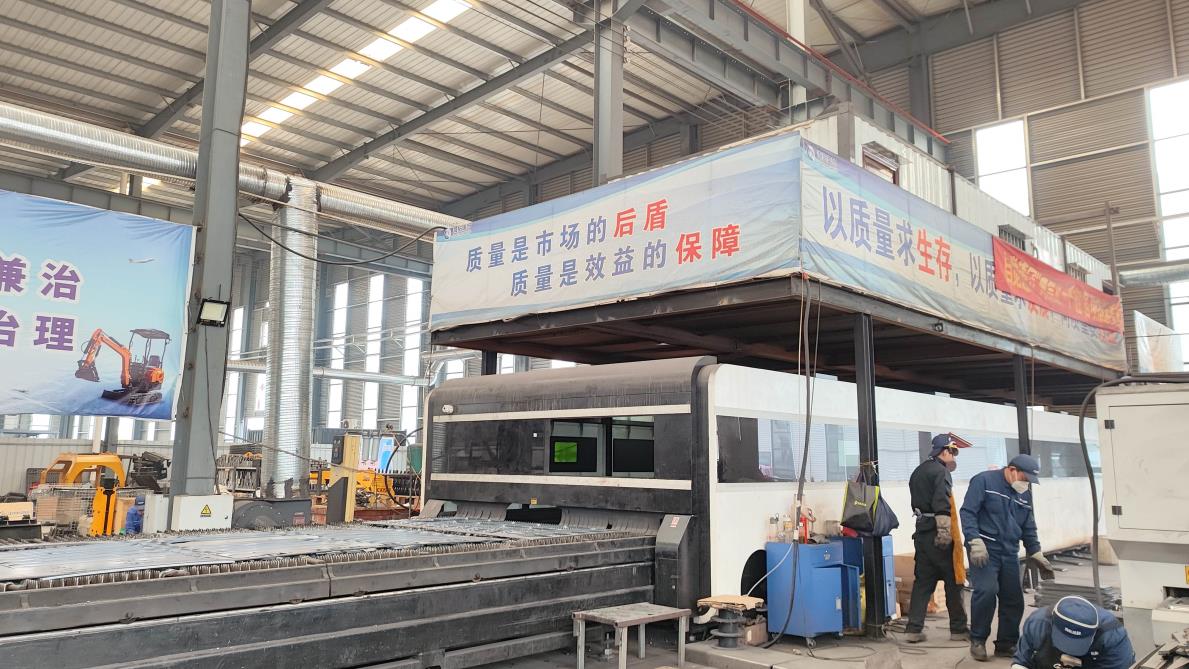
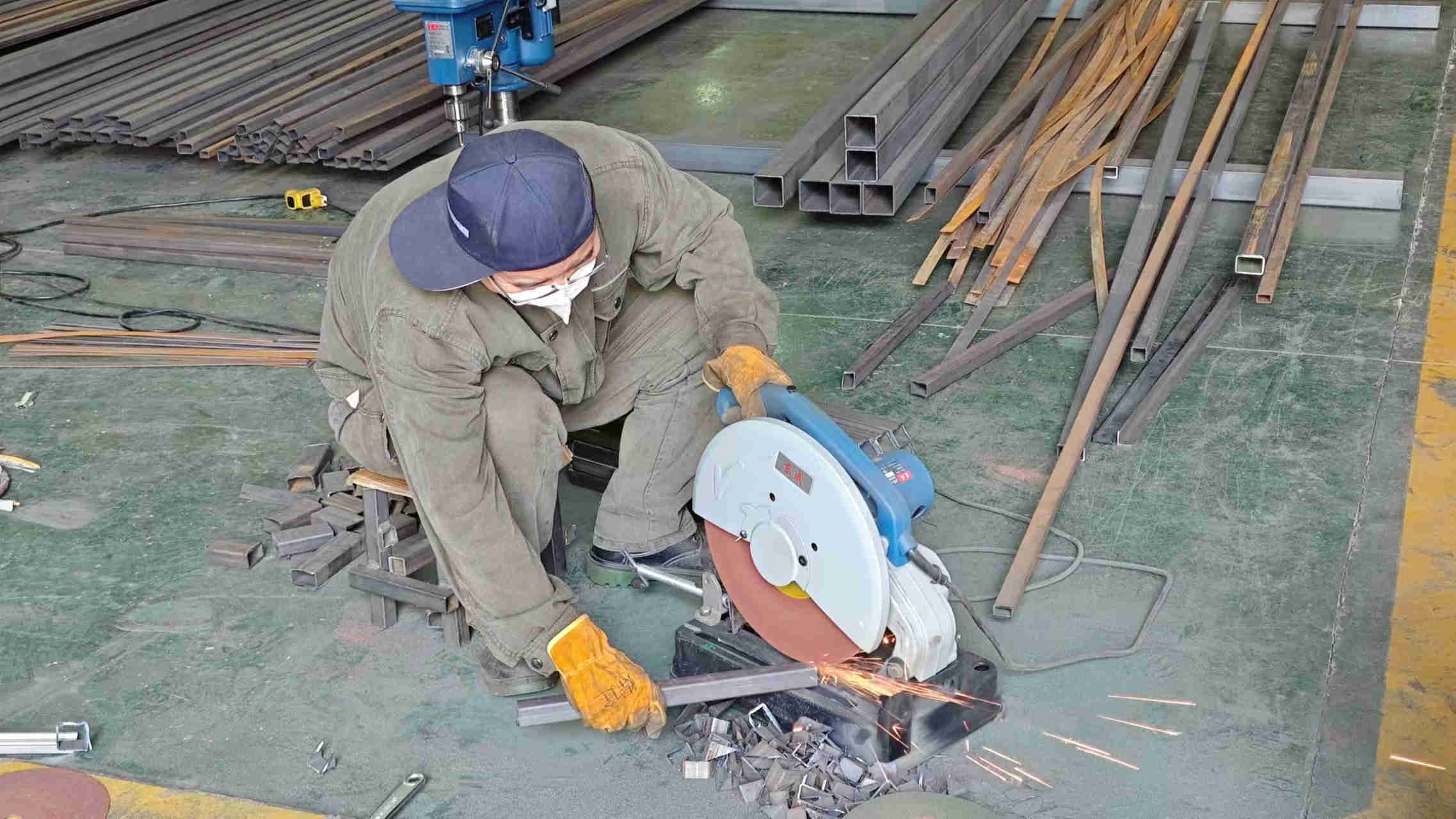
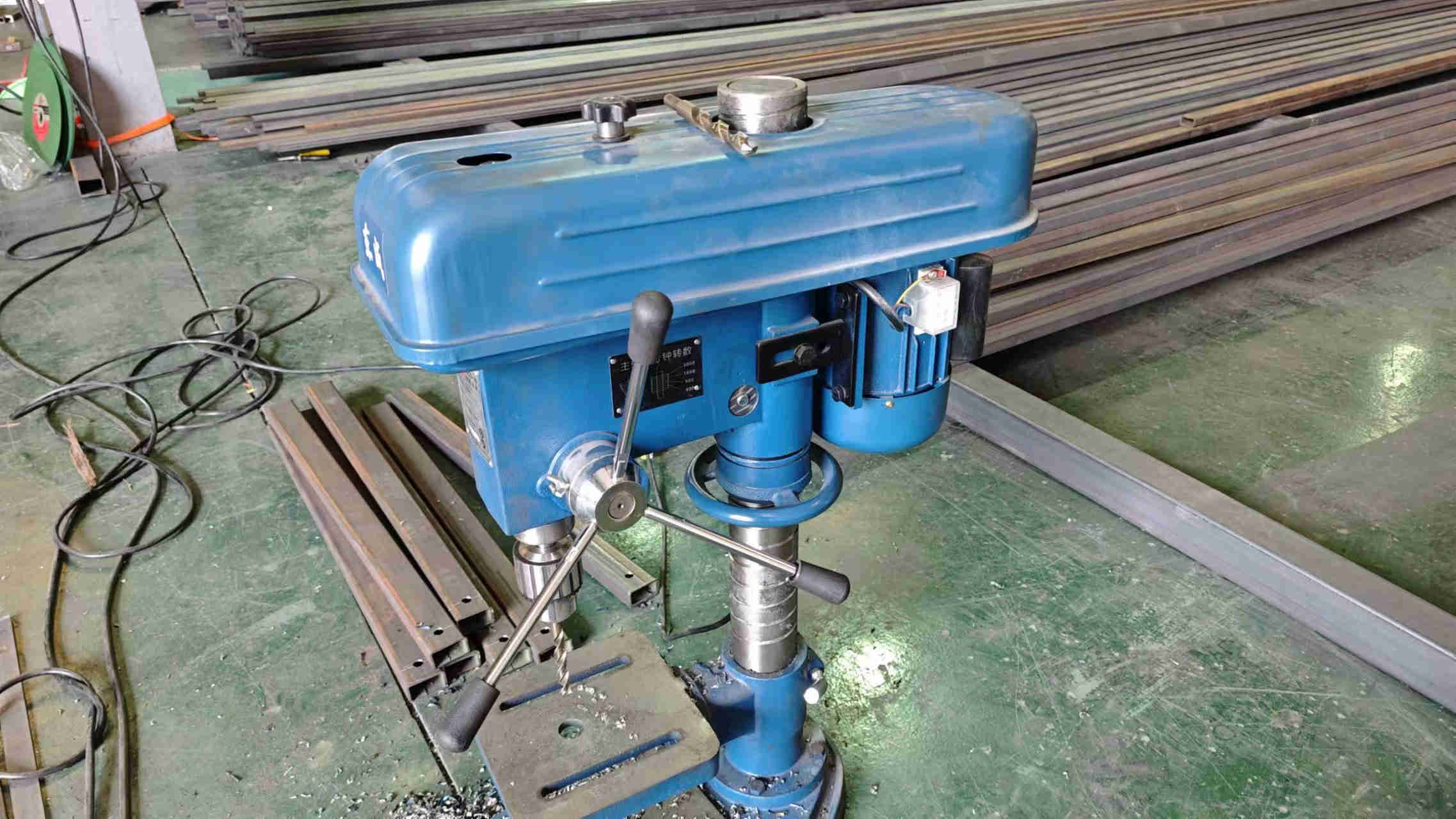
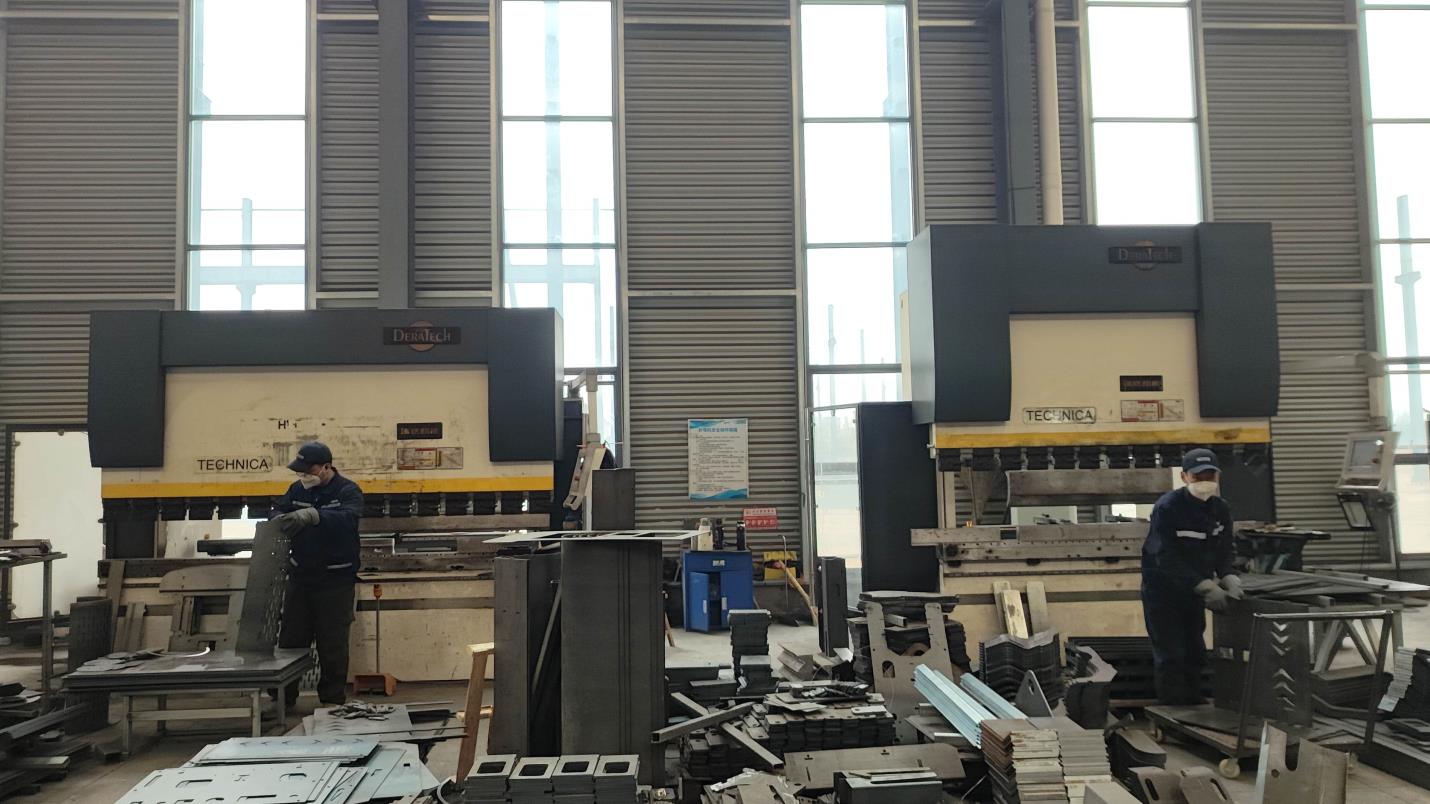
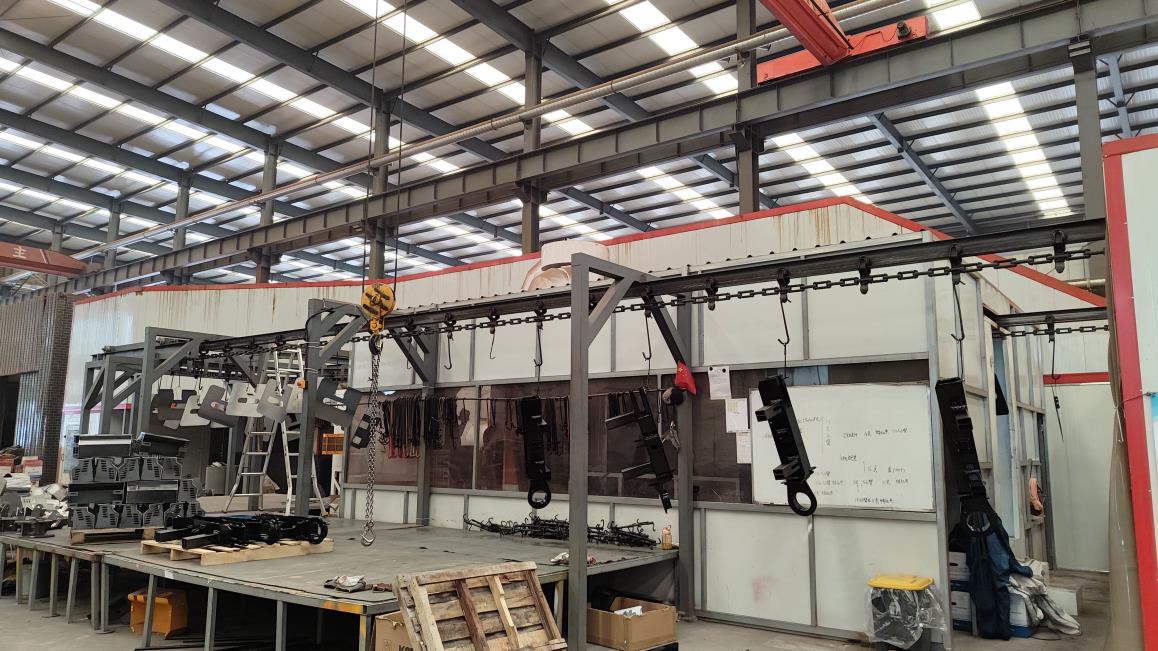
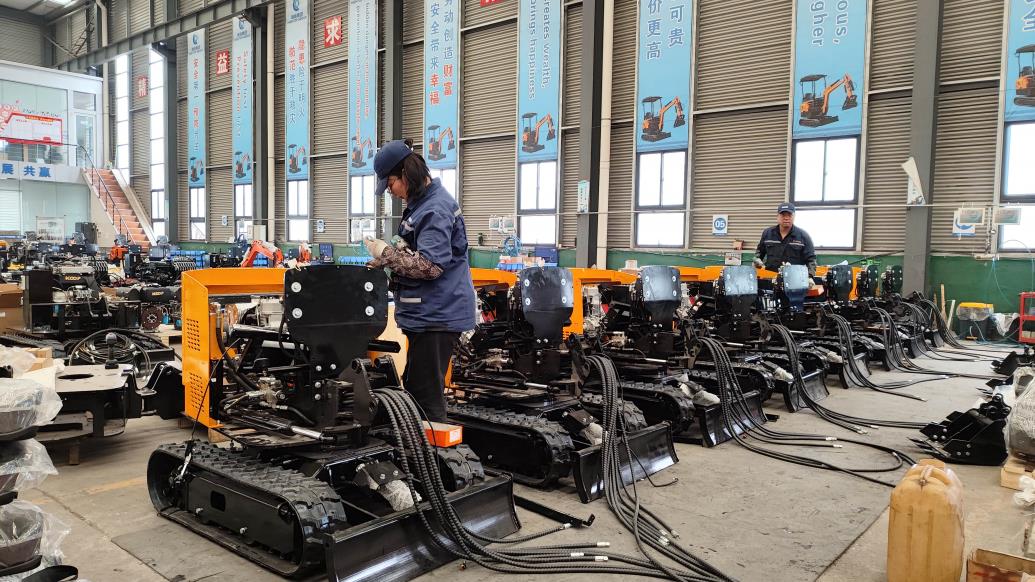
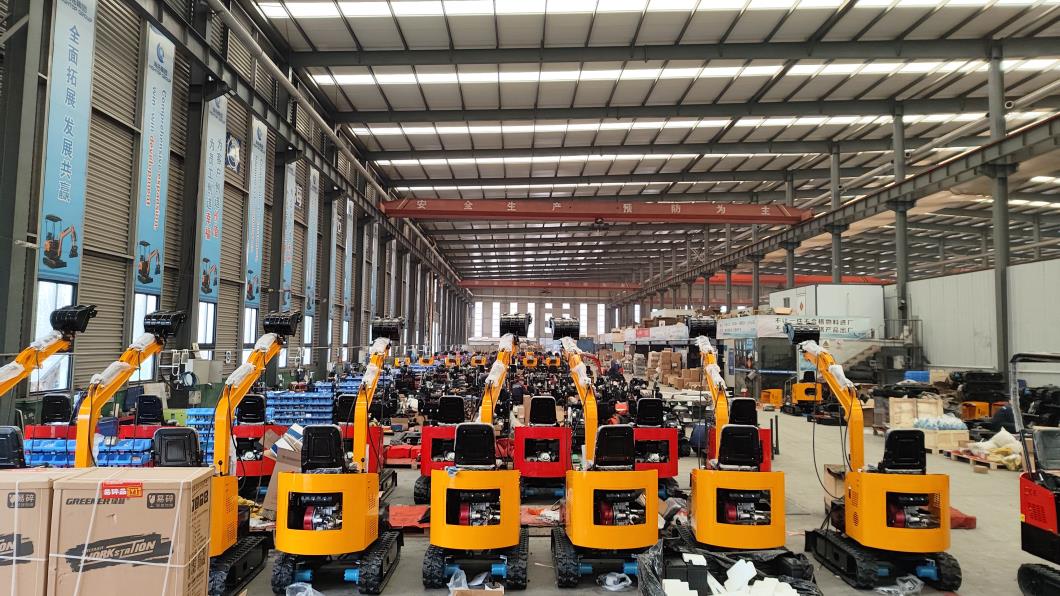
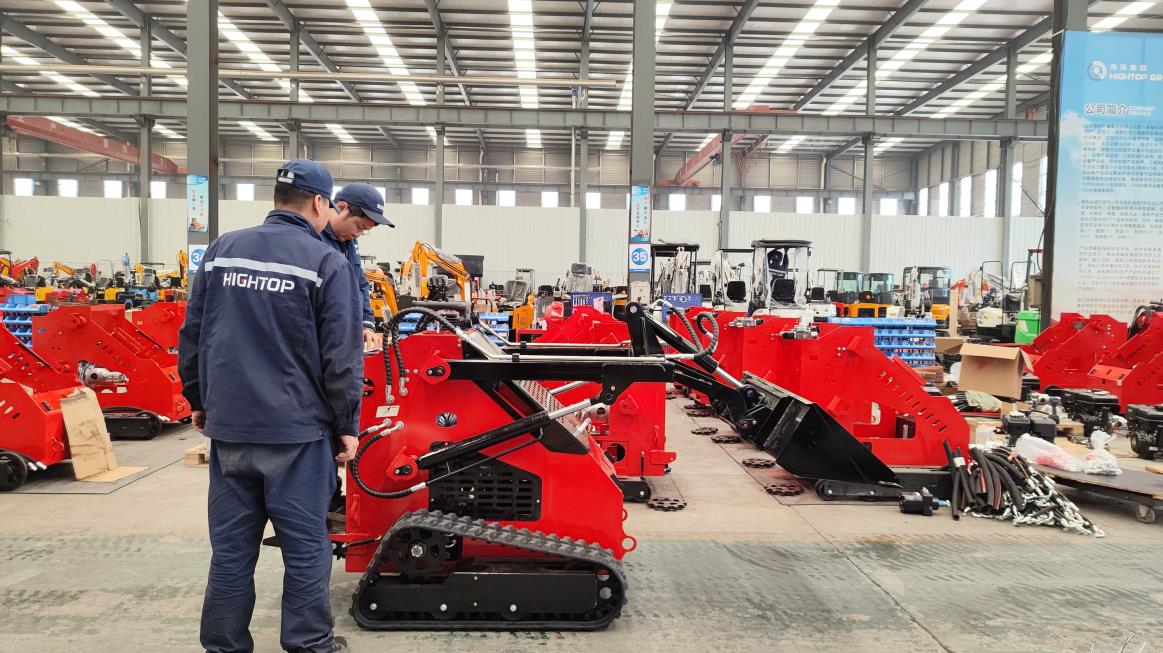
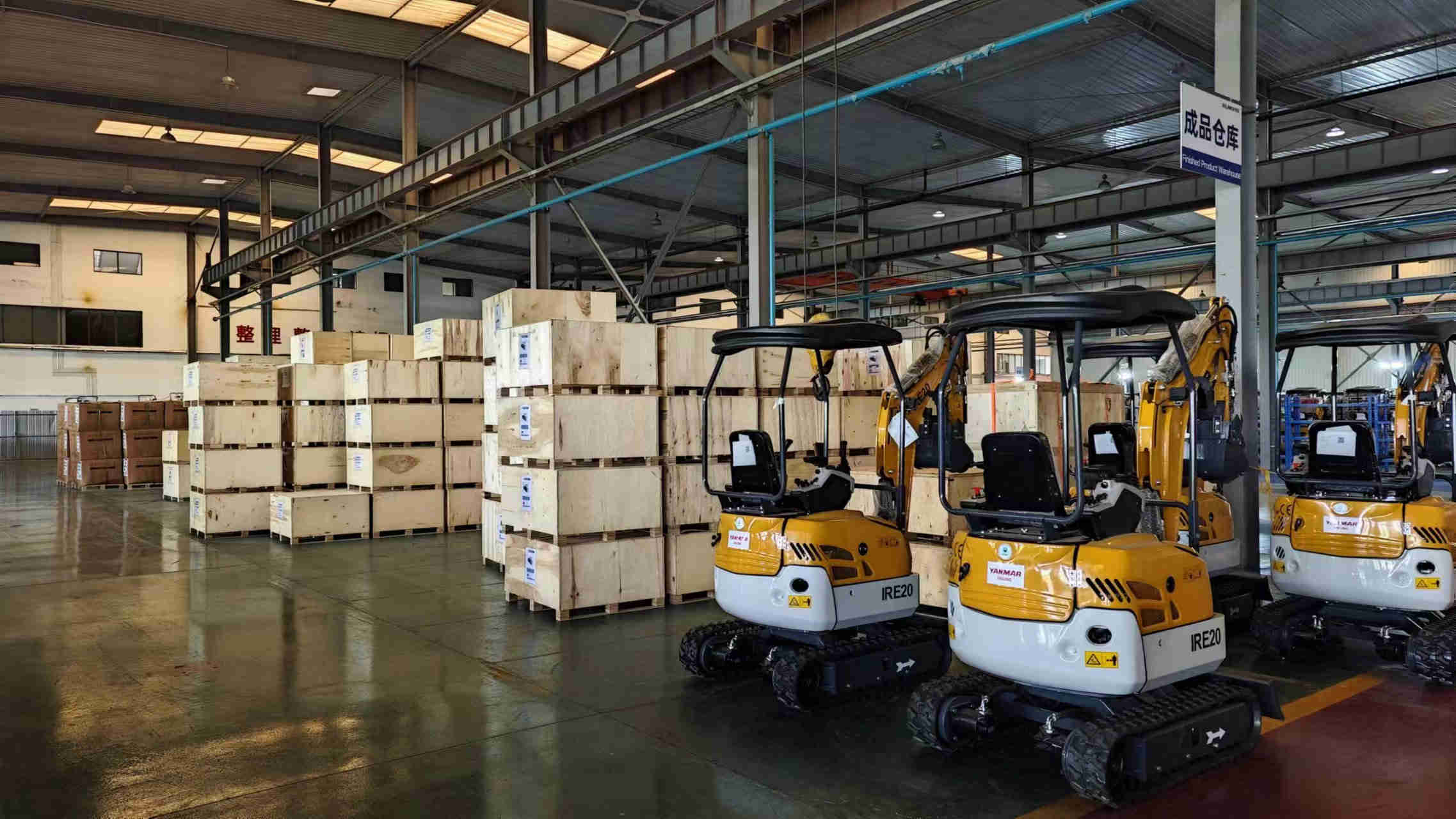
Advanced Production and Process Integration: To achieve absolute structural longevity, our facilities carry out extensive in-house machining, sheet metal processing, and component finishing. Our fabrication workflow utilizes CNC laser cutting, robot-assisted precision welding, dynamic spray coating lines, and rigorous multi-point debugging modules.
From initial design specifications to final dynamic debugging, our state-of-the-art facility uses robust quality assurance protocols to guarantee that every vehicle is built to last.
Maintaining high fleet availability requires transitioning from reactive repairs to predictive maintenance schedules. Yangzhou Tulip Cart Co., Ltd. incorporates standard design interfaces that ease diagnostic tasks. Our electrical networks use integrated Controller Area Network (CAN-bus) architectures, allowing mechanics to hook up standard diagnostic instruments and pull real-time error codes, monitor cell voltage variance in lithium packs, and track motor thermal stats instantly.
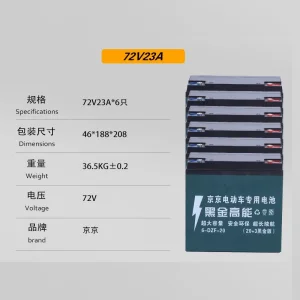
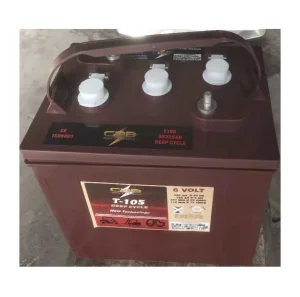
For electric models (such as our 48V and 72V configurations), maintenance revolves around battery system balancing and controller diagnostics. Our customized lithium battery systems (48V 105Ah, 150Ah, and 200Ah LiFePO4 packs) feature integrated smart Battery Management Systems (BMS). The BMS continuously balances cells, prevents over-discharge, and communicates charging states, reducing cell-degradation and avoiding unexpected runtime drops. For lead-acid powered configurations (like our 6V 225Ah T105 models), we advise standard watering schedules and automated equalization charges to reduce battery plate sulfation.
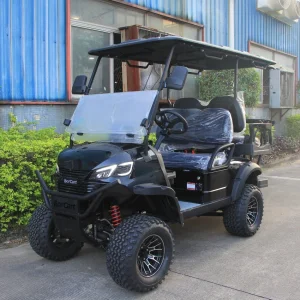
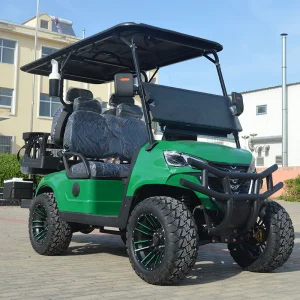
Chassis maintenance is equally critical, especially for off-road utility buggies and hunting cars. Routine greasing of front suspension kingpins, steering racks, and rear-axle differential housings prevents premature wear. Our off-road configurations utilize robust, heavy-duty control arms and adjustable coil-over shocks, allowing maintenance teams to easily configure preload adjustments depending on passenger distribution or cargo weights.
Exporting low-speed electric vehicles into tightly regulated markets like the European Union or North America demands absolute adherence to safety and mechanical directives. Our CE Certification indicates conformance to relevant safety guidelines, including the Machinery Directive 2006/42/EC, Low Voltage Directive 2014/35/EU, and Electromagnetic Compatibility (EMC) Directive 2014/30/EU. This ensures that electromagnetic emissions do not interfere with nearby communication equipment, and that the electrical drivetrain remains completely safe under heavy rain or high-pressure washing cycles.
For US markets, our street-legal variants are designed to align with Federal Motor Vehicle Safety Standard 500 (FMVSS 500) for Low-Speed Vehicles (LSV). This mandates specific speed limiters (capped at 25mph), backup cameras, three-point seat belts, windshields made of automotive safety glass, and complete lighting packages (LED headlights, turn signals, brake lights, and reflectors). By manufacturing vehicles that natively respect these localized boundaries, Yangzhou Tulip Cart Co., Ltd. simplifies the custom clearance process and enables rapid deployment for end-users.
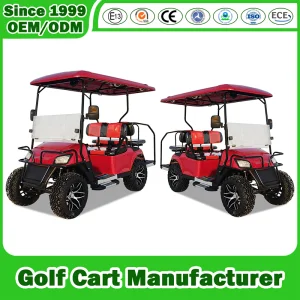
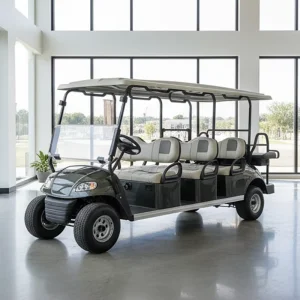
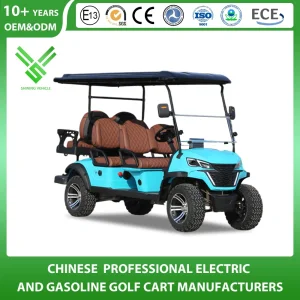
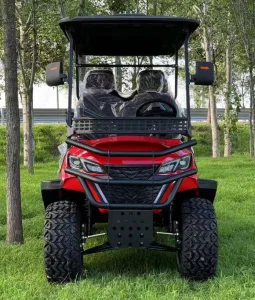
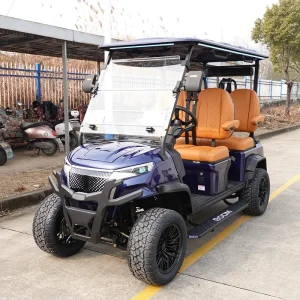
Designed for continuous duty cycles inside high-end resorts, featuring soft comfortable seating, quiet AC drivetrains, and zero tailpipe emissions.
High-traction utility flatbeds built to move heavy components, maintenance tools, and spare parts across manufacturing floors.
Street-legal variants fitted with visual signaling bars, long-range battery cells, and all-weather enclosures for public security forces.
To assist operations managers in lowering failure frequencies, we advise implementing a strict maintenance protocol divided into operational intervals. This structured lifecycle approach reduces emergency repairs and preserves the resale value of the fleet assets.
Weekly Inspection: Verify tire pressure to prevent uneven tread wear (applicable to our 14-inch turf tires and ATV-specific variants). Check front steering tie-rods for free play. For lead-acid configurations, inspect electrolyte levels and add distilled water to individual cells as required.
Monthly Verification: Conduct a comprehensive clean-down of battery terminals. Ensure electrical connections are torqued to specified values to minimize impedance spikes. Examine brake shoe clearance and perform test stops to check the electromagnetic auxiliary brakes.
Semi-Annual Diagnostic Run: Execute a full battery capacity check, tracking voltage drop under high amperage draws (simulated hill climbs). Inspect the motor controller's cooling fins for dirt collection. Check gear-oil levels inside the transaxle assembly and replace if contaminants are present.
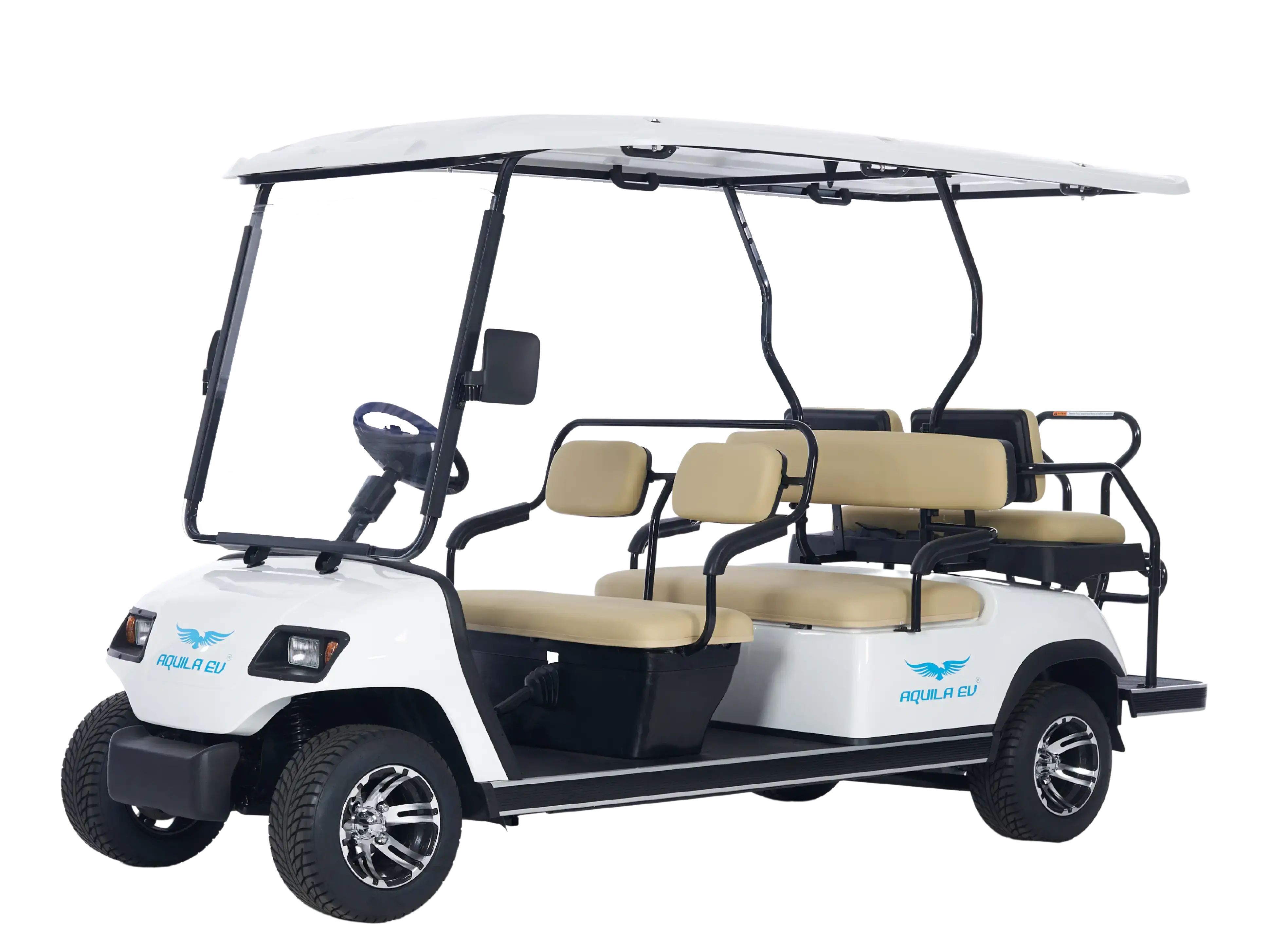
Understanding that branding plays a crucial role in luxury and corporate environments, Yangzhou Tulip Cart Co., Ltd. provides customized vehicle appearance packages. Buyers can specify tailor-made color coordinates, custom vector wraps, corporate emblem integrations, and personalized seat embroidery. We use UV-resistant polyurethane finishes and commercial-grade vinyl wrap coatings, ensuring graphics retain their clarity under heavy sunlight and repeated pressure washes.
Our utility cars are also outfitted with modern auxiliary integrations, including smart USB charging sockets, multi-speaker Bluetooth audio systems, built-in GPS units for golf course route limitations, and dynamic LED dashboard consoles displaying speed, battery charge levels, and fault warning signals.
As golf carts integrate more deeply with green energy microgrids, we are engineering solutions that connect directly with automated facility networks. Our research pipeline focuses on:
1. IoT Telemetry Platforms: Real-time GPS tracking and remote battery diagnostic modules that flag potential system issues before they cause field failures.
2. Smart BMS Balancing: Cloud-connected Battery Management Systems that adjust charging parameters dynamically depending on local temperatures and usage history.
3. Advanced Composite Frameworks: Reducing vehicle weight by incorporating aluminum alloys and high-strength plastic composites, boosting operational range per charge.
Crucial guidelines and manufacturing insights regarding electric drivetrains, battery management, and localized compliance standards.
Lithium batteries (such as LiFePO4 packs) require near-zero structural maintenance, as they do not require water refills and feature integrated BMS systems that balance individual cells automatically. Lead-acid variants require weekly electrolyte checks, terminal corrosion cleaning, and periodic equalization charges. Lithium systems also offer longer service lives (exceeding 3000 charge cycles compared to roughly 500-800 cycles for lead-acid batteries).
CE certification verifies that our vehicles comply with European directives concerning mechanical safety (Machinery Directive 2006/42/EC), electrical hazards (Low Voltage Directive 2014/35/EU), and electromagnetic interference (EMC Directive 2014/30/EU). This ensures the vehicles can be imported and operated inside EU commercial complexes without compliance complications.
Yes, our electric vehicles run on programmable motor controllers (like Curtis or Toyota systems). Using a dedicated handheld programmer, fleet managers can adjust parameters such as acceleration curves, top speed limits, regenerative braking intensity, and ramp descent control to suit local terrain conditions.
We apply hot-dip galvanizing to the chassis frame before executing an automated electrostatic powder coating. This dual-layer treatment ensures superior resistance against corrosion and salt fog, preventing rust formation in coastal resorts, beachfront paths, and humid forest settings.
We offer full customizable graphics options. We can apply corporate logos, unique decals, or custom paint formulations directly during the manufacturing process. These are coated under a clear UV-blocking protective layer to prevent fading from sunlight and environmental wear.
From multi-seater passenger transits to specialized high-traction components and tires, explore our inventory for direct-factory procurement.
 Tulip Cart